
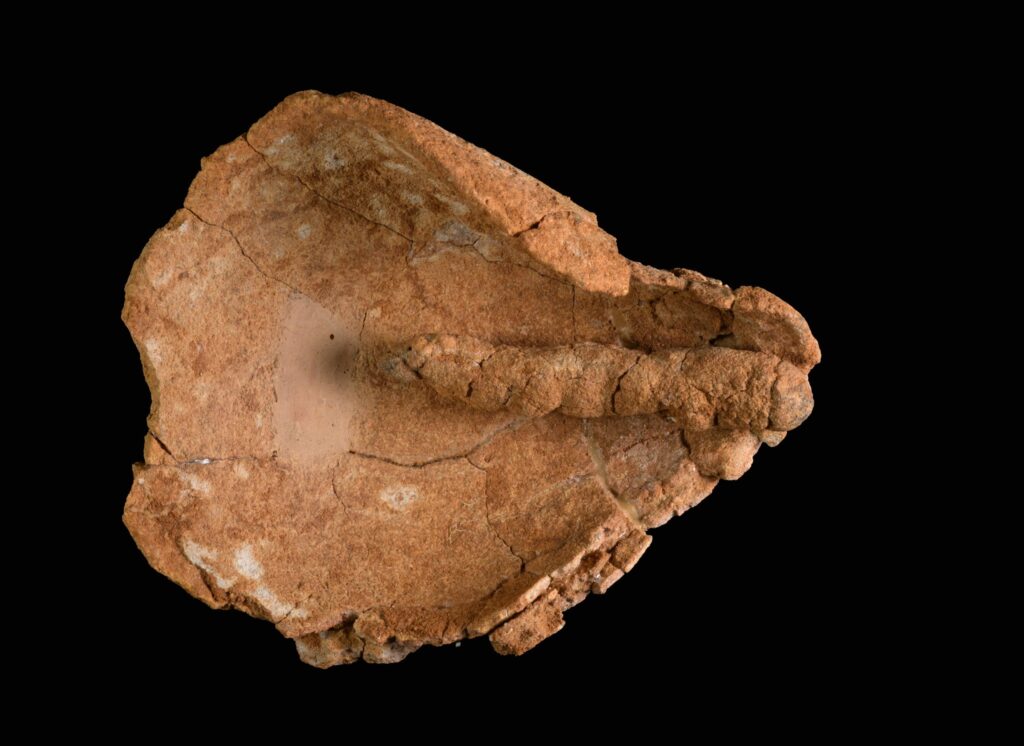
Archaeologists in Israel have uncovered one of the oldest known pieces of evidence for wick use in the world—4,000-year-old textile wicks preserved inside clay oil lamps.
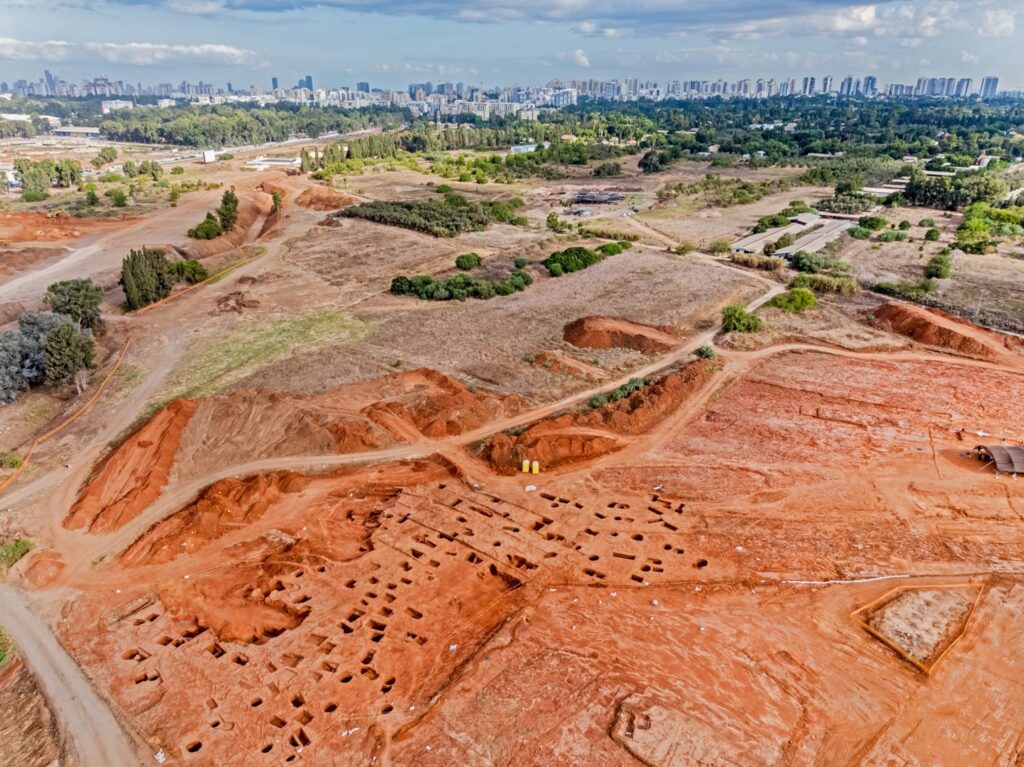
The extraordinary discovery was made during excavations at the Newe Efrayim cemetery near Yehud, shedding new light not only on ancient burial practices but also on the early reuse and recycling of textiles in the Bronze Age.
A Rare Discovery in a Challenging Climate
The wicks were found during large-scale excavations conducted by the Israel Antiquities Authority (IAA), as part of development works by the Israel Lands Authority. The site, dating to the Intermediate Bronze Age (c. 2500–2000 BCE), revealed over 1,200 tombs filled with burial offerings such as pottery, animal bones, metal objects, and oil lamps.
What makes the wicks remarkable is their survival. Organic materials like textiles usually decay rapidly in the moist Mediterranean climate, leaving little trace in the archaeological record. According to IAA researchers Dr. Naama Sukenik and Dr. Yonah Maor, “These wicks are among the very few of their era known worldwide. Their preservation inside oil lamps created unique conditions that allowed us to recover them despite thousands of years of exposure.”
The Function of Fire in Ancient Burials
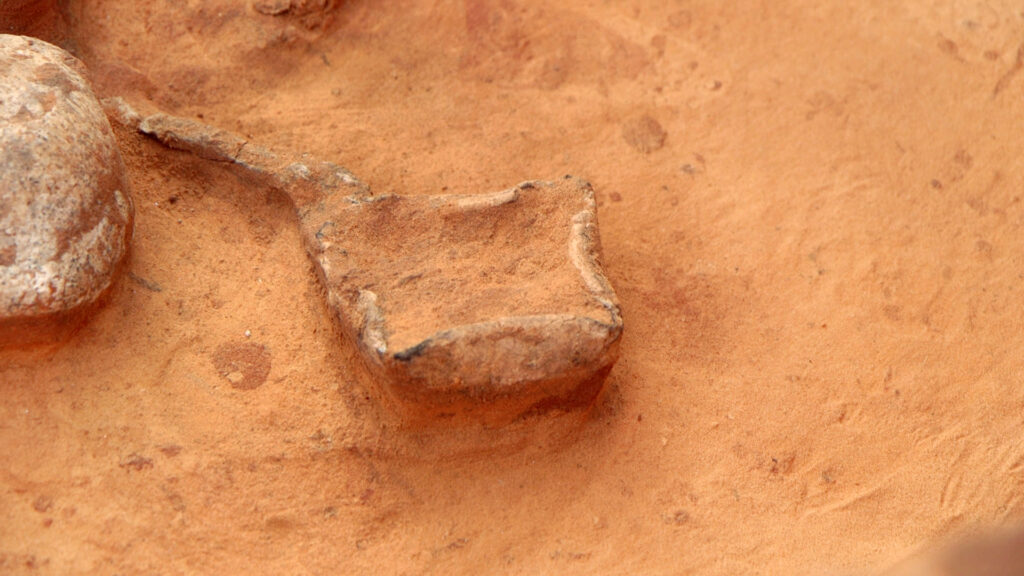
Oil lamps were a common element in these tombs, discovered with men, women, and children alike. Traces of soot found on the wicks show they were actually lit, most likely during burial ceremonies.
Excavation directors Dr. Gilad Itach, Yossi Elisha, and Yaniv Agmon explain that light held both practical and symbolic significance: “Lamps would have illuminated the dark burial shafts, but fire itself also carried spiritual meaning. Since ancient times, the flame has symbolized the human soul, a concept still echoed today in the Hebrew term Ner Neshama—‘flame of the soul.’”
The discovery demonstrates how fire played a central role in ritual, transformation, and remembrance in the Bronze Age Levant, even in the absence of written records.
Recycled Textiles as Wicks
Scientific analysis of the finds, recently published in the journal ‘Atiqot (Vol. 118), revealed that the wicks were crafted from woven linen textiles. Microscopic studies identified tabby weave patterns and twisted cord construction, confirming that the wicks were made from recycled cloth rather than raw fibers.
This reuse reflects an important aspect of ancient life: textiles were highly valuable, and once garments or fabrics had served their original purpose, they were repurposed multiple times before being discarded. In this case, their final role was as lamp wicks.
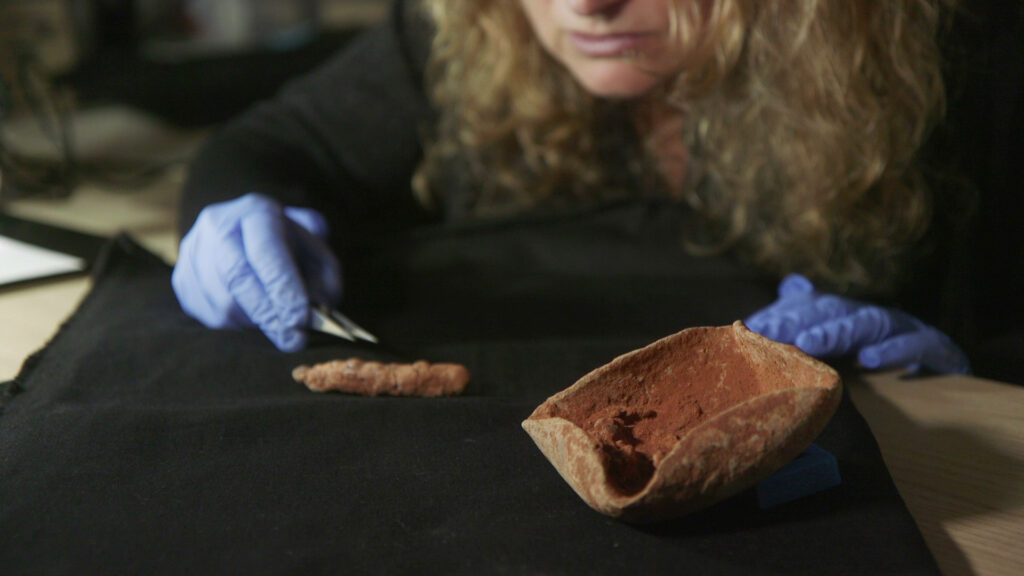
“Wicks were not manufactured as a primary product,” Dr. Sukenik notes. “They were a clever way of giving worn fabrics a final use, demonstrating efficient resource management and an early form of recycling in antiquity.”
Parallels to this practice are found in ancient Egypt, where letters from the reign of Ramesses II request old clothes for wick production. Later rabbinic texts also describe wicks made from discarded garments. The Newe Efrayim finds therefore link the archaeology of Israel to wider traditions across the ancient Near East.
Exceptional Preservation Through Fossilization
Laboratory testing showed that the original organic fibers of the Newe Efrayim wicks had undergone a rare process of fossilization. Their organic material was replaced by calcite, preserving the texture of the woven cloth. Researchers believe this was triggered by bacterial activity in the soil, creating unique conditions that protected the wicks for millennia.
Such preservation is virtually unknown in Mediterranean climates. Until now, most ancient wicks have been found only in desert environments like Egypt or the Judean Desert. This makes the Newe Efrayim discovery one of the most important examples of organic survival in the region.
Lighting the Past
The find not only pushes back the timeline of wick evidence in Israel but also highlights the ingenuity of early communities in resource use, ritual practice, and technological adaptation.
“These wicks are among the earliest archaeological evidence for artificial lighting in the region,” Dr. Maor emphasizes. “They remind us that even the simplest objects can illuminate complex aspects of ancient life—ritual, symbolism, and sustainability.”
As urban expansion continues to uncover new archaeological sites, the Newe Efrayim discovery underscores the value of rescue excavations in preserving traces of human history that would otherwise be lost. The humble wick, designed to burn and disappear, has instead endured for 4,000 years—offering a rare glimpse into how our ancestors lit both their world and their ceremonies of remembrance.
Sukenik, N., Maor, Y., Agmon, Y., Elisha, Y., & Itach, G. (2025). Secondary use of textiles for wick production in light of the finds from the Intermediate Bronze Age cemetery at Newe Efrayim. ‘Atiqot, 118, Article 4. https://doi.org/10.70967/2948-040X.2316
Cover Image Credit: D. Gazit – Israel Antiquities Authority
