
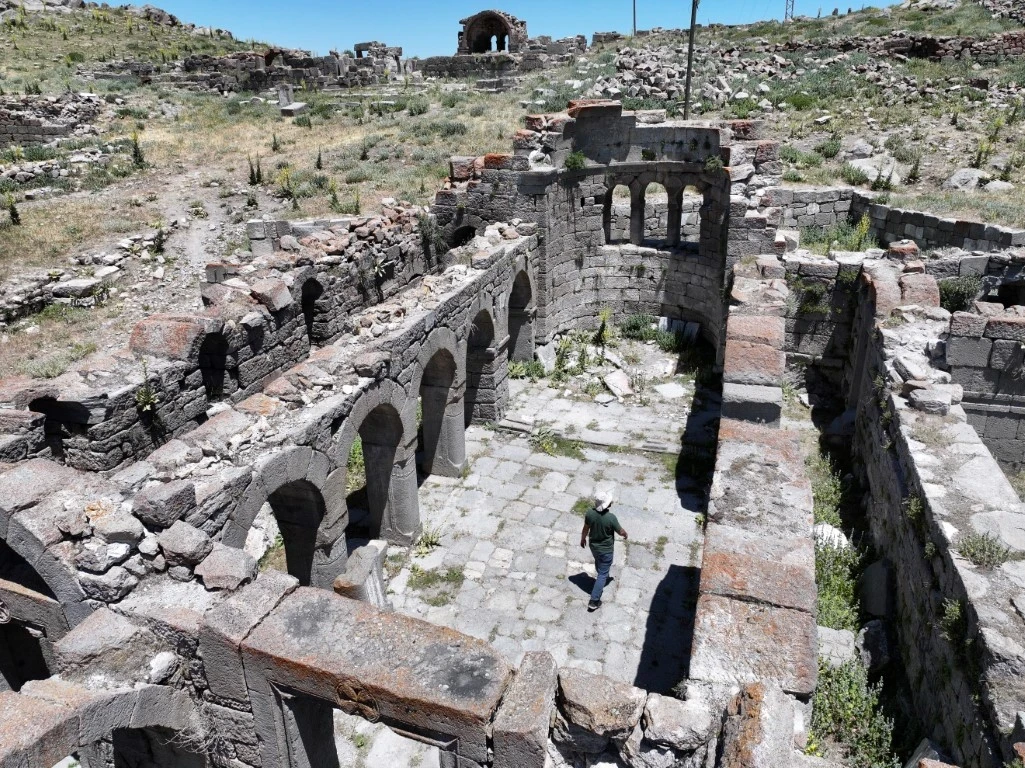
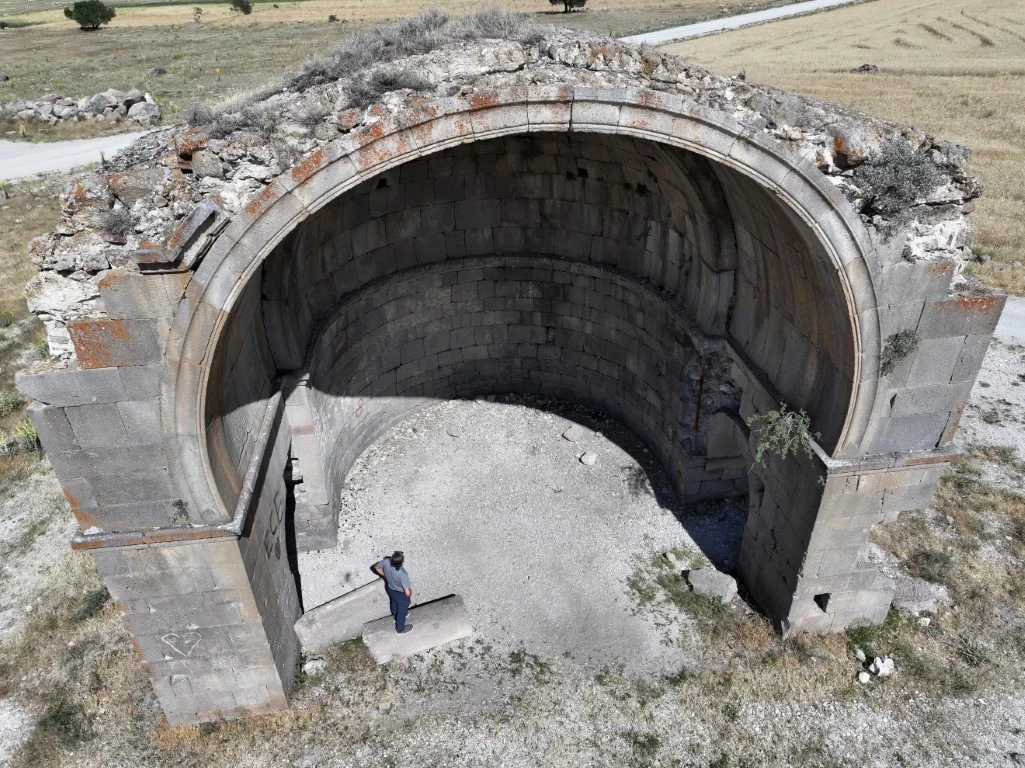
A series of fresh archaeological findings in central Anatolia is reshaping what scholars know about one of the region’s most enigmatic sacred landscapes. In the volcanic highlands north of Karaman, researchers have identified at least 15 previously undocumented churches and chapels within the historic “Binbir Kilise” (Thousand and One Churches) region—offering compelling new evidence that the area once functioned as a major Byzantine pilgrimage center.
The discoveries come from an ongoing surface survey led by Assoc. Prof. Dr. İlker Mete Mimiroğlu of Necmettin Erbakan University, focusing on Early Christian and Byzantine religious architecture across the slopes of Karadağ, an extinct volcanic massif. According to Mimiroğlu, the results of the second survey season are “genuinely exciting,” pointing to a far more complex and densely populated settlement network than previously assumed.
A Sacred Landscape Beyond a Single Settlement
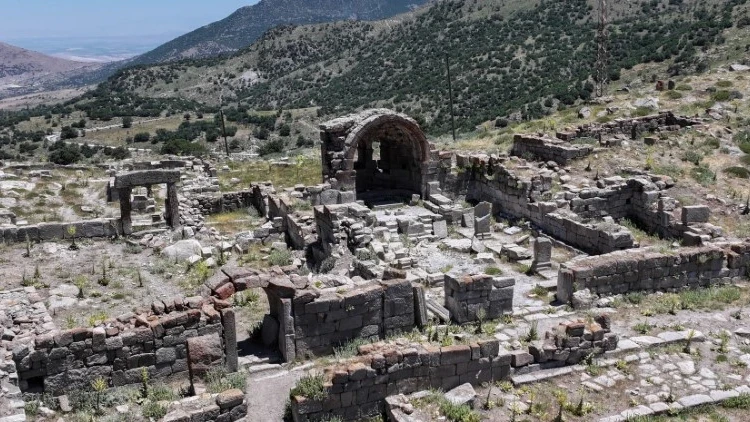
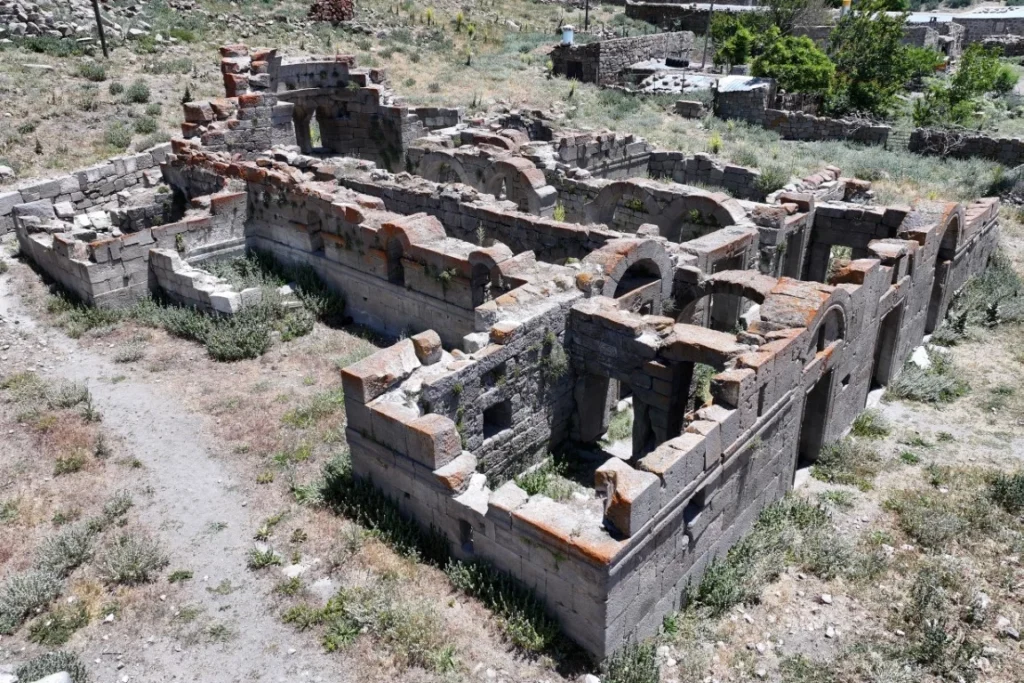
Rather than representing a single city or monastery complex, the Binbir Kilise region appears to encompass multiple interconnected settlements spread across the rugged terrain. The newly identified structures—including small churches, chapels, and architectural remains—suggest that religious life in the area was both extensive and highly organized.
Researchers also documented a wide range of associated features, from cistern systems and open-air cult spaces to inscriptions, tombs, and multi-building complexes. These elements collectively indicate that the site was not only a place of worship, but also a thriving habitation zone capable of supporting a substantial population.
Particularly notable is the evidence for hermitic practices. Several natural and partially modified caves were found to have been used as ascetic retreat cells, some marked with carved crosses. This points to a spiritual landscape where communal worship coexisted with solitary religious devotion—an important characteristic of early Byzantine religious life.
Why “Binbir Kilise”? The Meaning Behind the Name
Despite its evocative name, the “Thousand and One Churches” designation is not meant to be taken literally. The term “binbir” in Turkish is often used figuratively to describe abundance or multiplicity—similar to the expression “a countless number.”
In the case of Karadağ, the name reflects the extraordinary density of religious buildings scattered across the region. Since the late 19th century, when explorers such as Gertrude Bell and William Mitchell Ramsay first documented the site, scholars have been struck by the sheer number of churches, monasteries, and chapels dotting the volcanic slopes.
Today, the term encapsulates a broader archaeological reality: not just isolated ruins, but a vast sacred topography shaped by centuries of Christian activity. The latest discoveries reinforce this interpretation, demonstrating that many structures remain unrecorded in academic literature.
A Byzantine Pilgrimage Hub with Regional Influence
The emerging picture suggests that Binbir Kilise was more than a local religious center. Its scale, architectural diversity, and evidence of organized infrastructure all point toward its role as a significant pilgrimage destination during the Byzantine period.
Pilgrims traveling across Anatolia may have been drawn to the area’s monastic communities, sacred spaces, and possibly relics or local cult traditions. The presence of inscriptions—currently under epigraphic study—could provide further insights into the identities of worshippers, patrons, and religious authorities connected to the site.
Moreover, the coexistence of large complexes and smaller chapels hints at a layered religious landscape, accommodating both communal liturgical practices and more localized devotional activities.
Traces of Continuity into the Seljuk Period
One of the most intriguing aspects of the research is the evidence for continued occupation beyond the Byzantine era. The discovery of a Seljuk-period coin suggests that at least parts of the settlement remained active into the medieval Islamic period.
This continuity challenges earlier assumptions that the site was abruptly abandoned after the decline of Byzantine control. Instead, it points to a more gradual transformation, where existing settlement patterns may have persisted—albeit in altered cultural and religious forms.
Historical records further indicate that by the 15th century, populations from the Karaman region, including both Muslim and non-Muslim communities, were relocated to the Balkans. This demographic shift may explain the eventual abandonment of the settlements across Karadağ.
Expanding the Archaeological Map of Anatolia
As fieldwork continues, researchers plan to focus on newly identified zones in greater detail, aiming to document architectural layouts, refine dating sequences, and analyze inscriptions more comprehensively.
Each new season adds another layer to the evolving narrative of Binbir Kilise—not as a singular site, but as a vast and dynamic religious landscape that played a central role in the spiritual and social life of Byzantine Anatolia.
With dozens of structures still awaiting full documentation, the “Thousand and One Churches” may yet live up to its name—not as a literal count, but as a powerful symbol of a forgotten sacred world now returning to light.
Cover Image Credit: AA
