
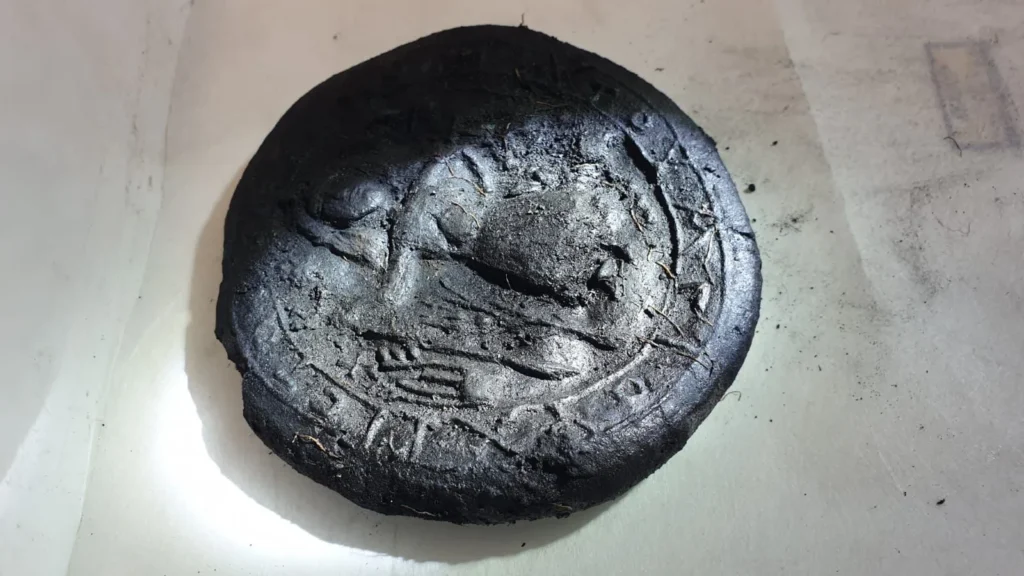
In the rugged hills of Karaman province, Türkiye, a remarkable archaeological discovery has emerged from Topraktepe, the site of ancient Eirenopolis. During recent excavations, archaeologists uncovered five carbonized bread loaves dating back to the 7th–8th centuries CE, including one with a depiction of Christ and a Greek inscription translating to, “With our thanks to Blessed Jesus.”
Unlike the traditional Pantokrator imagery of Christ as ruler and savior, this loaf portrays a “farmer” or “sower Christ,” symbolizing the connection between faith, labor, and agricultural fertility. The remaining loaves bear cross-shaped imprints, suggesting their possible use in early Christian rituals as Eucharistic or “communion bread.”
The exceptional preservation of these breads, carbonized over more than 1,300 years, makes them some of the most remarkable examples of liturgical bread ever discovered in Anatolia.
Eirenopolis, a Byzantine-era city located in the historical region of Isauria, held ecclesiastical significance under the Patriarchate of Constantinople. While much about the city’s daily life has remained unknown, the Topraktepe excavations now provide tangible evidence of early Christian practices in provincial Anatolia.
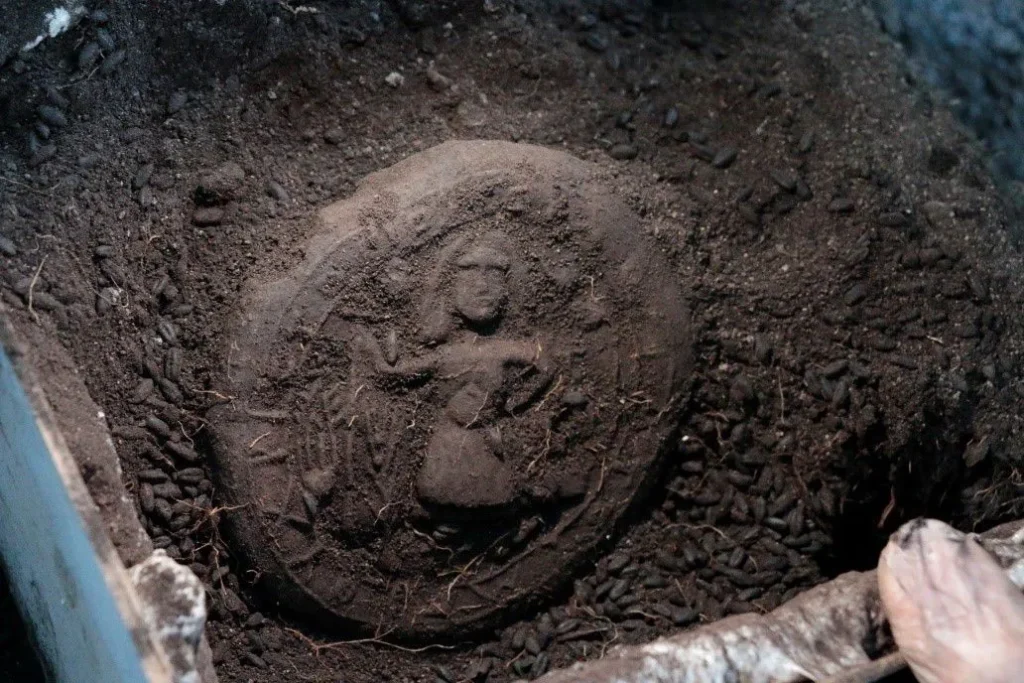
This 1,300-year-old bread loaf bears the unique depiction of Christ as a ‘farmer’ or ‘sower,’ highlighting the connection between faith, labor, and agricultural fertility. Credit: Karaman Governorship
These breads reveal not only ritualistic customs but also the symbolic integration of spirituality into everyday life, highlighting how communities embedded religious meaning into ordinary sustenance. Unlike large urban centers such as Constantinople, these provincial sites allow scholars to explore local variations in worship, demonstrating that devotion in early Byzantine Anatolia was intimately connected to rural life and agriculture.
The most striking loaf, featuring the farmer Christ motif, reflects the spiritual significance attributed to agricultural labor. In a society dependent on crops for survival, depicting Christ as a sower or laborer symbolized divine blessing over the essential work of the community.
The Greek inscription emphasizes gratitude, suggesting that the bread was not merely a physical sustenance but a sacred object within worship. The other loaves, adorned with Maltese cross motifs, align with practices known from early Byzantine liturgy, where bread was often stamped with crosses or abbreviations before being consecrated in the Eucharist. Such findings offer rare physical evidence of ritual practices previously known mostly through textual or iconographic sources.
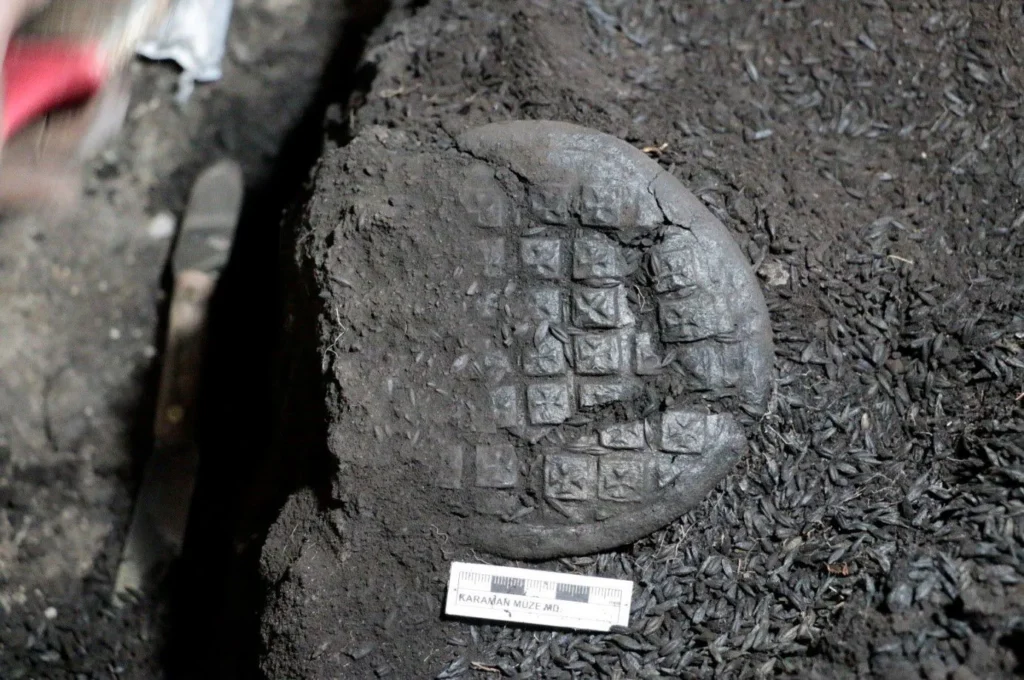
Eucharistic bread, central to Christian liturgy, represents the body of Christ in Holy Communion. In Eastern Orthodox practice, leavened bread was commonly used, symbolizing life, resurrection, and spiritual fullness, while the Western Church often employed unleavened wafers. Bread could also serve as antidoron, blessed but unconsecrated bread distributed after the liturgy, reflecting a spectrum of ritual uses.
The survival of actual Eucharistic bread from the 7th–8th centuries is exceedingly rare, making the Topraktepe loaves a unique window into early Christian worship. Detailed analysis of these artifacts may reveal insights into baking techniques, ingredients, and religious symbolism in provincial Byzantine communities.
This discovery also contributes to our understanding of bread in ancient Anatolia, where it was both a staple and a cultural marker. From the Neolithic loaves of Çatalhöyük, over 8,600 years old, to medieval Anatolian bread, scholars recognize its centrality in daily life, economy, and ritual.
The Topraktepe breads illustrate how ordinary food was transformed into objects of devotion, bridging sustenance and spirituality. Their preservation provides an extraordinary opportunity to study material culture, iconography, and ritual practices in early Christian Anatolia, offering direct evidence of how religious and daily life intersected.
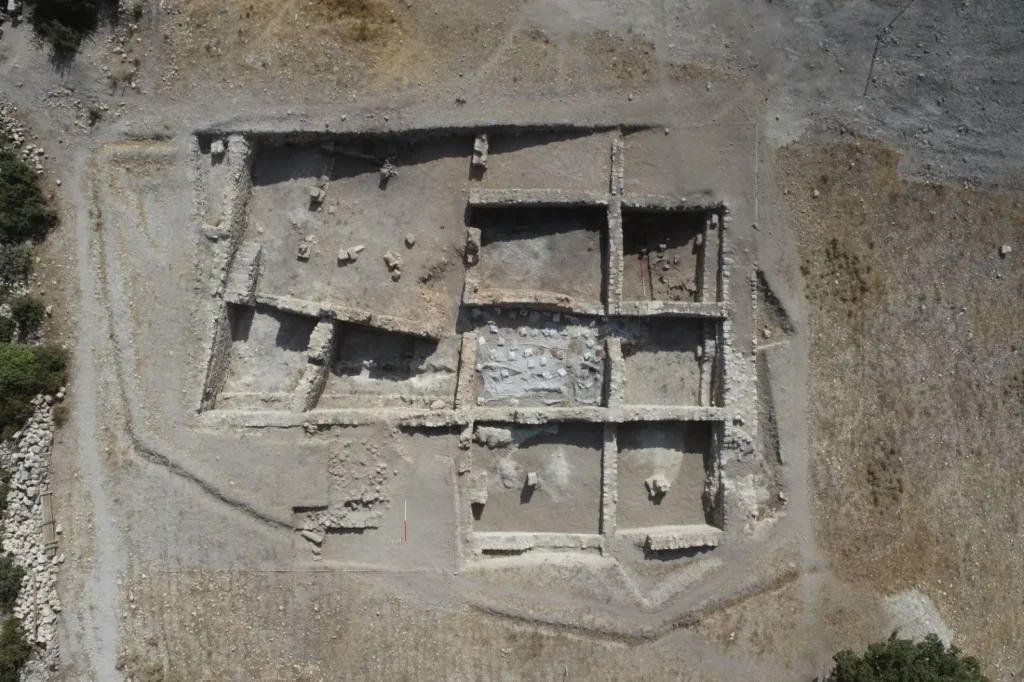
Ultimately, the 1,300-year-old communion breads of Ermenek illuminate a fascinating chapter of early Byzantine life. They demonstrate that devotion extended beyond prayers and ceremonies, materializing in objects that carried spiritual meaning into the most basic human necessity: bread.
As researchers continue to examine these loaves, they promise to reveal further insights into early Christian communities, their rituals, and how faith and everyday life were intertwined in the provinces of Anatolia. For historians, archaeologists, and enthusiasts of Byzantine art and ritual, the Topraktepe discovery stands as a remarkable testament to the enduring legacy of faith, labor, and devotion in early Christian Anatolia.
Cover Image Credit: Karaman Governorship
