
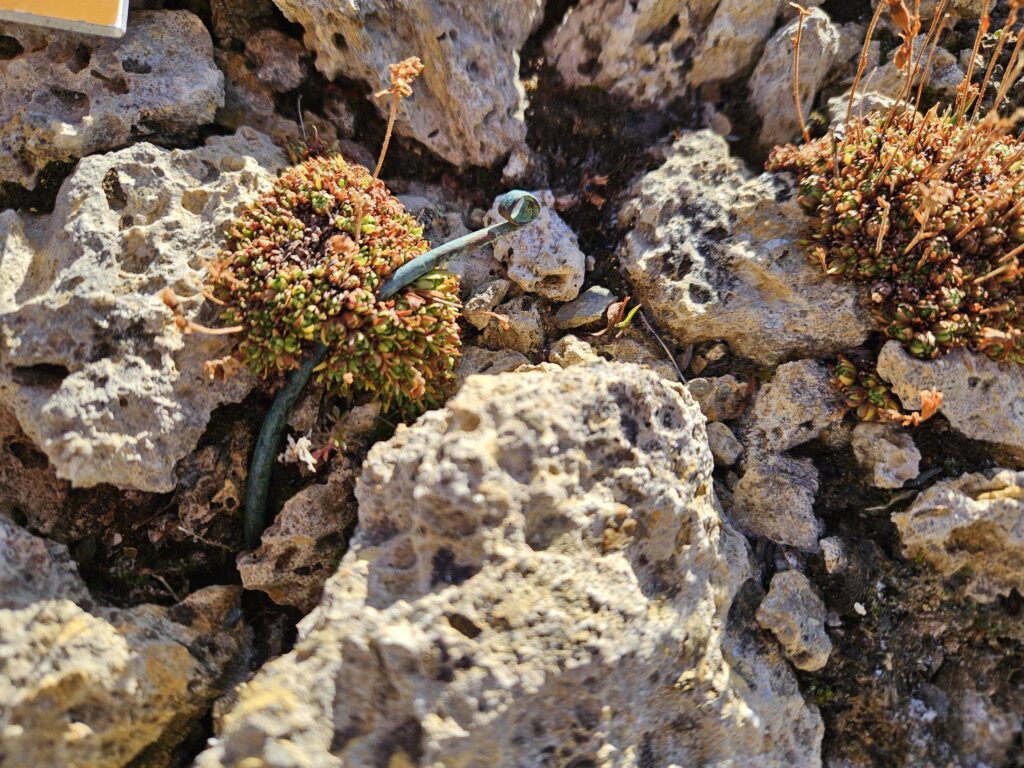
Archaeologists surveying a remote mountain pass in the Swiss Alps have discovered a bronze neck ring dating back nearly 4,000 years. The delicate piece of jewelry, found more than 2,600 meters (8,530 feet) above sea level, may have belonged to a prehistoric traveler who deliberately left it behind as an offering.
The discovery took place at the Lötschen Pass, a mountain crossing between the Bernese Oberland and Valais. Although archaeologists have recovered Bronze Age weapons and other objects from the area before, they had never encountered a piece of jewelry like this one.
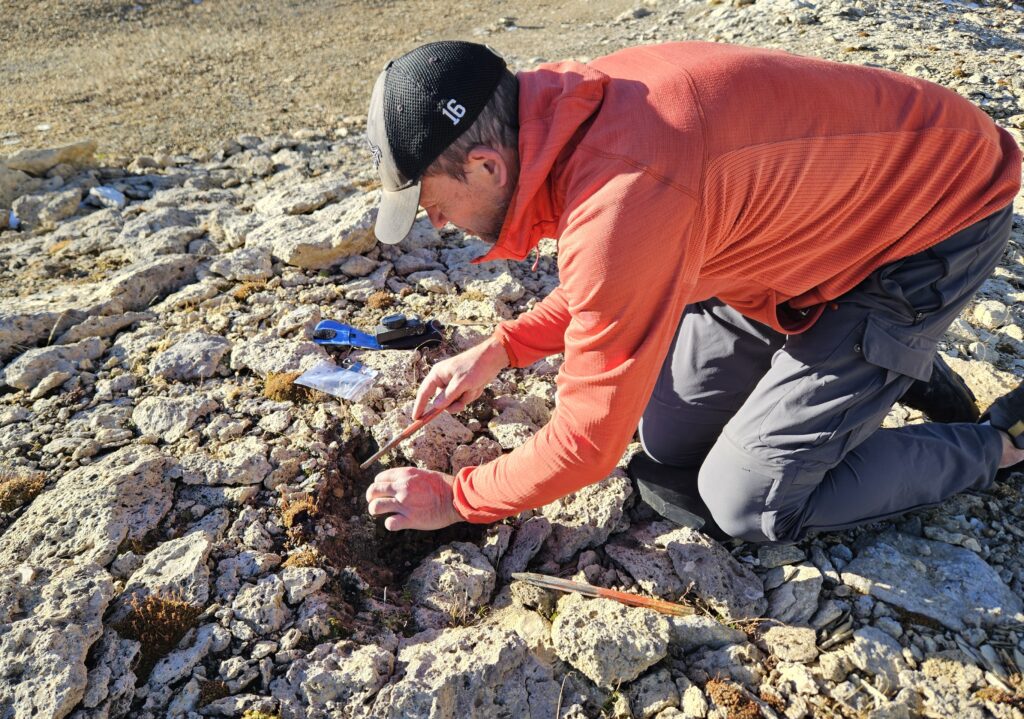
Staff from the Archaeological Service of the Canton of Bern found the ring during a routine survey in mid-October 2026. The institution announced the discovery on November 18.
An Unexpected Discovery on a Mountain Pass
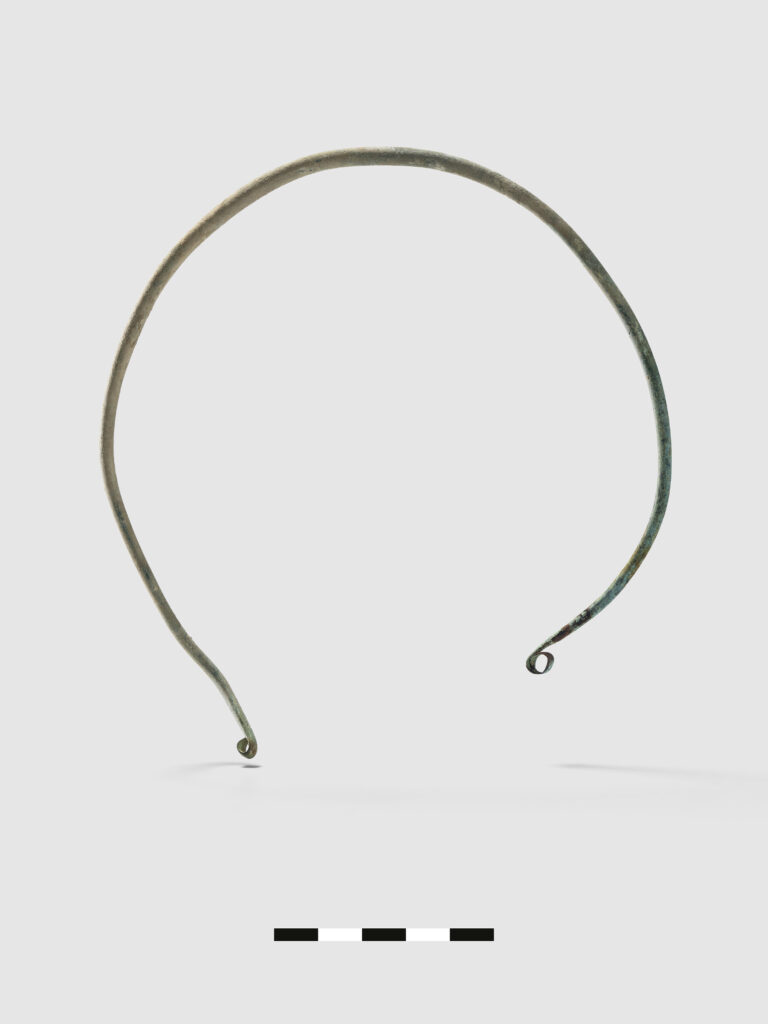
The bronze ring measures approximately 13 centimeters (5.1 inches) across and has two loop-shaped ends. Despite spending thousands of years in the harsh mountain environment, it remains remarkably well preserved.
Archaeologists date the object to the Early Bronze Age, between 2000 and 1700 BC. They carefully documented its position before removing it from the site and transferring it to their laboratories in Bern for conservation.
Researchers found the ring away from the areas where earlier Bronze Age artifacts had appeared, making it the first bronze object and the first piece of prehistoric jewelry discovered on the Lötschen Pass.
Similar neck rings have appeared in both male and female burials at Gwatt, Einigen, and Hilterfingen, communities in the Bern region. These comparisons help establish the object’s place within Early Bronze Age material culture, although they cannot identify its original owner.
But how did such an object end up so high in the mountains?
Archaeologists believe someone may have intentionally deposited the ring during a journey across the pass. It could have served as an offering to a deity, perhaps to request protection before a difficult crossing or to express gratitude afterward.
A Route People Crossed Thousands of Years Ago
The Lötschen Pass was no unfamiliar wilderness to prehistoric travelers. For more than four millennia, people have used the crossing to move between the Kander and Lötschen valleys, transporting goods, driving livestock, and possibly hunting in the surrounding mountains.
Earlier archaeological discoveries help reconstruct those journeys. Researchers have recovered bows made from elm and yew wood, arrow fragments, leather remains, and a small wooden container that still held coarsely ground cereal flour.
These objects, documented in an earlier study by the Bernese archaeological authorities, belong to previous discoveries rather than the newly recovered neck ring. Together, however, they demonstrate that people traveled through this demanding Alpine landscape long before modern roads connected its valleys.
Other finds, including Roman coins and medieval equipment, show that the route continued to attract travelers across different historical periods.
Melting Ice and the Archaeology of the Alps
Much of the Lötschen Pass’s archaeological record owes its survival to patches of mountain ice. Frozen conditions protected fragile objects made from wood, leather, and other organic materials that would normally decay over time.
As warming temperatures reduce the region’s ice cover, archaeologists increasingly encounter objects that have remained inaccessible for centuries or millennia. The same process creates urgency: once exposed to air and weather, these materials can deteriorate rapidly.
That is why archaeological teams regularly inspect known sites along the pass and document new discoveries.
The bronze neck ring adds a different kind of evidence to this long record of mountain travel. Its presence suggests that crossing the Alps may have involved more than transporting goods or reaching distant valleys. For at least one traveler, the journey might also have carried a personal or religious significance.
