
Under the sand dunes of northern China, traces of a magnificent architectural complex from the country’s first imperial era have been discovered. Archaeologists believe these remains, approximately 2,200 years old, may belong to a lodging palace established on a great imperial road of the Qin Dynasty that crossed the desert. Special roof decorations found at the site show similarities to the highest-status structures of the Qin period.
The discovery took place at the Huangtuliang archaeological site in Yulin, Shaanxi Province. Research by the Yulin Cultural Heritage and Archaeology Institute indicates that the settlement, previously thought to belong to the Han Dynasty, may actually have been built during the era of China’s first unified empire.
Traces of an Imperial Palace Beneath the Sands
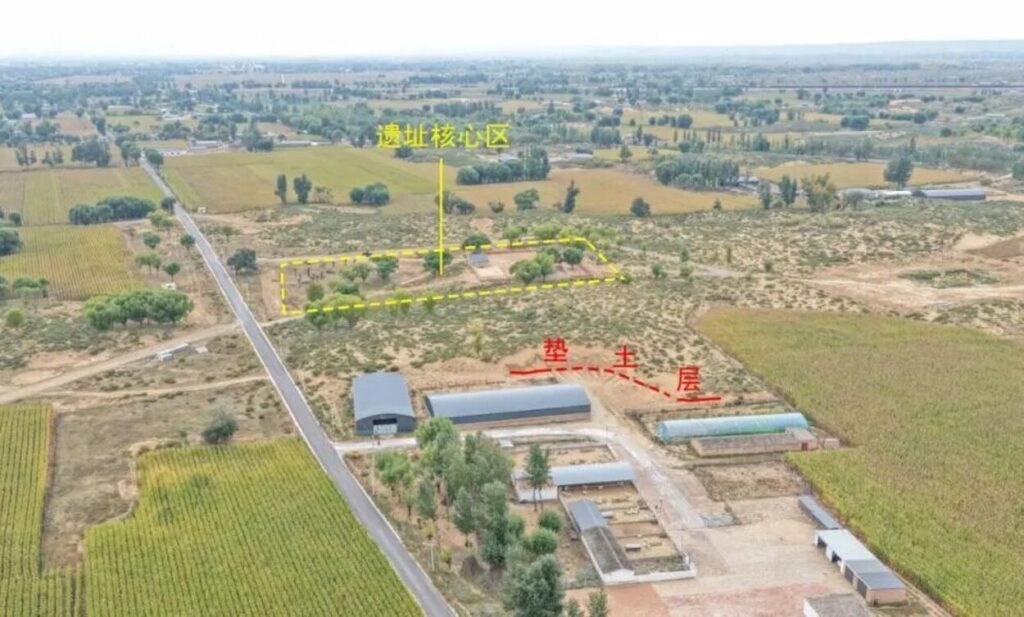
Huangtuliang is located on the southeastern edge of the Mu Us Sandy Land, at a point where agricultural lands meet sand dunes. Researchers have identified a structural center of approximately 10,000 square meters, while the distribution of architectural fragments spans a wider area of about 150,000 square meters.
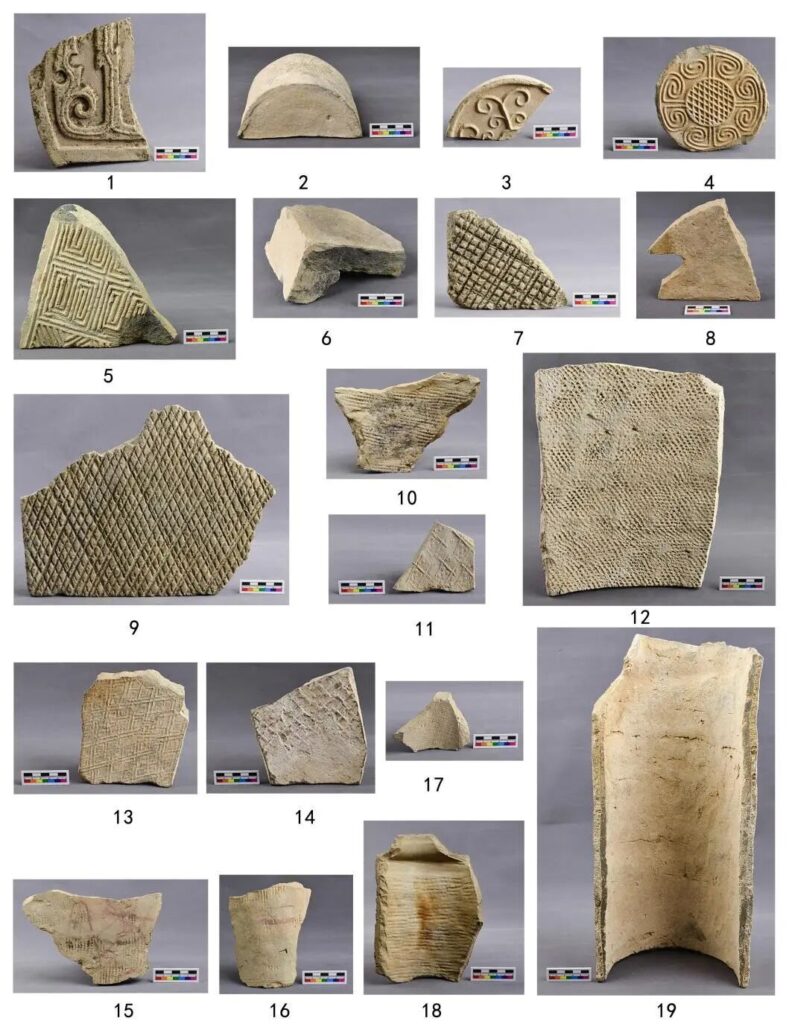
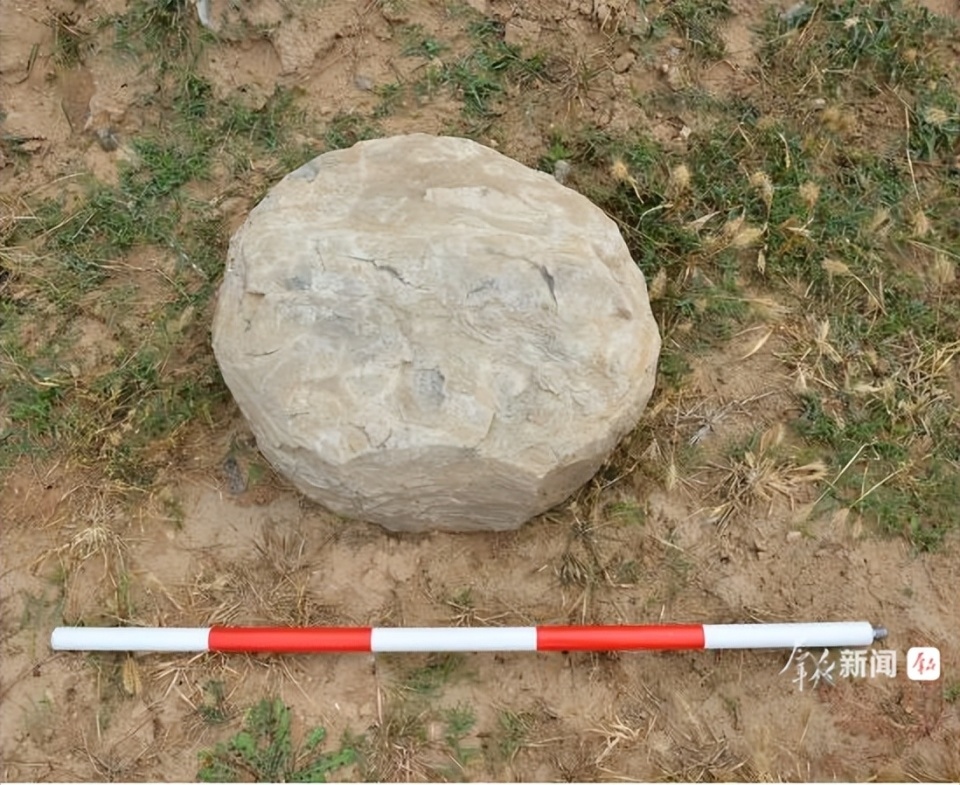
Surface finds include numerous roof tiles, decorative bricks, and three large stone column bases. However, the large roof-end decorations adorned with mythical creature motifs particularly caught the attention of archaeologists.
These decorations are associated with the highest-status architectural structures of the Qin period. Similar examples are known from imperial palaces and the monumental tomb complex of China’s first emperor, Qin Shi Huang.
Researchers also identified traces of large platforms made of rammed earth beneath the sands. Wells, ceramic water pipes, and drainage fragments uncovered during previous studies further suggest the existence of an advanced architectural complex.
According to a statement from the Shaanxi Provincial Cultural Heritage Administration, the architectural materials indicate that Huangtuliang had a high-status function, distinguishing it from an ordinary village or military outpost.
The First Emperor of China’s Great Road Project
What makes this discovery particularly significant is its potential connection to one of the Qin Dynasty’s most ambitious infrastructure projects.
After unifying China’s warring states under a single administration in 221 BC, Qin Shi Huang created a vast road network to strengthen central imperial governance. Started around 212 BC, the Qinzhidao, or the Straight Road, aimed to connect the northern border regions to the imperial center.
Historical sources describe how, under the management of General Meng Tian, mountains were cut and valleys filled to create a route that was as straight as possible.
These roads did more than just facilitate travel. They allowed soldiers, official dignitaries, and imperial decrees to move across vast territories, strengthening the newly established state’s control over remote regions.
However, the exact route the Qinzhidao took through the Mu Us sands remains controversial. New research near Huangtuliang may provide an answer to this historical geographical puzzle.
New Traces of the Lost Road in the Desert
Approximately 7.5 kilometers southwest of Huangtuliang, archaeologists identified intermittent traces of rammed earth extending for about 800 meters among the sands.
These traces may belong to a section of the lost imperial road. However, researchers have not yet confirmed that the route is definitely the Qinzhidao.
It is also noteworthy that the architectural finds at Huangtuliang show similarities to materials found at other lodging palaces previously identified along the same road. These comparisons strengthen the interpretation that the structure was an imperial lodging center used for long journeys.
Researchers estimate that the palace may have been built between the final years of Qin Shi Huang’s reign and the end of the dynasty in 206 BC. However, no evidence has been released indicating that the emperor himself visited the site.
The Lasting Legacy of a Short-Lived Dynasty
The Qin Dynasty ruled for only 15 years. Nevertheless, its central administration, standardized writing and measurement systems, imperial roads, and massive defense projects deeply influenced subsequent Chinese dynasties.
The remains at Huangtuliang are important for understanding how this transformation reached the northern border regions. If researchers confirm that the structure was a lodging palace connected to the imperial road, the discovery will provide new information on how the Qin administration organized itself along desert routes.
The majority of the structures remaining beneath the sand await investigation. However, the ornate roof fragments, architectural platforms, and possible road traces show that the marks left by the Qin Dynasty in remote regions consisted of more than just military forts and defensive walls.
Yulin Municipal Institute of Cultural Relics and Archaeology
