
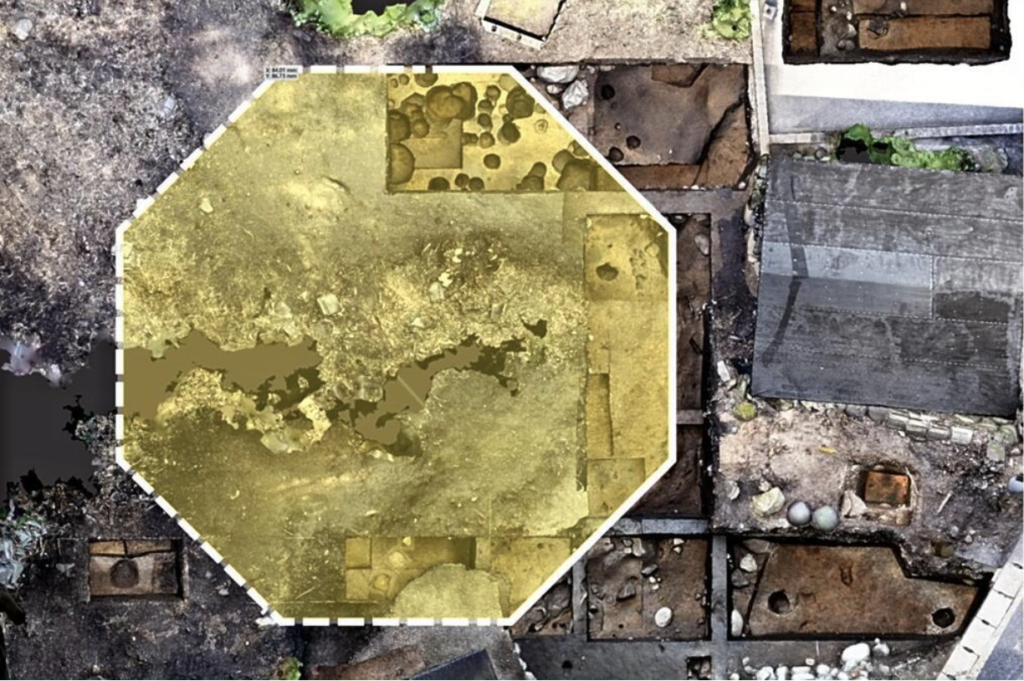
On a small island south of Japan, archaeologists have discovered the foundations of an unusual octagonal structure that may have been built approximately 900 years ago. The remains on Kuroshima Island suggest that a Buddhist pagoda or another religious building may have stood here in the 12th century.
The team, led by Professor Satoshi Nakazono of Kagoshima International University, discovered it at the Ōsato archaeological site. Researchers had long been tracing architectural materials arriving from China at this location. The newly discovered octagonal foundation provides the first significant architectural evidence regarding what type of building these materials might have been used in.
A 900-Year-Old Octagonal Foundation
Kuroshima is one of the islands of Mishima Village in Japan’s Kagoshima Prefecture. Since 2014, archaeologists conducting excavations at the Ōsato settlement have found ceramics, roof tiles, and other archaeological materials from China and various regions of Japan.
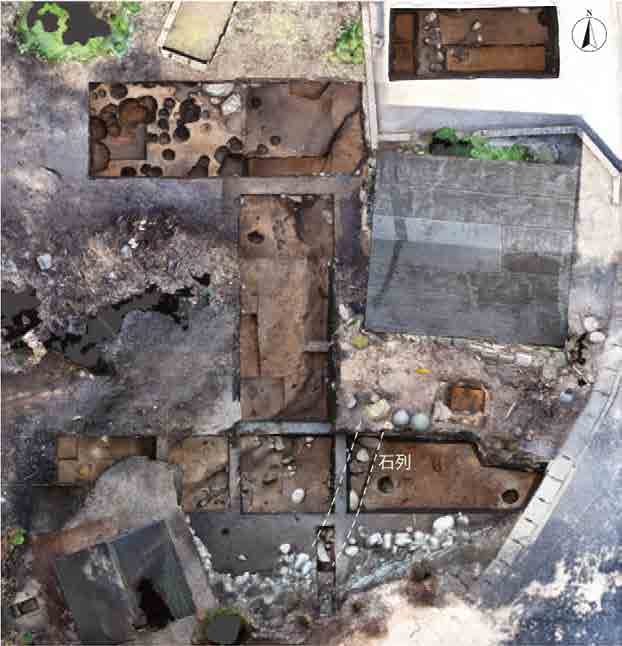
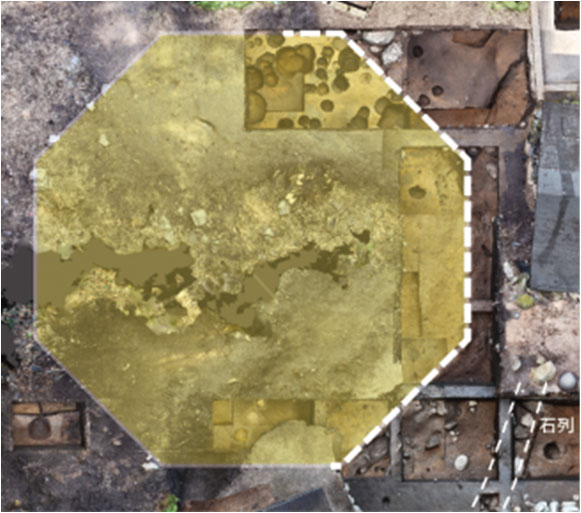
When the research team re-examined a leveled ground area they had previously identified in a section of the settlement, they noticed a striking architectural layout. The shape and dimensions of the area indicated that an octagonal structure may have stood there.
According to an official press release from the university dated October 27, 2026, the distance between opposite corners of the structure’s upper section reaches approximately 8.9 meters. Researchers calculated that each side was about 3.4 meters, while the wider lower section may have reached 10–11 meters.
Rows of stones or stone masonry may have been found around the foundation. The team also identified traces of burnt earth near the structure. However, since the superstructure of the building has not survived to the present day, researchers have not yet been able to finalize its architectural form or purpose.
Octagonal Architecture and a Possible Sacred Structure
The most interesting feature of the octagonal structure is its similarity to the religious architectural traditions of East Asia. In Japan and China, Buddhist pagodas and certain religious halls were specifically built with octagonal plans.
Nakazono and his team believe the foundation at Ōsato may have supported a pagoda, a religious hall, or another sacred building. This interpretation is supported by the building’s location in a religiously significant area to the south of the settlement and the presence of roof tiles characteristic of China’s Southern Song Dynasty around it.
The octagonal nine-story pagoda of the Hōshō-ji Temple in Kyoto and the octagonal three-story pagoda of the Anraku-ji Temple in Nagano are among the architectural examples the researchers considered. Similar structures in China also help them understand the use of octagonal plans within different religious traditions.
The similarities suggest that Ōsato may once have housed a religious building inspired by architectural traditions found elsewhere in East Asia. Its original appearance remains uncertain, but the unusual octagonal foundation offers an important clue to the kinds of structures that stood on this remote Japanese island 900 years ago.
The Secret of the Roof Tiles from China
Another detail that makes the octagonal structure at Ōsato significant is the origin of the surrounding roof tiles. Researchers have known for years that these specific tiles were brought to Japan from China, but architectural evidence explaining which buildings they were used in remained very limited.
Kuroshima is the southernmost location in Japan where Southern Song-type roof tiles have been found. Similar examples appeared in Hakata—one of the primary centers of maritime trade between China and Japan in the Middle Ages—and other regions of Kyushu.
In 2015, Nakazono and his colleagues identified tiles produced from the same molds as those in Japan in the city of Ningbo, China. Chemical analyses confirmed that these were produced in Ningbo. Thus, researchers obtained strong evidence showing that these building materials reached Japan after a sea voyage of approximately 1,000 kilometers.
The new foundation at Ōsato suggests that these tiles may have been used on the roof of a religious building. This possibility implies that not only building materials but also architectural traditions may have been transferred from China to Japan.
The Unexpected Importance of a Small Island
The location of Kuroshima also interests researchers. The island is situated on the sea routes in southwestern Japan, and imported ceramics unearthed from Ōsato bear traces of a vast trade network.
The neighboring island of Iōjima was known in the Middle Ages for its sulfur sources, one of the important raw materials exported to China. Researchers therefore evaluate that Kuroshima may have played a role in maritime transport between Kyushu, Hakata, and more distant regions.
However, it is not yet known whether Chinese ships stopped directly at the island. The discovery of the octagonal foundation suggests that the settlement may have been connected not only to economic activities but also to religious and cultural relations.
Research at Ōsato shows that small islands far from Japan’s major port cities could also house significant structures during the Middle Ages. While archaeologists do not yet know what kind of building the octagonal foundation supported, the roof tiles from China and the unusual plan of the structure reveal that the history of Kuroshima is more complex than previously known.
