
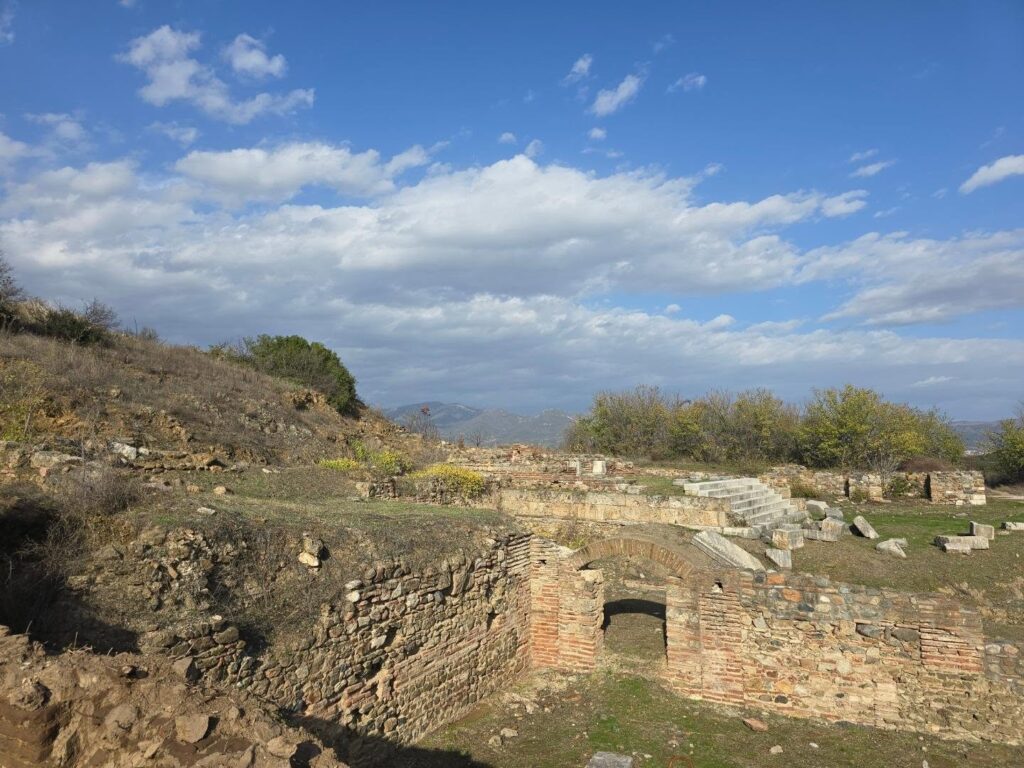
Excavations at the ancient city of Isar–Marvinci in North Macedonia have uncovered a large Roman pool lined with more than eight different types of marble, along with a well-preserved heating system beneath it. Located approximately seven meters below ground level, these architectural remains reveal previously unknown details about the public buildings and water infrastructure of the city during the Roman period.
The National Museum of Archaeology of North Macedonia, which is conducting the excavations near Valandovo, focused on the city’s public bath complex during the 2026 season. The team, led by senior curator Jane Klekovski, identified the large pool as well as coins from various periods, marble sculptures, and an inscribed monument.
Preserved Heating System Beneath the Marble-Lined Pool
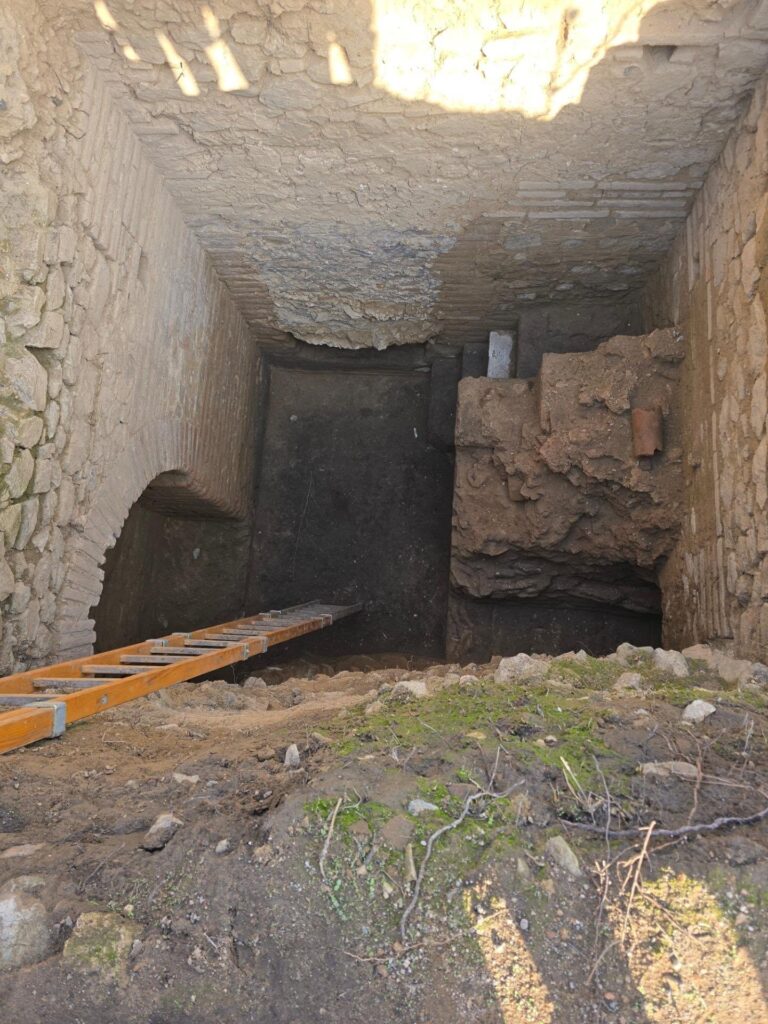
Archaeologists uncovered a monumental pool in the public bath at Isar–Marvinci measuring over 4.5 meters in length, more than 2.5 meters in width, and over 1.5 meters in depth. The interior surfaces of the pool are lined with more than eight different types of marble. This architectural feature indicates that the structure was designed not only as a functional washing area but also as a meticulously crafted public space.
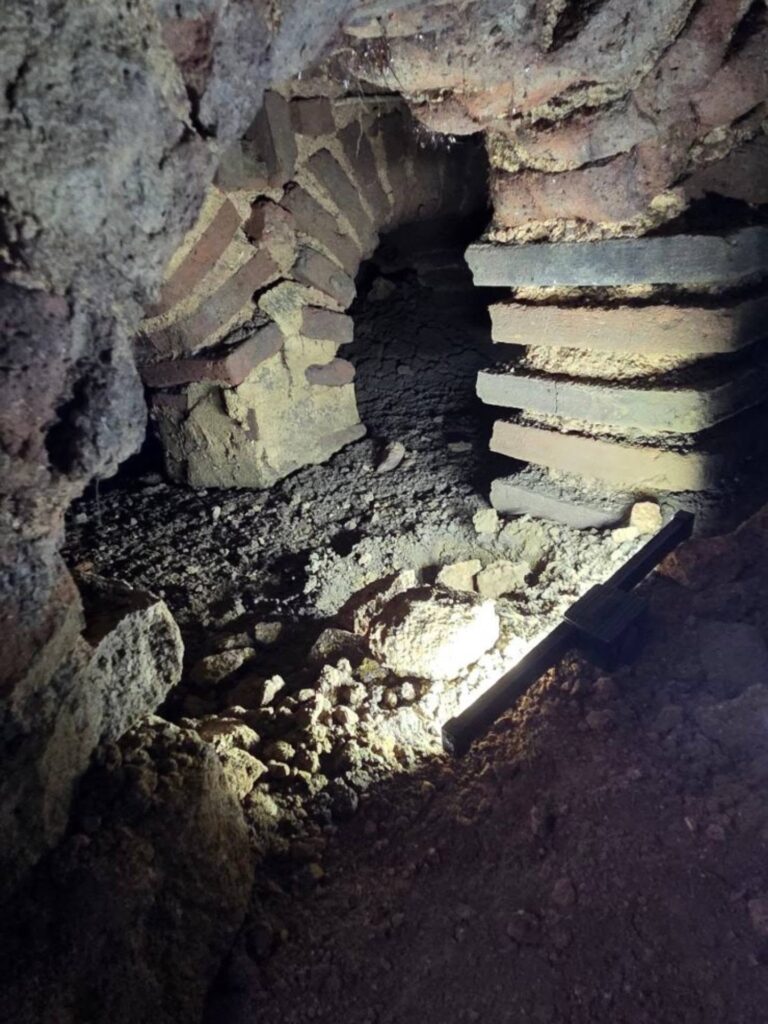
The most technically significant part of the discovery is the well-preserved hypocaust heating system beneath the pool. A characteristic element of Roman bath architecture, the hypocaust operated by circulating hot air produced in a furnace (praefurnium) through voids under the flooring. This allowed the floors and hot sections of the bath to be heated, creating suitable conditions for bathing in warm water.
According to a statement from the National Museum of Archaeology of North Macedonia, the mechanism at Isar–Marvinci consists of a special furnace and a system that provides hot air circulation under the pool. Researchers state that a significant portion of this mechanism remains intact. However, since the detailed architectural plan of the structure has not yet been published, it is not yet possible to provide a definitive identification of the hypocaust’s supporting elements and the layout of the hot air channels.
The bath complex, located approximately seven meters below current ground level, is also connected to the ancient city’s water cistern. The simultaneous preservation of the pool’s heating system and water infrastructure provides researchers with important data for examining the technical operation of public baths in the Roman period and their relationship with urban infrastructure.
Silver Coin, Marble Bust, and Inscription from the Ancient City
In addition to the architectural remains, the excavation team found numerous portable artifacts from different eras. Among these, a silver coin dating to 500–480 BC, associated with the community known as the Ichnaeans, stands out.
Bronze coins from the Hellenistic and Roman periods are among other finds that document the city’s long-term economic relations. Researchers also identified a marble bust depicting a military commander, sculpture fragments, and architectural decorations.
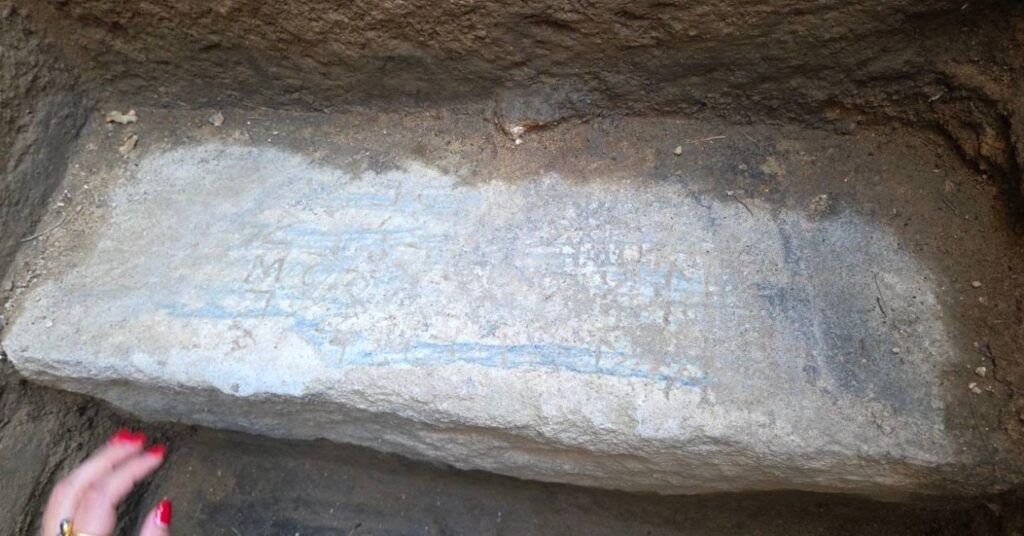
One of the finds is a blue marble monument featuring a votive inscription. A detailed analysis of the inscription has not yet been shared; therefore, it is not possible to make a definitive assessment of for whom or for what purpose the monument was created.
The newly discovered artifacts do not all belong to the same period. In particular, the silver coin dating to the beginning of the 5th century BC represents a historical period centuries prior to the Roman bath.
An Ancient City Whose Name Is Not Yet Confirmed
Isar–Marvinci is located on a height overlooking the Valandovo Plain and the Vardar River valley in southeastern North Macedonia. Its location provided significant advantages for controlling the transportation and trade routes passing through the region.
Archaeological findings indicate that settlement in the area dates back to the Late Bronze Age, approximately 1200 BC. Iron Age cemeteries, Hellenistic period structures, and Roman architecture document the transformations the settlement underwent over the centuries.
However, the exact name of the ancient city remains a subject of debate. Researchers believe the settlement could be either Idomene or Dober, both of which are mentioned in ancient sources. A Greek-inscribed milestone found in 1984 provides information regarding the distance between these two cities, but it does not definitively establish which one Isar–Marvinci is.
During the Roman period, the settlement expanded toward the foothills of the hill. Intense construction occurred particularly in the 2nd and 3rd centuries AD. In later periods, some parts of the city were reorganized due to increased defense needs.
Previous research had revealed the presence of temples, public buildings, walls, and a large necropolis in the settlement. An old inscription regarding the city’s water infrastructure also records that the main water supply system was commissioned by a benefactor.
Previous Excavations Show the Changing History of the Settlement
Systematic excavations at Isar–Marvinci show that structures from different periods succeeded one another in the same area. In 2023, research by the National Museum found defense structures dating to the 4th century AD in the area where the Roman necropolis is located.
This discovery suggested that the city changed its defensive arrangement during the Late Antique period. Researchers believe that areas previously used as cemeteries may have been repurposed for military purposes in subsequent centuries.
The museum’s 2025 excavations focused on seven graves in the Roman necropolis. The fact that three of the graves remained undisturbed provided important data for examining the burial traditions and grave gifts of the period.
The marble-lined pool and heating system uncovered in the 2026 season add a new dimension to this long history of research. In particular, the preserved architecture of the structure and its connection to the cistern allow for a detailed examination of the technical infrastructure of public life during the Roman period.
The National Museum of Archaeology announced that work on the bath complex will continue in 2027 as part of the annual program of the Ministry of Culture and Tourism.
