
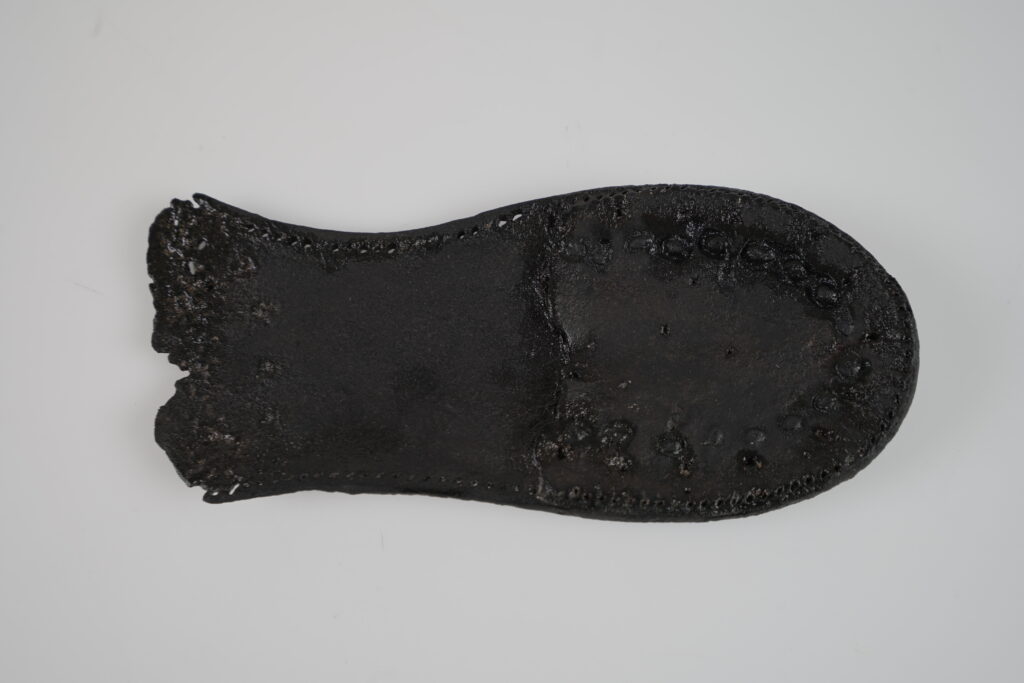
A luxury leather shoe that may have belonged to Danish colonial governor Jørgen Iversen Dyppel, who was thrown overboard and killed during a shipboard mutiny in the English Channel in 1683, has been discovered in a 343-year-old shipwreck off the coast of Sweden. Underwater archaeologists also recovered metal currency rings used in the transatlantic slave trade from the same wreck. The discoveries shed new light on a violent voyage linked to Denmark’s colonial activities in the Caribbean.
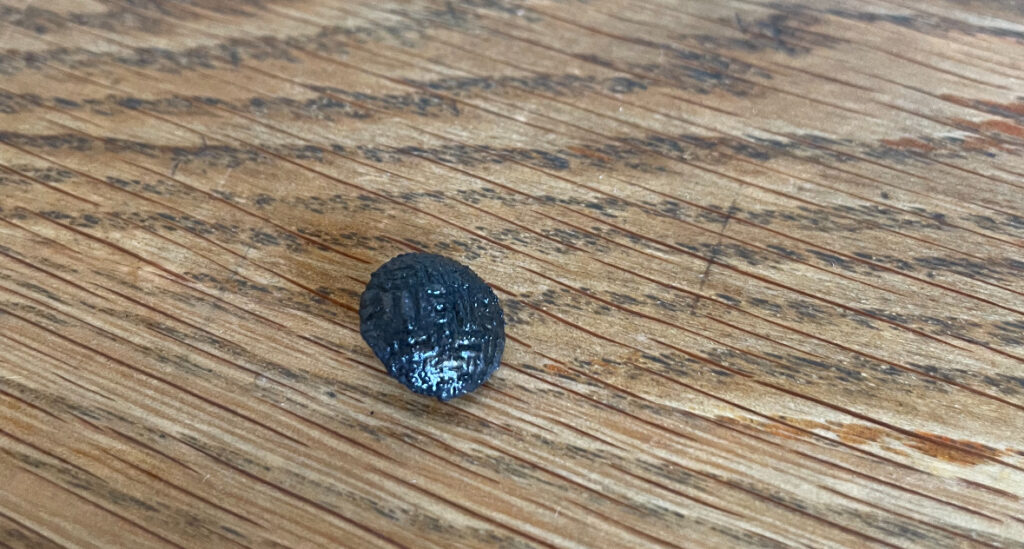
The NJORD Center for Maritime and Underwater Cultural Heritage of the National Museum of Denmark and the Bohusläns Museum in Sweden examined the wreck of the Havmanden, found off the coast of Gothenburg. According to a statement from the National Museum dated November 11, 2026, researchers found an embroidered button that may have belonged to a high-status passenger, in addition to the shoe and the metal rings.
Mutiny in the English Channel and the Murder of the Governor
When the Havmanden departed Copenhagen in 1683, it was carrying prisoners to be sent to Denmark’s colony of Saint Thomas in the Caribbean. Among the passengers was Jørgen Iversen Dyppel, the island’s first Danish governor, who was preparing to cross the Atlantic to resume his duties in the colony he had previously governed.
However, a mutiny during the voyage changed the ship’s fate. The mutineers seized control of the Havmanden and killed Dyppel by throwing him into the English Channel. They then diverted the ship toward the Azores, where some of the people on board were put ashore.
The Havmanden later continued its journey northward but sank upon reaching the Swedish archipelagos near Gothenburg. Thus, the chain of events that began with the governor’s death ended with the ship resting on the seabed. Archaeologists are now examining the personal belongings remaining from this dramatic journey.
Luxury Shoe May Belong to the Murdered Governor
Only the rear half of the sole of the leather shoe found by researchers has survived to the present day. Despite this, the preserved section contains remarkable details of 17th-century elite shoemaking. Experts noted that the regular stitching holes made at extremely small intervals along the edge of the sole required superior craftsmanship.
Vivi Lena Andersen, Director of the Rudersdal Museums and an expert in historical footwear, pointed to the quality of the leather used and the precision of the stitching holes. Creating such fine holes required specialized tools and the skill of an experienced master. Andersen assesses that the shoe was an expensive product affordable only to the wealthy segments of society.
These characteristics led researchers to Dyppel, one of the ship’s high-status passengers. As governor, Dyppel was among the few people on the Havmanden with the economic and social standing to purchase such a shoe. However, since there is no marking on the shoe to identify its owner, the connection to Dyppel remains a hypothesis.
Andreas Kallmeyer Bloch, a marine archaeologist from the National Museum of Denmark, states that if the shoe does belong to the governor, the find would gain significant importance for both Dyppel’s personal story and Denmark’s colonial history in the West Indies.
Metal Payment Rings of the Slave Trade
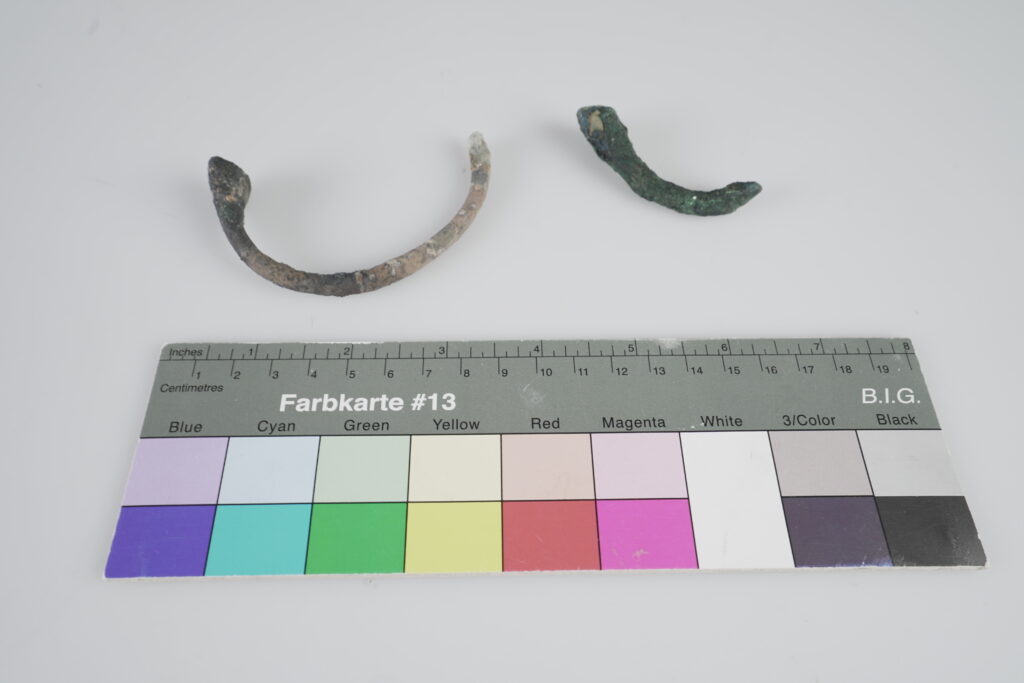
Archaeologists also found two ring-shaped metal objects called manillas in the wreck. European traders used these rings as a means of payment for the trade of enslaved people in West Africa. The discovery is particularly significant as manilla examples are rarely found in Scandinavian archaeological sites.
These two objects demonstrate the Havmanden’s connection to the colonial trade system established by Denmark between West Africa and the Caribbean. However, the presence of the rings does not alone prove that the ship carried enslaved Africans on its final voyage. The museum’s historical account specifies that the ship departed Copenhagen with prisoners bound for Saint Thomas.
Among the finds is also a carefully crafted button. Researchers believe the button may have belonged to a high-ranking or wealthy individual on the ship. When considered together, the shoe and the button create a new set of materials for investigating the social differences among the ship’s passengers.
Wood Analysis Sheds Light on the Ship’s Past
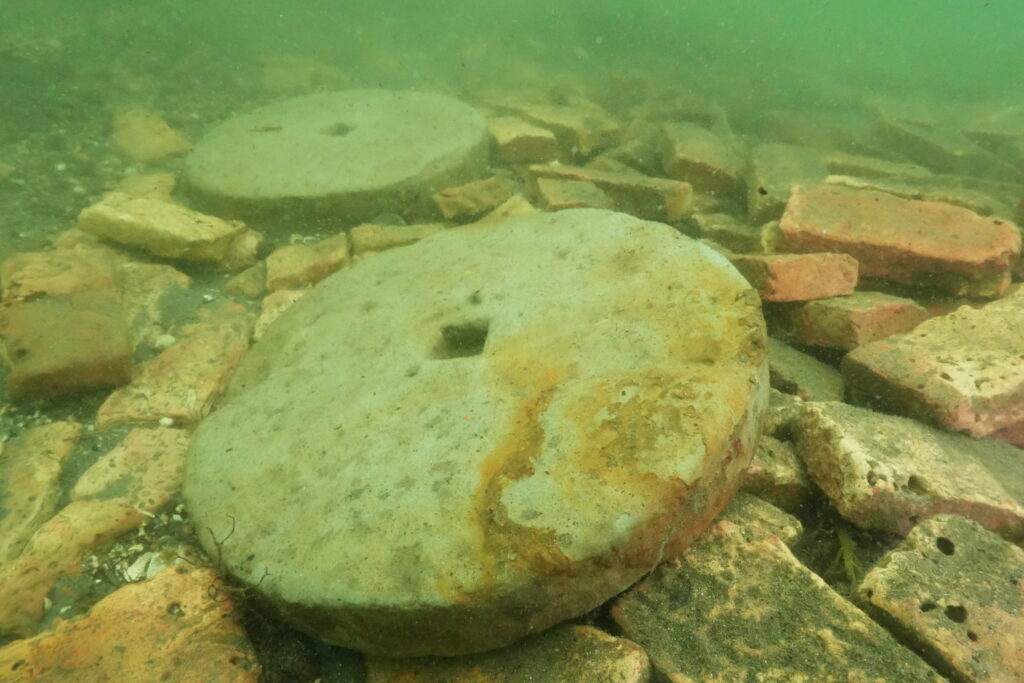
Alongside personal belongings, Danish and Swedish archaeologists focused on the ship’s structure. By examining samples from the hull timbers using dendrochronological methods, the team determined that the trees were felled around 1664 or shortly thereafter. The results indicate that the wood may have come from Northern Germany or the area around Southern Jutland.
Researchers also took measures to preserve the wreck. To reduce erosion caused by ocean currents, they covered the remains with geotextile materials. This helps protect the ship’s wooden structure and the archaeological traces on the seabed that have yet to be examined.
The investigation of the Havmanden brings together two different historical realities in a single ship: the story of a colonial governor murdered during a mutiny and the payment tools used in Europe’s Atlantic slave trade. While the owner of the shoe remains unknown, these new finds provide an opportunity to examine the people, trade connections, and material culture of this voyage that ended in 1683 in greater detail.
Nationalmuseet (National Museum of Denmark)
