
Latest Archaeology News · 25 May 2022

25 Qing Dynasty tombs found in China’s Hunan

25 graves dating from the Qing Dynasty (A.D. 1644–1912) have been uncovered in the Houbeishan tomb complex in southern China, according to Xinhua.

Archaeologists the burials are thought to represent the remains of a family group, with a husband and wife buried in adjacent tombs.

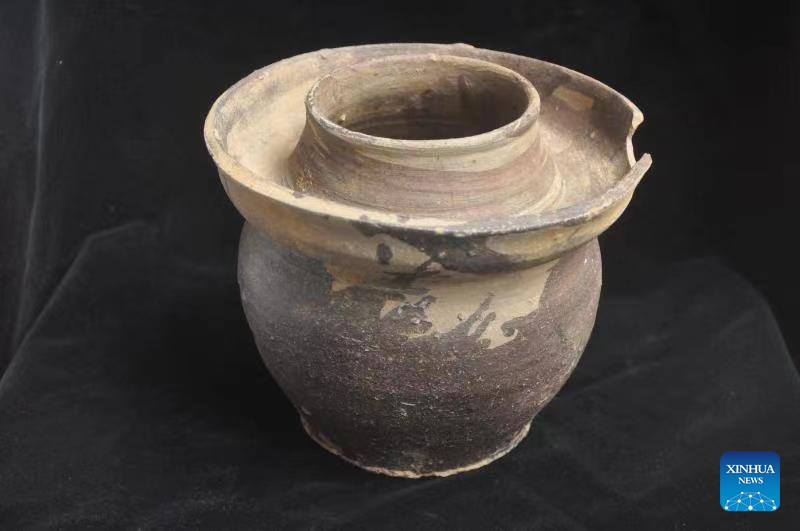
Li Yiyuan and his colleagues at the Hunan Province Cultural Relics and Archaeology Research Institute have recovered more than 60 artifacts, including jars and bowls made of porcelain, and hairpins and knives made of copper.
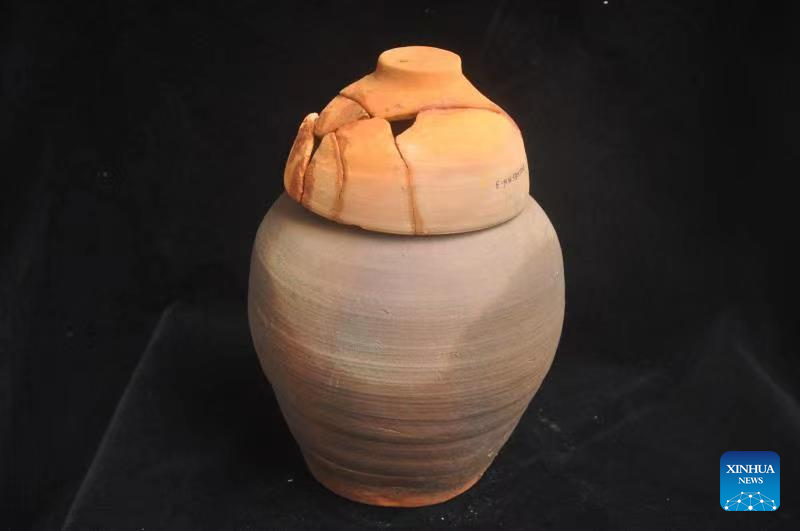
File photo shows a cultural relic unearthed at the Houbeishan tomb complex in the city of Yongzhou, central China's Hunan Province.
File photo shows a cultural relic unearthed at the Houbeishan tomb complex in the city of Yongzhou, central China’s Hunan Province.

Food residue was discovered inside some of these porcelain jars, known locally as “food jars.” Experts said there was a native burial ritual of preserving food in graves, which is still practiced today.

New · Official Arkeonews App

Arkeonews
Now in Your Pocket

The latest archaeology news, discoveries, ancient civilizations and cultural heritage stories, wherever you go.

Get it on Google Play

Researcher Li Yiyuan said, “The discovery of the tombs provides new archaeological materials for understanding the funeral customs and local history and culture in southern China during the Qing Dynasty,”
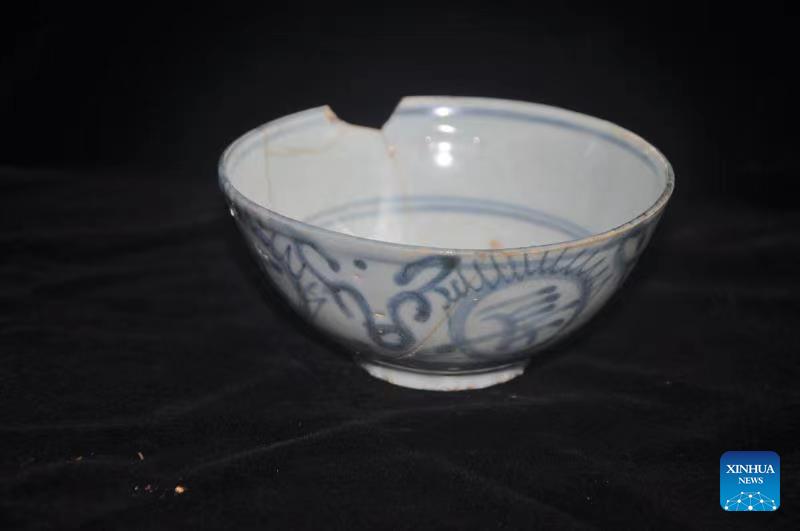
File photo shows a porcelain bowl unearthed at the Houbeishan tomb complex in the city of Yongzhou, central China's Hunan Province.
File photo shows a porcelain bowl unearthed at the Houbeishan tomb complex in the city of Yongzhou, central China’s Hunan Province.

Hunan provincial cultural relics and archaeology research institute/Handout via Xinhua.

Written by Kayra Buyukyildirim

Kayra Buyukyildirim is a developer and webmaster of Arkeonews with 3 years of hands-on experience, including work on AI projects, and has been covering AI and archaeology for Arkeonews.