
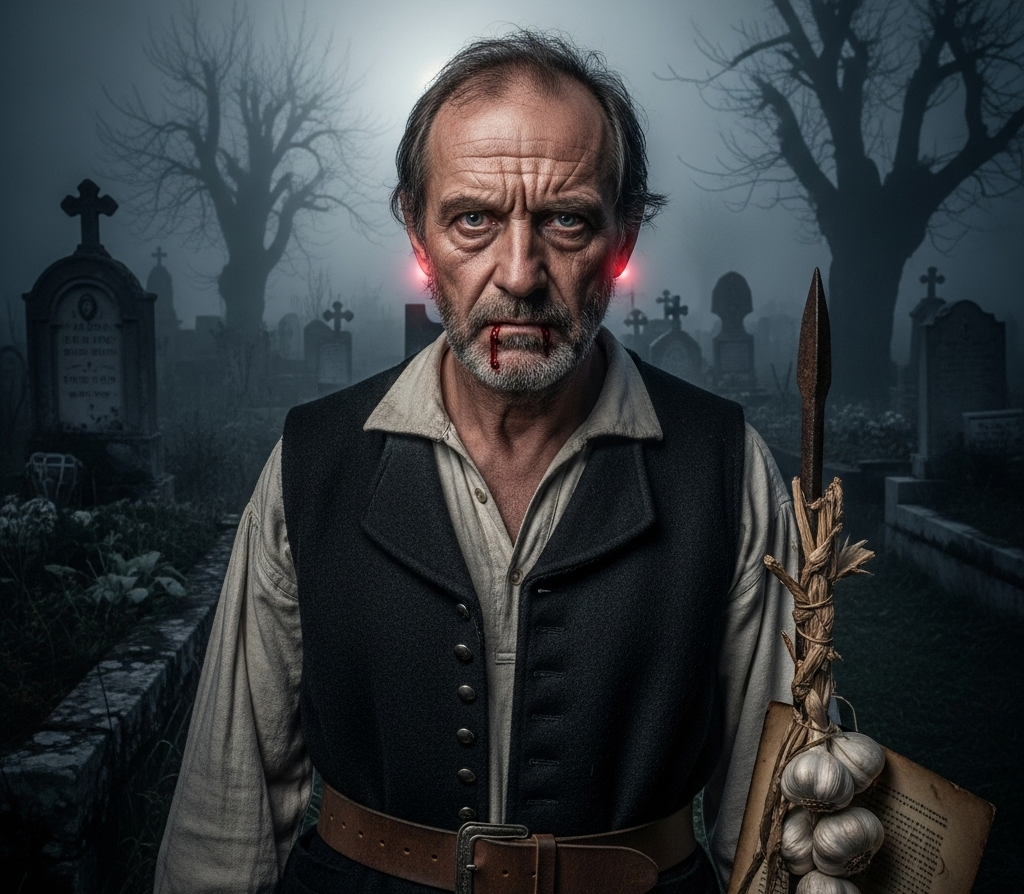
Picture a quiet Balkan village at dusk: the sun dips behind dense forests, mist curls around forgotten gravestones, and the silence is broken only by the rustle of the wind through crooked trees. It’s here, in this eerily beautiful corner of Serbia, that the world’s first documented vampire may have once walked among the living.
Long before Transylvania and Count Dracula became global symbols of vampirism, the chilling tale of Petar Blagojević terrified a real village—and was reported in official newspapers of the time. Nearly 300 years later, the story still lingers in whispers, old rituals, and unopened bottles of garlic-infused brandy.
This isn’t fiction. It’s one of Europe’s oldest vampire legends, and it begins not in gothic novels, but in the humble earth of Kisiljevo.
The Origins of a Blood-Chilling Legend
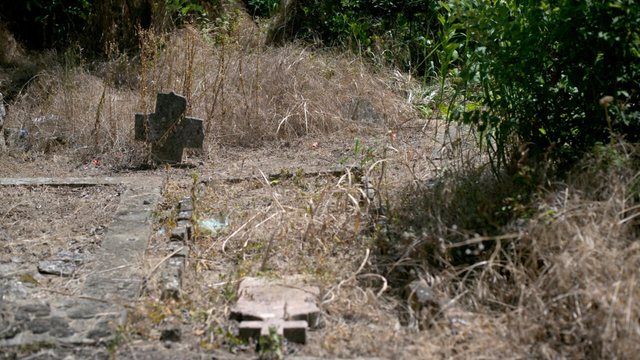
In the sweltering summer of 1725, villagers began dying under strange circumstances shortly after the death of a local man named Petar Blagojević. Whispers spread through the community that he had returned from the grave—feeding on the blood of the living.
Driven by fear, villagers reportedly exhumed Blagojević’s body. To their horror, they found it remarkably well-preserved, with fresh blood flowing from his mouth and ears—a chilling sign that he had not rested in peace.
“Petar Blagojević was found completely unharmed,” recalls Mirko Bogicevic, a former village leader and descendant of one of Kisiljevo’s oldest families. “Fresh blood was flowing from his mouth and ears.”
The villagers acted quickly. They drove a stake through Blagojević’s heart, a method now etched into vampire folklore.
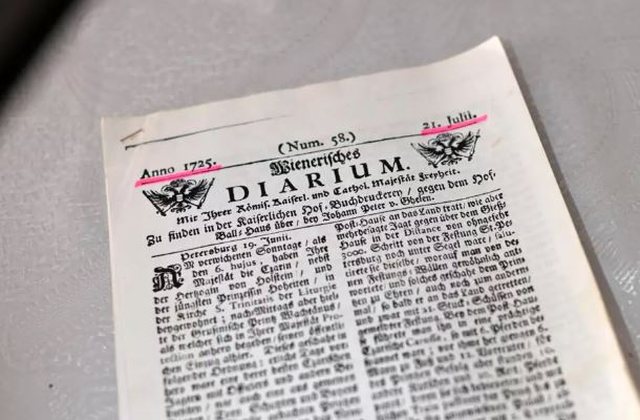
This case was so shocking that it was documented in the Austrian newspaper Wienerisches Diarium on July 21, 1725—making it the first known written account of vampirism in Europe.
A Linguistic Mix-up or Real Horror?
Some historians believe that what happened in Kisiljevo may have been a case of linguistic confusion combined with the effects of disease and superstition.
“In Bulgarian, the word Upior means ‘bad person’,” explains Clemens Ruthner, head of European Studies at Trinity College Dublin. “I believe the locals used this term, and the Austrian doctors mistranslated it as vampire.”
Ruthner and other researchers suggest the deaths were more likely caused by heatstroke or infectious disease, worsened by the high summer temperatures.
But local historian Nenad Mihajlović remains convinced that something out of the ordinary happened.
“We have complete documentation of a very special event,” says the 68-year-old professor. “It’s a case officially recorded as vampirism. I personally believe in the veracity of that report.”
Legends That Still Linger
Though the village remains quiet and largely untouched by mass tourism, some families still keep bottles of rakija (local brandy) mixed with garlic and chili pepper—a traditional Balkan ward against evil spirits.
There’s growing hope among locals and tourism officials that Kisiljevo’s vampire lore could become a draw for travelers seeking eerie, authentic folklore.
“Our region is rich in myths and legends,” says Dajana Stojanovic, director of the regional tourism office. “Not only the story of Petar Blagojević, but also Vlach magic, folk rituals, and unique village traditions.”
Ancient Beliefs That Still Linger: Vampires & Vlach Magic
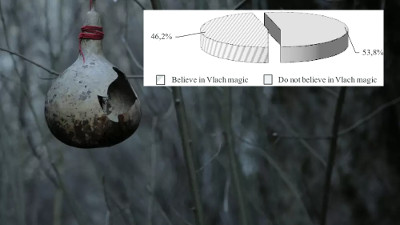
Although science offers rational explanations, the folklore of eastern Serbia remains rich with supernatural beliefs—particularly those of the Vlach minority, a traditionally nomadic people whose mystical practices still echo through the region.
Vlach magic, also called Vlaška magija, is a complex blend of pagan rituals, ancestral worship, and protective spells—often performed by local “babas” (elderly women believed to have spiritual power). It’s feared and respected, even today.
“Some say that Vlach witches could curse, heal, or even protect people from vampires,” says Stojanovic. “The use of garlic, red thread, and salt in doorways is part of these rituals.”
This ancient magic is passed down orally, often in secret, and is strongly tied to nature, lunar cycles, and spirits of the dead. Rituals may include binding spells, cleansing fires, and dream-divination, particularly on nights like St. George’s Eve or during eclipses—times when, locals believe, the boundary between the living and the dead is thinnest.
Even today, bottles of rakija infused with garlic and hot peppers are kept in homes—not just as a tradition, but as a magical ward against evil.
The Birthplace of Vampires?
While Transylvania may hold the pop-culture crown, many scholars and locals argue that Kisiljevo is the true birthplace of vampire legend. Its story predates Dracula by over 150 years, and the original documentation still survives.
What began as a terrifying event in 1725 may now offer hope to a small village looking to reclaim its place in history.
“He was probably just an ordinary man,” says Bogicevic, “who had the good fortune—or misfortune—to become a vampire.”
Can Folklore Revive Kisiljevo?
Though the village remains mostly untouched by tourists, locals hope that Kisiljevo’s vampire and Vlach legends could turn the area into a destination for history lovers and paranormal enthusiasts alike.
“Our region is full of stories,” says Dajana Stojanovic, director of the local tourism office. “It’s not just Blagojević. We have the Vlach witches, sacred trees, healing springs—every village has its own magic.”
Final Thoughts: Where Myth Meets Magic
Vampires or not, Serbia—and the Balkans as a whole—offer far more than just chilling legends. From mist-covered mountains and ancient forests to folklore-rich villages like Kisiljevo, this region is a hidden gem for travelers seeking both beauty and mystery.
Whether you come in search of ancient magic, forgotten history, or just a glass of rakija under the stars, the Balkans promise an unforgettable journey. Because sometimes, the best stories aren’t in books—they’re whispered through the winds of old villages.
So pack your curiosity, and maybe a clove of garlic… and discover the most enchanting corners of Eastern Europe.
Cover Image Credit: This cover image was created using artificial intelligence (AI) tools.
