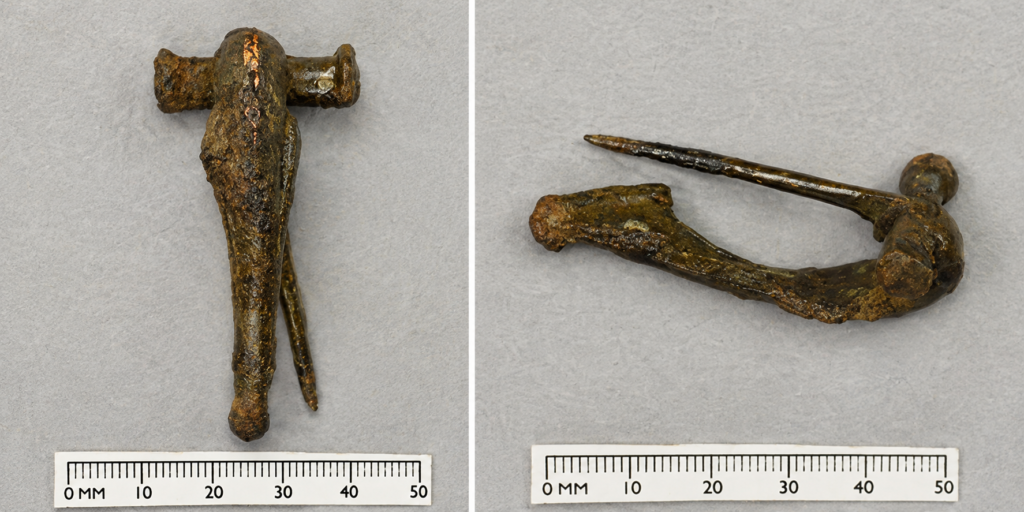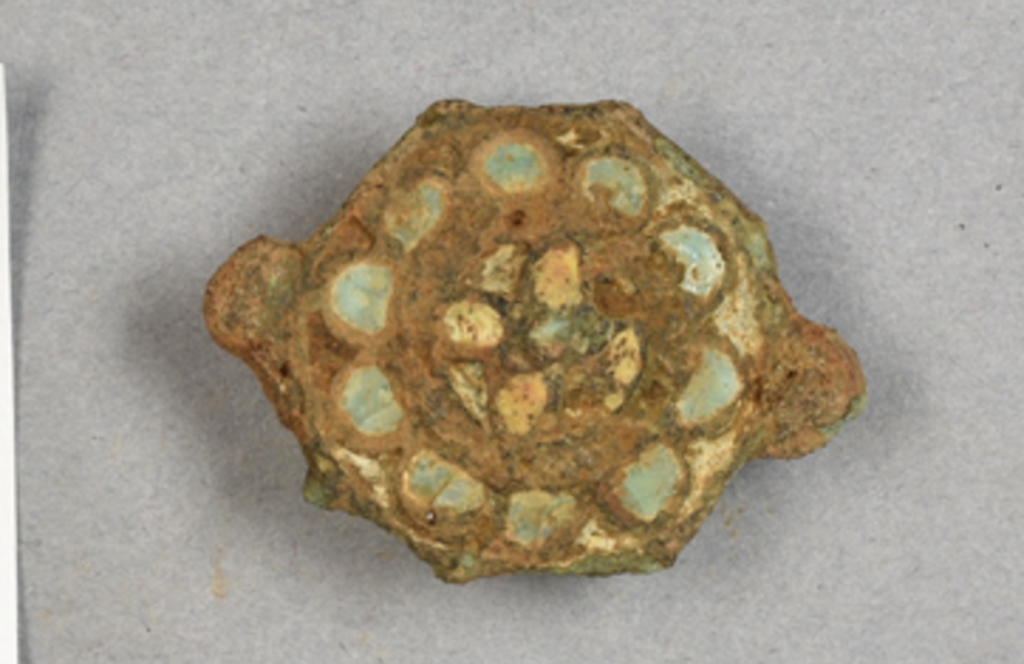
Despite its proximity to one of the largest Roman legionary fortresses in Britain, evidence of Roman-era settlements in the Flintshire region of northeast Wales has remained remarkably limited. However, archaeological excavations in the village of Mancot have uncovered a settlement that could reshape this historical narrative. The approximately 2,000-year-old site has revealed dwellings, drainage systems, evidence of metalworking activities, and a significant number of ornate fibulae (brooches).
Heneb, the archaeology foundation of Wales, conducted the research prior to a construction project involving 300 homes. The results of the excavations, carried out in December 2025, were shared with the public on November 9, 2026.
Near a Major Military Center of Roman Britain
Mancot is located near Chester, known in the Roman period as Deva Victrix. Established in the 70s AD, the fortress first hosted the Legio II Adiutrix and later the Legio XX Valeria Victrix. Covering an area of approximately 25 hectares, Deva was one of the largest Roman legionary fortresses in Britain.
Its strategic location on the River Dee made Chester a vital hub for trade and transportation as well as military operations. Throughout the Roman occupation, civilian settlements and production activities flourished around the fortress. In contrast, archaeological evidence from the Roman period remained scarce for a long time in the Flintshire lands on the Welsh side of the river.
Consequently, some areas surrounding Chester were previously regarded as largely undeveloped rural regions. The discovery at Mancot necessitates a re-evaluation of this interpretation.
Housing and Production Side by Side
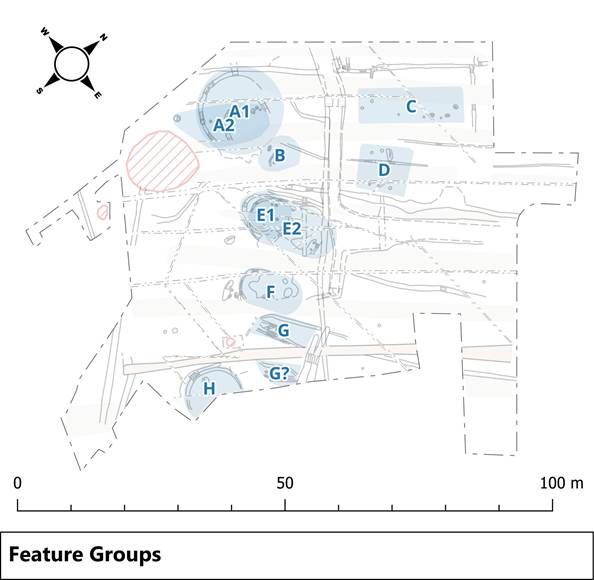
Archaeologists determined that the settlement spanned an area organized with plot boundaries and drainage channels. Some of the early wooden structures may date back to the late Iron Age. By the 3rd century AD, these were replaced by elongated, semi-rectangular buildings.
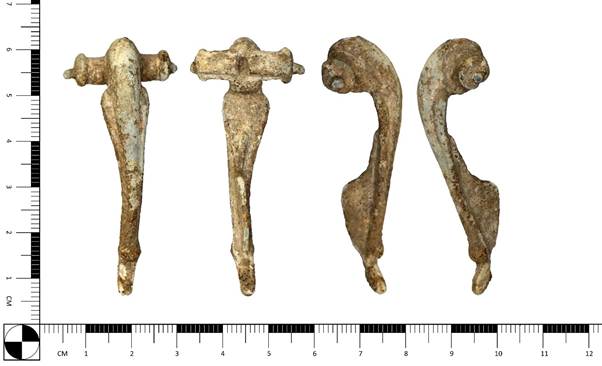
One of the most striking results of the excavations was the discovery of numerous Roman-era metal artifacts. In particular, the fibulae and the casting molds used in their production indicate that specialized artisans were active within the settlement.
Fibulae, featuring colorful enamel decorations, were functional objects used to fasten garments during the Roman period, while also serving as important personal ornaments. The various types found suggest that multiple models may have been produced at the site.
Researchers believe that this production may have met both the needs of the local community and been part of a broader economic network linked to Chester. However, the scale of production and the identity of the workshop’s clients have not yet been finalized.
Re-evaluating Roman-Era Northeast Wales
According to Heneb, the settlement at Mancot provides new evidence that should be considered alongside other Romano-British settlements identified in northeast Wales in recent years. The findings suggest that the region may have possessed a more complex and interconnected settlement network during the Roman period.
It is estimated that the settlement continues westward, beneath the area known today as Big Mancot. Therefore, the area examined by archaeologists may represent only a portion of the ancient settlement.
Conservation and detailed analysis of the finds are ongoing. Following these examinations, the artifacts will be transferred to the Flintshire Museum Services collection, with plans for future public exhibition.
The Mancot discovery demonstrates that small production communities surrounding military centers may have played as significant a role in the region’s economic history as the major military hubs of Roman Britain.