
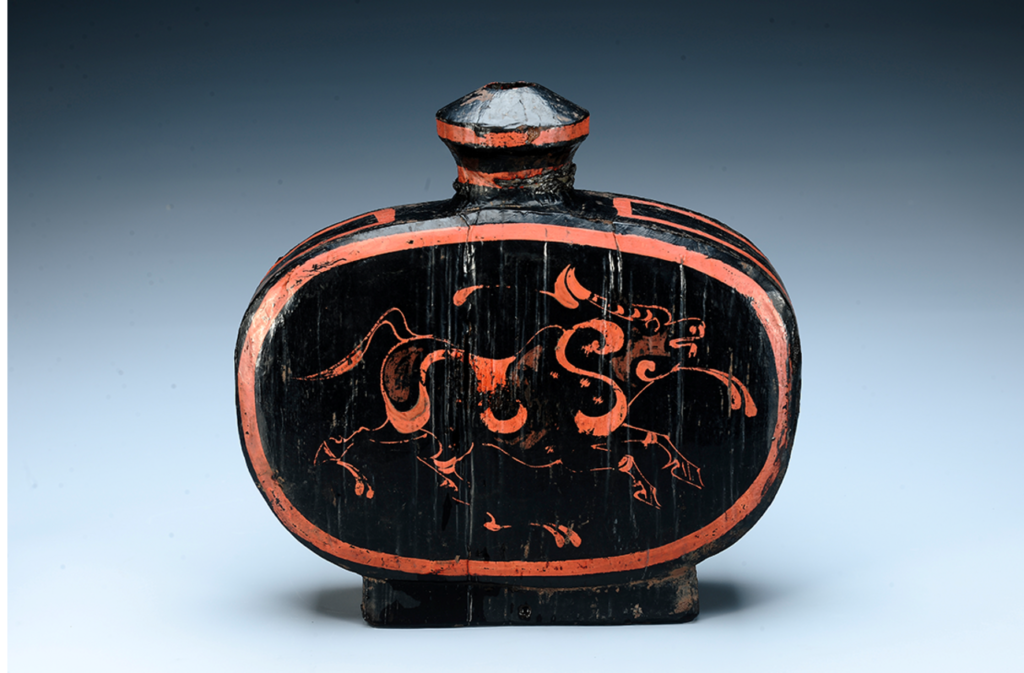
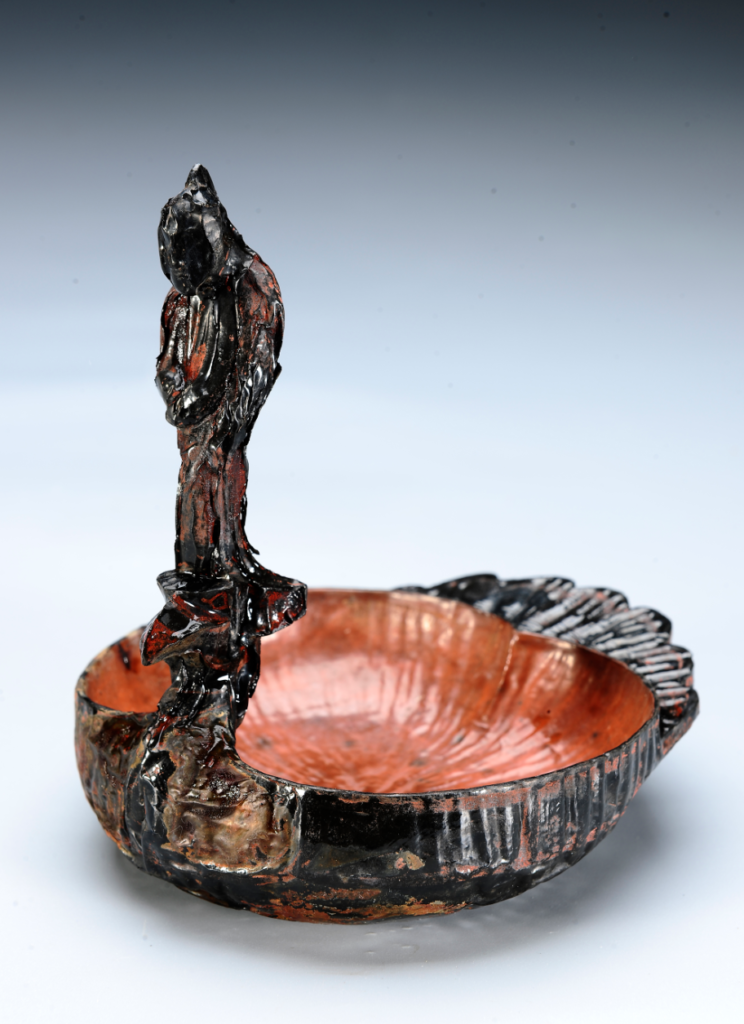
Archaeologists have uncovered 113 ancient tombs, 622 inscribed bamboo and wooden slips, and remarkably preserved lacquerware at the Laohudun cemetery in China’s Hubei Province. Among the findings, which date back approximately 2,200 years, are a spoon designed in the shape of a human and a phoenix, colorful tomb paintings, and records concerning the military administration of the Qin Empire. Researchers also detected preserved human brain tissue in one of the tombs.
The discovery, announced by the National Cultural Heritage Administration of China on November 18, provides new insights into the Qin Dynasty (221–206 BC) and the early Han period. The written documents cover a wide range of topics, from the state’s military organization and moral exhortations for women to practices against diseases and details of daily life.
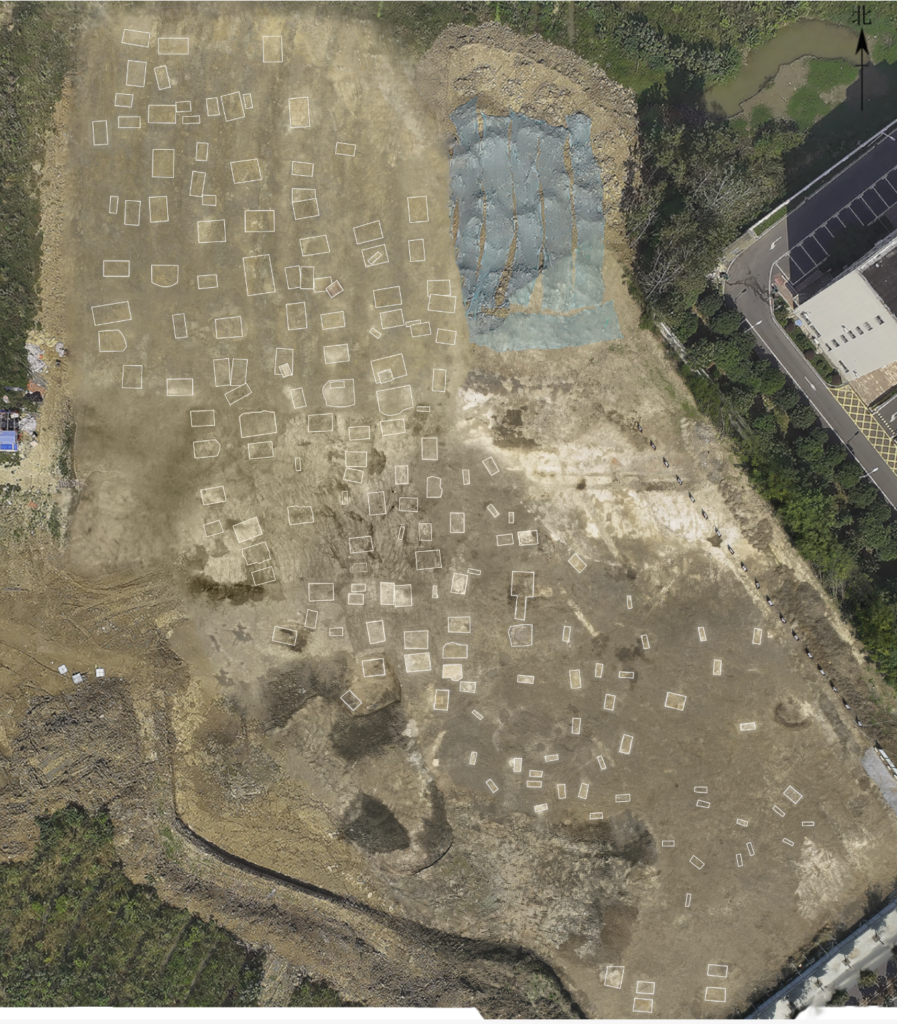
113 Ancient Tombs Preserved by Water
The Laohudun cemetery is located in Yunmeng County, Hubei Province, approximately 2.8 kilometers east of the Shuihudi cemetery, where significant Qin-period documents were previously found. Excavations carried out by the Hubei Institute of Archaeology and the Yunmeng County Museum investigated 113 tombs spanning from the Late Warring States period to the early Western Han period. Forty of these consisted of burial structures that remained water-saturated for a long time.
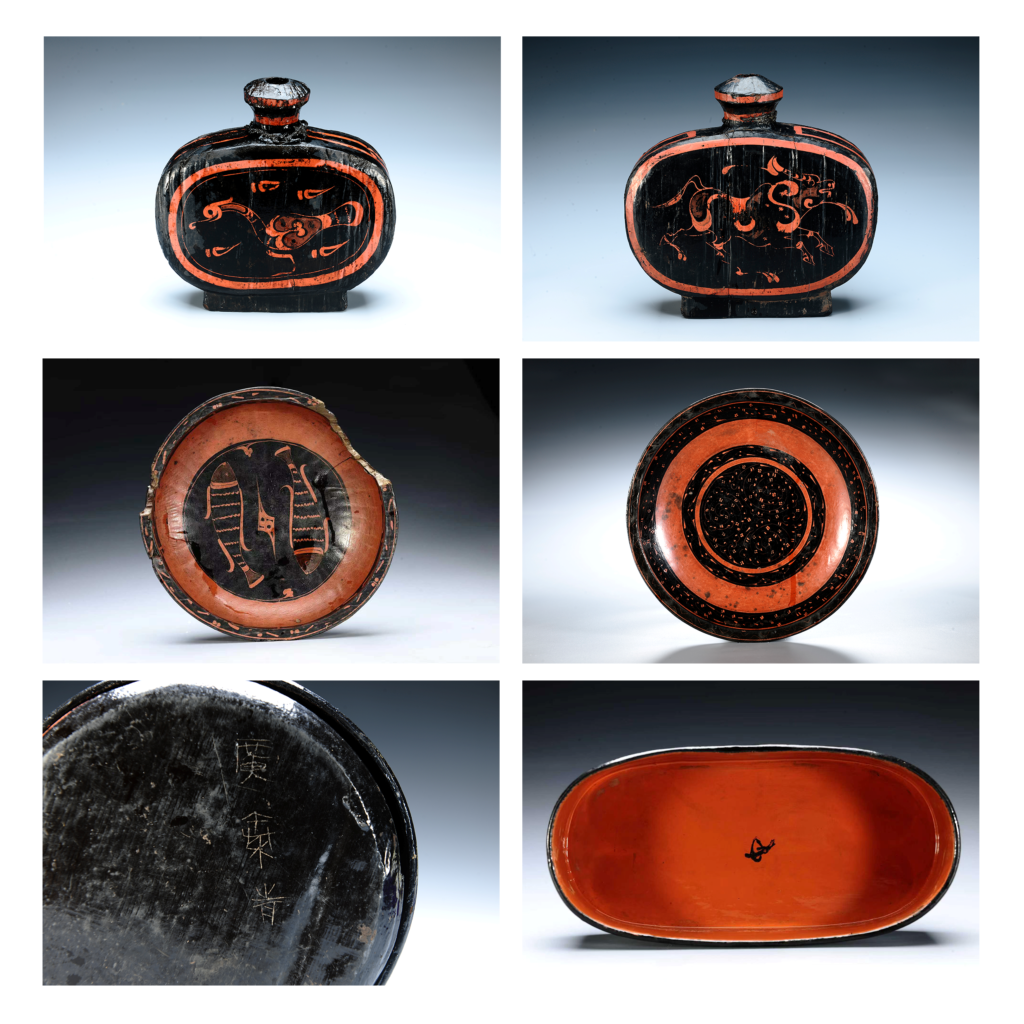
The oxygen-limited environment in the tombs helped preserve wood, bamboo, and other organic materials that would normally decay. Archaeologists documented more than 1,200 grave goods, over 600 of which are lacquer wooden artifacts. The finds include drinking vessels, round boxes, flasks, measuring cups, jade objects, and silk remnants.
About half of the tombs are oriented to the west, and the deceased were mostly buried on their backs with legs extended. While some burials used a single coffin, others preferred a two-layered wooden arrangement consisting of an inner and outer coffin. These differences provide an opportunity to compare the funeral traditions and tomb architecture of the period.
A Lacquer Spoon Combining Human and Phoenix Motifs
One of the most remarkable artifacts from the excavation is a lacquer spoon recovered from tomb M105. The piece stands out with an unusual design that combines a standing human figure with a phoenix. Researchers state that lacquerware with forms and decorations not previously documented in the cemetery was found. Wooden measuring cups in the same tomb are also significant for researching the standardization of measurement systems during the Qin and Han periods.
The red, black, and various colored decorations on lacquer items from other tombs are also remarkably preserved. These artifacts demonstrate the skill of ancient Chinese artisans in woodworking and lacquer technology while revealing the aesthetic diversity of the objects used in tombs.
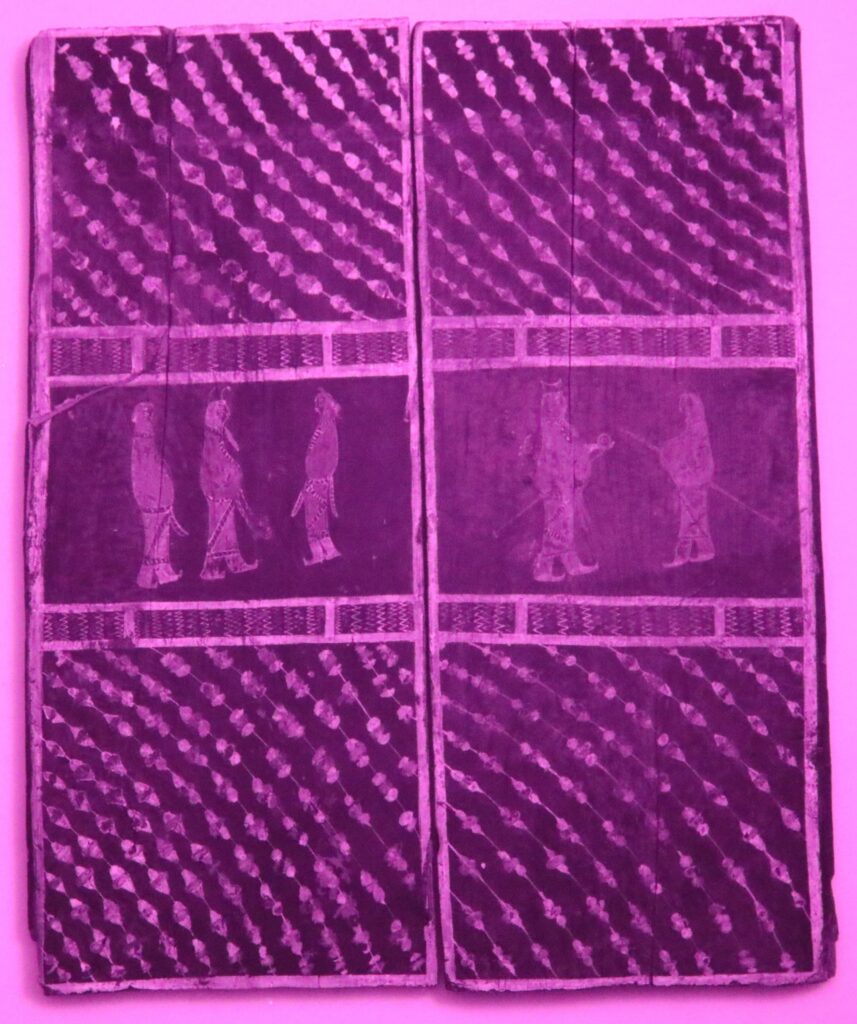
In tomb M91, painted surfaces associated with a wooden coffin were documented. Infrared imaging reveals human figures wearing high headdresses with eyes that appear to be stacked vertically. Researchers believe these paintings are important for the funerary art of the Qin and Han periods, although the identities and symbolic meanings of the figures have not yet been finalized.
Documents Recording Soldier Counts and Weaponry
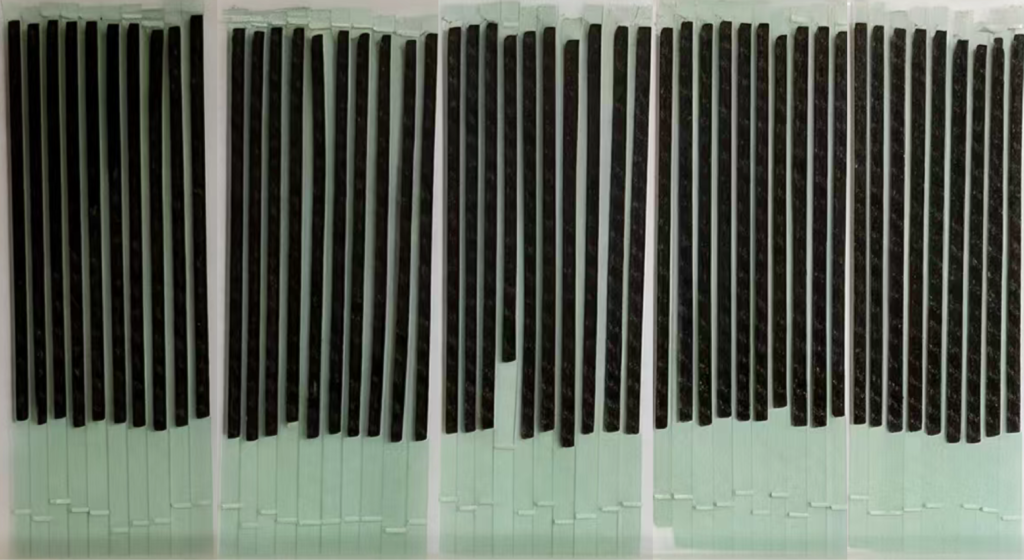
Among the most important discoveries of the excavation are the 622 numbered bamboo and wooden documents recovered from tombs M64, M74, and M116. A military inventory record consisting of 50 bamboo slips is particularly noteworthy. The text mentions more than ten local defense points located in the Sha Xian region under Qin administration. Thus, researchers have gained access to direct written records showing the functioning of the empire’s local military organization.
The documents record the amounts of grain, fodder, and copper stored at two defense points named Chiqiu and Budong. The records also include the dimensions of defense ditches, the number of soldiers, tools used, and weaponry. According to researchers, these are among the oldest known records regarding the equipment of local defense units in the Qin period. These documents allow for an examination of the empire’s military organization through the daily needs of small garrisons, beyond major battles.
The finds also include a calendar record dated to the 35th year of Qin Shi Huang’s reign, namely 212 BC. Along with the military inventories, this document provides new data on how local administration recorded time, manpower, and materials during the reign of China’s first emperor.
Advice for Women and Prayers Against Illness
Twenty-three of the documents belong to a text regarding moral education for women in ancient China. The work, which researchers have identified as “Exhortations to Women,” compares the appearance, speech, and behavior of women according to moral standards. Written largely in four-character and occasionally rhyming expressions, the text is vital for understanding the social expectations of the era.
The other 547 numbered documents contain records related to the selection of auspicious days, divination, and ritual practices. The texts include prayers and practices for issues such as sericulture (silk farming), childbirth, malaria, and toothaches. These records show how people utilized faith-based methods to deal with illnesses and everyday problems.
Preserved Brain Tissue and Ancient Rice DNA
Archaeologists also recovered preserved human brain tissue from one of the tombs, where waterlogged, oxygen-poor conditions had prevented its complete decomposition. Such preservation may provide researchers with biological materials different from bones for studying ancient human bodies. However, which tomb the tissue belongs to, and the detailed analysis results, have not yet been shared with the public.
During the research, DNA was extracted from embryo remnants in ancient rice husks, allowing the rice subspecies to be identified. Metallurgical examinations also detected one of the earliest known examples of processed steel in Southern China. Additionally, an inscription reading “Guang Qin Zhe” was found under a lacquer piece, a phrase not previously recorded in historical texts; it is evaluated that the expression may be related to the expansion of Qin administration into the region.
The discoveries at Laohudun make it possible to examine the Qin period not only through emperors and wars but also through records kept by military officials, the beliefs of families, and artifacts produced by artisans. The deciphering of written documents and the examination of grave goods may provide more detailed information about the social life of this period.
Hubei Provincial Institute of Cultural Relics and Archaeology
