A series of unusual architectural formations emerging from the forests of the Yucatán Peninsula is reshaping how archaeologists understand ancient Maya commerce. These structures—arranged in striking concentric patterns—may represent some of the most compelling evidence yet for built marketplaces in the Classic Maya world.
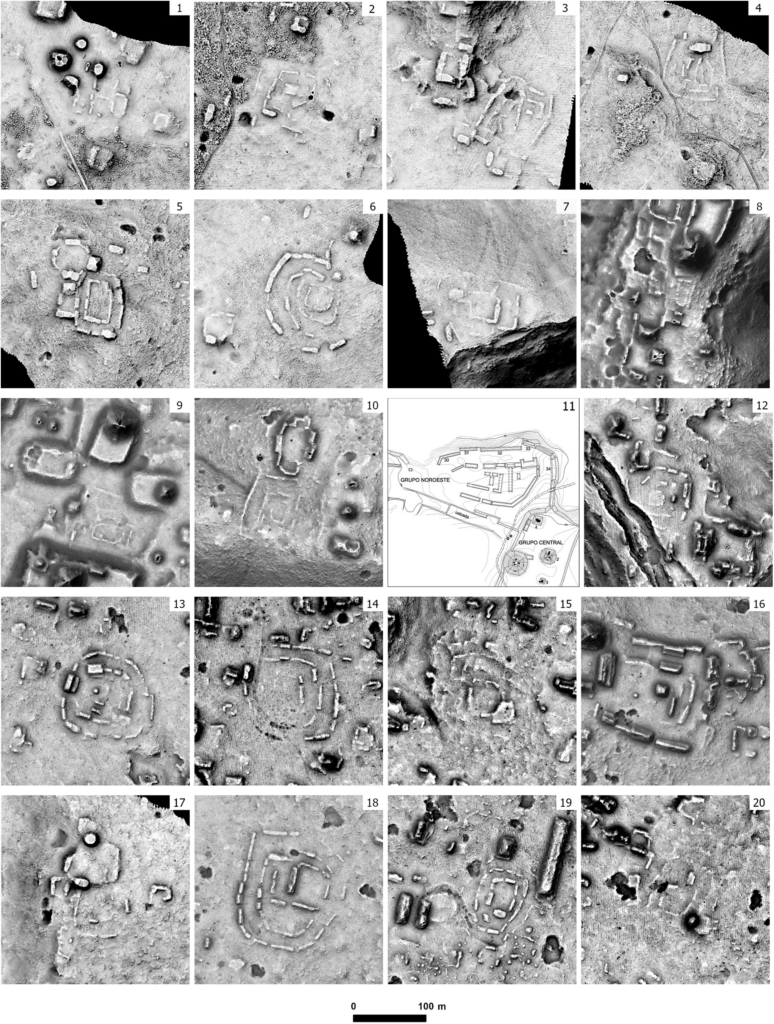
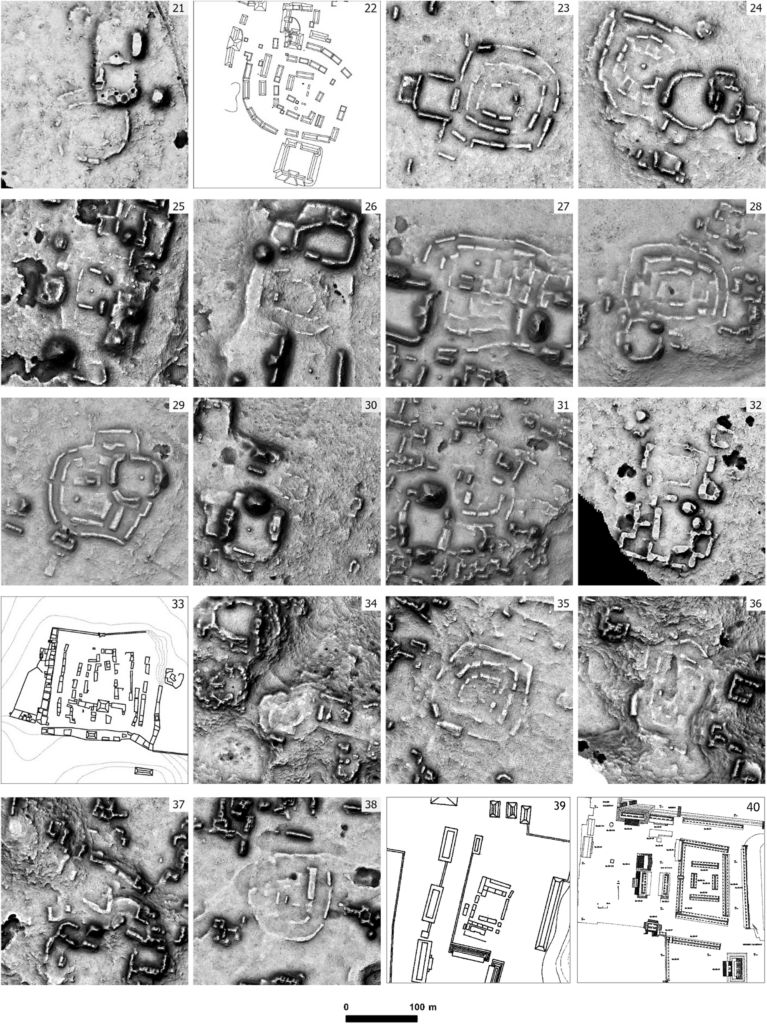
Recent research led by archaeologist Ivan Šprajc has identified dozens of these “nested constructions” across the central and western Maya Lowlands, particularly in present-day Campeche, Mexico. Their layout, distribution, and associated features suggest that they functioned as organized centers of trade rather than purely ceremonial or residential spaces.
A Marketplace Hidden in Plain Sight
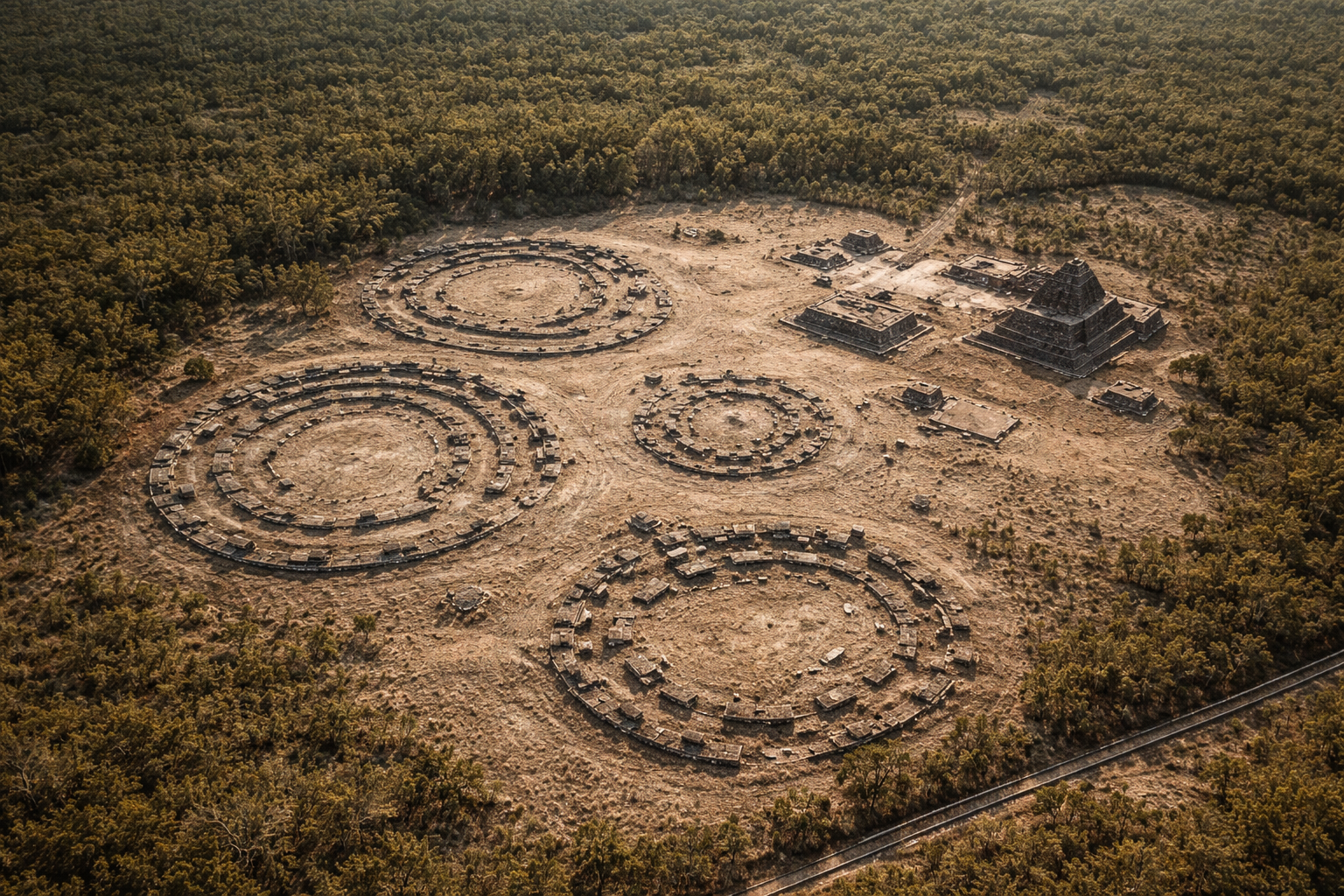
At first glance, the complexes appear modest—low, elongated mounds arranged in circular or rectangular rings. But their pattern is anything but random. These formations create layered, accessible spaces with internal pathways, closely resembling marketplace layouts described in early colonial accounts of Mesoamerica.
Archaeologists believe these low platforms once supported perishable market stalls, where goods were displayed and exchanged. The spaces between them likely served as walkways, allowing movement through what may have been bustling commercial hubs.
Unlike monumental temples or palaces, these structures are subtle and difficult to detect in dense jungle environments. Their identification has relied heavily on LiDAR (laser scanning) technology, which reveals hidden architectural patterns beneath vegetation. Through this method, researchers have already documented around 50 such complexes—though many more likely remain undiscovered.
📣 Our WhatsApp channel is now LIVE! Stay up-to-date with the latest news and updates, just click here to follow us on WhatsApp and never miss a thing!!
Strong Parallels with Tikal and Calakmul
What makes these findings particularly significant is their resemblance to known sites such as Tikal’s East Plaza and the Chiik Nahb complex at Calakmul—both previously interpreted as marketplaces.
At Calakmul, murals depict individuals handling goods such as food, textiles, and ceramics, possibly representing market vendors. Inscriptions associated with these figures appear to identify them by the products they sold, reinforcing the idea of organized commercial activity.
Similarly, the architectural layout of Tikal’s East Plaza—featuring long, narrow buildings with multiple entrances—has long puzzled researchers. Increasingly, it is being understood as a space designed for high-volume interaction rather than domestic or administrative use.
The newly identified nested complexes mirror these characteristics closely, strengthening the argument that they too functioned as marketplaces.
Trade, Ritual, and Daily Life Intertwined
The evidence suggests that these spaces were not purely economic. Many complexes include altars, shrines, and nearby ceremonial structures, indicating that trade was closely linked with ritual practices.
This aligns with broader Mesoamerican traditions, where commerce often had a sacred dimension. Markets were not just places of exchange—they were also social and ceremonial gathering points.
Some complexes are located near ballcourts, further reinforcing their role as multifunctional spaces connected to both community life and interregional interaction.
Strategic Locations and Trade Networks
The geographic distribution of these nested constructions is far from random. Many are situated along key trade routes, near water sources, or within major urban centers.
In some regions, particularly central Campeche, the density of these complexes is striking. Researchers suggest this may reflect regional economic specialization, where certain areas relied heavily on imported goods due to environmental constraints.
In these landscapes, marketplaces would have played a critical role in redistributing resources such as food, salt, stone tools, and crafted items across communities.
The presence of causeways and pathways connecting these sites further supports the idea of an integrated trade network spanning the Maya Lowlands.
A More Complex Economic System
For decades, scholars debated whether the ancient Maya relied primarily on centralized redistribution systems controlled by elites or on decentralized market exchange. These newly identified complexes suggest that the reality was far more dynamic.
Rather than isolated barter events, the Maya appear to have maintained organized, possibly regulated marketplaces, operating at multiple scales—from local exchanges to long-distance trade.
In some cases, larger structures within the complexes may have served as administrative hubs or storage facilities, hinting at a level of oversight and coordination previously underestimated.
Still a Hypothesis—But a Strong One
Despite the growing body of evidence, researchers remain cautious. Direct archaeological proof of market activity—such as definitive chemical residues or large-scale artifact concentrations—remains limited.
However, when architectural patterns, spatial organization, ethnographic parallels, and comparative data are considered together, the interpretation becomes increasingly persuasive.
As Šprajc notes, these nested constructions may represent a regional architectural solution to organizing trade, one that varied across the Maya world but reflects a shared economic logic.
A New Perspective on the Maya World
The discovery of these marketplace-like complexes challenges long-standing assumptions about Maya society. It paints a picture of a civilization not only rich in ritual and monumental architecture but also deeply engaged in structured economic exchange and everyday commerce.
As more LiDAR data becomes available and future excavations refine our understanding, these quiet, low-profile structures may prove to be among the most revealing features of the ancient Maya landscape.
Šprajc I. Nested Constructions in the Yucatán Lowlands: Ancient Maya Marketplaces? Ancient Mesoamerica. Published online 2026:1-20. doi:10.1017/S0956536126100923
Cover Image Credit: AI-generated illustration created by the author showing possible ancient Maya marketplace complexes in the Yucatán Lowlands.