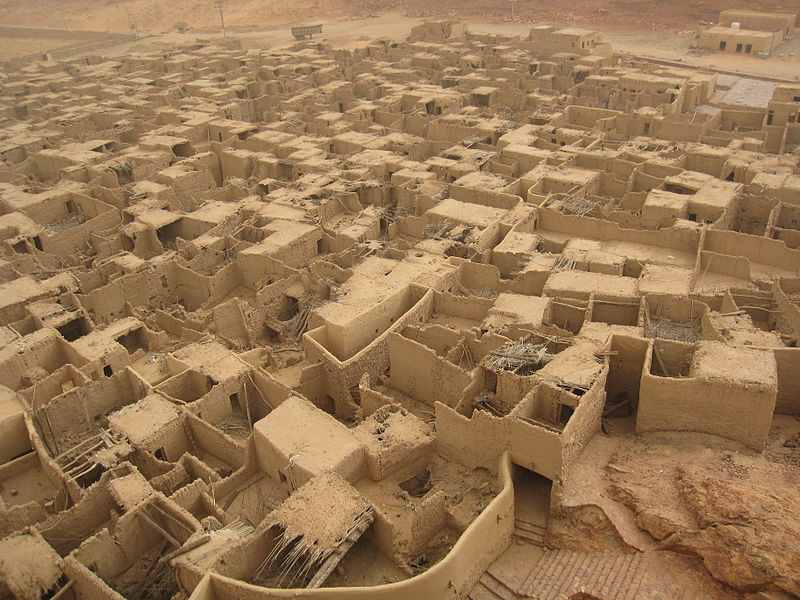
3 February 2026 The Future is the Product of the Past

Al-Ula, The Living Museum of Ancient Arab Civilizations

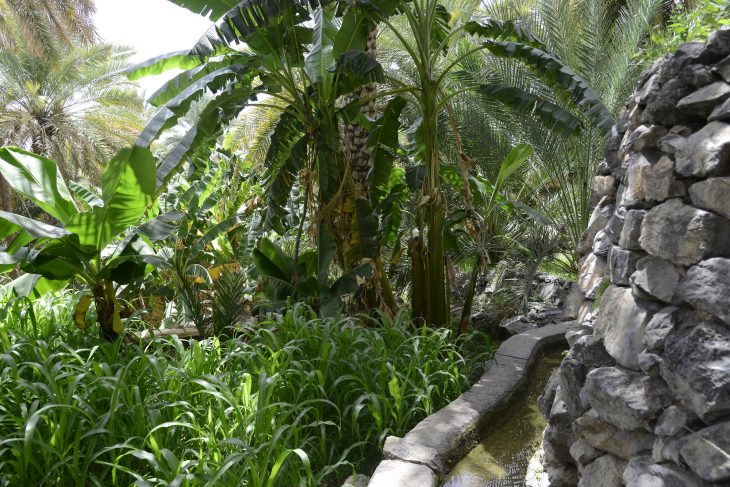
Al-Ula oasis is located in the lush Wadi Al-Qura, or “valley of villages”, about 110 km southwest of the modern city of Tayma and 380 km north of Medina.

Al-Ula was the capital of the ancient Lihyanites (Dedanites). Located in the Medina region of Saudi Arabia, the city contains the first UNESCO World Heritage Site in the Kingdom of Saudi Arabia.

The walled city of Al-Ula, an oasis in the desert valley city with its fertile lands and abundant water was founded in the 6th century BC. It was located on the “Incense Road”, a network of roads that facilitated the trade of spices, silk, and other luxury goods through Arabia, Egypt, and India.
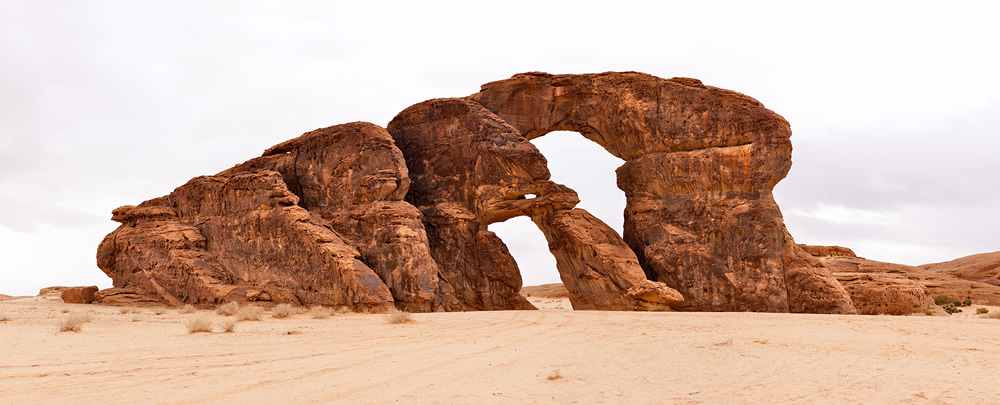
Al Ula Raven Kayası
Al-Ula Raven Rock

Al-Ula stands where the biblical city of Dedan is located. But was founded during the ancient Lihyan Kingdom of Northern Arabia, which ruled between the 5th and 2nd century BC. The history of the oasis is divided into several chapters.

The Kingdom of Dedan is mentioned in the Harran inscriptions. Al-Ula has become the most important settlement in the region until modern times. The Ottoman Empire built the Hejaz railway between 1901-1908 to connect Medina and Damascus. The railroad has main stations in both Mada’s Salih (Hegra) and Al-Ula.


📣 Our WhatsApp channel is now LIVE! Stay up-to-date with the latest news and updates, just click here to follow us on WhatsApp and never miss a thing!!


The area has an incredibly rich heritage with numerous archaeological sites dotting the landscape.

Al-Ula is described as a mirror of the ancient world civilizations in the Arabian Peninsula. Research has uncovered a civilization that is more than 200,000 years old at the same location along the ancient incense trade route from the south of the Peninsula to the north. Al-Ula is a tourist destination for all visitors from various parts of the world interested in archeology, nature, arts, and culture.

Visitors can enjoy a thrilling experience in the site, which has recorded the highest record in the archaeological world, containing 5,000 inscriptions carved into the rocks on Mount Ikmah, as well as 111 archaeological tombs that house 94 carved tombs.

The vertical sandstone cliffs surrounding Al-Ula provide large surfaces for rock art, making Al-Ula the richest petroglyph site in the Kingdom. Ar-Ruzeiqiah is a mountain in the southern part of Al-Ula with a large petroglyph panel with hundreds of pictures, including depictions of hunting scenes with humans and various animals.
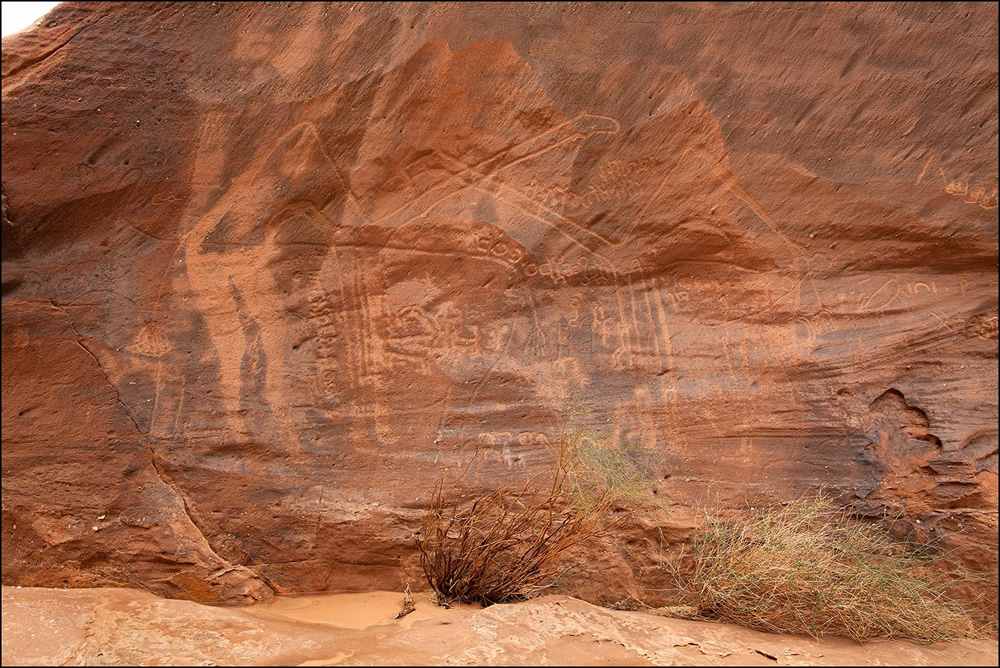
Jebel-Khawail-Al-Ula
Jebel Khawail, Al-Ula

The best times of the year to visit Al-Ula are between October and April. During this period, the city enjoys a mild climate with temperatures ranging from 10 to 25 degrees Celsius. The period from May to September witnesses high temperatures ranging from 20-35 degrees Celsius.

Ikmah Mountain is full of archaeological inscriptions from the dawn of Arab civilization as well as writings and inscriptions from other civilizations and is called the “Open Library”.
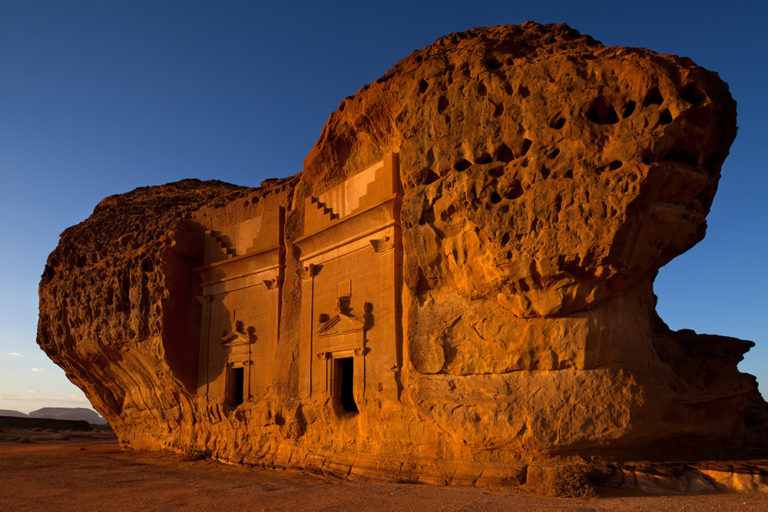
Mada in salih
Mada’s Saleh was known as El Hijr or Hegra by the Nabataean people who carved their magnificent tombs into golden Quweira sandstone ledges. The fine details in the entrance portals and the smooth surfaces of the 111 tomb facades reflect the great ingenuity of the masters of their time.

In addition to the green oasis in Al-Ula, there are various rock formations in different areas, making the site a special place for nature lovers. Al-Ula is also a home for many plants and animals.

The importance of Al-Ula as an archaeological and historical site led to the establishment of the Al-Ula Royal Commission (RCU) in July 2017, whose purpose was to develop and promote Al-Ula as an international tourism destination. The main purpose of the institution is to carry out studies related to the promotion and development of this place.

Source: 1-https://www.experiencealula.com/en/discover-alula/heritage

2- http://saudi-archaeology.com/sites/al-ula

3-Al-Ula old town picture belongs to Pteropus Conspicillatus.
Related Articles

3600 years old Unique ancient drinking bowls on display at Boğazkale Museum

15 August 2021

15 August 2021

The 3,600-year-old fist-shaped drinking bowls found in excavations in Hattusa, the capital of the Hittite Civilization, which shaped the Anatolian...

The Oldest Known Map of Europe, “Saint-Bélec Slab”

6 April 2021

6 April 2021

An ornate Bronze Age stone slab (Saint-Bélec slab) that was excavated in France in 1900 and forgotten about for over...

Iconic Double Arch collapsed after an ancient pyramid in America, Tribes Link Fall With ‘Bad Omen’

10 August 2024

10 August 2024

Two ancient North American structures collapsed within just nine days of one another. The iconic Double Arch, also known as...

Egypt’s Lost city “Thonis-Heracleion”

6 September 2021

6 September 2021

Thonis-Heracleion (Egyptian and Greek names of the city) is a port city lost between myth and reality until 1999. Few...

A Byzantine Princess, a Mongol Khan, and a Church: The Bloody Church and Its Unknown History

13 May 2025

13 May 2025

Nestled at the base of the imposing Phanar Greek Orthodox College, a landmark intrinsically linked to the panoramic vistas of...

Turkey’s Must-See Ancient Cities

23 March 2021

23 March 2021

From the classical cities scattered on the coast to the earliest archaeological sites that can be traced back to human...

Tajik Buddha in Nirvana – the Largest in the World: 42 feet long and 9 feet high

31 December 2023

31 December 2023

In the past, while Taliban soldiers in Afghanistan destroyed two immense statues of Buddha, art historians in neighboring Tajikistan meticulously...

Explore 1,400-year-old ruins, submerged in Eastern China – Atlantis of China

10 June 2023

10 June 2023

Deep in Qiandao Lake, between China’s Five Lion Mountains, lie the mysterious ruins of two ancient cities, dating back to...

The Enigmatic Architecture of Sacsayhuaman: The Sacred Stronghold of Massive Stones and Mysteries

14 March 2025

14 March 2025

Sacsayhuaman Fortress, located just outside Cusco, Peru, is one of the most astonishing archaeological complexes in the world. Initiated by...

Khirbet Midras pyramid and  Archaeological Site in Israel

28 November 2022

28 November 2022

Khirbet Midras (Arabic) or Horvat Midras (Hebrew) is one of several antiquities sites located within the Adullam Grove National Park,...

The secret of the mummy in the Crystal coffin found in a garage in San Francisco

30 March 2023

30 March 2023

Mysterious mummies are a symbol of ancient lost times, which we often associate with Egypt and other ancient civilizations. Therefore,...

A Little-Known Civilization in the Americas Built Pyramids as Old as Ancient Egypt

26 June 2022

26 June 2022

Considered the cradle of civilization in the Americas, the Sacred City of Caral-Supe is a 5000-year-old archaeological site, situated on...

Ireland’s most beautiful round tower and Romanesque architecture

21 August 2021

21 August 2021

Romanesque means “from the Romans”, “descendant of the Romans”. This architectural style is called “Norman architectural style” in England and...

South Korea, Mireuksa Temple ve The World Heritage Festival for “Baekje Historic Areas,”

17 August 2021

17 August 2021

Baekje (18 B.C. to A.D. 660) is one of Korea’s Three Kingdoms Period’s lesser-known eras (57 B.C. to A.D. 668)....

World’s First Pregnant Ancient Egyptian Mummy has been Discovered

29 April 2021

29 April 2021

Experts from the Polish Academy of Sciences aim to research all mummies in museums as part of the Warsaw Mummy...