15 March 2026 The Future is the Product of the Past

Hima, a rock art site in Saudi Arabia, added to the UNESCO World Heritage List

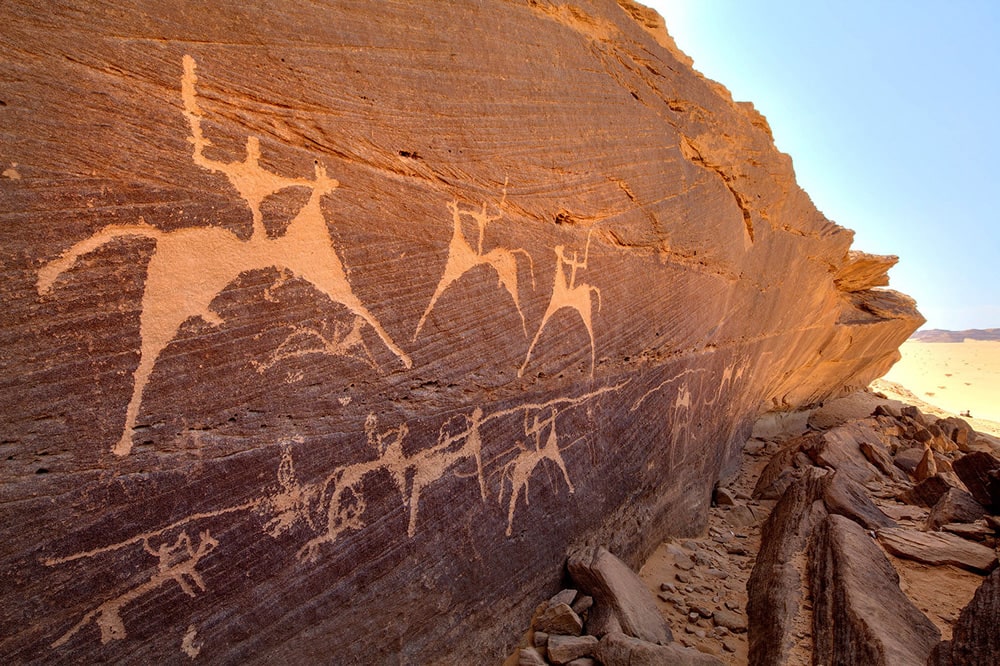
The rock art site Hima in Najran has been included in the UNESCO World Heritage List, becoming the sixth registered site in Saudi Arabia. The site is located in southwestern Saudi Arabia and has one of the largest rock art complexes in the world.

Saudi Arabia’s rock art has been gained popularity in recent years and is considered to be one of the richest in the world, in addition to other rock paintings in Australia, India, and South Africa.

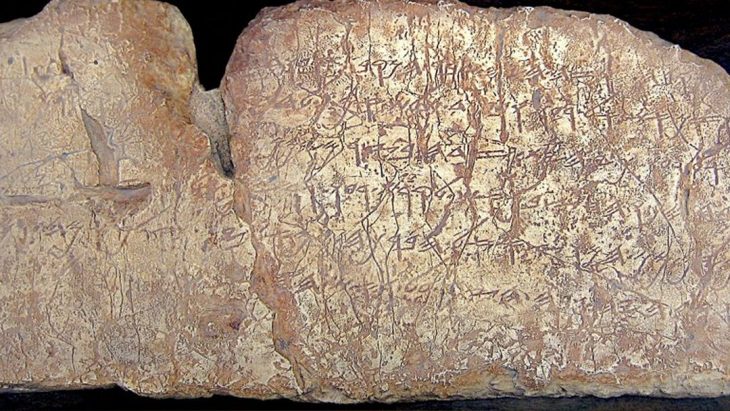
Hima was a conduit for caravans on the Hajj and trade routes going to and from the southern parts of Arabia, to the ancient world markets of Arabia, Mesopotamia, the Levant, and Egypt. People who passed through the area between prehistoric and post-historic times have left behind a substantial collection of rock art depicting hunting, wildlife, plants, symbols, and tools used at the time, as well as thousands of written inscriptions in various ancient writings including Musnad, Thamudic, Nabataean, and the early Arabic.
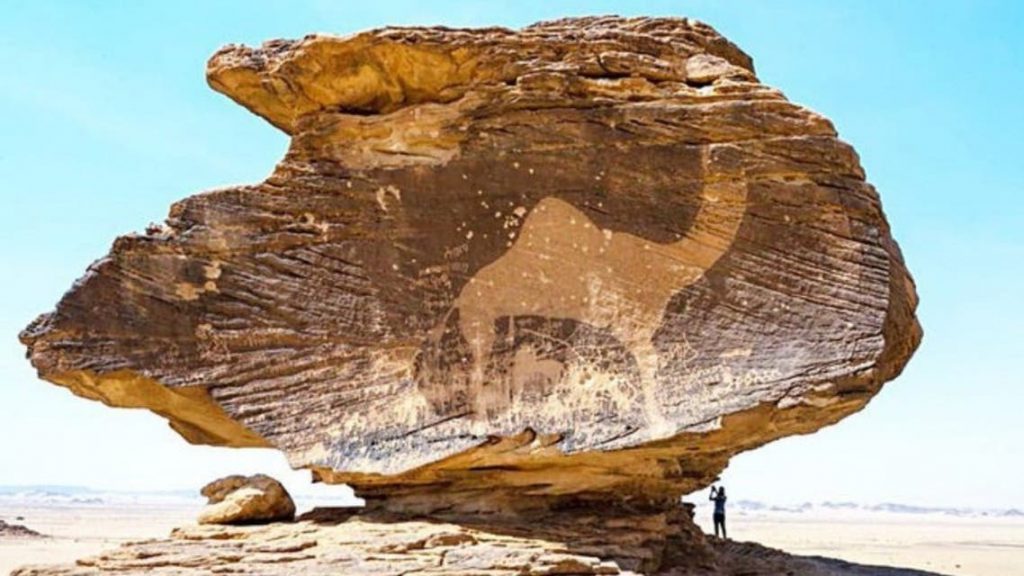
Hima a rock art site in Najran has been added to UNESCO’s World Heritage List, becoming the sixth Saudi site to find a place in the coveted list.

Dr. Jasir Alherbish, CEO of the Heritage Commission, stated, “The region has great global significance, providing us with numerous lessons regarding the evolution of human civilization and life in ancient times.” (Saudi gazette)

“We are thrilled to have this exceptional ancient site recognized by UNESCO as a World Heritage Site. “We are working to preserve the area and conduct research to further understand the rock inscriptions, and are looking forward to welcoming more local and international visitors to come and see this historic cultural site for themselves.”


📣 Our WhatsApp channel is now LIVE! Stay up-to-date with the latest news and updates, just click here to follow us on WhatsApp and never miss a thing!!


The Kingdom’s 2030 Vision prioritizes the preservation and protection of the Kingdom’s cultural and natural assets. A slew of fresh finds, overseen by the Heritage Commission, has reinforced the country’s status as a go-to destination for archeologists, historians, and scientists interested in regional human history.

The Kingdom has also taken significant steps to safeguard national and international cultural assets. The Ministry of Culture signed a Memorandum of Understanding with UNESCO in 2019, agreeing to donate $25 million to the organization’s global heritage protection plan.

Cover Photo: http://saudi-archaeology.com/
Related Articles

The statue head of Hygieia, the Greek goddess of health, found stuck between two rocks in Laodikeia

21 May 2024

21 May 2024

A 2100-year-old statue head of the Hygieia (Health) Goddess was found during the excavations in the ancient city of Laodikeia...

Iron Age Children’s a Unique Funerary Building Discovered in Oman

3 March 2024

3 March 2024

Archaeologists have uncovered a unique Iron Age children’s funerary building at the Manaqi archaeological site in Rustaq, South Al Batinah...

Ancient Hittite Archives Unearthed at Kayalıpınar: 56 Cuneiform Tablets and 22 Seal Impressions Found

18 September 2025

18 September 2025

Archaeologists excavating the ancient Hittite city of Kayalıpınar (ancient Šamuḫa) in Sivas province have uncovered a remarkable collection of 56...

Ice Age turtle finds near Magdeburg point to canned food from the Stone Age

2 May 2024

2 May 2024

Experts have recovered around 50,000-year-old turtle shell fragments from the Barleben-Adamsee gravel pit near Magdeburg. The turtles could have been...

Bosphorus Was Frozen, People Crossed By Walking

14 February 2021

14 February 2021

The calendars showed the year 1954. Istanbul was experiencing an extremely freezing winter after many years. Heavy snowfall, hard enough...

A First in Denmark: Rare 4th Century Roman Helmet and Chainmail Found

3 February 2025

3 February 2025

Archaeologists have recently unearthed a massive stockpile of weapons near Hedensted, Denmark, buried 1,500 years ago by an ancient chief....

5,000-year-old Ceremonial Temple Discovered in Peru

9 July 2024

9 July 2024

Archaeologists from the Peru Ministry of Culture have discovered an ancient ceremonial temple complex at Los Paredones de la Otra...

5000-year-old female figurines found in a Ukrainian cave

15 May 2023

15 May 2023

Archaeologists discovered five clay female figurines hidden inside a hole in a wall in Verteba Cave, in the Borshchiv Region...

A New Late Ancient Necropolis Discovered on Hvar Island

10 June 2021

10 June 2021

The protective investigation in the garden of the Radoevi Palace in the town of Hvar on the Croatian island of...

3 Bronze Shields and Helmet of 2700 Years Old Belonging to Urartians Found in Ayanis Castle

8 September 2024

8 September 2024

Three bronze shields and a bronze helmet dedicated to Haldi, the chief god of the Urartians, were discovered during excavations...

Hunting tools Dating Back 1900 Years Found inside a Cave in Querétaro, Mexico

27 January 2024

27 January 2024

Archaeologists from the National Institute of Anthropology and History (INAH) found hunting weapons dating back approximately 1,900 years in a...

Radiocarbon dating shows that the Roman settlement of Karanis survived in Egypt until the Arab Conquest in the 7th century AD

13 May 2024

13 May 2024

New research results are rewriting the history of Karanis, an ancient Greco-Roman agricultural settlement in the Fayum oasis in Egypt....

Urartian-Era Fortress with 50 Rooms Discovered at 3,000 Meters in Eastern Türkiye

5 August 2025

5 August 2025

Archaeologists uncover a massive high-altitude fortress believed to date back to the Iron Age, with ties to the ancient Urartian...

3500-year-old grape seed remains found in western Anatolia

12 September 2023

12 September 2023

Archaeologists at the Aşağıseyit Höyük (Aşağıseyit Mound) site in western Anatolia’s Denizli have uncovered a 3,500-year-old grape seed. Aşağıseyi Höyük...

Denisovans or Homo Sapiens: Who Were the First to Settle Permanently on the Tibetan Plateau?

8 December 2021

8 December 2021

The Tibetan Plateau has long been considered one of the last places to be populated by people in their migration...