
14 December 2025 The Future is the Product of the Past

Tombs of Queens of Commagene Detected

The graves built by Commagene King Mithritades II (36-21 BC) for his mother Isias, his sister Antiokhis, and Antiochis’s daughter Aka were detected at the Karakuş Tumulus of Adiyaman, which is located in southeast Turkey.

The Karakuş Tumulus scan was taken by the Adıyaman Governorate, after obtaining the necessary permits from the Ministry of Culture and Tourism recently.

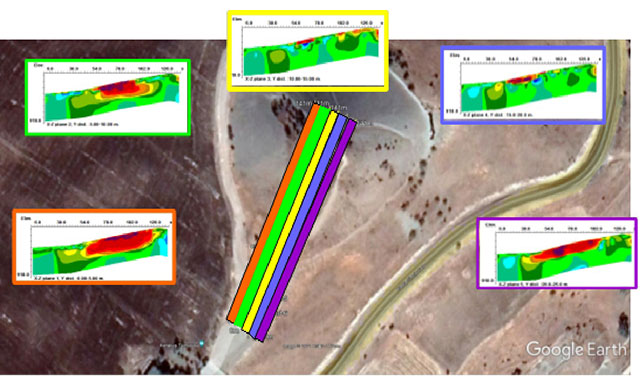
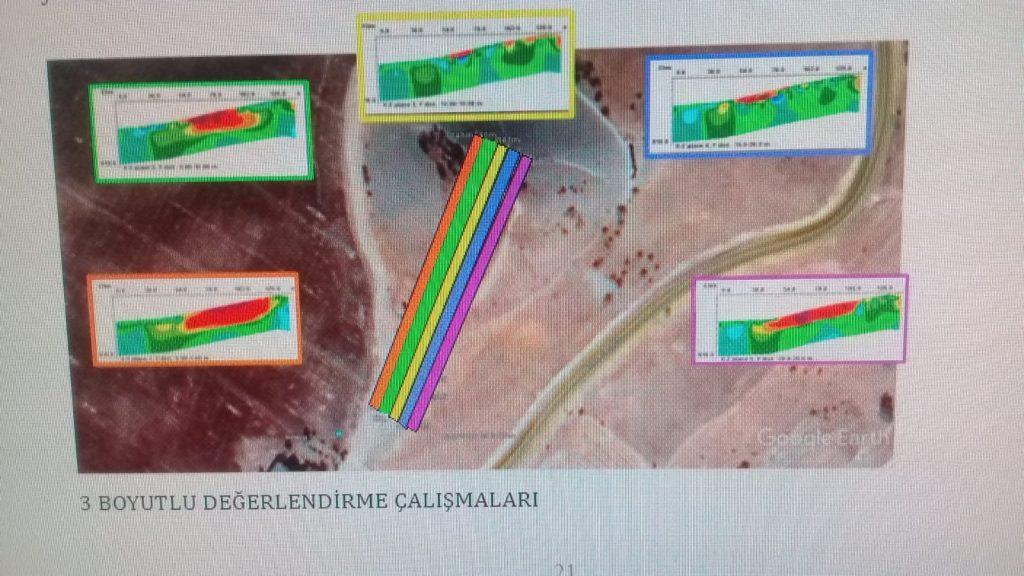
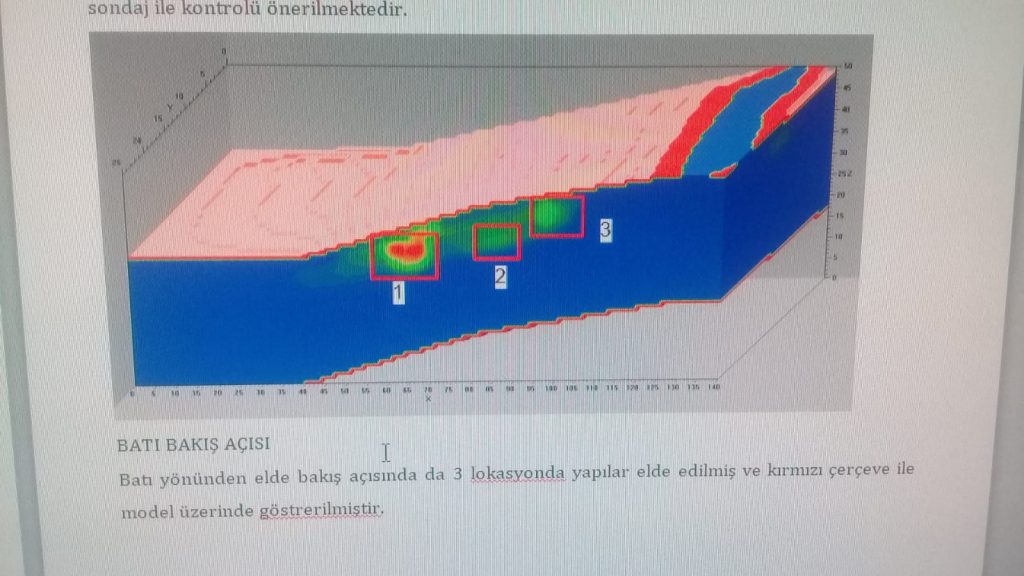
The tombs, called Queens Cemetery, built by King Mithridates II for his mother Isaias, his sister Antiochus and Antiochus daughter Aka, were detected by electromagnetic waves.
Commagene Quens grave

Excavations will begin in 2022

Making a statement on the subject, Governor Mahmut Çuhadar said:


“The historical Karakuş Tumulus, which was built by the Commagene King Mithritades II (36-21 BC) for his mother Isias, his sister Antiokhis and Antiokhis’s daughter Aka, and which is called the cemetery of the queens, has been keeping its mystery for 2,000 years.


📣 Our WhatsApp channel is now LIVE! Stay up-to-date with the latest news and updates, just click here to follow us on WhatsApp and never miss a thing!!


Karakuş tümüllüs

In order to solve the historical secrets here and to reach the tombs, as the Governorship, we started working on the historical tumulus by obtaining the necessary permissions. As a result of the studies carried out, two-dimensional (2D) Georadar underground images were obtained as a result of the geophysical studies carried out using the Georadar (Ground Radar-GPR) method in order to determine the locations of the remains in the Karakuş Tumulus.

In the research area, Georadar (Ground Radar-GPR) measurements were made at a separate location, which is also shown in the site plan, depending on the measurement positioning. From the obtained GPR data, two-dimensional (2D) underground images were obtained after the data processing stages. Georadar and Geophysical studies have been completed in the 2,000-year-old Karakuş Tumulus, which is called the Queens Cemetery of the Commagene Kingdom, and archaeological remains have been reached in the Karakuş Tumulus in line with the incoming reports. As a result of the excavation and sounding permits to be obtained from the General Directorate of Cultural Heritage and Museums in 2022, it is aimed to start the excavations in the historical tumulus,” he said.

Adıyaman Governorate

Related Articles

Archaeologists Uncover 4,800-Year-Old Bronze Age Tombs in Başur Höyük, Türkiye, Where Teenage Girls Were Ritually Sacrificed

30 March 2025

30 March 2025

As the first civilizations began to emerge in Mesopotamia and Anatolia, significant transformations in social structure, economy, and culture took...

Archaeologists uncovered a 3,500-year-old Egyptian Royal Retreat in the Sinai Desert

5 May 2024

5 May 2024

An Egyptian mission uncovered the ruins of a 3,500-year-old “royal fortified rest area” at the Tel Habwa archaeological site in...

Hidden Air-Filled Chambers Detected in Menkaure Pyramid May Indicate Lost Entrance

12 November 2025

12 November 2025

Researchers from Cairo University and the Technical University of Munich (TUM) have made a groundbreaking discovery within the Pyramid of...

An extremely Rare Half-Shekel Coin From Year Three of the Great Revolt discovered

21 December 2022

21 December 2022

Recent excavations by archaeologists from the Hebrew University in the Ophel area south of the Temple Mount uncovered the remains...

Rare Bronze Celtic Warrior Figurine Discovered in Germany

15 August 2025

15 August 2025

Archaeologists in Manching, Bavaria, have made a groundbreaking discovery that offers unprecedented insight into the daily life, craftsmanship, and religious...

Archaeologists Discovered the Largest Inscription Ever Found in Sri Lanka

10 February 2024

10 February 2024

Archaeologists discovered the largest inscription ever found in Sri Lanka. The largest inscription ever discovered in Sri Lanka was found...

Over 7,000-Year-Old Traces of Life Discovered in Ratina Cave on Šćedro Island, Croatia

28 February 2025

28 February 2025

Recent archaeological excavations on Šćedro Island, located south of Hvar, have unveiled significant findings that challenge previous understandings of the...

The New Study, Reveals Invisible Stews

25 November 2022

25 November 2022

New Results of Organic Residue Analyzes of Beveled Rim Bowls in Mesopotamia Reveal Invisible Stews. The world’s first urban state...

Scotland’s Giant Neolithic Timber Hall Discovered—Built 1,000 Years Before Stonehenge

8 July 2025

8 July 2025

Archaeologists uncover one of the largest Neolithic timber halls in Scotland, revealing a long-lost site of prehistoric gatherings, rituals, and...

Iron Age Children’s a Unique Funerary Building Discovered in Oman

3 March 2024

3 March 2024

Archaeologists have uncovered a unique Iron Age children’s funerary building at the Manaqi archaeological site in Rustaq, South Al Batinah...

Pictish ring believed to be more than 1,000-years-old found during Burghead fort dig in Scotland

5 September 2024

5 September 2024

A “remarkable” Pictish ring thought to be more than 1,000 years old has been unearthed by an amateur archaeologist on...

Klazomenai, ceramic center of ancient period was found the first seal belonging to the city

20 November 2022

20 November 2022

A seal belonging to the city was found for the first time during excavations in the ancient city of Klazomenai...

Petalodus shark teeth found for the first time in China

29 August 2021

29 August 2021

A 290 million-year-old fossil of a shark with petal-shaped teeth has been discovered in China. Seven well-preserved Petalodus teeth were...

The earliest Buddha statues in China found in northwestern Shaanxi

10 December 2021

10 December 2021

The two copper-tin-lead alloy Buddha statues discovered in northwestern Shaanxi Province became the earliest Buddha statues of this kind unearthed...

The 3400-year-old city belonging to a mysterious Kingdom emerged from the Tigris river

30 May 2022

30 May 2022

Archaeologists from Germany and Kurdistan have discovered a 3,400-year-old Mittani Empire-era city on the Tigris River. The ruins emerged on...