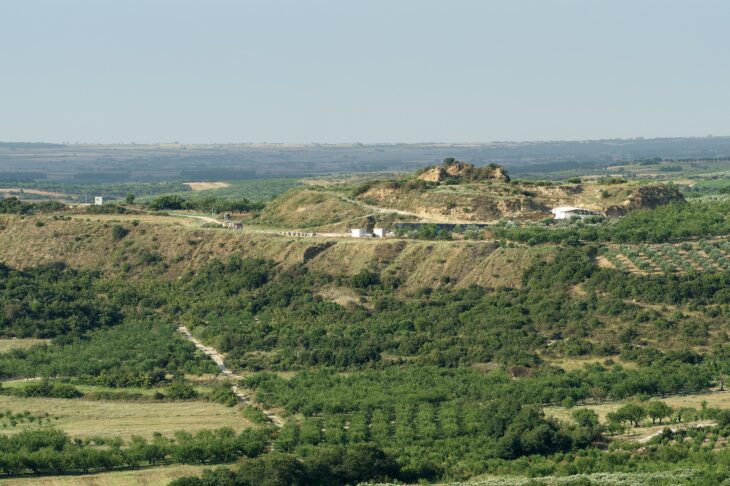
Just southeast of Şanlıurfa, on the northwestern edge of the vast Harran Plain, a small but exceptionally informative archaeological site is reshaping our understanding of the final phases of the Pre-Pottery Neolithic. Gürcütepe—located only about 4 kilometers from the city center—may not yet carry the global fame of Göbeklitepe or Karahantepe, but new findings reported in Arkeoloji Haber’s special coverage reveal that the site holds remarkable clues about how life continued after the monumental age of Taş Tepeler.
Today, excavations at Gürcütepe continue under the leadership of Assoc. Prof. Mücella Erdalkıran of Ege University, as part of the extensive Taş Tepeler Project, a large-scale archaeological initiative aimed at understanding the earliest settled communities of Upper Mesopotamia. The site dates to the very end of the Pre-Pottery Neolithic Period, a transformative chapter when societies began to shift from hunter-gatherer mobility to more permanent, agriculture-driven lifeways.
A Settlement Born After the Age of Monuments
Perhaps Gürcütepe’s most significant implication is chronological rather than architectural: unlike Göbeklitepe, Karahantepe, or Sayburç—settlements known for their massive T-shaped pillars, megalithic enclosures, and ritual-oriented architecture—Gürcütepe was founded after these earlier ceremonial centers were abandoned. This gives the site a unique role as a “bridge” between two different cultural worlds within prehistoric Şanlıurfa.
Researchers interpret Gürcütepe not as a ceremonial hub but as a community-oriented village, representing a population that embraced agriculture, animal husbandry, and domestic production as their core way of life. Erdalkıran explains that the groups who established Gürcütepe “settled four closely located areas in the plain, relying primarily on farming and herding to sustain themselves.” In contrast to the monumental architecture of the earlier highland sites, these later communities preferred small, domestic-scale structures, reflecting a shift in social organization and daily priorities.
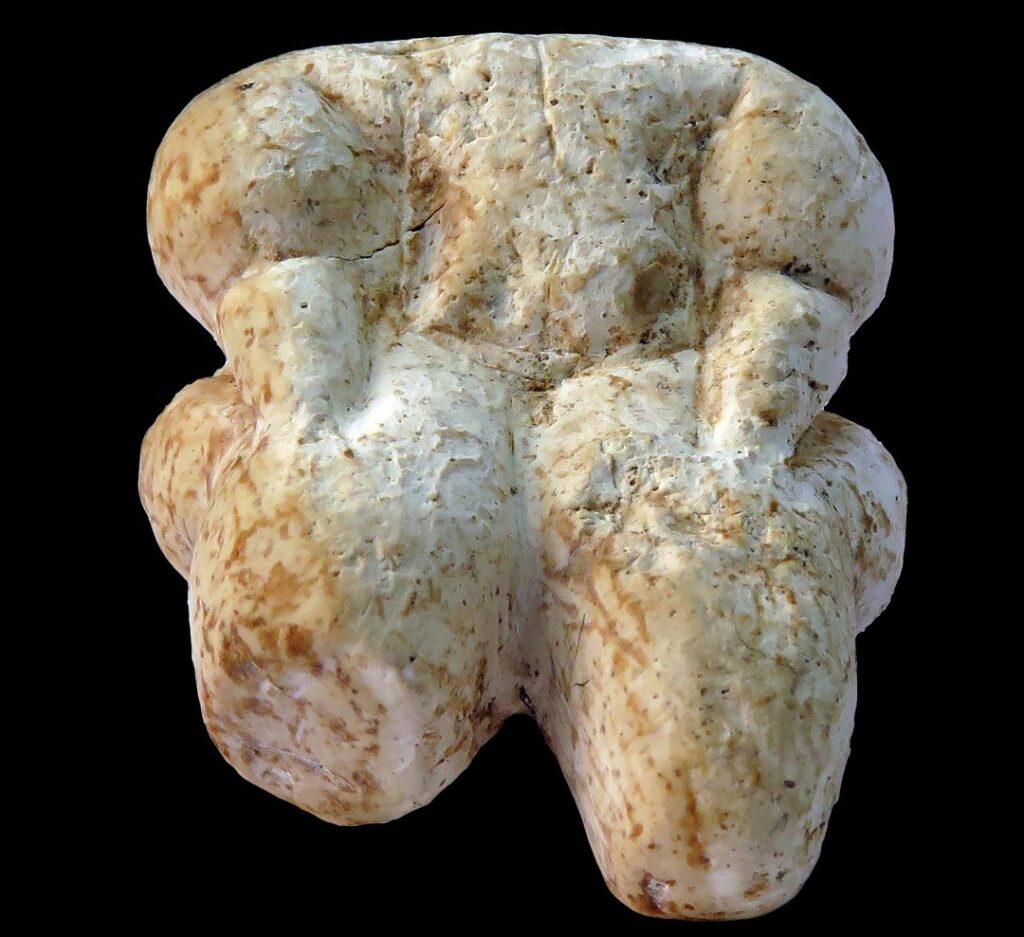
Small Figurines, Big Stories
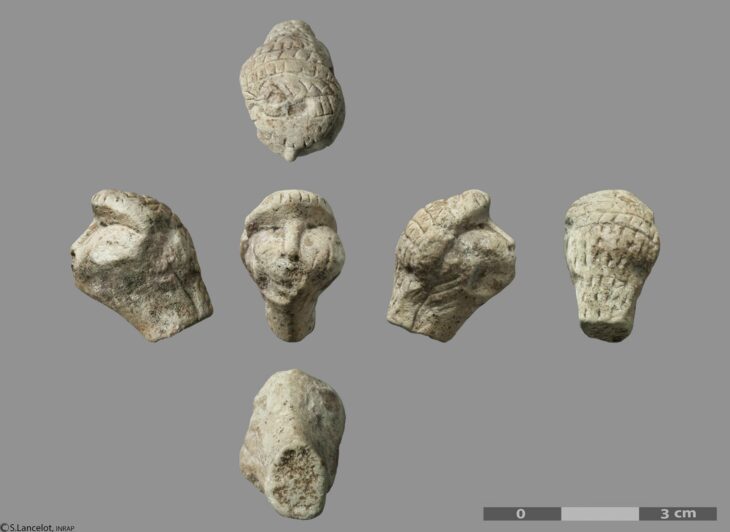
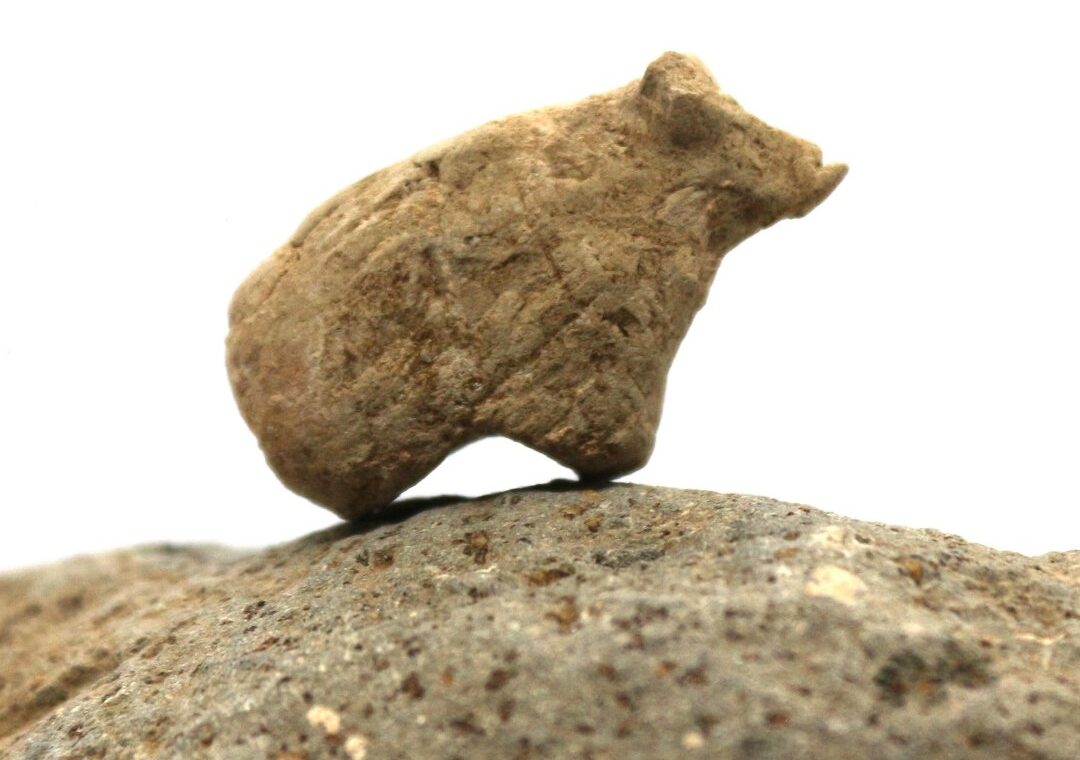
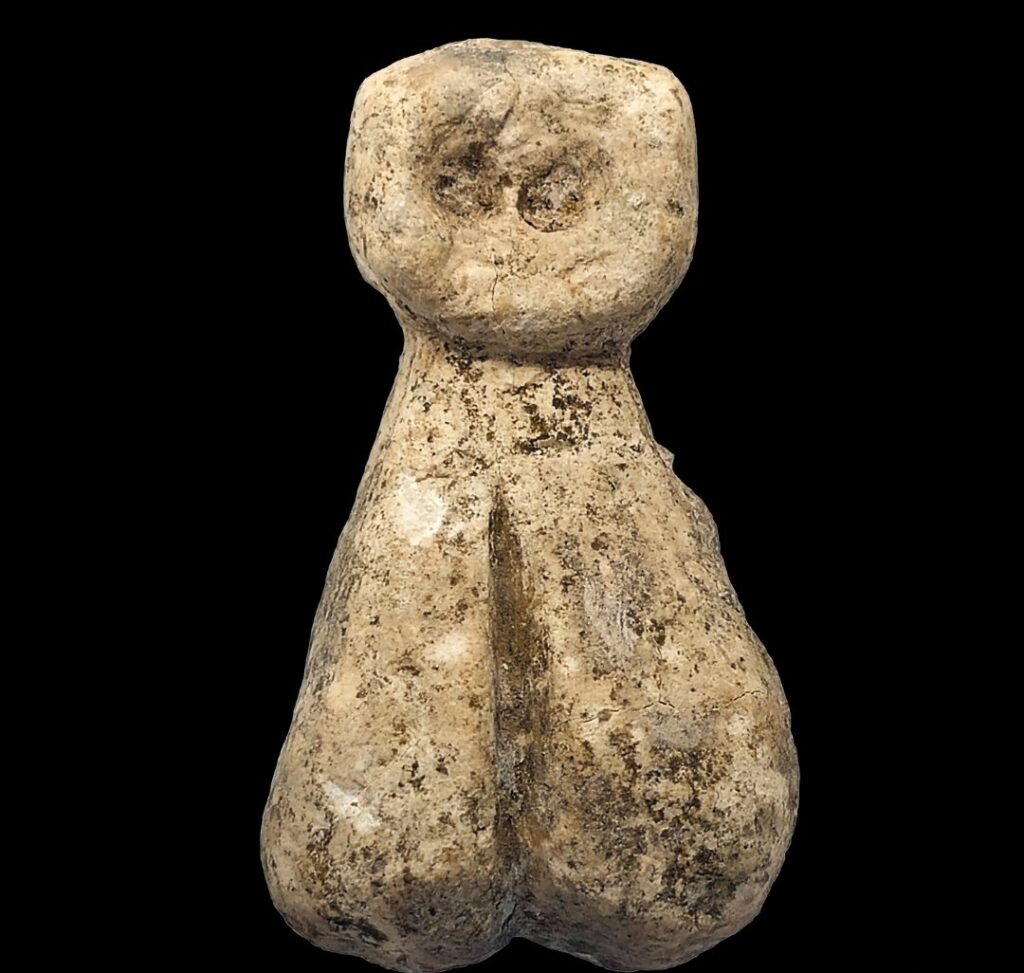
Despite the absence of megalithic temples, Gürcütepe is anything but archaeologically modest. Excavations on two mounds have unearthed numerous figurines made of limestone and clay, crafted in both schematic and naturalistic styles. Many represent women or gender-neutral human forms, while others depict animals that the community either raised or hunted. These miniature objects—from simple lumps with carved outlines to carefully shaped torsos—serve as intimate windows into the beliefs and identities of early farming societies.
📣 Our WhatsApp channel is now LIVE! Stay up-to-date with the latest news and updates, just click here to follow us on WhatsApp and never miss a thing!!
Some of the female figurines strongly resemble examples known from Central Anatolia, particularly from well-studied Neolithic sites such as Çatalhöyük and Aşıklı Höyük. Their presence in Gürcütepe suggests broader cultural exchanges, shared symbolic practices, or at least awareness of stylistic traditions beyond Upper Mesopotamia. As Erdalkıran notes, the diversity of the figurines “reflects both the worldview of the Gürcütepe communities and their cultural interactions with regions outside the Şanlıurfa plateau.”
These objects also highlight a fundamental transition in the symbolic landscape of Neolithic peoples. While earlier Taş Tepeler sites expressed belief systems through monumental stone architecture and large-scale animal sculptures, Gürcütepe showcases a shift toward small, personal, portable symbols—artifacts likely used in household rituals or daily life rather than communal sanctuaries. In this sense, Gürcütepe captures the “democratization of belief,” where symbolic expression moved from vast public spaces into the intimate realm of homes.
A New Chapter in Taş Tepeler Research
Gürcütepe’s importance within the Taş Tepeler constellation lies in its ability to reveal continuity rather than abandonment. Instead of a cultural collapse following Göbeklitepe’s closure, the evidence points to a reorganization of communities, who settled lower, more fertile areas and shifted their focus toward production, subsistence, and domestic life—the figurines—many only a few centimeters tall—document this transformation with remarkable clarity.
For archaeologists, Gürcütepe provides a rare opportunity to observe the evolution of Neolithic society from ritual grandeur to pragmatic village life. Its discoveries help fill the chronological gap between the iconic highland sanctuaries and the later, fully agricultural settlements that would eventually spread across Mesopotamia.
As ongoing excavations continue to uncover new figurines, structures, and ecological evidence, Gürcütepe is emerging as one of the most important sites for understanding how early societies adapted to changing social, economic, and symbolic worlds. And thanks to detailed coverage by Arkeoloji Haber, the broader public now has a front-row seat to watch this story unfold.
Cover Image Credit: Arkeoloji Haber