An extraordinary Bronze Age discovery has captured the attention of archaeologists in northwestern Switzerland. A “massive” 3,500-year-old bronze axe and a garment pin were uncovered in the Leimental valley, raising the possibility that they once formed part of a larger ritual hoard.
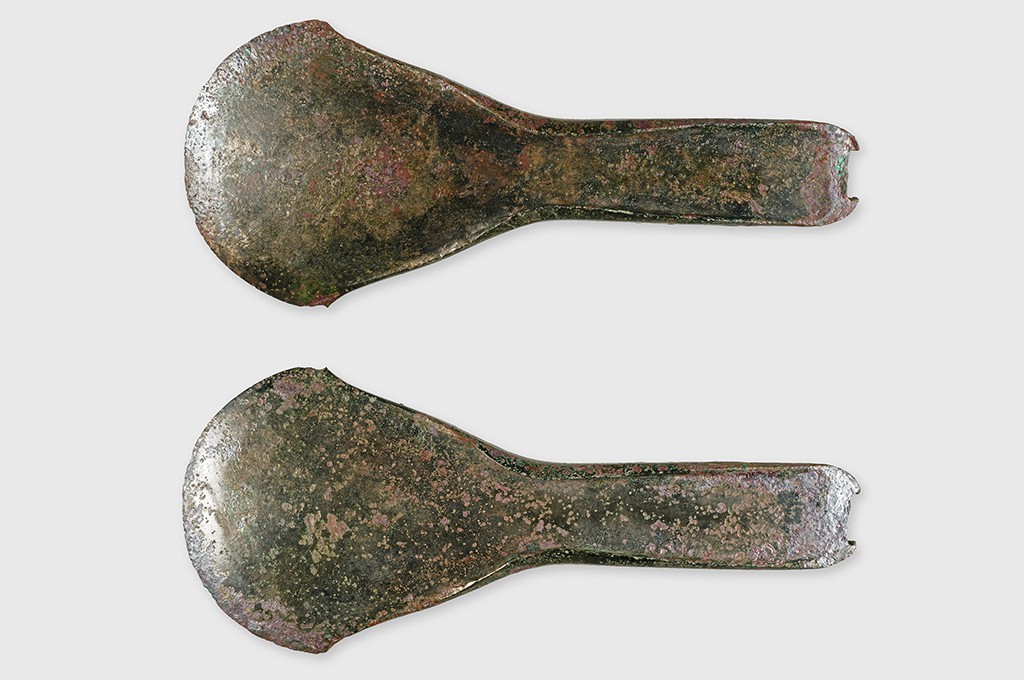
Though only 22 centimeters long, the axe’s substantial weight, solid bronze construction, and exceptional craftsmanship give it a truly monumental presence, making it one of the most impressive Bronze Age finds in the region.
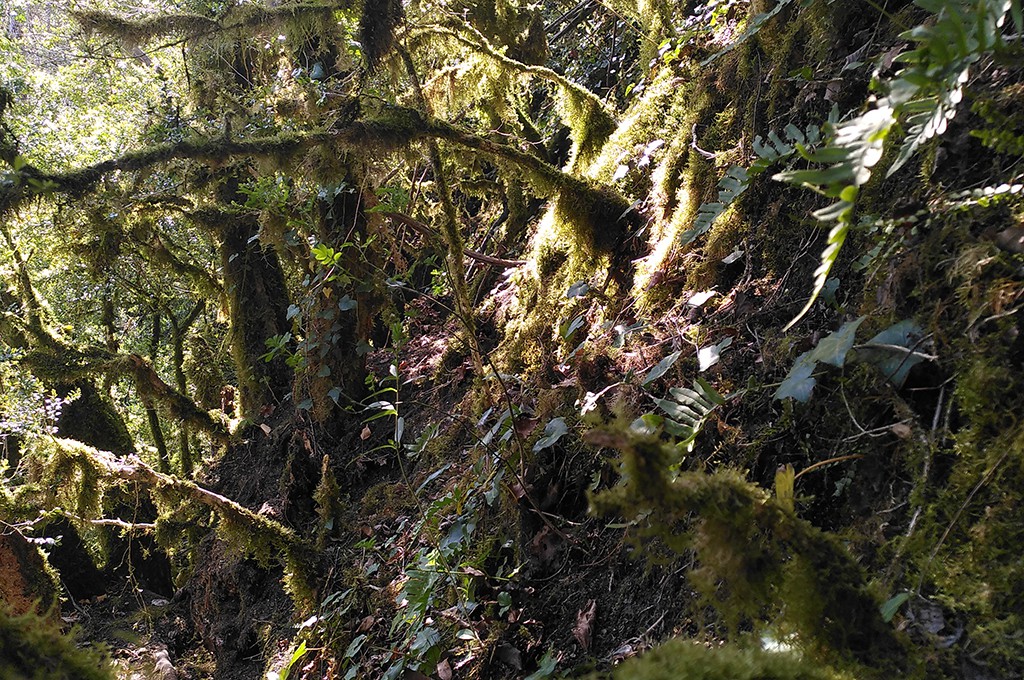
The finds were announced this week by Archäologie Baselland, following a field survey conducted in summer 2024. The artifacts were discovered on the steep slope below Schlossfelsen, a rocky outcrop above the small border village of Burg im Leimental, near France.
A Rare Find Nearly 170 Years After First Discovery
The discovery was made by a volunteer field surveyor using a metal detector during a systematic archaeological prospection. Hidden within the steep terrain, he located a solid bronze axe measuring approximately 22 centimeters in length. A short distance away, he identified a bronze garment pin.
What makes the discovery particularly fascinating is that this is not the first Bronze Age object found at Schlossfelsen. As early as 1858, a bronze sickle was recovered at the same site. All known objects from the location date to the Middle Bronze Age, around 1500 BC.
📣 Our WhatsApp channel is now LIVE! Stay up-to-date with the latest news and updates, just click here to follow us on WhatsApp and never miss a thing!!
Archaeologists now believe the site may have once contained a larger hoard that was either looted in antiquity or gradually dispersed over time.
Understanding Bronze Age Hoards
So-called hoards—intentional deposits of multiple metal objects—were a widespread phenomenon during the European Bronze Age. These deposits sometimes contained dozens or even more than a hundred items, including tools, weapons, and jewelry.
Researchers generally interpret such hoards as ritual offerings dedicated to deities. Objects were deliberately buried in the ground, placed in rock crevices, or even deposited in rivers and wetlands. These acts likely held spiritual or symbolic significance for Bronze Age communities.
The Burg axe was discovered inside a rock pocket filled with soil, which could suggest it was originally deposited as a single offering. However, because additional bronze objects have been found at the same location, archaeologists cannot rule out the possibility that it was part of a larger hoard.
The “Grenchen Type” Bronze Axe
The newly discovered axe is classified as a flanged axe of the so-called “Grenchen type.” This designation traces back to 1856, when construction work at a spring in Grenchen revealed a deposit containing four axes, four sickles, and a sword fragment.
Since that discovery, this distinctive flanged axe form has been referred to as the “Grenchen type,” named after its original find location. The Burg example strengthens the evidence that this specific axe design was widely distributed across the Jura region during the Middle Bronze Age.
The repeated appearance of such artifacts in northwestern Switzerland suggests strong regional connections and possibly established exchange networks linking communities across the Jura mountains and beyond.
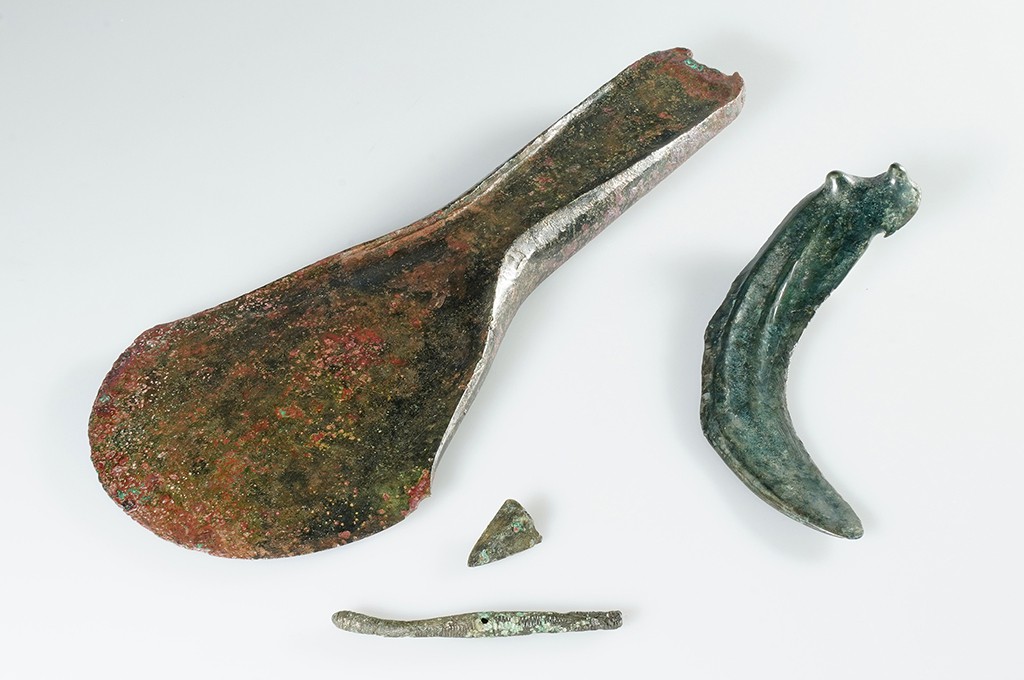
Compilation of all known Bronze Age objects from Schlossfelsen: flanged axe, button-shaped sickle, pin, and fragment of an arrowhead. Credit: Nicole Gebhard – Archäologie Baselland
A Significant Bronze Age Landscape
Although Burg im Leimental is today a quiet village near the Swiss-French border, its location would have been strategically valuable in prehistoric times. The region lies within a fertile landscape that connects routes toward both the Rhine and Rhône valleys.
Archaeological finds in nearby Rodersdorf and other surrounding communities confirm that the area was inhabited during the Middle Bronze Age. In addition, a larger Bronze Age hoard was discovered in 1998 in Biederthal, France, only about one kilometer from the Burg site.
Together, these discoveries suggest that the zone between the Sundgau plain and the northernmost foothills of the Jura held particular importance for Bronze Age populations—possibly as a settlement area, trade corridor, or ritual landscape.
Exhibition of the Finds
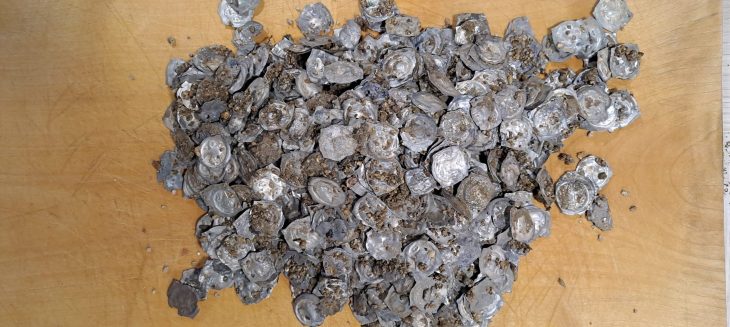
The newly discovered bronze axe and garment pin are now on public display in the special exhibition “Schatzfunde” (“Treasure Finds”) at the Historical Museum Basel, located in the Barfüsserkirche. The exhibition also features recently discovered Celtic gold and silver coins from Arisdorf, offering visitors a broader look at regional archaeological treasures.
With this latest find, Burg im Leimental joins a growing list of significant Bronze Age sites in Switzerland. Ongoing research may yet determine whether the “massive” axe represents a solitary ritual offering—or the surviving remnant of a once-substantial hoard buried 3,500 years ago.
Cover Image Credit: Nicole Gebhard – Archäologie Baselland