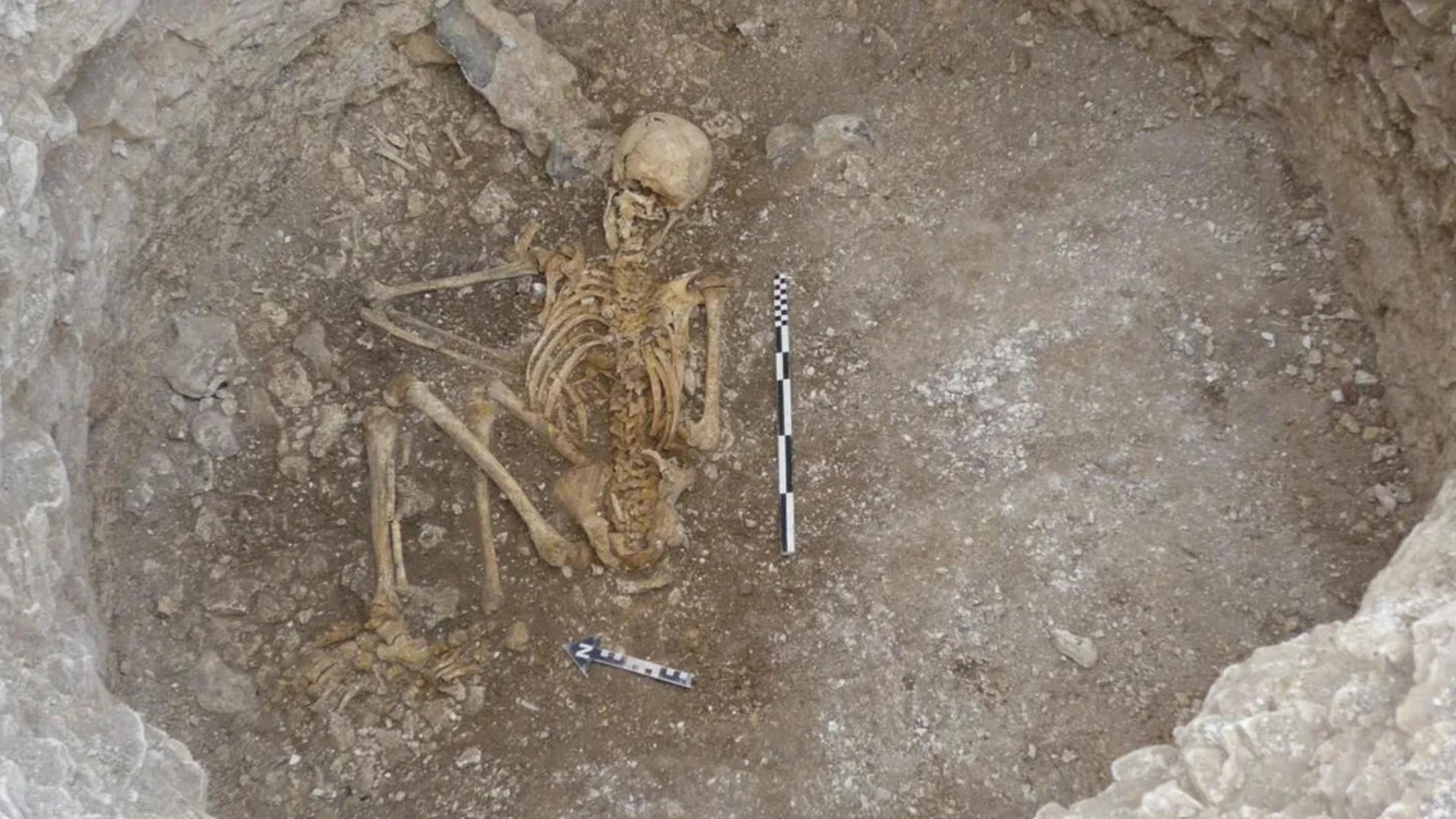
Archaeologists from Bournemouth University have uncovered the remains of a teenage girl buried face down in a pit in Dorset, southern England—an extraordinary discovery that may point to one of Britain’s earliest recorded cases of human sacrifice. The burial, dated to around 2,000 years ago, sheds new light on the ritual practices of the Iron Age Durotriges tribe, who inhabited the region long before the Roman conquest.
The skeleton, discovered during ongoing excavations at an Iron Age settlement, was found without grave goods and in a position that deviates sharply from normal burial customs of the time. Researchers believe her hands may have been bound before death. Such treatment of the body, archaeologists suggest, could indicate a violent or ceremonial death rather than a traditional burial.
“This appears to be the execution of a person carried out in a very theatrical manner,” said Dr. Miles Russell, Principal Academic in Prehistoric and Roman Archaeology at Bournemouth University. Russell leads the university’s long-term Durotriges Project, which has spent over a decade studying the pre-Roman communities of southern Britain. He added that the posture and context of the burial point toward an intentional act of punishment or sacrifice.
A Shocking Find on Camera
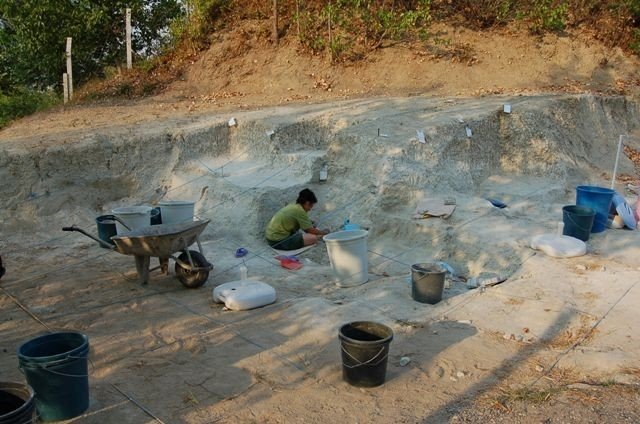
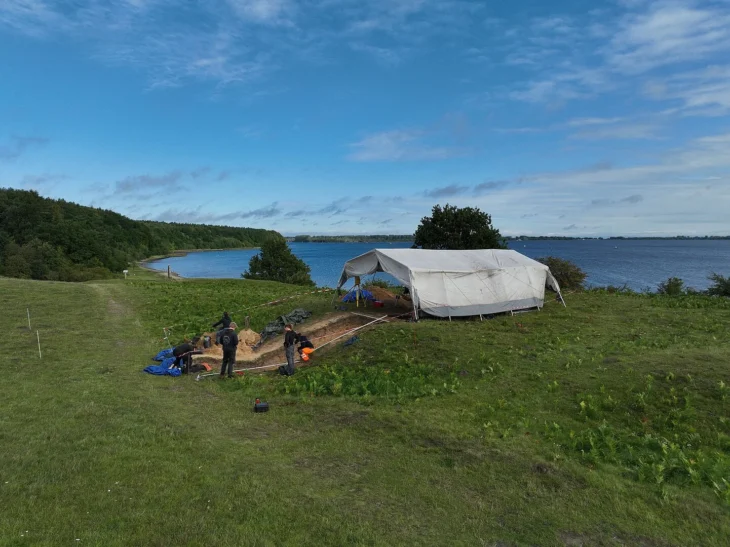
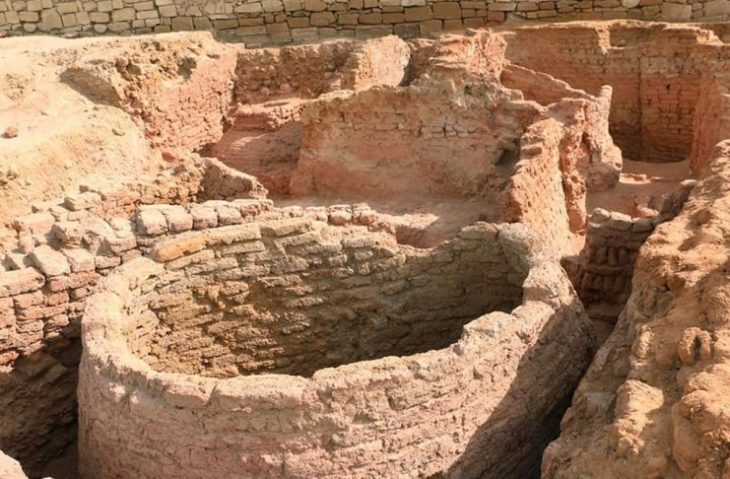
The discovery took place while Bournemouth University students and volunteers were filming an episode of “Sandi Toksvig’s Hidden Wonders”, a new Channel 4 series exploring Britain’s ancient mysteries. Accompanied by broadcaster and archaeology graduate Sandi Toksvig, the team unearthed both domestic dwellings and a small cemetery belonging to the Durotriges. What they found was not only a glimpse into Iron Age life but possibly a dark chapter of ritualized death.
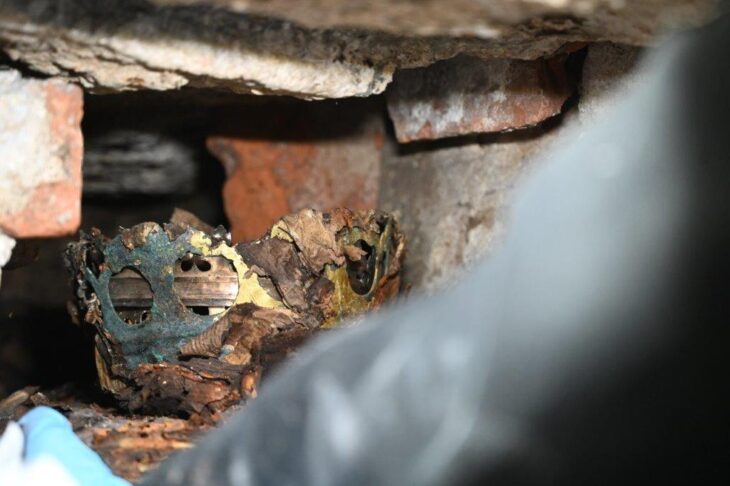
Toksvig, who studied Archaeology and Anthropology at the University of Cambridge over four decades ago, described the find as “deeply moving” and “haunting.” During the excavation, she observed several personal artifacts—bronze brooches, a bronze bangle, and a bone comb—many of which combined Roman-style craftsmanship with traditional Iron Age forms. The mixture of cultural influences, researchers say, paints a picture of a society at the crossroads of change.
📣 Our WhatsApp channel is now LIVE! Stay up-to-date with the latest news and updates, just click here to follow us on WhatsApp and never miss a thing!!
Evidence of Ritual Killing
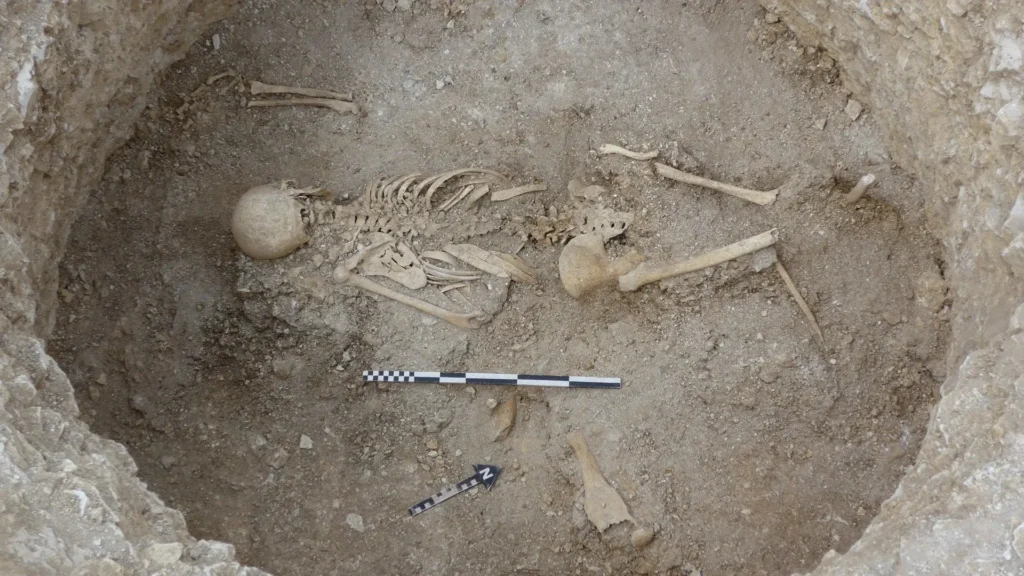
So far, the Dorset site has yielded three face-down burials, each belonging to young women. One, discovered in 2010, showed signs of a cut throat, and another—found in 2024—displayed evidence of trauma to the arms and torso. Such a pattern raises disturbing questions: Were women specifically targeted for ritual execution? And what social or spiritual beliefs justified such acts?
While the team has not yet confirmed the exact cause of death for the most recent skeleton, forthcoming DNA and isotope analyses aim to determine her ancestry, diet, and possible health conditions. These studies could also reveal whether the victims were locals or outsiders brought to the site for ceremonial purposes.
Matrilineal Societies in Iron Age Britain
The ongoing DNA research has already produced groundbreaking insights into the Durotriges community. Genetic data indicate that the tribe was matrilineal—a society where inheritance and lineage passed through women. This challenges long-held assumptions about gender roles in prehistoric Europe and aligns with some ancient Roman accounts that described Celtic women as powerful landowners and leaders.
According to Dr. Russell, “It marks the first time that evidence of matrilineal communities has been documented in Western European prehistory.” The findings suggest that men often migrated to live with their wives’ families, reinforcing the central position of women in both domestic and tribal life. If true, the prevalence of female victims in these ritual killings could hint at complex spiritual or political dynamics within Durotriges society.
Unraveling a 2,000-Year-Old Mystery
For archaeologists, the Dorset excavation is not just a study of ancient bones—it’s a window into the beliefs, fears, and social structures of a long-lost culture. The juxtaposition of everyday artifacts with violent burials reflects a people negotiating identity, power, and spirituality on the eve of Roman domination.
As Bournemouth University’s team continues to examine the site, the haunting question remains: Was the girl’s death an act of sacrifice, execution, or both?
Whatever the answer, the discovery underscores the enduring importance of archaeology in uncovering the human stories buried beneath Britain’s soil—stories that, two millennia later, still have the power to shock, move, and captivate.
Cover Image Credit: Bournemouth University