A groundbreaking archaeological discovery in Egypt is reshaping our understanding of early Christian monasticism, with experts now highlighting the Al-Qalāyā site as the second-largest monastic cluster in the history of Christianity. This revelation, announced by the Ministry of Tourism and Antiquities, places the Beheira Governorate firmly on the global map of early spiritual centers.
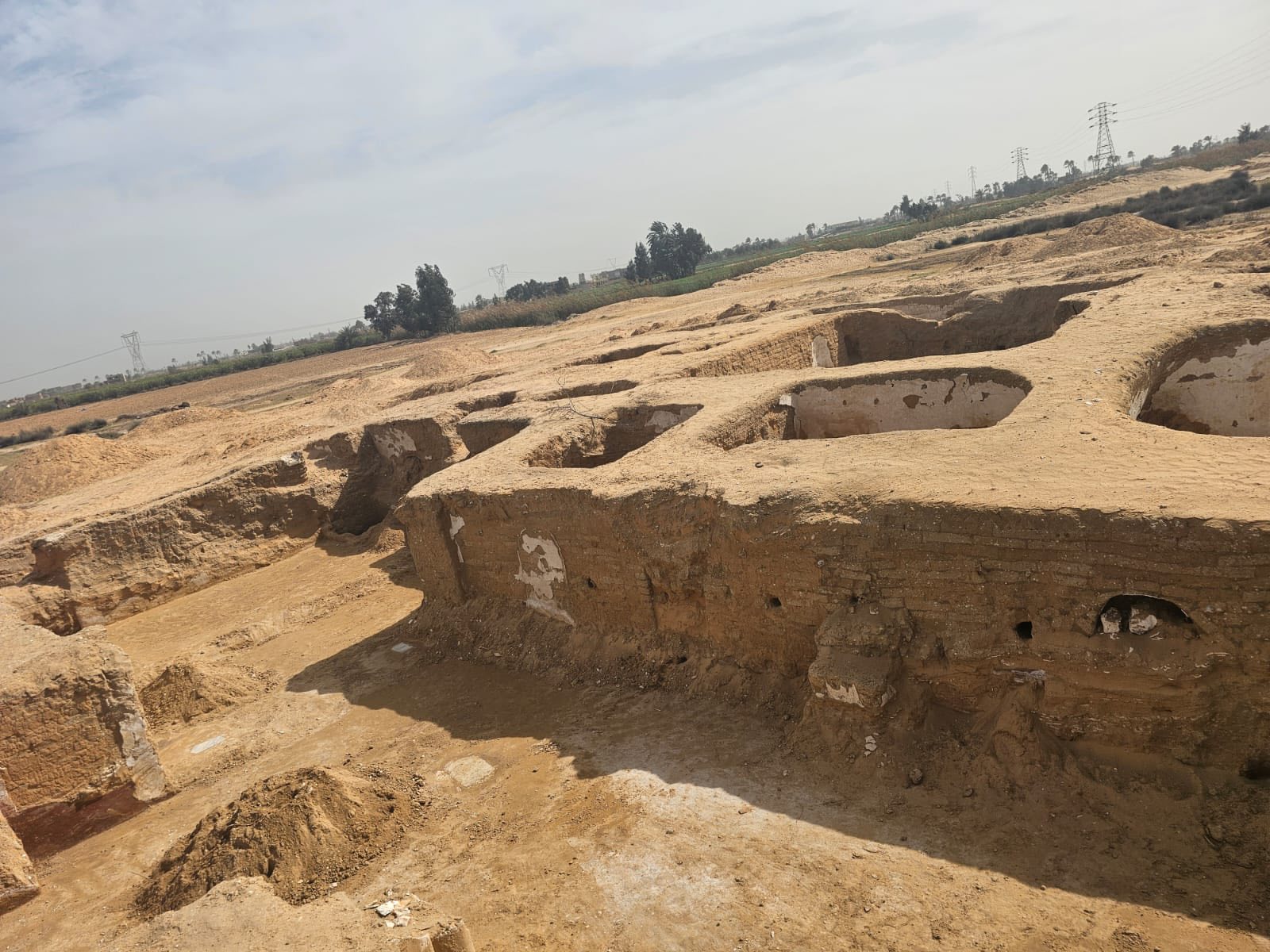
The Egyptian archaeological mission, operating under the Supreme Council of Antiquities, recently uncovered a 5th-century structure believed to have functioned as a guesthouse within this vast monastic complex. However, beyond the architectural significance of the building itself, it is the scale and historical weight of Al-Qalāyā that has captured the attention of scholars worldwide.
A Forgotten Giant of Early Christianity
For centuries, discussions of early Christian monasticism have often centered on Upper Egypt’s desert monasteries. Yet the Al-Qalāyā region in the Nile Delta is now emerging as a major counterpart—one that rivaled, and possibly complemented, the most influential spiritual centers of its time.
Dr. Hisham El-Leithy, Secretary-General of the Supreme Council of Antiquities, emphasized that Al-Qalāyā represents the second-largest organized monastic cluster in Christian history, underscoring its exceptional importance. According to him, the site preserves one of the earliest architectural blueprints for monastery formation, reflecting the transition from isolated hermitages to structured, semi-communal religious life.
This distinction elevates Al-Qalāyā from a regional archaeological site to a globally significant landmark in the development of organized monastic life.
📣 Our WhatsApp channel is now LIVE! Stay up-to-date with the latest news and updates, just click here to follow us on WhatsApp and never miss a thing!!
Architecture Reflecting a Spiritual Evolution
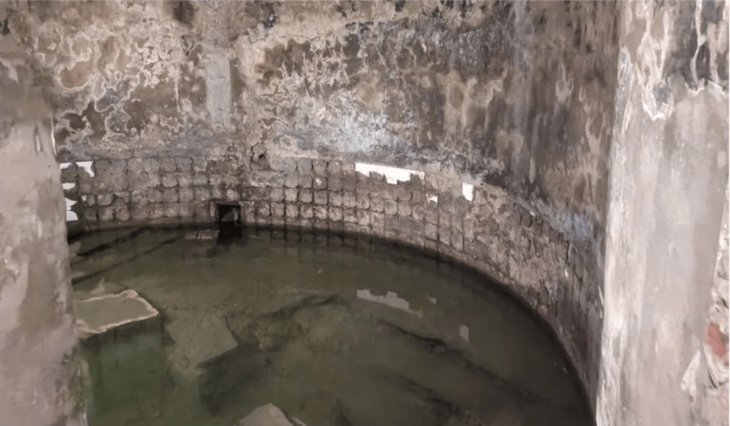
The newly discovered building—dating back to the 5th century CE—offers a microcosm of this transformation. Comprising 13 rooms, the structure includes individual monk cells, shared living quarters, educational spaces, and hospitality areas designed to receive visitors.
Such diversity in function illustrates a critical stage in monastic evolution: the shift from solitary asceticism to more community-oriented religious practices. The presence of dedicated guest facilities suggests that Al-Qalāyā was not an isolated retreat, but rather a thriving spiritual destination attracting religious leaders, pilgrims, and new initiates.
At the center of the building lies a prayer space oriented eastward, featuring a limestone cross embedded within a niche—an architectural hallmark of early Christian worship traditions.
Artistic Treasures Highlight Cultural Depth
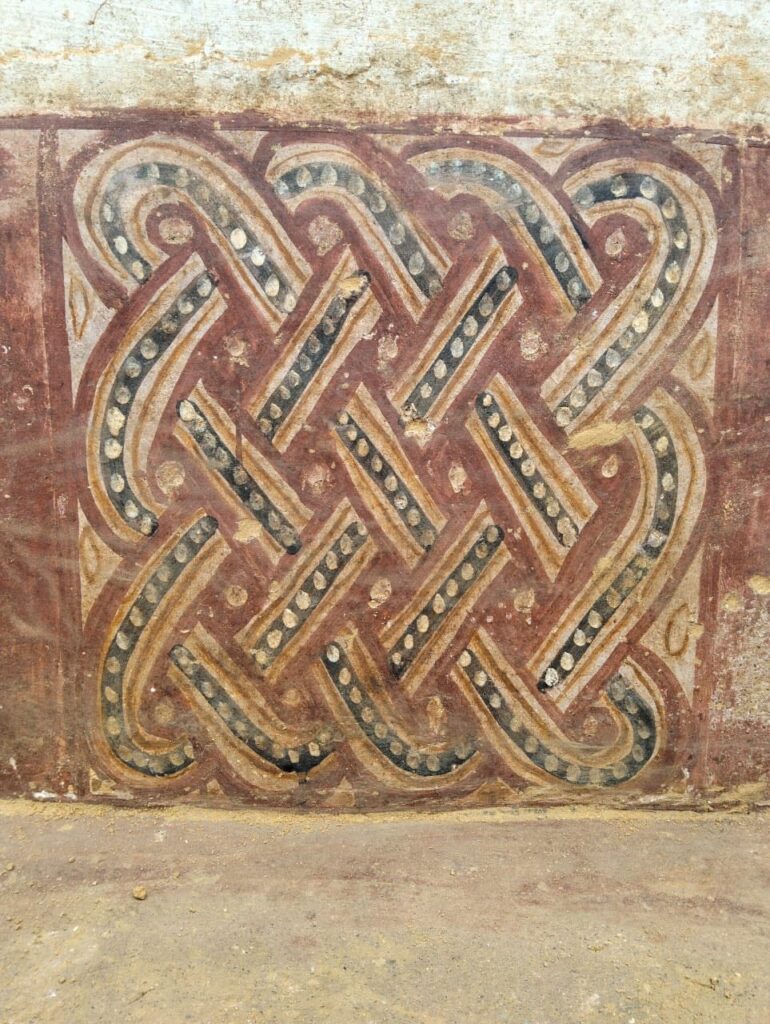
The site’s importance is further amplified by its artistic discoveries, which rank among the most valuable sources for studying early Coptic art. Wall paintings depicting monastic figures, along with intricate plant and geometric motifs, provide rare insights into the symbolic and aesthetic world of early Christian communities.
One standout mural portrays two gazelles surrounded by botanical decorations, framing a circular design rich in symbolic meaning. These elements are not merely decorative—they serve as visual narratives of faith, nature, and spiritual identity.
Such findings reinforce Al-Qalāyā’s role not only as a religious hub but also as a center of early Christian artistic expression.
Daily Life in a Major Monastic Center
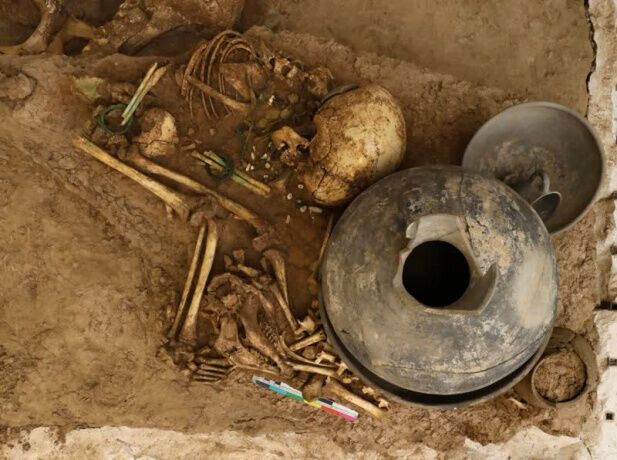
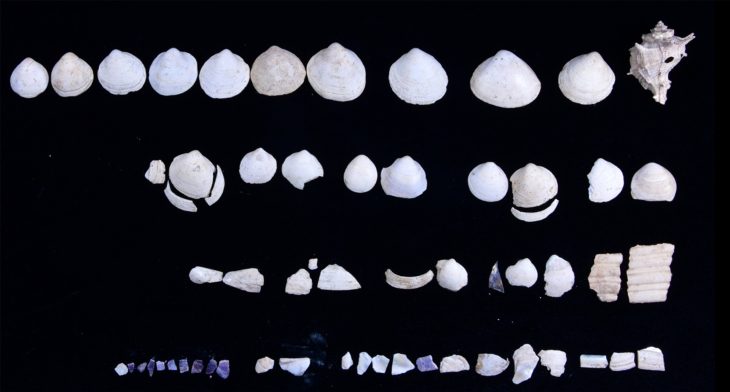
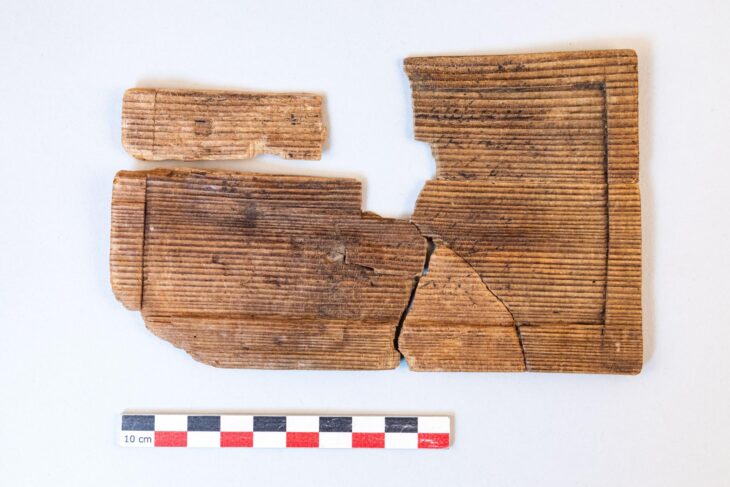
Artifacts uncovered at the site paint a vivid picture of daily life within this vast monastic network. Pottery vessels, inscribed ceramic fragments, animal bones, and seashells reveal details about diet, economy, and routine activities.
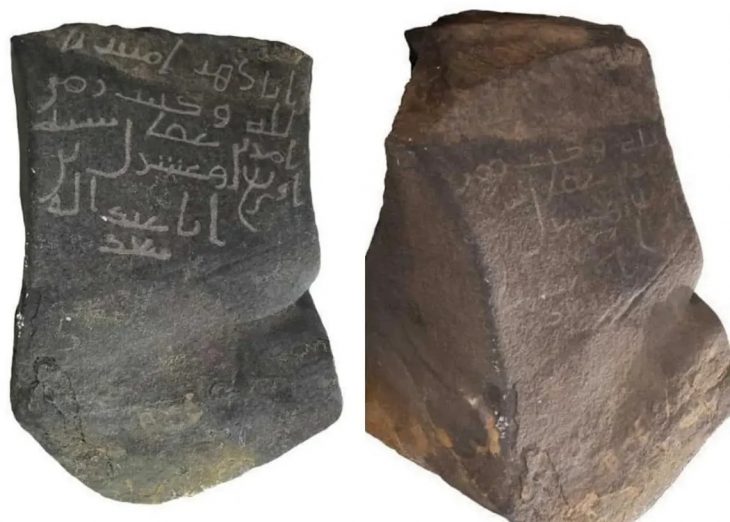
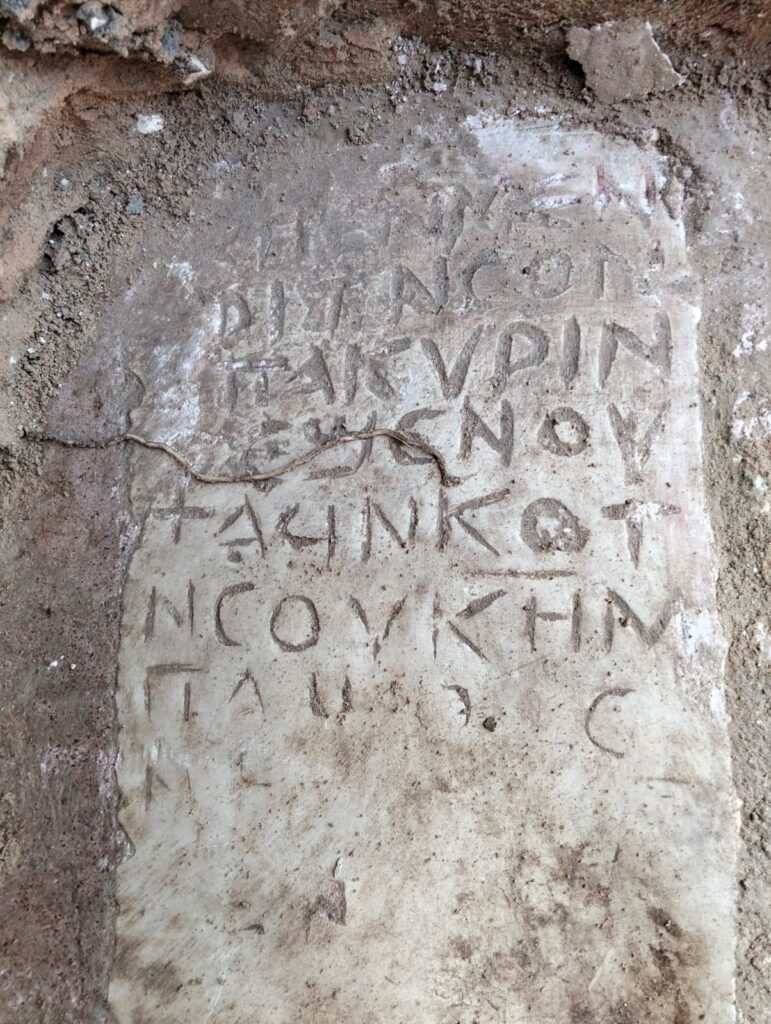
A particularly significant discovery is a limestone funerary inscription written in the Coptic language, referencing an individual named “Apa Kyr, son of Shenouda.” This suggests a continuation of human activity at the site during peak periods of monastic flourishing, adding a deeply personal dimension to the broader historical narrative.
Rewriting the Map of Monastic History
The recognition of Al-Qalāyā as Christianity’s second-largest monastic center challenges long-held assumptions about the geographic distribution of early monastic life. While Upper Egypt remains central to the story, the Nile Delta now appears to have played a far more influential role than previously believed.
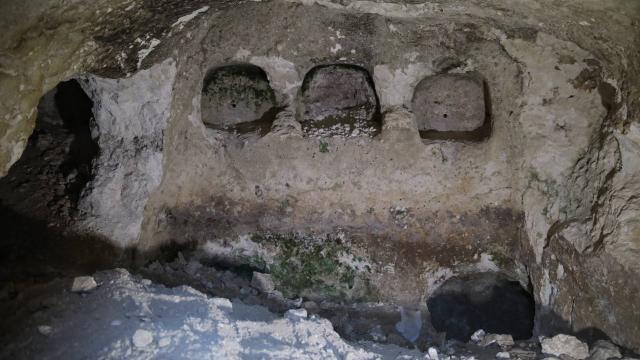
Since excavations began in 2023, archaeologists have uncovered multiple “manshubiyyat”—clusters of monk cells—alongside service buildings and artistic remains. Together, these discoveries confirm that Al-Qalāyā was not a minor settlement but a major, organized religious complex of regional and international significance.
A Site of Global Importance
As research continues, Al-Qalāyā is poised to become one of the most important archaeological sites for understanding early Christianity. Its scale, complexity, and state of preservation offer a rare opportunity to explore how monastic communities grew, interacted, and influenced wider society.
In spotlighting Al-Qalāyā’s status as the second-largest monastic cluster in Christian history, this discovery does more than add a new chapter to Egypt’s rich past—it fundamentally reshapes the narrative of how organized religious life developed across the ancient world.
With each new layer uncovered, Al-Qalāyā is proving that some of history’s most influential spiritual centers have been hidden in plain sight, waiting to redefine what we thought we knew about the origins of monastic tradition.
Ministry of Tourism and Antiquities
Cover Image Credit: Ministry of Tourism and Antiquities via Facebook