14 December 2025 The Future is the Product of the Past

The Ancient City of Miletos’s “Sacred Cave” Opened to Visitors

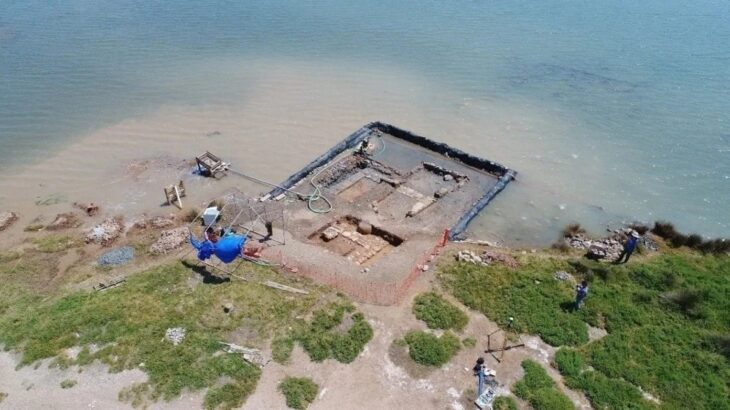
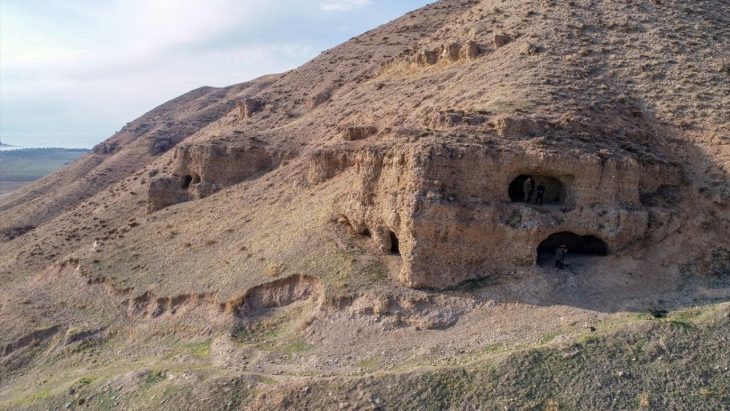
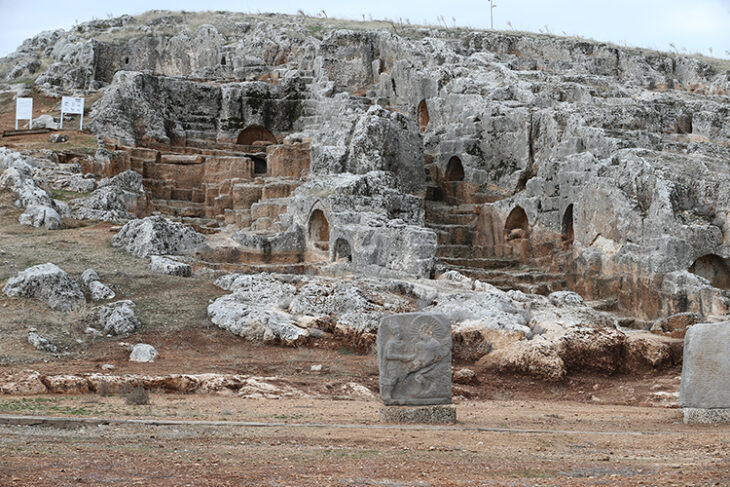
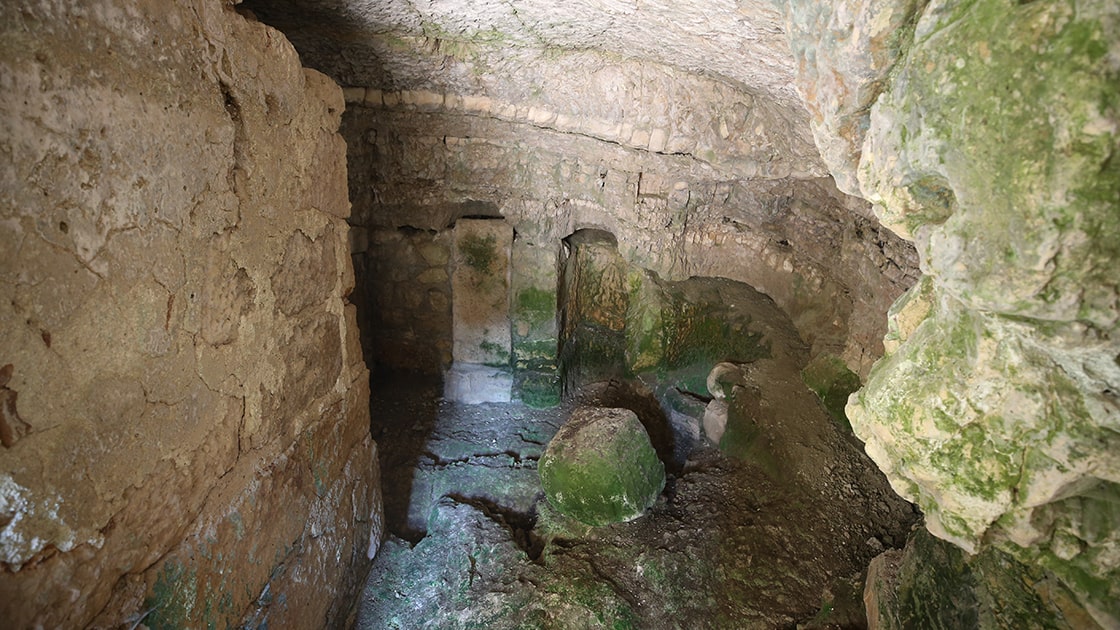
In the ancient city of Miletos, which had an important place in the advancement of philosophy, art, and science in Antiquity, the “sacred cave” belonging to the cult of Asclepius, the god of health, was opened to visitors.

The Ancient City of Miletos is an ancient port city in 20 miles (30 km) south of the present city of Aydın, Turkey, on the coast of western Turkey. It lies near the mouth of the Büyükmenderes River.

About the “sacred cave” in Miletos Ancient City, Aydın Provincial Culture and Tourism Director Umut Tuncer told reporters that the existence of the cave under the theater in the ancient city was forgotten over time due to the vegetation in front of it and the closing of the way to enter.

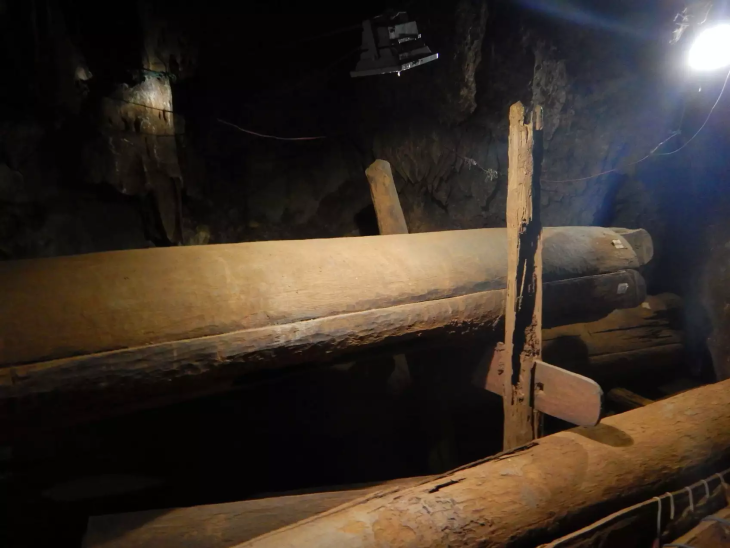
Tuncer stated that after the discovery made during the excavations, work was carried out in the cave and it was estimated that the water, which was believed to be sacred in the past, was found in the cave. Tuncer said now that this water could not be reached.
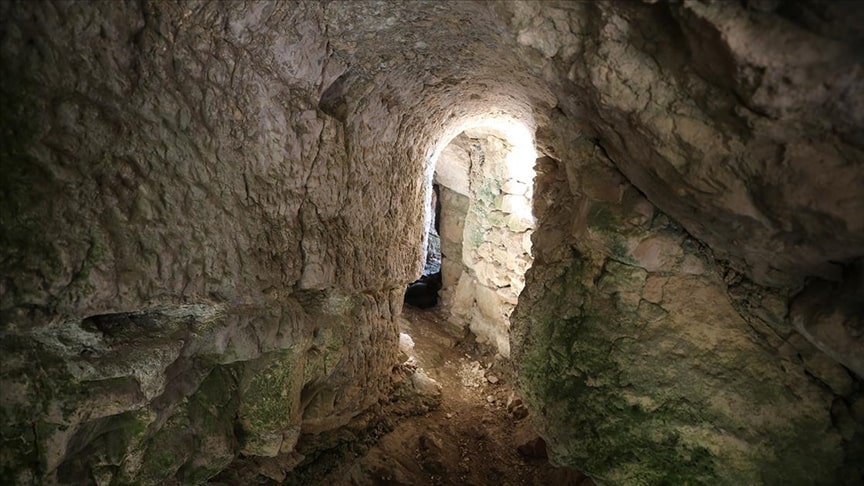
The Ancient City of Miletos sacred cave
Photo: Ferdi Uzun/AA

Head of the Miletos Ancient City Excavations Committee, Prof Dr. Christof Berns from the Department of Archeology at the University of Hamburg, explained that they found that the rocks were processed in the cave, which is a natural formation, in the 3rd century BC, and added, “We found votive objects in the cave. That’s why we think it’s a holy place.” he said.


📣 Our WhatsApp channel is now LIVE! Stay up-to-date with the latest news and updates, just click here to follow us on WhatsApp and never miss a thing!!


Miletos Museum Director Baran Aydın gave the following information about the cave:

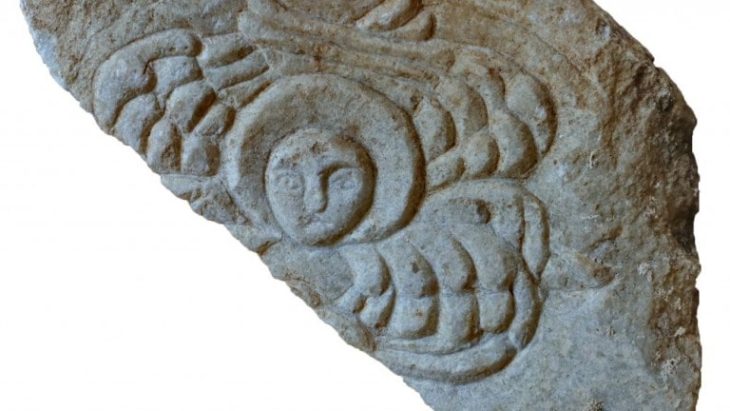
The reason why it is called a “sacred cave” is that there are some traces of the cult of Asklepios, known as the god of health. Sculpture fragments were found. Just like the drinks that heal people from various diseases in Bergama Asklepion, the existence of using water can be considered. Maybe the front of the theater was the harbor at that time. Perhaps the arriving sailors were receiving treatment here. Although these are of course question marks, some of the historical artifacts we have give strong clues in this direction.”

Miletus, founded by the Greeks on the coast of western Anatolia, is remembered in history as the birthplace of mathematician Thales, as well as Anaxagoras and Anaximander, two prominent philosophers. Miletus was also one of Ionia’s oldest and most significant Greek towns, with four harbors to its credit.
Source: AA

Related Articles

Ancient reliefs become target of treasure hunters

7 January 2024

7 January 2024

An academic has cautioned that urgent protection is required for the historic Adamkayalar (Men of Rock) reliefs in the southern...

Red lipstick dating back 3,600 years was discovered in Iran -the oldest ever found-

14 February 2024

14 February 2024

Archaeologists have discovered a small chlorite vial containing a deep red cosmetic preparation believed to be an ancient type of...

New Roman Settlement Discovered in Türkiye May Be Linked to the Lost City of Arsameia

17 October 2025

17 October 2025

Archaeologists in southeastern Türkiye have discovered a previously unknown Roman settlement dating to the 4th century AD — a site...

3,500-Year-Old Human-Bodied, Eagle-Headed Seal Discovered in Central Türkiye

9 September 2025

9 September 2025

Archaeological excavations at Karahöyük in central Türkiye have led to a remarkable discovery: a 3,500-year-old human-headed, eagle-bodied seal. According to...

5,000-Year-Old Mysterious Ritual Pits Unearthed in Germany Reveal Burned Homes, Dog Sacrifices, and Human Skulls

1 August 2025

1 August 2025

Archaeologists uncover over 5,000-year-old ritual pits filled with burned structures, dog remains, and human skulls in Saxony-Anhalt, suggesting complex ceremonies...

Exploring the life story of a high-status woman from isotope data in Hungary’s largest Bronze Age cemetery

29 July 2021

29 July 2021

Researchers examined 29 tombs from Szigetszentmiklós-Ürgehegy, one of Hungary’s largest Middle Bronze Age cemeteries, and one of them, a high-status...

The Lady of the Inverted Diadem (7th Century BC): A Fallen Aristocrat Unearthed in Boeotia, Greece

29 November 2025

29 November 2025

An archaeological discovery in Boeotia uncovers the 7th-century BC Lady of the Inverted Diadem, revealing elite burials, rare artifacts, and...

The Ancestors of Today’s Barbie Dolls “Coptic dolls”

23 September 2023

23 September 2023

For as long as there has been civilization, children have played with dolls. Wooden dolls with bead hair have been...

The DNA of 4000-years-old hazelnut shells found in Kültepe

11 November 2023

11 November 2023

Excavations conducted ten years ago at the archaeological site of Kültepe Kanesh Karum, which dates back 6,000 years and is...

4000-year-old sword found in Finland

12 October 2021

12 October 2021

A Bronze Age sword dating back as far as 1700 B.C.was discovered broken in items in Finland this previous summer...

Archaeologists unearth hidden tunnels under the 3,000-year-old temple complex

6 June 2022

6 June 2022

Archaeologists have discovered a system of hidden tunnels beneath the 3,000-year-old Chavín de Huántar temple complex in the Ancash Region...

Thousand-year-old bone skate discovered in Czech Republic

20 March 2024

20 March 2024

Archaeologists from the central Moravian city of Přerov, Czech Republic have announced a unique discovery. While carrying out excavations in...

The first mother-daughter burial from the Roman period found in Austria

3 May 2024

3 May 2024

Modern scientific methods are increasingly uncovering spectacular results from archaeological finds dating back a long time. A grave discovered 20...

Lost Children’s Circle: Seven Infant Remains Unearthed in Mysterious Hittite Ritual Structure at Uşaklı Höyük

8 August 2025

8 August 2025

At the heart of Uşaklı Höyük (Uşaklı Mound), archaeologists have uncovered the “Lost Children’s Circle” — a mysterious Hittite-era ritual...

Remains of painkillers were found in 4500-year-old vessels during excavations at Küllüoba Höyük in Turkey

20 September 2022

20 September 2022

In the excavations of the Early Bronze Age Küllüoba Höyük (Kulluoba Mound) in Eskişehir, where the first urbanization structure of...