7 December 2025 The Future is the Product of the Past

30 Graves Found in the Basilica-Planned Ancient City

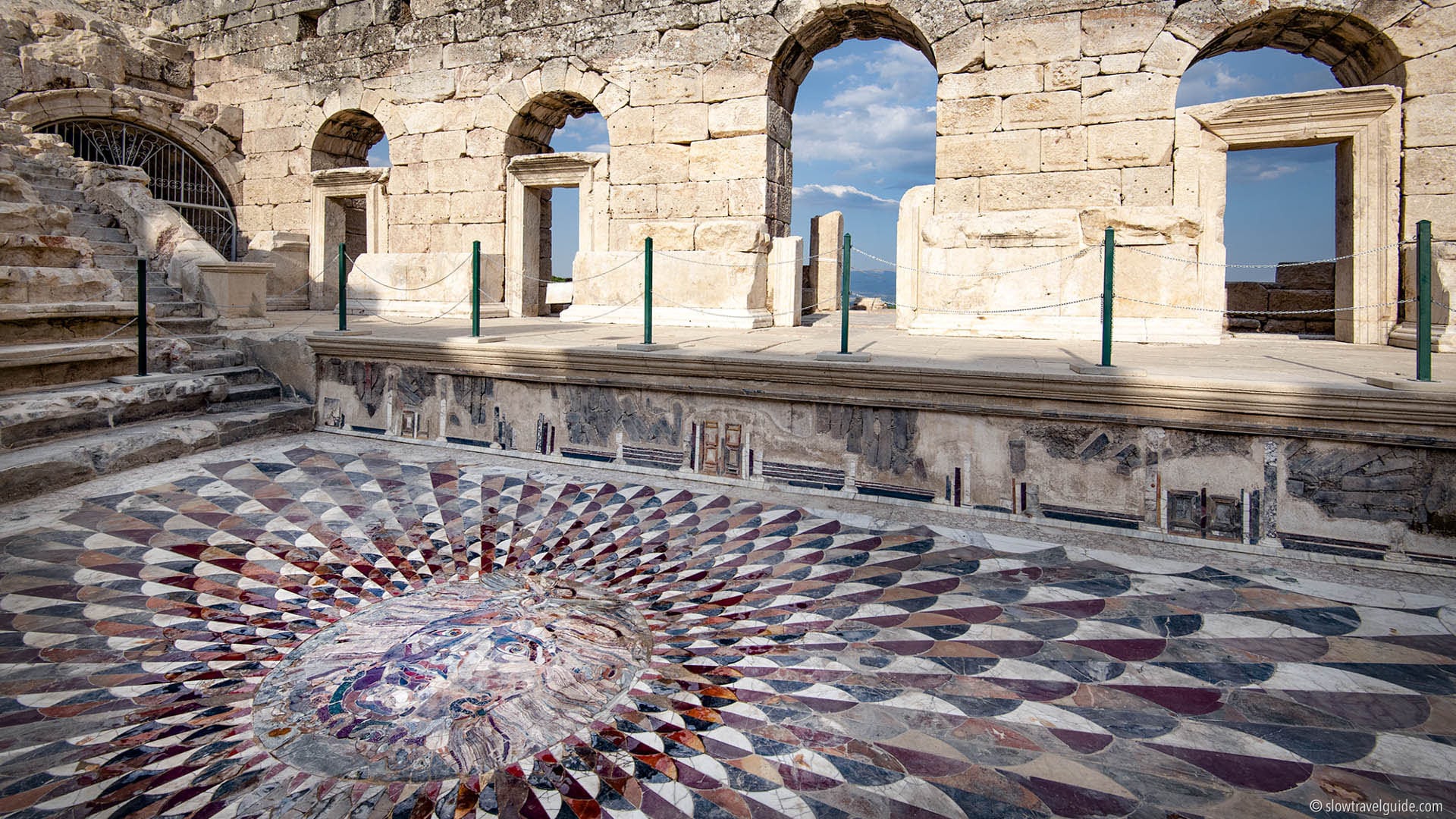
Kibyra ancient city is situated south of Turkey, located in the town Gölhisar in the southwestern part of Burdur Province, about 20 kilometers apart. 110 kilometers away from the provincial center.

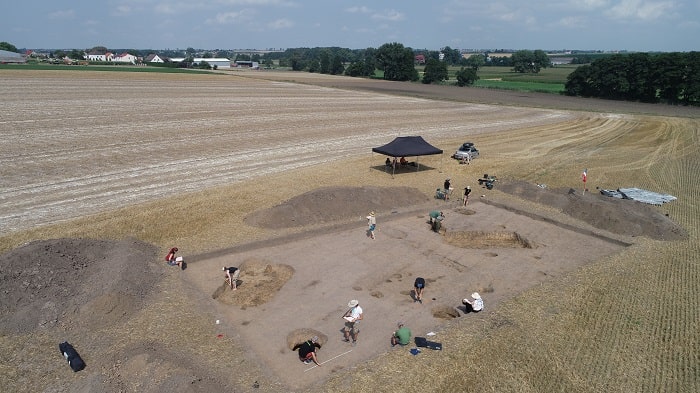
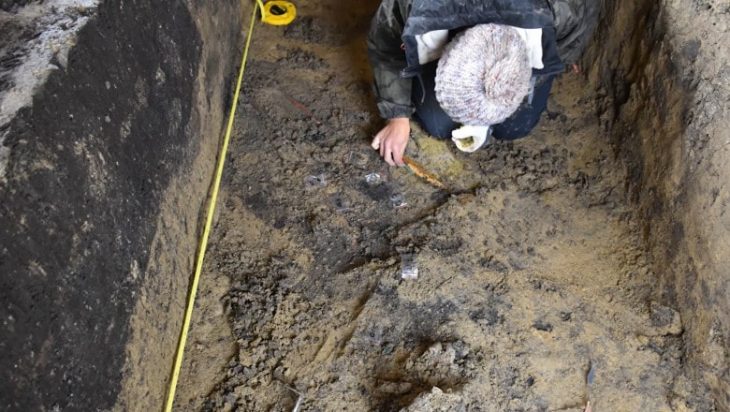
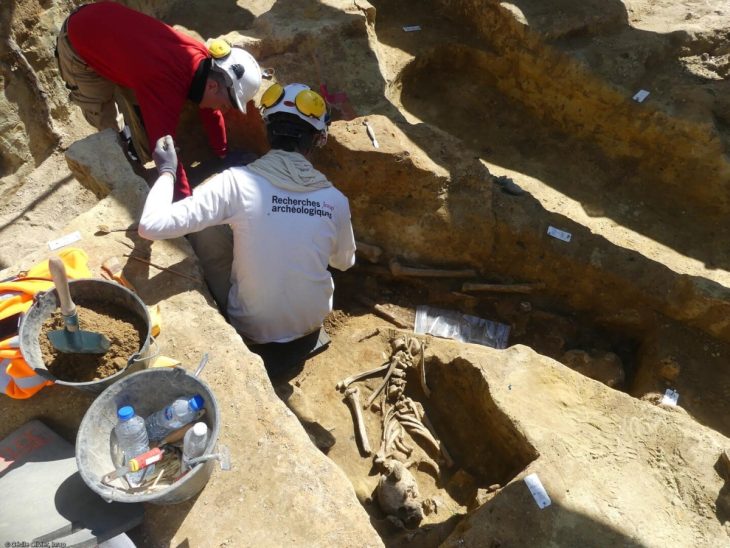
Kibyra is on the tentative list of UNESCO World Heritage Sites and is an important ancient city in Turkey today. Archaeological excavations began in 2019, in the church structure planned for the basilic in this ancient city. Approximately 30 tombs were unearthed in the church.

Thirty tombs were unearthed in basilica-planned church the and many of them are believed to belong to important clergy of the city at the time.

One of the excavation team members, Düzgün Tarkan stated that works continue to determine to whom the graves belonged. “Our goal is to excavate this building in the next two years, to start the restoration, and to bring this important building to tourism.”
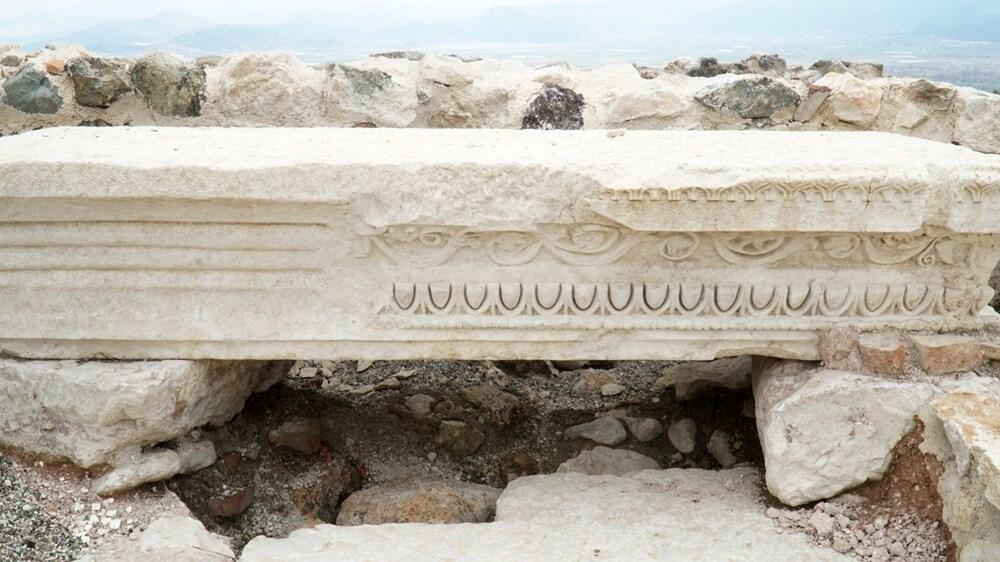
Kibyra, Thirty graves
Thirty tombs were unearthed in basilica-planned church the and many of them are believed to belong to important clergy of the city at the time.

Stating that the city had many important public buildings, Tarkan said, “It is one of the important ancient cities of Turkey with many important buildings from the 4th century B.C. to the 7 and 8th century A.D. Excavations show that the church building was used for meetings. Most of these graves were used by the Christian community living in Kibyra after the church was destroyed by an earthquake or other natural disasters.”


📣 Our WhatsApp channel is now LIVE! Stay up-to-date with the latest news and updates, just click here to follow us on WhatsApp and never miss a thing!!


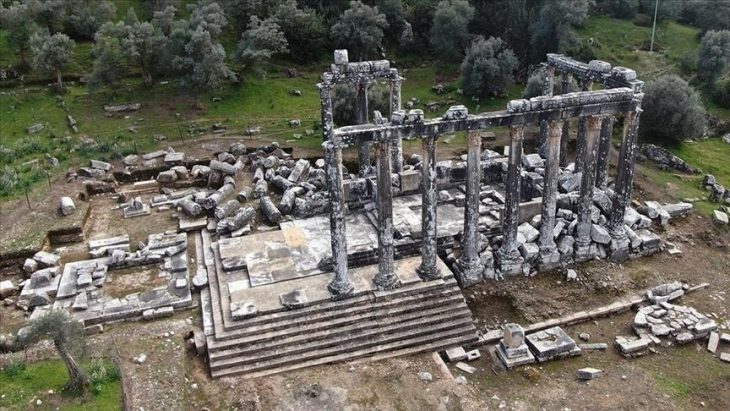
Emphasizing that the building is quite large and is a rectangular building divided into three halls with two rows of columns, Tarkan said, “The Kibyra basilica is a well-preserved building with very monumental dimensions. As of this year, we are planning to start excavations in the interior. We plan to complete the excavation work in the building in two excavation seasons. It is an important building in terms of documenting the religious transformation of the city.”

Kibyra, also known as Cibyra Magna, was the main city of the Cibyratis region. This confederation of towns and villages from the area of ​​Pisidia was established in the 2nd century BC. Its core was made up of four cities – Kibyra, Bubon, Balubura, and Oenoanda, known collectively as Tetrapolis.

Moagetes, son of Pancrates, was the last tyrant of Kibyra. Roman general Lucius Licinius Murena put an end to the federation in 83 BCE during the Second Mithridatic War. The territory of the federation was then divided, and the city of Kibyra was attached to Phrygia.

After the Roman conquest, Kibyra was still the important city in the region. Its importance was strengthened by its location at the crossroads of important communication routes, on the border of Caria, Lydia, Phrygia, and Pisidia.
Related Articles

Ancient Humans Used Indigo Plant 34,000 Years Ago: First Evidence of Non-Food Plant Processing Found in Georgia

3 September 2025

3 September 2025

34,000-year-old indigo plant residues found in Georgia’s Dzudzuana Cave reveal that prehistoric humans processed plants for more than just food....

Iron Age Children’s a Unique Funerary Building Discovered in Oman

3 March 2024

3 March 2024

Archaeologists have uncovered a unique Iron Age children’s funerary building at the Manaqi archaeological site in Rustaq, South Al Batinah...

A 2,000-year-old Roman sewage system has been discovered in western Turkey

19 September 2021

19 September 2021

The archaeological excavations carried out in the ancient city of Tripolis in the western province of Denizli’s Buldan district have...

Britain’s first Roman funerary bed is discovered in central London after 2,000 years

7 February 2024

7 February 2024

Archaeologists excavating a construction site in London have unearthed the first Roman “flat-packed” funerary furniture – a fully intact Roman...

“Exceptionally rare” gold sword pommel given to Scottish national museums

24 October 2022

24 October 2022

An “exceptionally rare” solid gold sword pommel found by a metal detectorist near Blair Drummond, Stirling, has been acquired by...

Military Team Discovers Remarkable 2,000-Year-Old Celtic Artifacts, Including Chariot Parts and Bridle-Bit

4 February 2025

4 February 2025

Military personnel and veterans at RAF Valley in Anglesey on the island of Anglesey, Wales, have uncovered sensational Iron Age...

The researchers may have cracked the mystery of da Vinci’s DNA

7 July 2021

7 July 2021

A recent study of Leonardo da Vinci’s family tree indicates that the renowned Renaissance artist, inventor, and anatomist had 14...

‘Dinosaur dance floor’ dating back 80 million years found in China

20 April 2021

20 April 2021

In China, researchers have found many dinosaur footprints in an area of 1,600 square meters described in the literature as...

Rare Roman Marble Sarcophagus Depicting Dionysus and Hercules Discovered in Caesarea, Israel — A First of Its Kind

9 June 2025

9 June 2025

A rare Roman-era marble sarcophagus featuring a vivid scene of a mythological drinking contest between Dionysus, the god of wine,...

Ancient Guests, Exotic Gifts: Wild Boars Traveled Miles to a Prehistoric Feast in Iran

15 July 2025

15 July 2025

New research suggests prehistoric communities in Iran’s Zagros Mountains transported wild boars over 70 kilometers to participate in elaborate communal...

One of Gaul’s Largest Roman Villas Discovered Near Auxerre, France, Spanning Over 4,000 m²

7 June 2025

7 June 2025

Archaeologists uncover a massive 4,000 m² Roman villa near Auxerre, revealing elite lifestyles in ancient Gaul. A remarkable archaeological discovery...

Digitally Reconstructed: Roman Roads That Shaped 1,000 Years of Travel Across Medieval Britain

21 May 2025

21 May 2025

Researchers digitally reconstruct medieval England and Wales’ travel routes, revealing how Roman roads shaped post-Roman mobility over a thousand years....

Neolithic Twin of Knossos: First 8,800-Year-Old Architectural Remains Unearthed on Gökçeada

28 August 2025

28 August 2025

Archaeologists excavating the Uğurlu-Zeytinlik Mound on Türkiye’s westernmost island in the Aegean Sea, Gökçeada (Imbros), have uncovered something never before...

16th-Century Compass Possibly Belonging to Nicolaus Copernicus Unearthed in Poland’s Frombork

8 August 2024

8 August 2024

Researchers have discovered a 16th-century compass that is thought to have been used by astronomer Nicolaus Copernicus in the canonical...

1,800-Year-Old Roman Watchtower Discovered in Croatia

3 August 2025

3 August 2025

Archaeologists in Croatia have uncovered the remains of a 1,800-year-old Roman watchtower that once stood guard along the empire’s northern...