
In a world where ancient faith still echoes beneath our feet, the most significant religious archaeological discoveries of the last decade have not only rewritten history but also rekindled the spiritual connections between the past and the present.
From forgotten churches to ancient relics, these discoveries reveal the spiritual heartbeat of our past.
When Faith Guides the Spade
Archaeology and religion have always been intrinsically connected. From the earliest days of archaeological exploration, the search for sacred sites, relics, and temples drove many of the earliest expeditions. Whether motivated by a desire to prove historical narratives found in religious texts or simply to understand the spiritual practices of ancient civilizations, religion has often served as a compass guiding the archaeologist’s spade.
Over the last decade, several groundbreaking discoveries have provided fresh insights into the world of ancient faiths, reaffirming the central role that religion plays in the story of human civilization. This article highlights some of the most significant religious archaeological discoveries made in the past ten years, from the most recent to the more ancient.
- Tharais: A Hidden Byzantine Christian Settlement (2025)
In 2025, archaeologists in southern Jordan unearthed the remains of a forgotten Byzantine Christian site, known as Tharais. This settlement revealed a basilica-style church adorned with mosaic floors, olive oil presses, and monastic dwellings.
Dating to the 6th and 7th centuries CE, Tharais appears to have been an active spiritual and economic center until it was mysteriously abandoned. The layout and iconography reflect the depth of Christian devotion in the region and provide crucial insights into Byzantine religious architecture in the Levant.

- Traces of Olive and Grape at the Church of the Holy Sepulchre (2024)
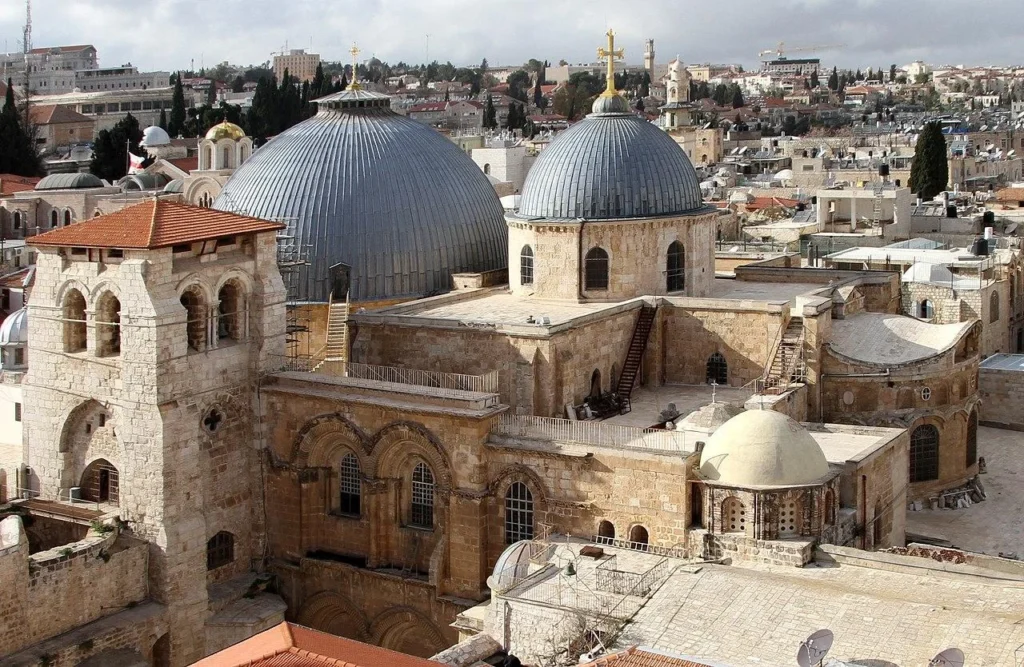
In a discovery that intertwines science and scripture, a 2024 study identified ancient traces of olive and grape seeds buried beneath the Church of the Holy Sepulchre in Jerusalem.
Dated to the 1st century CE, these findings support biblical descriptions of a garden-like area near the crucifixion and burial site of Jesus. The discovery offers rare botanical evidence aligning with the Gospel narratives and lends material support to long-standing Christian traditions.
- Christian Frescoes in Nubian Dongola (2022)
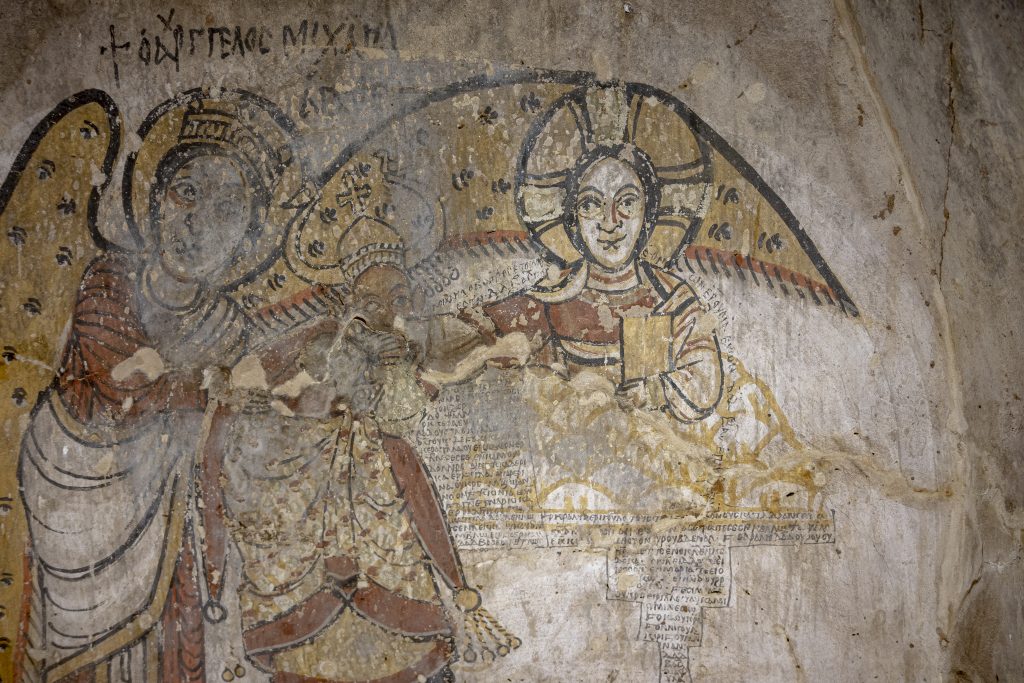
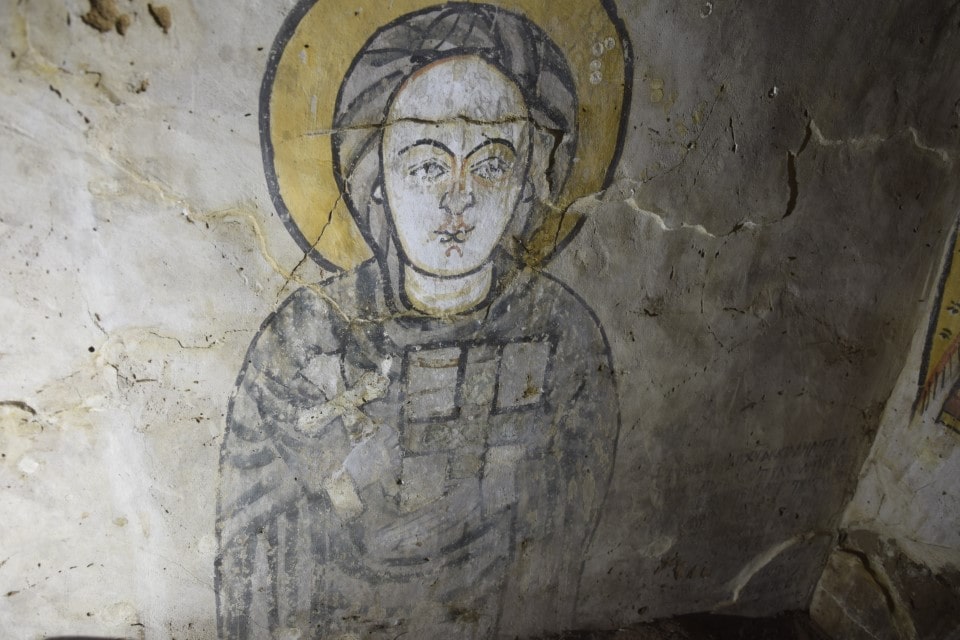
Excavations in Dongola, Sudan, in 2022 revealed astonishing Christian frescoes within a medieval structure once used as both palace and church.
The artwork depicts the Virgin Mary, Christ, and archangels in stylistically rich detail, reflecting the spiritual sophistication of Nubian Christianity. These frescoes, dating to the 10th–13th centuries, underscore the cultural and theological vibrancy of African Christian kingdoms often overlooked in mainstream religious history.
- The Frankfurt Silver Amulet (2018)
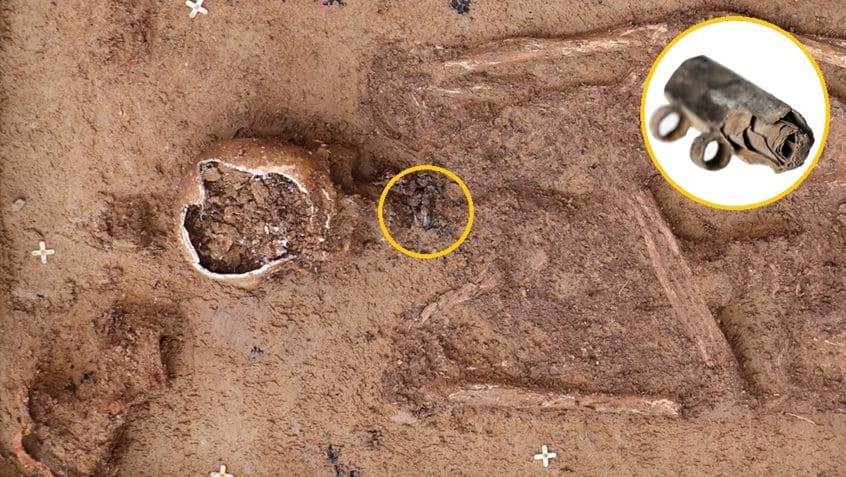
Discovered in 2018 in what is now modern-day Germany, the Frankfurt silver amulet is one of the earliest known physical references to Jesus in the northern Roman provinces.
The 3rd-century CE talisman contains an inscription calling for divine protection in the name of Jesus. This small artifact not only sheds light on the spread of Christian belief beyond the Mediterranean but also illustrates the personalization of faith through wearable religious symbols.
- The Megiddo Church Mosaic (2015)
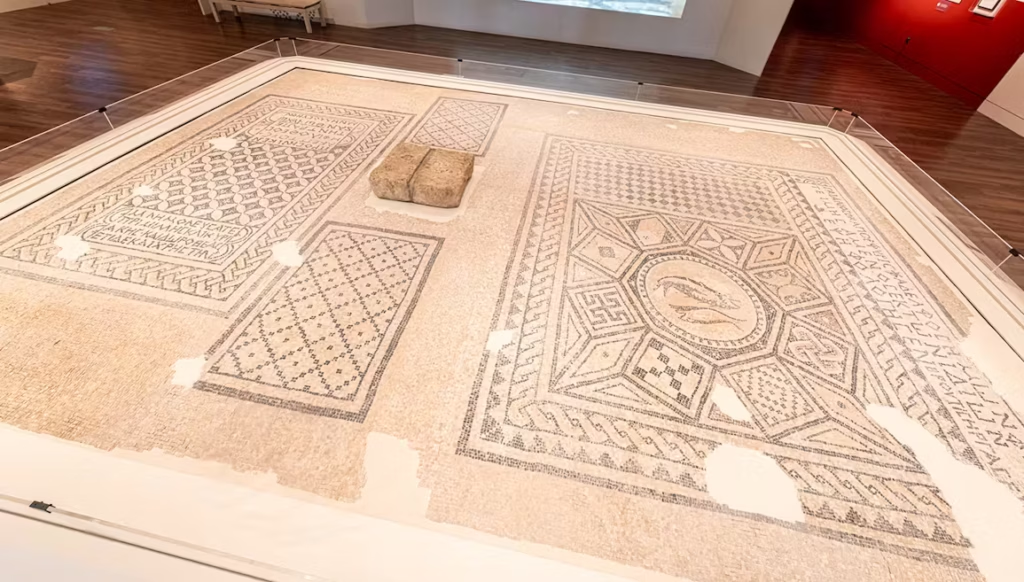
Located within the walls of a modern Israeli prison, the site of Tel Megiddo yielded one of the most surprising early Christian discoveries of the decade. The Megiddo church, unearthed in 2015, includes a well-preserved floor mosaic and inscriptions dating to the early 3rd century CE.
One of the earliest known Christian worship sites, it references Jesus as God and is believed to have served a Roman military community. The church pre-dates Constantine’s legalization of Christianity, offering an unprecedented glimpse into pre-Constantinian Christian worship practices.
- The Magdala Stone and Synagogue (2009–2014)
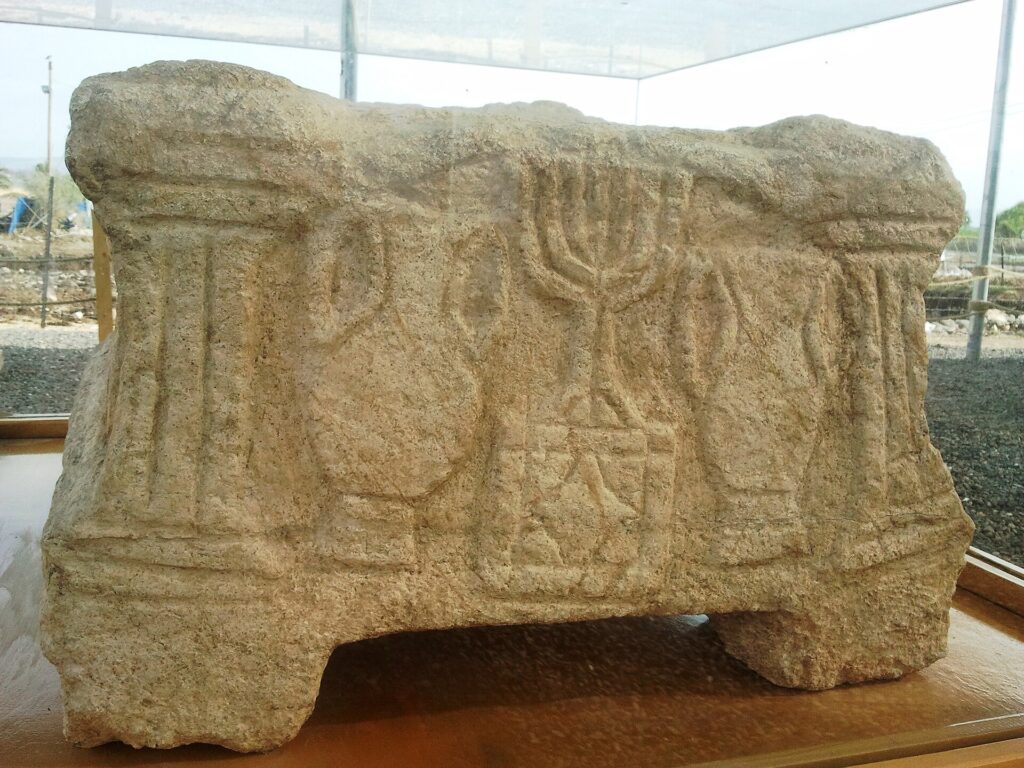
Although discovered slightly outside the ten-year window, the Magdala Stone remains one of the most significant finds related to early Judaism and nascent Christianity.
Found in the ancient town of Magdala on the Sea of Galilee, the 1st-century CE synagogue contains the Magdala Stone, which features a detailed depiction of the Second Temple’s menorah. This discovery connects the historical Jesus with Jewish worship traditions of the time and provides visual confirmation of Second Temple iconography.
- The Beit Shemesh Synagogue (2014)
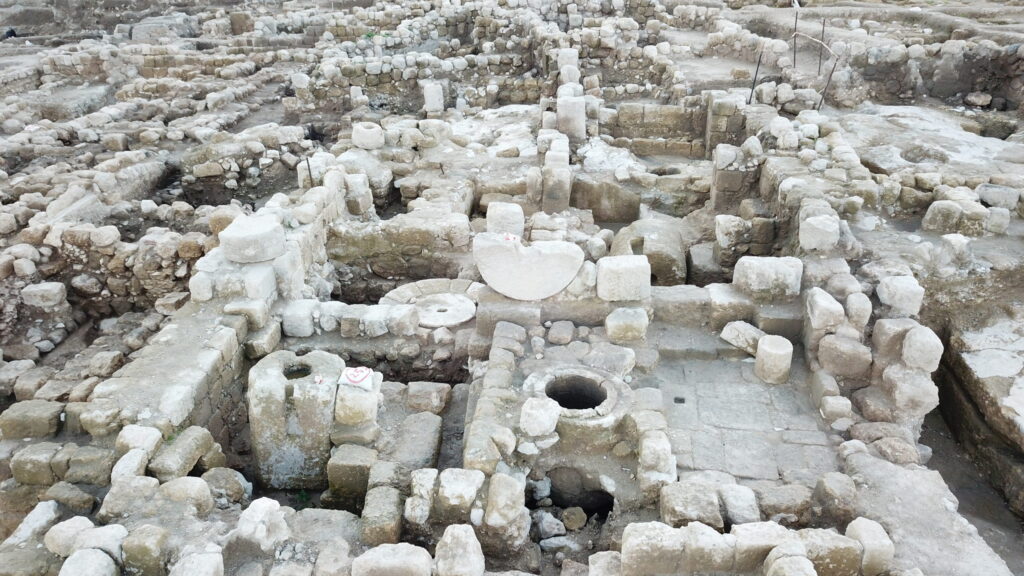
Also dating to the 1st century CE, the synagogue at Beit Shemesh in Israel was uncovered with frescoes, ritual baths, and inscriptions in Aramaic and Hebrew. Its close proximity to Jerusalem and its vibrant decoration suggest it was a significant center of Jewish life during the time of Jesus.
The structure adds to our understanding of Jewish community organization and religious practice under Roman rule.
Rediscovering Sacred Footprints
These discoveries not only deepen our understanding of religious belief and practice in antiquity, but they also bridge the past and present for millions of faithful around the world.
As we sift through the dust of forgotten temples, lost churches, and sacred stones, we are reminded that beneath every layer of earth lies a whisper of belief — a human voice calling out into the unknown, hoping to be heard.
These discoveries are not just relics of ancient devotion. They are bridges across time, connecting us with those who came before — who sang, wept, prayed, and believed. Whether it’s the quiet hope etched on a Roman soldier’s amulet, the enduring beauty of Nubian frescoes, or the sacred seeds beneath Jerusalem’s holiest site, each artifact breathes life into faith’s long memory.
Whether revealing the quiet devotion of a Nubian monk or the early Christian witness of a Roman soldier, these sites remind us that the sacred has always been carved into the fabric of our shared history—waiting to be unearthed again.
In a world often divided by ideology, these buried remnants remind us of something profoundly unifying: the human longing for the divine. Across empires, deserts, and centuries, that longing has shaped our cities, inspired our art, and carved cathedrals into the soul of history.
Archaeology may wield a spade, but what it uncovers is far more than stone — it reveals the beating heart of humanity’s spiritual journey.
Cover Image Credit: University of Warsaw
