
16 April 2026 The Future is the Product of the Past

Sassanid-Era Inscription Linked to Royal Festival Discovered Near Persepolis

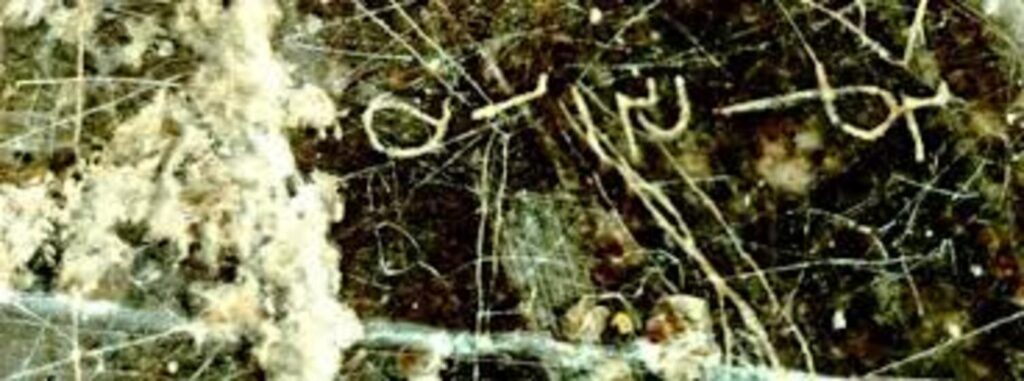
Archaeologists in Iran have uncovered a rare Sassanid-era rock inscription that sheds new light on royal festivals and calendrical traditions practised during late antiquity. The inscription, recently identified on rock cliffs in the Marvdasht Plain in southern Iran, is believed to reference a ceremonial event held during the month of Dey, a significant period in the ancient Iranian calendar.

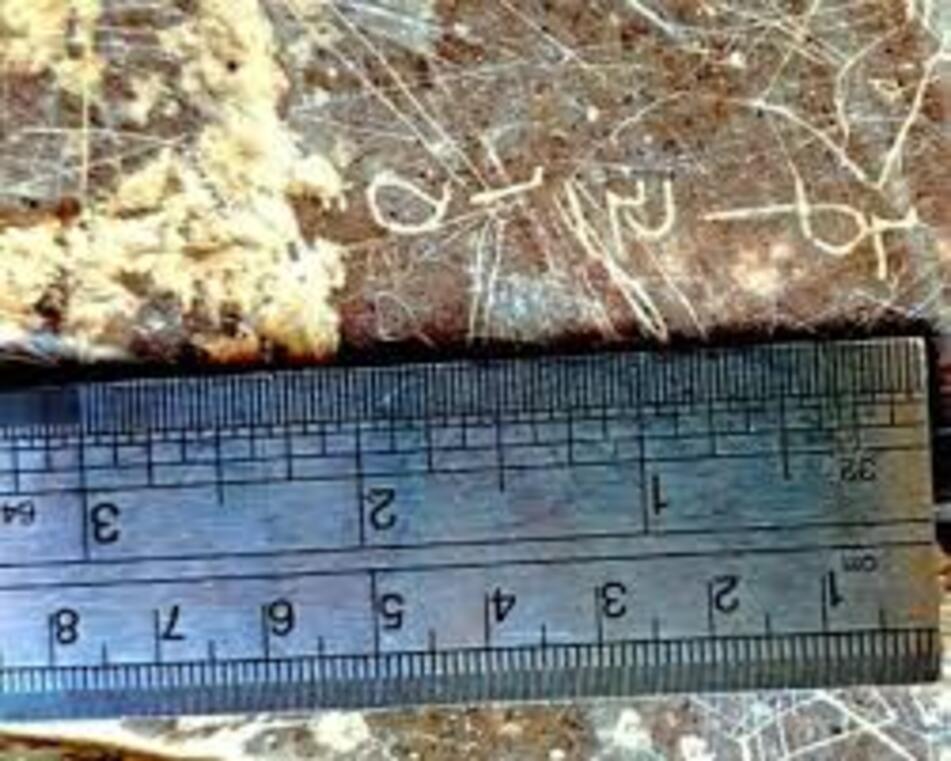
According to Iranian archaeologist and historian Abolhassan Atabaki, the small stone inscription was carved in Middle Persian (Pahlavi) script and appears to record the date of an official Sassanid celebration. Although parts of the text have been damaged by erosion over centuries, surviving lines clearly point to a royal festival associated with Dey, one of the winter months in the Zoroastrian calendar.

“The inscription most likely commemorates the timing of a Sassanid royal ceremony,” Atabaki explained in remarks to the Tehran Times, noting that weathering and natural erosion have caused the final portion of the text to be lost. Despite this damage, the find is considered archaeologically valuable due to the scarcity of inscriptions that directly reference festivals rather than royal titles or victories.

The month of Dey held special religious and symbolic importance in pre-Islamic Iran. In the Zoroastrian calendar, Dey is associated with Ahura Mazda, the supreme deity, and includes several important observances such as Deygan festivals, which were celebrated on days when the name of the day and the month coincided. These festivals emphasized royal legitimacy, cosmic order, and the divine protection of kingship—core concepts in Sassanid political ideology.

The Sassanid Empire (224–651 CE) placed strong emphasis on ritual, calendar regulation, and religious ceremonies as tools of governance. Royal festivals were not merely social events but were closely tied to state ideology, reinforcing the king’s role as the protector of faith and order. Inscriptions referring to such events suggest that ceremonies were sometimes commemorated in public or sacred landscapes, particularly near historically significant sites.


📣 Our WhatsApp channel is now LIVE! Stay up-to-date with the latest news and updates, just click here to follow us on WhatsApp and never miss a thing!!


Credit: Tehran Times

The Marvdasht Plain is one of Iran’s most archaeologically rich regions, hosting remains from multiple ancient civilizations. Over the past two years, Atabaki has documented several additional Sassanid-era carvings in the area, many of them etched into limestone cliffs overlooking ancient routes and settlements.

According to Atabaki, more than 50 historical remains from the Elamite, Achaemenid, and Sassanid periods have been recorded across the plain. These findings include inscriptions, rock reliefs, and architectural traces that collectively illustrate the area’s continuous importance over several millennia.

Marvdasht is located near some of Iran’s most iconic ancient sites, including Persepolis, the ceremonial capital of the Achaemenid Empire, as well as Naqsh-e Rostam and Naqsh-e Rajab, both renowned for their royal tombs and reliefs spanning multiple dynasties. The nearby ruins of Estakhr, a major city during the late Achaemenid and Sassanid periods, further highlight the region’s enduring political and religious significance.

Archaeological research indicates that settled communities existed on the Marvdasht Plain long before Achaemenid king Darius I selected the foothills of Mount Rahmat for the construction of Persepolis in the 6th century BCE. The continued use of the landscape during the Sassanid era demonstrates how later empires consciously linked themselves to Iran’s imperial past.

Scholars believe that discoveries such as this newly identified inscription contribute to a deeper understanding of Sassanid ceremonial life and the role of seasonal festivals in reinforcing imperial authority. Further documentation and preservation efforts are expected to provide additional insights into how ancient Iranian rulers used ritual, timekeeping, and sacred geography to legitimize their rule.

Cover Image Credit: Tehran Times

Related Articles

Byzantine monk chained with iron rings unearthed near Jerusalem

4 January 2023

4 January 2023

A skeleton chained with iron rings was discovered at Khirbat el-Masani, about four kilometers northwest of Jerusalem, along the ancient...

Archaeologists Find Severed Skull of Cantabrian Warrior in Palencia, Exhibited by Roman Troops as a War Trophy

22 November 2025

22 November 2025

When archaeologists began excavating the fortified Iron Age hilltop of La Loma in northern Spain, they expected to uncover weapons,...

Magnificent Discovery: A Major Tomb Filled with Gold and Ceramic Artifacts was Discovered in Panama

3 March 2024

3 March 2024

In an archaeological find in the El Caño Archaeological Park, located in the district of Natá, province of Coclé, in...

Early humans appreciated geometry and symmetry and were intentionally crafting spherical shapes 1.4 million years ago, according to a new study

7 September 2023

7 September 2023

An examination of 150 round, baseball-sized stones discovered at a site where early humans lived 1.4 million years ago shows...

A Rock-Cut Temple and Inscriptions from the Neolithic period discovered in Saudi Arabia

6 August 2022

6 August 2022

In a project led by the Saudi Heritage Commission, a multinational team of archaeologists has discovered an 8,000-year-old archaeological site...

Samen Underground City Getting Prepared for Public Visits

6 June 2021

6 June 2021

Samen Underground City is a unique structure in Iran and the extent of such a structure has not been observed...

Rare 2,000-Year-Old Hasmonean Oil Lamp and Writing Stylus Unearthed Near Jerusalem

17 December 2025

17 December 2025

Archaeologists working near Jerusalem have uncovered a rare 2,000-year-old oil lamp and a writing stylus dating to the Hasmonean period,...

Archaeologists Unearth a 400-Year-Old Glass Phallus in a Former Convent Latrine

7 January 2026

7 January 2026

When archaeologists excavated the remains of a former convent complex in the German town of Herford, they expected the usual...

Rare 3,300-Year-Old Faience Mask Unearthed at Dilmun Burial Site in Bahrain

11 January 2026

11 January 2026

Archaeologists in Bahrain have uncovered a rare and enigmatic artifact from the ancient Dilmun civilization: an ornamented pottery head known...

Puzzling rings may be finger loops from prehistoric weapon systems

24 May 2023

24 May 2023

When many researchers looked at an astonishing group of artifacts discovered at French archaeological sites, they presumed they were ornaments...

Evidence of Intentional Roman Use of Narcotic Seeds, Found in Bone Vessel in the Netherlands

8 February 2024

8 February 2024

Archaeologists have discovered the first conclusive evidence of the existence of a hallucinogenic and poisonous plant thought to have been...

Archaeologists Uncover Remains of Roman Soldiers in a 3rd-Century Well in Croatia

15 October 2025

15 October 2025

A multidisciplinary team combined archaeology, DNA, and isotopic science to reveal the human toll of Rome’s “Crisis of the Third...

Nature Strikes—and History Answers: Could lost Punic-Roman city of Neapolis Be Resurfacing in Tunisia?

22 January 2026

22 January 2026

A violent storm surge in Nabeul, Tunisia, exposed ancient stone ruins along the coast, sparking speculation that the lost Punic-Roman...

2,000-Year-Old Garlanded Sarcophagus Unearthed in City of Gladiators

2 May 2025

2 May 2025

A remarkably well-preserved, 2,000-year-old sarcophagus adorned with intricate garlands has been discovered during ongoing excavations in the ancient city of...

6th-Century BC Houses and Earthquake Evidence Discovered in Davti Blur, an Urartian Fortress City in Armenia

28 January 2025

28 January 2025

An Armenian-Polish archaeological team has uncovered remnants of 6th-century BC houses, a cremation cemetery, and signs of a significant earthquake...