
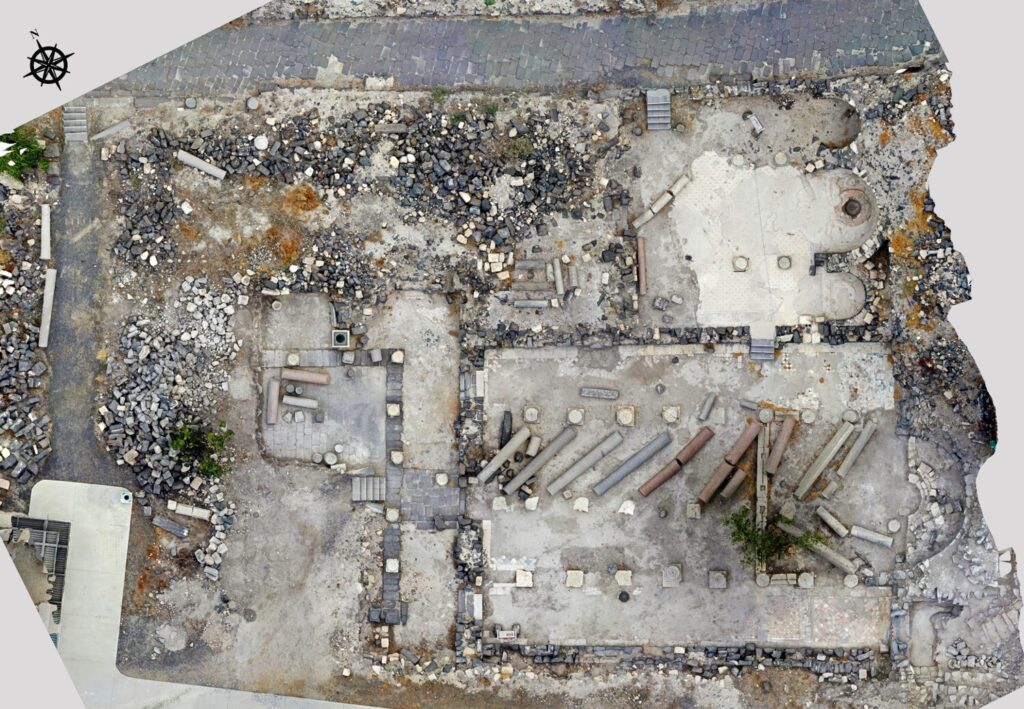
A remarkable archaeological discovery at the ancient city of Hippos is reshaping what historians know about early Christian rituals, revealing a rare and complex picture of Byzantine-era worship practices.
Recent excavations at the Hippos cathedral, a prominent Byzantine religious complex overlooking the Sea of Galilee, have uncovered an extraordinary structure known as a southern photisterion—a baptismal hall—alongside a collection of unique liturgical objects. The findings, published in Palestine Exploration Quarterly, provide fresh insight into how early Christian communities practiced baptism and honored sacred traditions.
A Rare Dual Baptistery System
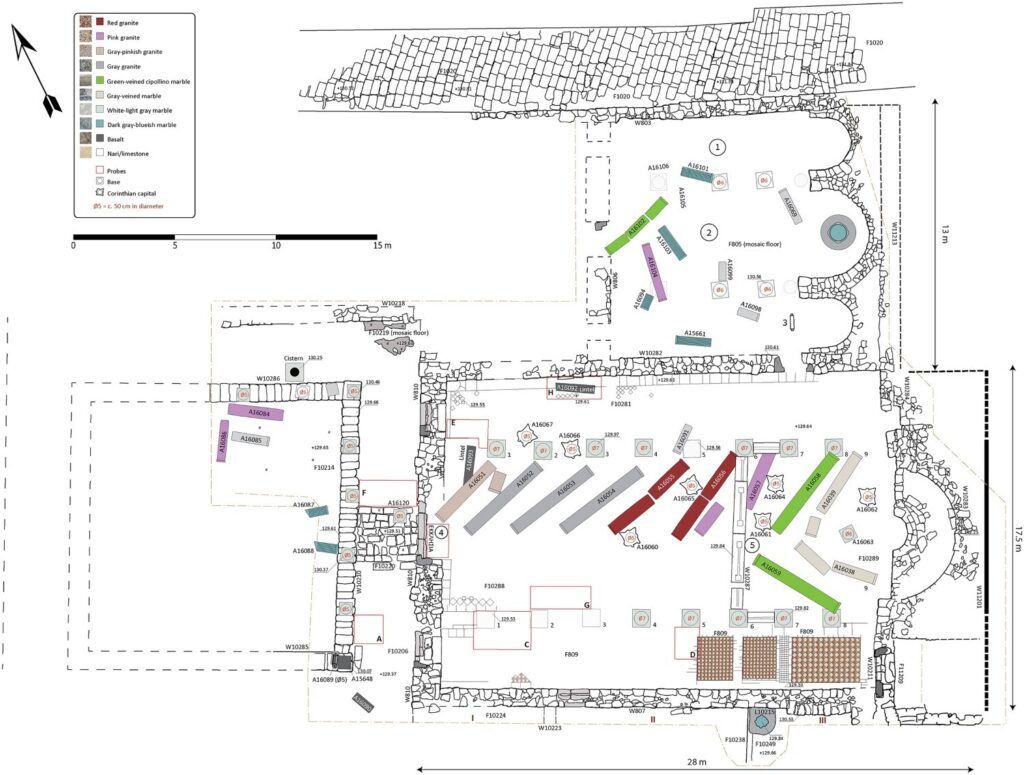
One of the most striking revelations is that the Hippo Cathedral contained two separate baptismal halls, making it the only known early Christian church with this feature. While most Byzantine churches had a single baptistery, Hippos appears to have supported parallel or distinct baptismal ceremonies.
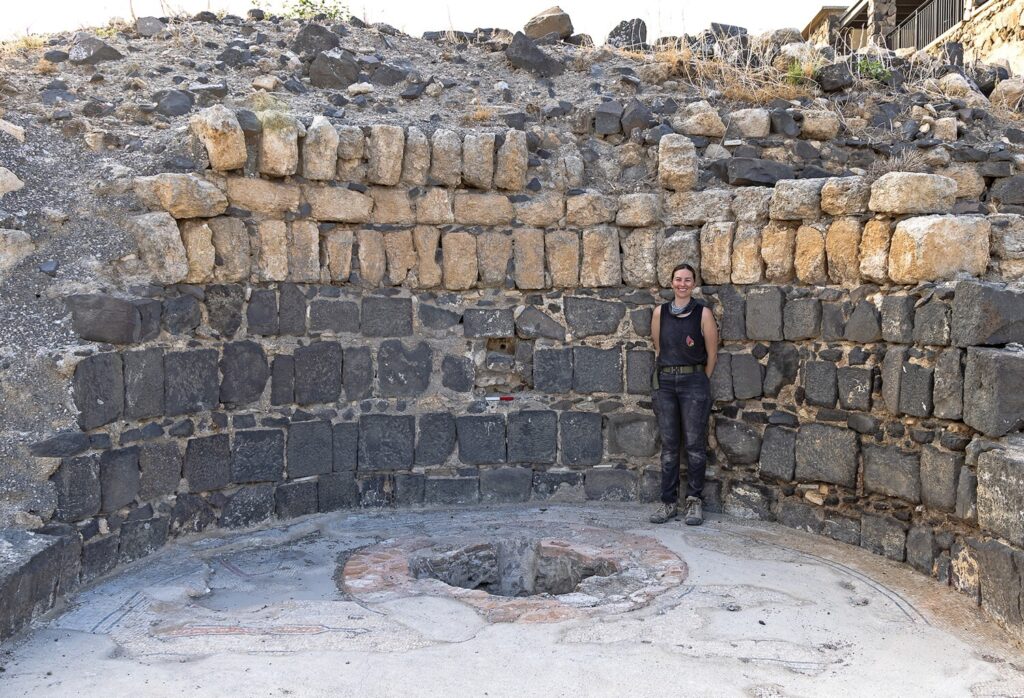
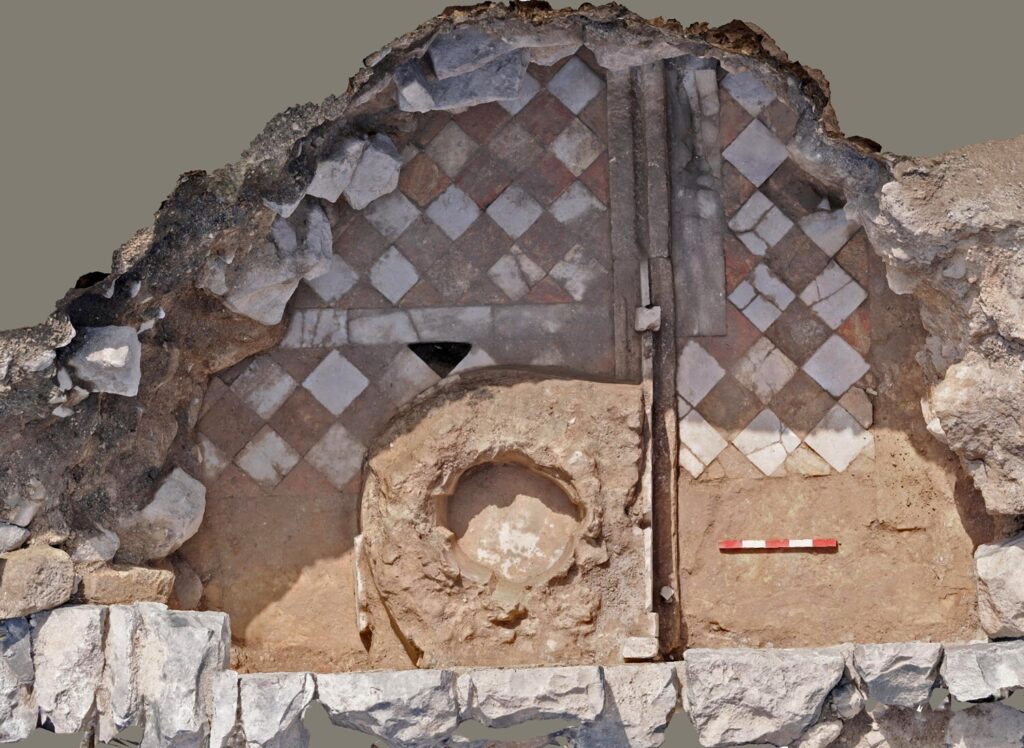
The original, larger baptistery—known as the northern photisterion—dates back to the early phases of the cathedral. However, the newly uncovered southern photisterion was added later, likely after renovations in 590–591 CE. This secondary space includes a smaller baptismal font built into a corner, an unusual architectural choice that suggests a specialized function.
Archaeologists believe the two spaces may have allowed simultaneous ceremonies, possibly separating adult and infant baptisms or accommodating different ritual traditions. The larger font likely served adult initiations with flowing “living water,” while the smaller font used still water and may have been intended for children.
Unique Artifacts Shed Light on Ritual Practices
Beyond architecture, the excavation uncovered a rare assemblage of religious objects found intact near the southern baptismal font—an unusual occurrence due to centuries of looting and decay.
Among the most intriguing items is a marble block featuring three hemispherical cavities, a previously undocumented artifact. Researchers suggest these cavities may have held different types of sacred oils used during baptismal rites. Early Christian ceremonies often included multiple anointings, and this object could indicate a three-stage anointing ritual, a practice not clearly documented before.
Another significant discovery is a large marble reliquary, one of the heaviest ever found in the region. Typically used to house sacred relics, this reliquary features multiple compartments and a specially designed lid that allowed oil to be poured over relics—possibly for use in blessing rituals. Its presence suggests that the baptistery also functioned as a martyrion, a space dedicated to the veneration of saints.
A finely crafted bronze candelabrum was also unearthed near the font. Standing over a meter tall, it is notably larger than similar objects from the Byzantine period. Its design, featuring decorative elements and animal-like feet, highlights the artistic sophistication of the community.
A Window into Byzantine Religious Life
The discoveries at Hippos provide rare, tangible evidence of how early Christian communities adapted and evolved their religious practices. The coexistence of baptismal and martyrdom-related functions in the same space suggests a blending of ritual traditions, where the presence of saints and relics may have enhanced the spiritual significance of baptism.
Researchers also note that the increasing complexity of baptismal installations during the late 6th century reflects broader changes in Christian society. The addition of a second baptistery could indicate a growing population, increased pilgrimage activity, or evolving theological practices.
Preserved by Catastrophe
Ironically, the preservation of these artifacts is due to a devastating event. The entire complex was buried following a powerful earthquake in 749 CE, which caused the sudden collapse of the structure. Unlike other parts of the cathedral that were looted or repurposed, the southern photisterion remained sealed beneath debris, protecting its contents for over a millennium.
This “archaeological time capsule” has allowed researchers to study the site in exceptional detail, offering a snapshot of religious life at the moment of destruction.
Rewriting Regional History
Hippos, once a thriving city in the Decapolis, played a significant role in the Byzantine world as a Christian center overlooking the Sea of Galilee. Despite limited historical records, ongoing excavations are revealing its importance as a hub of religious activity and innovation.
The newly uncovered southern photisterion not only deepens understanding of local traditions but also challenges assumptions about early Christian architecture and ritual diversity.
As excavations continue, archaeologists expect further discoveries that could reshape the narrative of Byzantine Christianity in the region. For now, the Hippos cathedral stands as a powerful reminder of how much of history remains hidden—waiting to be rediscovered beneath layers of time.
Eisenberg, M., & Kowalewska, A. (2026). The Southern Photisterion at the Hippos Cathedral and its Unique Byzantine-Period Liturgical Implements. Palestine Exploration Quarterly, 1–22. https://doi.org/10.1080/00310328.2026.2634232
Cover Image Credit: Eisenberg, M., et al.,2026, Palestine Exploration Quarterly
