The Grotto of the Nativity in Bethlehem, revered by Christians worldwide as the birthplace of Jesus Christ, is set to undergo a significant restoration project aimed at preserving one of Christianity’s most sacred sites for future generations. The initiative has been jointly announced by the Greek Orthodox Patriarchate of Jerusalem and the Custody of the Holy Land, in cooperation with the Armenian Apostolic Orthodox Patriarchate and under the auspices of the Presidency of the State of Palestine.
The restoration is being carried out in accordance with the long-established Status Quo governing the Holy Places and follows a Presidential Decree issued in 2024 specifically addressing the conservation of the Grotto beneath the Church of the Nativity. Preparatory work has now been completed, and restoration activities are expected to commence imminently.
The project has been entrusted to the Italian firm Piacenti, which previously led the acclaimed restoration of the Basilica of the Nativity itself. This ensures continuity in restoration techniques, craftsmanship, and sensitivity toward the historical and spiritual significance of the site. In addition to conservation work within the Grotto, the project includes technical reinforcement measures in adjacent sections of the sanctuary, reflecting both its architectural unity and the collaborative spirit that has long safeguarded the church.
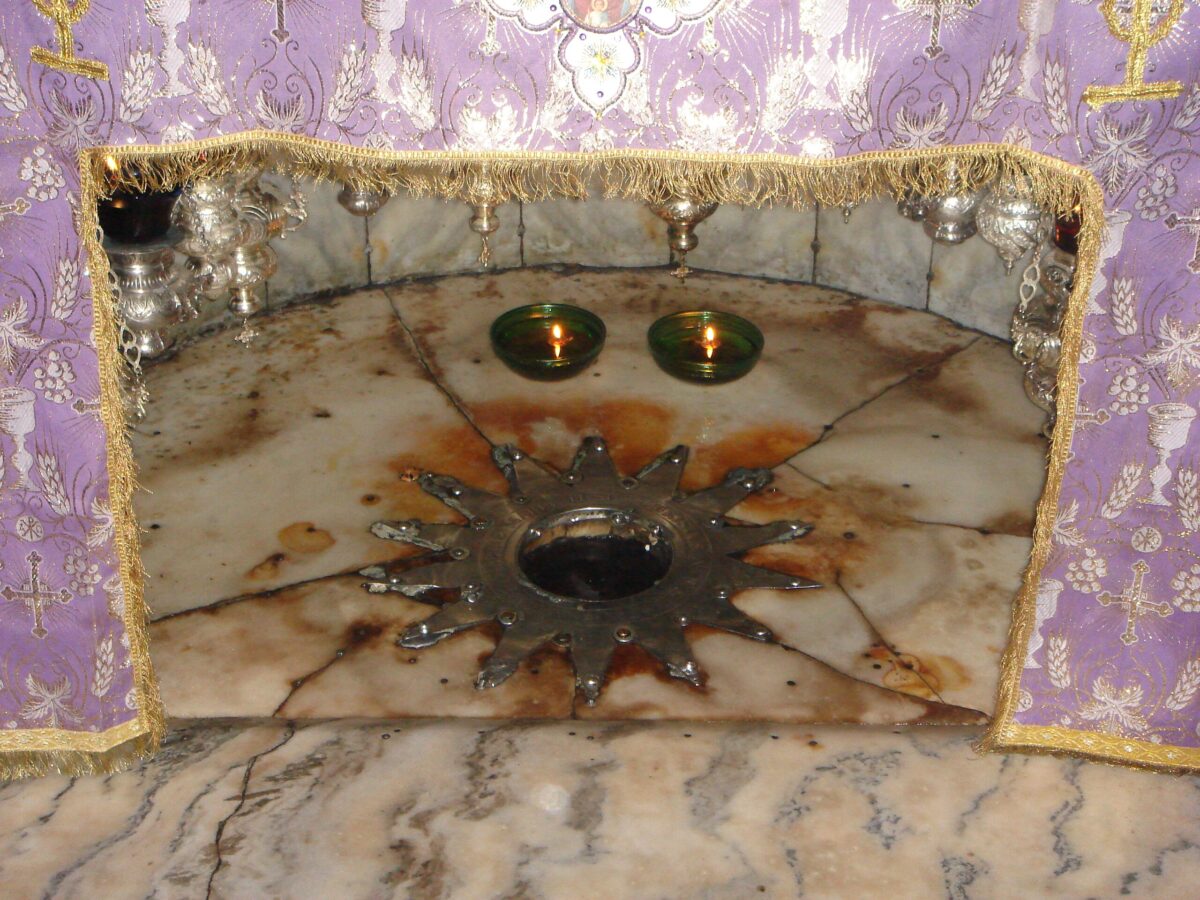
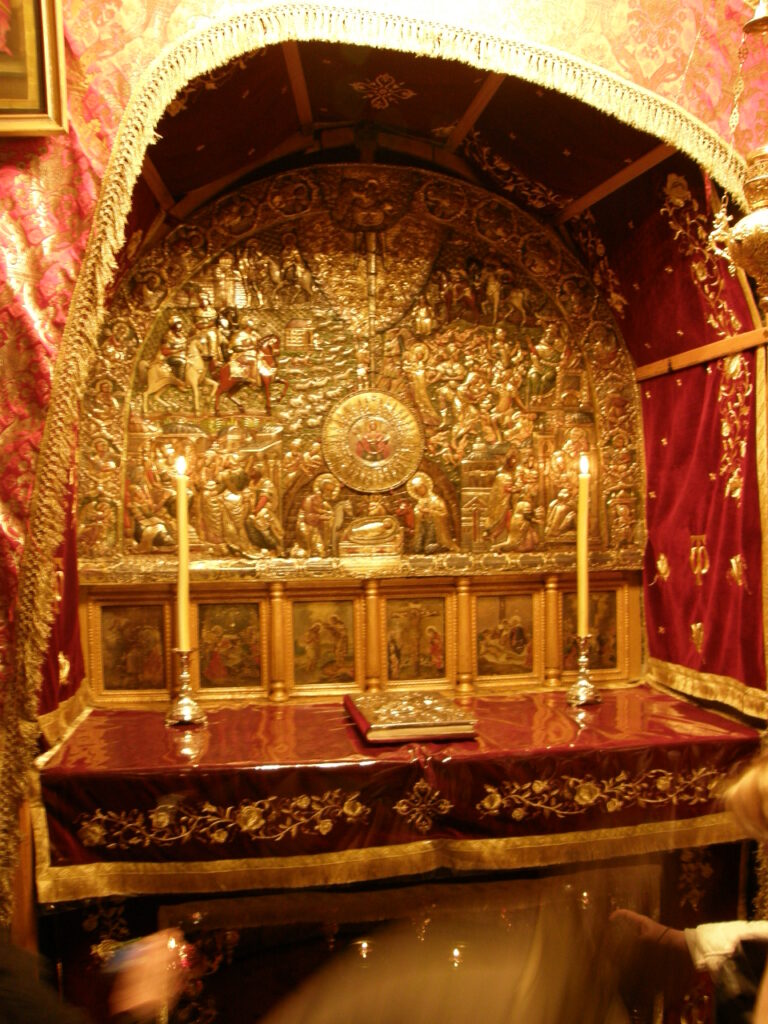
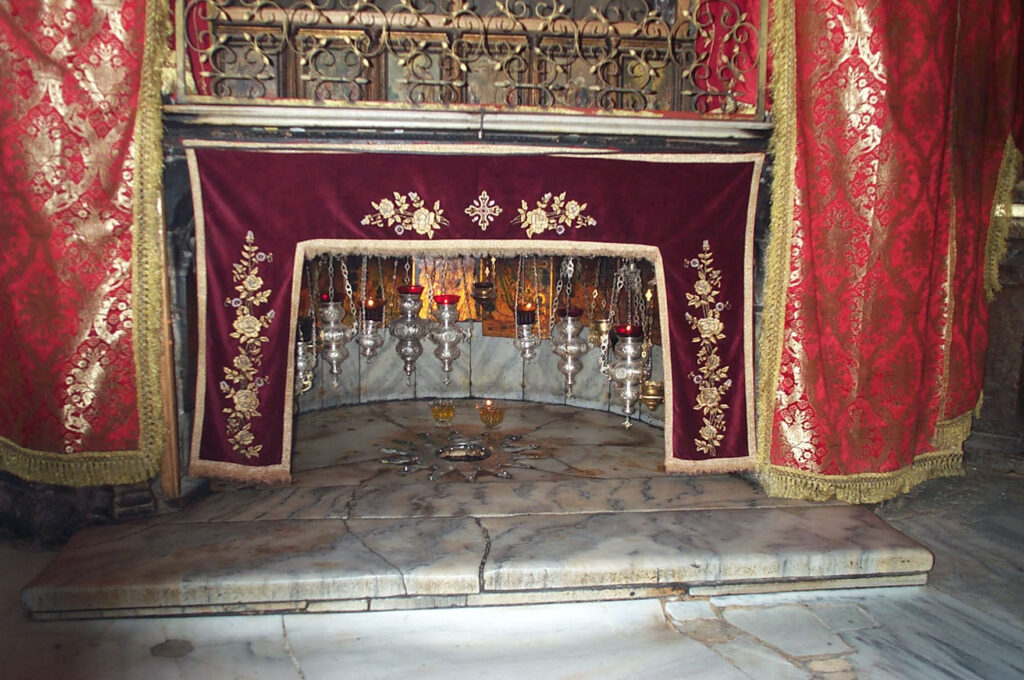
Located directly beneath the main altar of the Church of the Nativity, the Grotto of the Nativity is a cave measuring approximately 12 by 10 meters. It is traditionally venerated as the exact location where Jesus Christ was born. At its heart lies a silver fourteen-pointed star, installed in 1717, bearing the Latin inscription “Hic de Virgine Maria Jesus Christus natus est” (“Here Jesus Christ was born of the Virgin Mary”). This star marks the focal point of pilgrimage for millions of faithful who visit Bethlehem each year.
The Church of the Nativity itself stands among the oldest continuously used Christian churches in the world. Its original structure was commissioned by Emperor Constantine the Great in 326 AD, while the present basilica dates largely to the sixth century, rebuilt under Emperor Justinian. In 2012, the site was inscribed on the UNESCO World Heritage List, underscoring its universal cultural and religious value.
📣 Our WhatsApp channel is now LIVE! Stay up-to-date with the latest news and updates, just click here to follow us on WhatsApp and never miss a thing!!
Church leaders emphasized that the restoration of the Grotto is not merely a technical undertaking but a spiritual responsibility. In a joint statement, they described the project as “a unified Christian commitment to preserve the spiritual, historical, and cultural patrimony of the Holy Grotto for future generations.” The Grotto is seen as the place where the mystery of the Incarnation entered human history, marking the earthly beginning of the Christian faith.
Since 2013, extensive restoration efforts have already revitalized the Basilica of the Nativity, improving structural stability, mosaics, roofing, and lighting. The upcoming work in the Grotto represents the next crucial phase in safeguarding the sanctuary as a whole.
Through this collective effort, the Christian communities of Jerusalem reaffirm their shared responsibility to protect the Gospel heritage entrusted to them. As pilgrims from across the globe continue to gather in Bethlehem, the restoration of the Grotto of the Nativity ensures that this sacred cave—where, according to Christian belief, the Savior was born—will remain a place of reverence, prayer, and hope for generations to come.
From Bethlehem, the light of the Nativity continues to shine, bearing witness to the enduring Christian presence in the Holy Land and the universal message of peace that emerged from the humble grotto at the heart of the Christmas story.
Cover Image Credit: Grotto of the Nativity, fourteen-point silver star under the main altar marking the traditional spot of Jesus’ birth. Public Domain –Wikipedia Commons