
8 November 2025 The Future is the Product of the Past

2,000-Year-Old Roman Hippodrome Discovered Beneath a Former Landfill in Kayseri

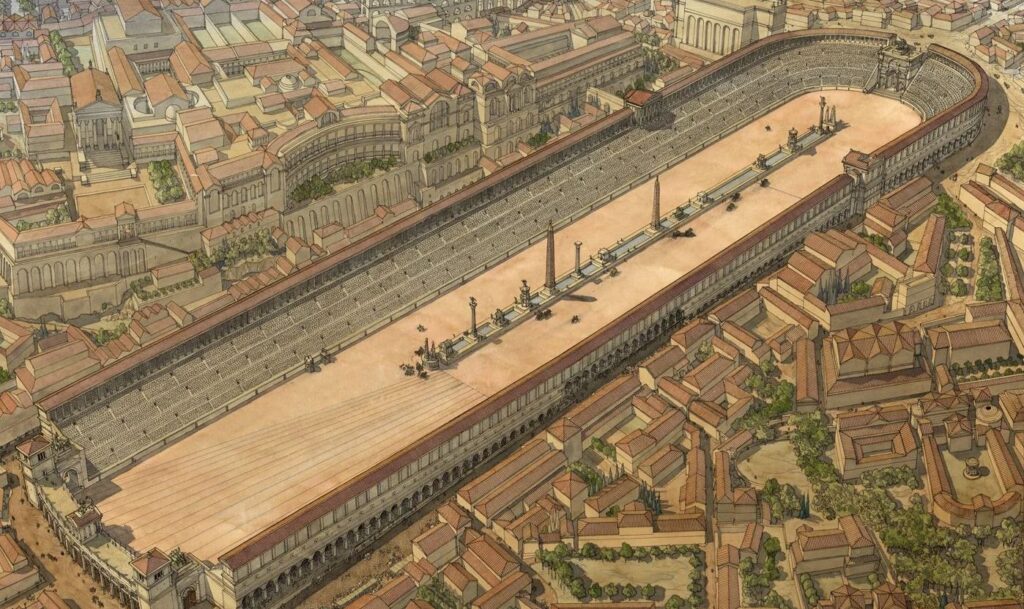
In a remarkable archaeological breakthrough, researchers in central Türkiye have confirmed the discovery of a 2,000-year-old Roman hippodrome (Roman Circus) buried beneath what was once a municipal landfill in Kayseri.

The site—today home to a popular open-air marketplace known locally as Bitpazarı—was for decades used as a dumping ground for rubble and city waste. Beneath those layers of debris, however, lies one of Anatolia’s grandest relics of the Roman world: a vast arena where horses once raced before cheering crowds in the ancient city of Caesarea.

Uncovering a Lost Monument

The finding makes this the third known Roman hippodrome in Anatolia, following those discovered in Ephesus and Pergamon. The project, initiated by the Kayseri Metropolitan Municipality, began with the study of 19th-century travelers’ notes and maps.

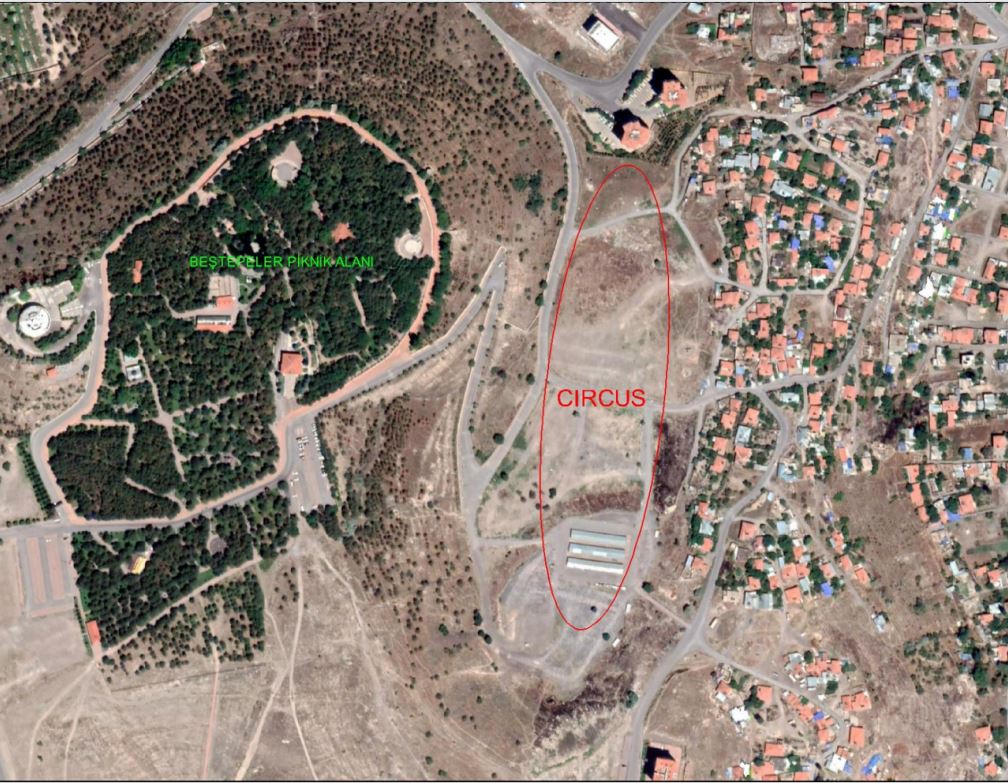
One such document, drawn by Greek scholar Gregorios Bernardakis, marked a mysterious structure labeled “Circus.” When municipal experts overlaid that historic map with modern aerial imagery, they noticed a subtle oval shape hidden beneath the urban landscape.

Subsequent archaeo-geophysical surveys confirmed the presence of massive subsurface foundations matching the typical plan of a Roman hippodrome—an elongated arena used for chariot and horse races. Preliminary measurements suggest the structure stretched about 450 meters, making it one of the largest known examples in the region.


📣 Our WhatsApp channel is now LIVE! Stay up-to-date with the latest news and updates, just click here to follow us on WhatsApp and never miss a thing!!


The project, initiated by the Kayseri Metropolitan Municipality, began with the study of 19th-century travelers’ notes and maps. Credit: Kayseri Metropolitan Municipality

Buried Beneath a Former Landfill

The same ground, however, was drastically altered in the 20th century. Archival photos and maps show that between 1950 and 1980, the area served as Kayseri’s main landfill. Over that period, nearly 20 meters of rubble and waste accumulated across the site.

Local historian Mustafa Cingil explained the paradox with a mix of fascination and regret:

“During earlier municipal administrations, the land was used as a dumping site and landfill. As a result, the ancient hippodrome now lies buried beneath tens of thousands of tons of debris.”

Ironically, this unintentional burial may have helped preserve the structure from modern development. Beneath the surface, the hippodrome’s outlines remain intact—its curved ends still mirrored in the gentle slopes around Beştepeler Park.
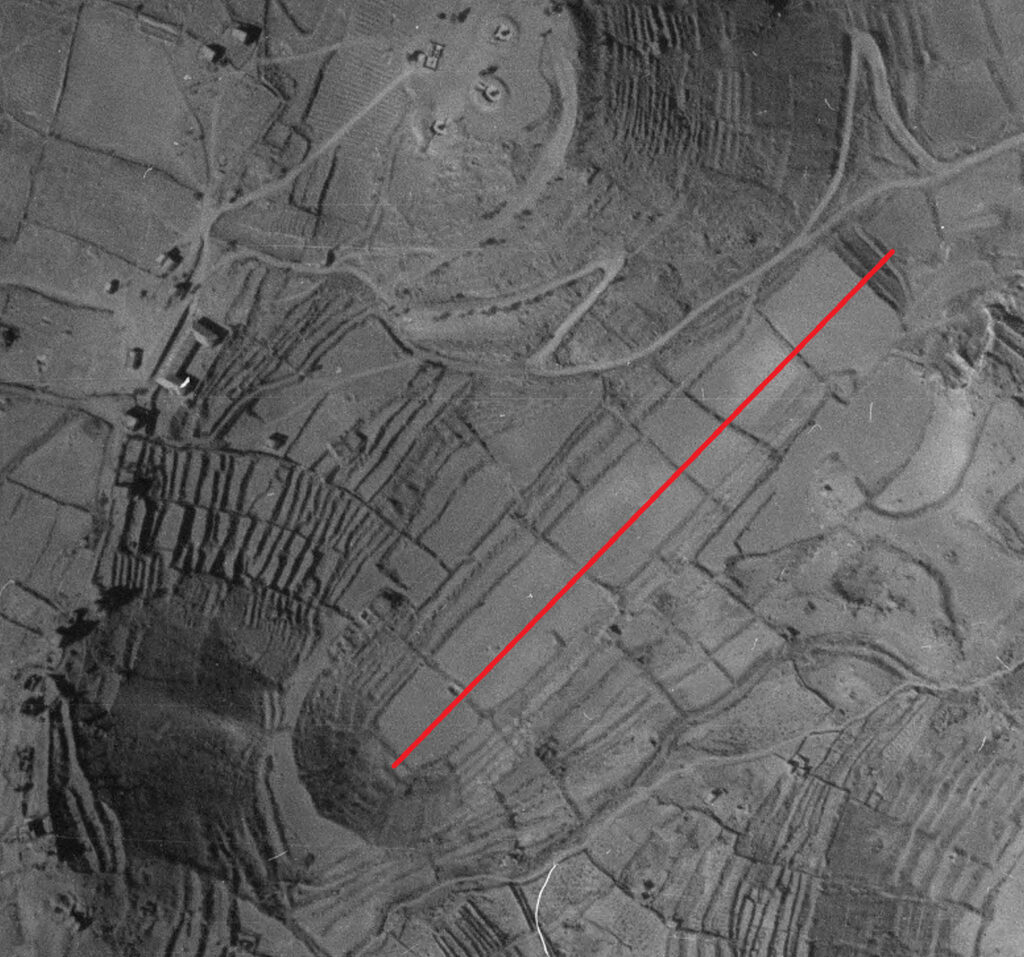
Preliminary measurements suggest the structure stretched about 450 meters, making it one of the largest known examples in the region. Credit: Kayseri Metropolitan Municipality

A City with Deep Roots

The discovery also reawakens interest in Kayseri’s layered history. Known as Mazaka in the Hellenistic era, the city became Eusebia under the Cappadocian kings before taking the Roman name Caesarea during the reign of Emperor Tiberius (AD 14–37).

As the capital of the Cappadocia Province, Caesarea flourished as an administrative and cultural center. Scholars believe the hippodrome was likely commissioned in the late 1st century BC or early 1st century AD, possibly during the rule of King Archelaus, who oversaw Cappadocia’s transition into a Roman client state.

Here, Roman citizens and local elites would have gathered to watch chariot races, athletic contests, and imperial ceremonies—spectacles that reinforced both civic pride and imperial identity.

Recognition and Preservation

Following months of study, the Kayseri Cultural Heritage Preservation Board officially designated the area as a third-degree archaeological site on September 25, 2025, ensuring its legal protection.

While full excavation remains a challenge—given the depth of landfill deposits and the active market above—the discovery has already reshaped how historians view Kayseri’s Roman past.

City officials have stated that the site will undergo continued geophysical monitoring and non-invasive documentation, with hopes of revealing more of the structure without disturbing daily life in the area.
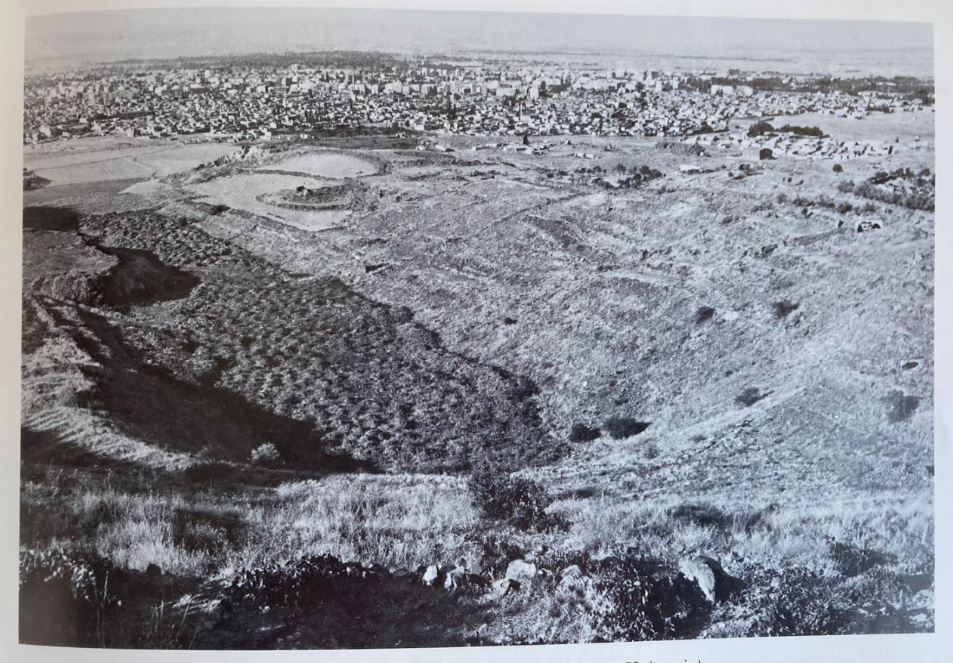
Archival photos and maps show that between 1950 and 1980, the area served as Kayseri’s main landfill.

A Forgotten Arena Beneath Modern Life

Today, vendors at Bitpazarı sell vintage tools, books, and ceramics, unaware that beneath their stalls lies the grand arena of a Roman city. The irony is poetic: a place once filled with discarded objects now rests atop a forgotten monument of empire.

The Kayseri Hippodrome, buried beneath decades of waste, stands as a reminder that history often hides beneath the ordinary—that under even a city’s former landfill, the echoes of ancient glory still endure.

Kayseri Metropolitan Municipality

Arkeolojik Haber

Related Articles

The “Horoscope” Scroll Found In the Judean Desert: A Glimpse Into the Mysterious Sect

26 March 2024

26 March 2024

One of the most interesting and mysterious scrolls discovered in the Judean Desert is a scroll called the “Horoscope.” This...

From Caves to Mounds: The Enigmatic Burial Practices of the Southern Jê in Brazil

25 February 2025

25 February 2025

A groundbreaking study published in the Journal of Anthropological Archaeology sheds light on the enigmatic burial practices of the Southern...

Sicilian Seas Yield Rare Roman Helmet from 241 BC Naval Clash

5 September 2025

5 September 2025

In a remarkable underwater archaeological recovery that highlights Sicily’s rich cultural heritage, a bronze Montefortino‐type helmet was retrieved from the...

Britain’s Largest Iron Age Gold Coin Hoard: A Possible Tribute to Julius Caesar?

16 May 2025

16 May 2025

In a stunning revelation, British authorities have recently announced the discovery of an unparalleled Iron Age coin hoard, a singular...

Was Stavanger Cathedral Built on a Viking Settlement?

4 June 2021

4 June 2021

Archaeologists have discovered animal bones and habitation evidence underneath the northern part of Stavanger cathedral that they believe date from...

Earliest Multiplication Formulas Discovered in a 2,300-Year-Old Chinese Tomb

27 December 2023

27 December 2023

Archaeologists excavating a tomb in the Qinjiazui archaeological site of Jingzhou City, Hubei Province, China, have found the earliest multiplication...

A mysterious lead tablet with an unknown 13th-14th-century script: Might be an old Lithuanian script?

26 February 2024

26 February 2024

In the Museum of the Palace of the Grand Dukes in Vilnius, Lithuania, a mysterious lead tablet dating back to...

Rare biblical ‘balsam tree’ found depicted on ancient Jerusalem amethyst seal

21 October 2021

21 October 2021

Archaeologists working in the Old City of Jerusalem have discovered an engraved amethyst seal in the Second Temple, thought to...

Scientists Find Aztec ‘Death Whistles’ do Weird Things to the Listeners’ Brains

18 November 2024

18 November 2024

New research reveals that one of the Aztecs’ most chilling artefacts, clay death whistles, which resemble a human skull and...

4 Aztec child burials unearthed in Mexico and dated to the Early Colonial period may be indicators of Aztec resistance

6 July 2022

6 July 2022

During an archaeological rescue effort in Mexico City’s historic central district of La Lagunilla, the remains of an Aztec house...

The enigma behind King Tut’s’space dagger,’ according to archaeologists, has finally been solved

24 February 2022

24 February 2022

Archaeologists have finally solved the enigma of King Tutankhamun’s dagger, which was discovered 3,400 years ago. A new examination of...

2,000-Year-Old Graves Found in Kyrgyzstan Reveal Hidden Chapter of Silk Road History

12 August 2025

12 August 2025

Archaeologists have discovered graves dating back approximately 2,000 years in the village of Kyzyl-Koshun-1, located in the Batken district of...

Riddle of Former Crater Lakes in the Highest Mountains of the Sahara Solved

18 August 2025

18 August 2025

An interdisciplinary research team, led by scientists from the Free University of Berlin and the Max Planck Institute for Meteorology,...

Rare Bronze Age Metalworking Hoard Discovered in Wiltshire, Including an Anvil

20 February 2025

20 February 2025

A remarkable discovery has been made in Urchfont, a village located in Wiltshire, England, where a Bronze Age hoard of...

Human Presence in Malta Earlier Than Previously Thought: Hunter-Gatherers Navigated 100 km by Sea 1,000 Years Before Farmers

14 April 2025

14 April 2025

Recent archaeological findings have dramatically reshaped our understanding of human history in the Mediterranean, revealing that hunter-gatherers were capable of...