
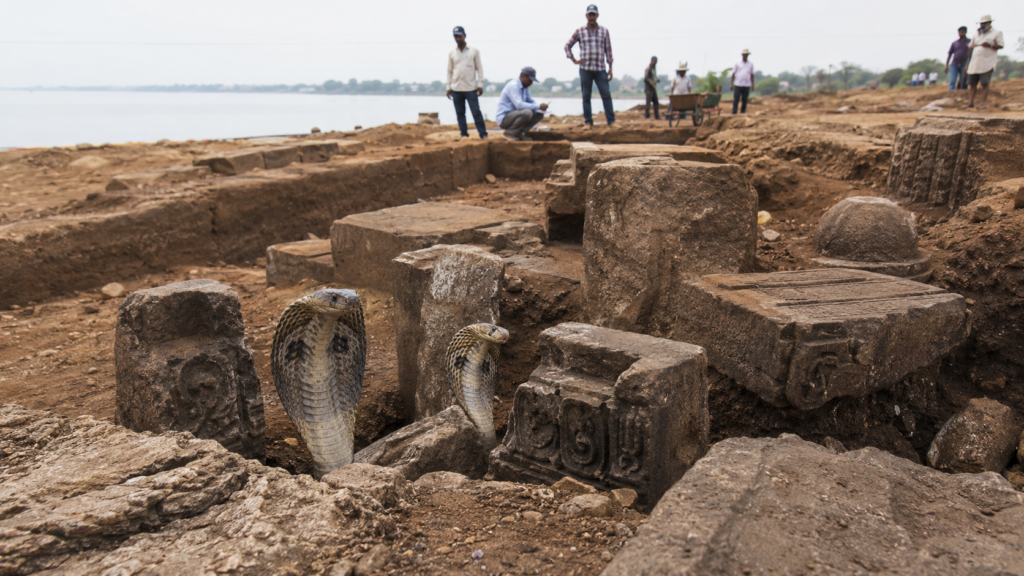
Ancient temple ruins believed to date back to the Kakatiya period have been unearthed during construction work at the Sammakka-Sarakka Central Tribal University site in Mulugu district, Telangana, India. But what turned the discovery into a gripping local story was not only the carved stonework exposed near Lokam Cheruvu. It was the sudden appearance of three cobras from beneath the buried stones.
The remains came to light while earth-moving machinery was digging trenches for a compound wall on the 337-acre university site. Workers reportedly uncovered large stone structures near the Lokam Cheruvu bund, raising suspicion that the stones may belong to an old temple complex. Construction at the location was immediately halted, and district authorities informed the Department of Archaeology.
Cobras beneath the stones
The excavation took a dramatic turn when three cobras emerged from under the exposed stone blocks. One snake was reportedly killed after being struck by a falling rock, while the other two escaped into nearby vegetation. Workers panicked, and the machinery used in the trenching work later stopped functioning, deepening fears among labourers at the site.
A JCB operator quoted by Deccan Chronicle said the workers were too frightened to continue digging in that spot. He described the snakes as if they had appeared immediately after the “ancient stones” were disturbed, giving the incident the feel of a warning for those present.
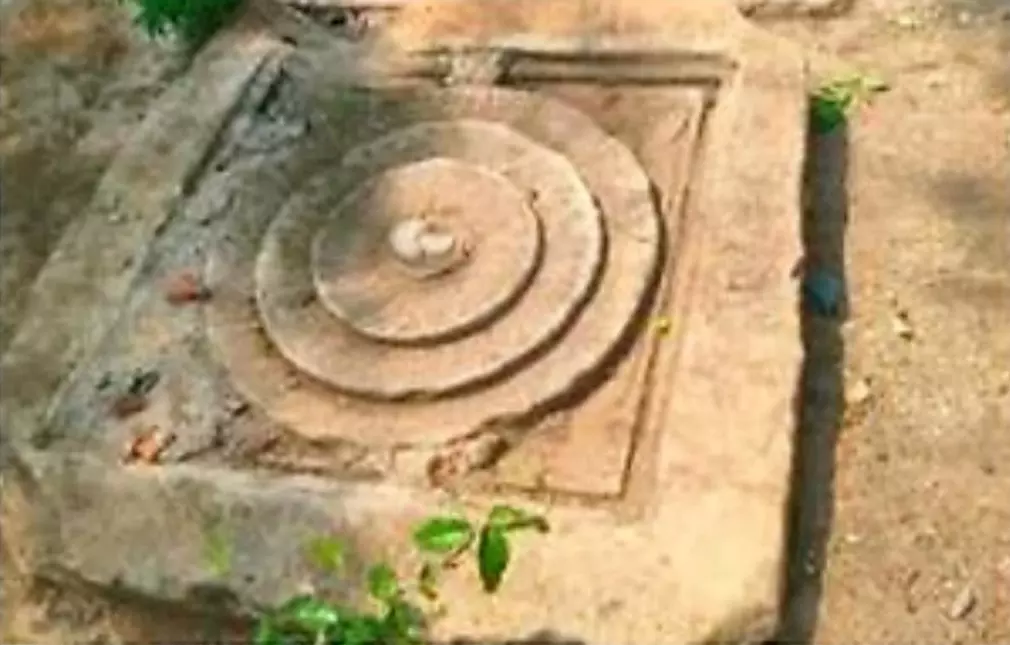
Local residents later gathered at the site, performed rituals for the dead snake and buried it according to local custom. Some villagers said the stones may belong to a long-lost shrine, possibly dedicated to Hanuman or Yellamma Thalli.
A discovery shaped by archaeology and belief
The cobra incident has added a powerful layer of local meaning to the discovery. In South Asian religious traditions, serpents are not merely animals. The naga, often represented as cobra-like beings, appear in Hindu, Buddhist and Jain traditions as semi-divine figures that can be both dangerous and protective. Britannica describes nagas as mythical beings associated with serpent form, underground realms and powerful sacred presence.
That does not prove the Mulugu ruins were guarded by snakes in any archaeological sense. But it explains why the discovery has resonated so strongly among local residents. When buried temple stones, a water body and cobras appear together, the scene naturally evokes older ideas of sacred protection, fertility, water and danger.
One elderly resident, Sambaiah, told Deccan Chronicle that the Kakatiya rulers were believed locally to have built temples near water tanks to bless the waters. He urged officials to respect the site and protect the remains rather than continue construction over them.
Possible traces of a Kakatiya sacred landscape
If confirmed as Kakatiya-era remains, the discovery would fit into a wider medieval landscape in which temples, tanks and settlements were often closely linked. The Kakatiya dynasty, which ruled much of the eastern Deccan from its capital at Warangal, left behind some of Telangana’s most important architectural monuments.
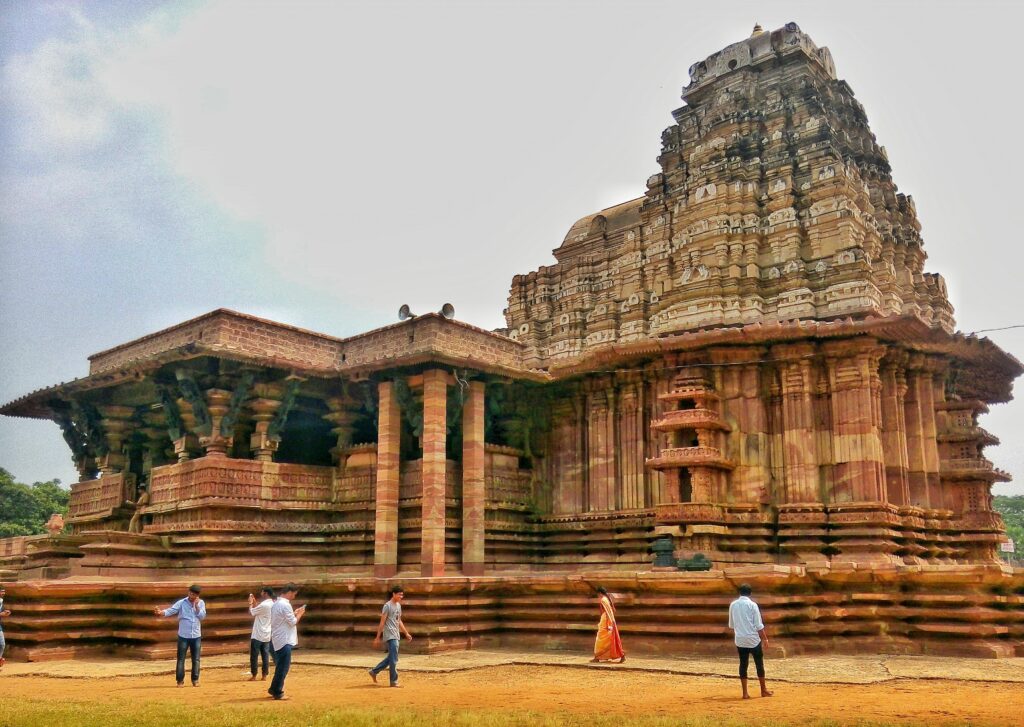
The best-known example is the Kakatiya Rudreshwara Temple, widely known as Ramappa Temple, at Palampet. UNESCO describes the monument as an exceptional testimony to Kakatiya artistic, architectural and engineering achievement. Construction of the sandstone temple began in 1213 CE and is believed to have continued for about 40 years.
Telangana Tourism also describes Ramappa Temple as a 13th-century Kakatiya monument known for its intricate carvings, sculptural detail and distinctive architectural style.
The possible Mulugu temple ruins are especially noteworthy because of their proximity to Lokam Cheruvu. Across medieval Telangana, water bodies were not only practical infrastructure. They were tied to agriculture, settlement life, ritual practice and political authority. A shrine beside a tank would not be unusual in such a setting.
Archaeology department sends team
State archaeology director K. Arjun Rao said the department received information from the university vice chancellor and immediately sent a team to inspect the site. A detailed report is expected after the survey, which will determine the likely date, origin and importance of the exposed remains.
Officials have also directed that the unearthed stones be shifted to the archaeological museum in Warangal for preservation pending further study.
For now, the Kakatiya attribution remains preliminary. Archaeologists will need to examine the carvings, stone type, layout, construction pattern and any associated material before confirming whether the remains belong to a temple complex, a disturbed shrine, reused architectural fragments or another structure.
Still, the discovery has already done something important. It stopped modern construction long enough for a possible medieval sacred site to be examined. And with the sudden emergence of three cobras from beneath the stones, the ruins have entered public attention not only as an archaeological find, but as a story where history, fear and local belief briefly surfaced together from the ground.
Cover Image Credit: AI-generated illustrative image based on the reported discovery at the Mulugu University site. It is a representative visualization and not an authentic photograph of the excavation.
