
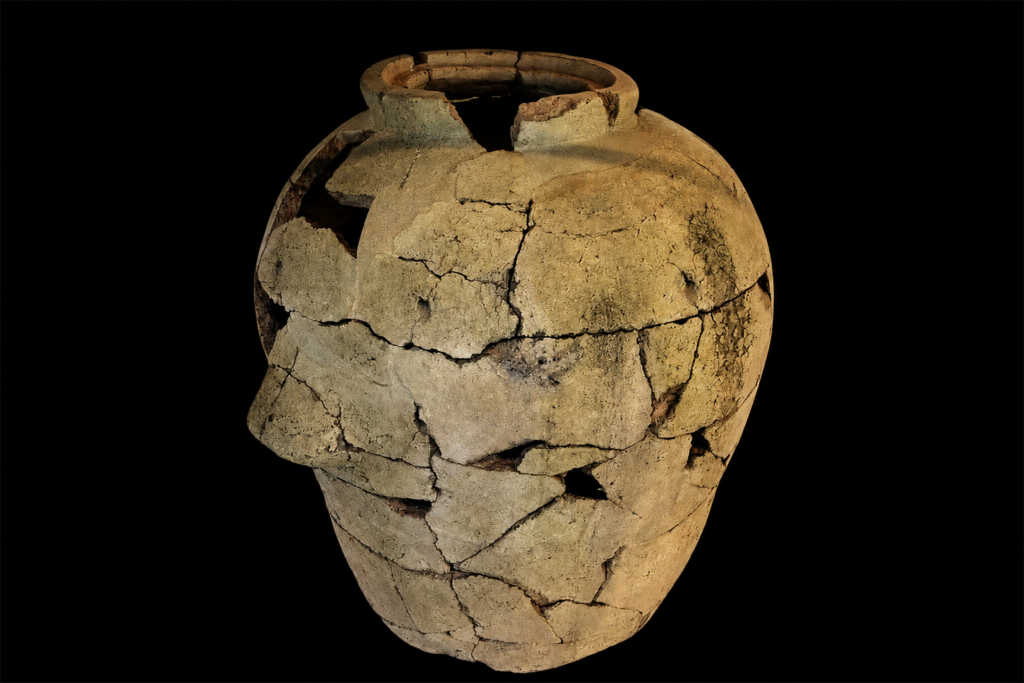
Deep in the abandoned medieval village of Celleno, a small terracotta jar is offering an unusually intimate window into the strange excesses of ancient Roman dining. The vessel, known as a glirarium, was purpose-built roughly two thousand years ago for a single task: breeding and fattening dormice destined for the tables of Rome’s elite.
The exceptionally preserved artifact has just gone on permanent display at the Museo delle Maioliche Arcaiche, part of a newly expanded archaeological route through Celleno’s historic ghost town, located about 90 minutes north of Rome in Italy’s ancient Etruscan heartland.
A Jar Built for Gourmet Cruelty
Roman elites considered dormice a genuine delicacy, and the glirarium was engineered accordingly. Internal ledges restricted the rodents’ movement while ventilation slits kept them in near-total darkness, a combination believed to encourage rapid weight gain. Chefs fed the animals a diet of walnuts, chestnuts, and acorns before preparing them according to recipes attributed to the legendary Roman gastronome Apicius: typically stuffed with minced pork, pepper, pine nuts, and the fermented fish sauce known as garum, then roasted or baked.
The jar’s exceptional condition makes it rare physical proof of a culinary practice long described in ancient texts but almost never seen firsthand.
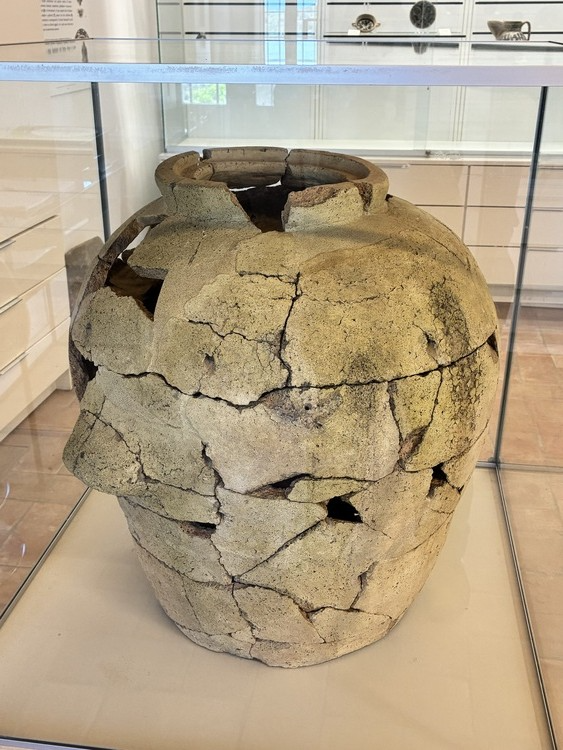
Ancient glirarium on Display in Italian “Ghost Village” of Celleno. Credit: Giulio Gargiullo – Museo delle Maioliche Arcaiche
A Four-Meter Shaft With a Violent Past
The glirarium isn’t the only extraordinary find along Celleno’s new archaeological trail. Visitors can also see a monumental shaft plunging four meters underground, originally carved by the Etruscans as a water cistern before being repurposed centuries later as a medieval refuse pit. That later use left behind a dense, well-preserved layer of medieval ceramics for archaeologists to study.
The shaft’s modern history is almost as dramatic as its ancient one. In 1975, a group of unauthorized excavators illegally digging the site turned on each other over how to split their haul, and the dispute exploded into a violent clash involving shovels and gunfire. One wounded looter reportedly tipped off police out of revenge, leading to the gang’s arrest — but not before roughly ten truckloads of artifacts had already scattered across Italy, beyond the reach of archaeologists. Formal, scientific excavation of the site only resumed years later.
Reviving a Village the Earth Tried to Erase
Celleno itself was abandoned in the mid-20th century after landslides and seismic instability made the medieval settlement unsafe to inhabit, leaving behind a striking, frozen-in-time townscape recently named among Italy’s most beautiful ghost villages.
“This display is not just about archaeology — it is about recovering our identity and sharing our hidden history with the world,” said Luca Beraldo, Mayor of Celleno, adding that the town is preparing to welcome international visitors with new immersive technology woven into the historic walking route.
For now, the glirarium sits quietly in its museum case — a small clay jar carrying an outsized story of luxury, loss, and rediscovery.
