
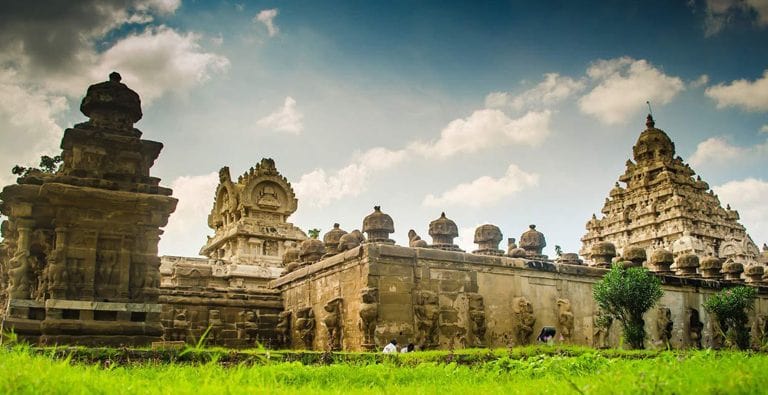
Kancheepuram, one of the most sacred and religious Hindu pilgrim centers in India is also called the ‘Land of the Thousand Temples’. Known for its rich culture, Kancheepuram is around 70 km from Chennai.
It is possible to find many things to explore in this city, such as the structures built by the Pallavas, Cholas, Pandyas, the Vijayanagara Empire, and the Carnatic kingdom of Kancheepuram.
Between the first and fifth centuries, the city, also known as Ghatikasthanam (place of learning), was a religious center of advanced education for Jainism and Buddhism. Kanchipuram has been selected as one of the heritage cities for the Government of India’s HRIDAY – Heritage City Development and Augmentation Yojana scheme. Not just that, but if you want to get a glimpse of ancient Indian history, Kancheepuram is a must-see because its houses and streets still have a medieval feel to them.
Kancheepuram temples in Tamil Nadu were added to the tentative list of UNESCO World Heritage Sites.
If you enjoy ancient architecture and Indian history, Kancheepuram temples are a must-see.
Famous Temples in Kancheepuram
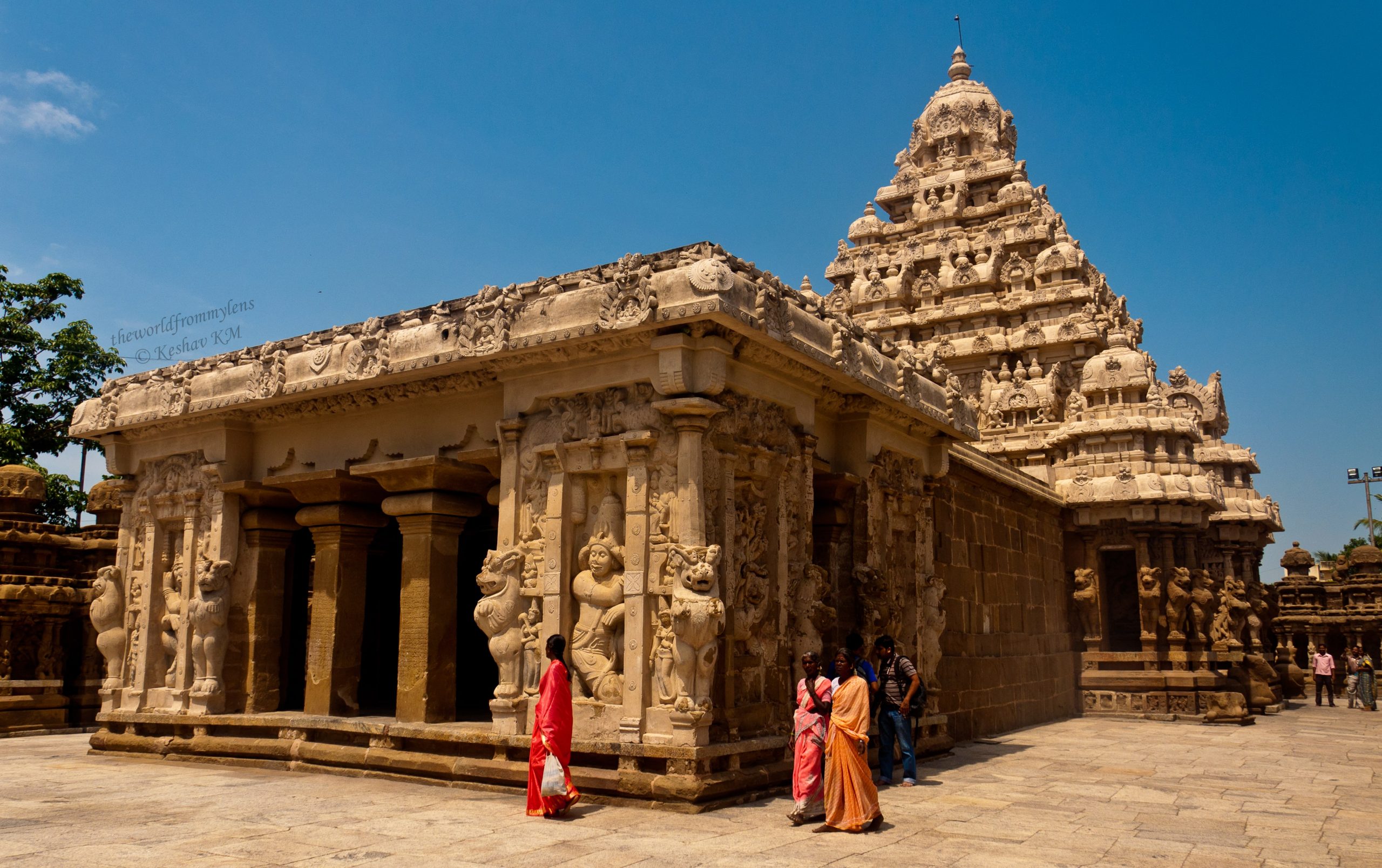
Kailasanathar Temple
The Kailasanathar Temple, dedicated to Lord Shiva, the Lord of Mt Kailash, is one of the most famous temples in town. The huge temple complex contains 60 smaller shrines, but the main idol of Lord Shiva, which has 16 stripes, is one of the most distinctive features. The temple is built in the typical Pallava style, with pillared halls, a vestibule, and a pyramidal tower.
The temple walls have about 240 panels inscribed with Nagara and Pallava Grantha scripts; some of the oldest works of calligraphy can also be found at Kailasanathar Temple. It also houses one of the earliest Jyeshta Lakshmi (Moodevi) and Vaali sculptures. This place is suitable for meditation and reflection, as it is designed in the Dravidian style.
Ekambareswarar Temple
This temple, which spans 10 hectares, is a religious pilgrimage site in Shaivism. Ekambareswarar Temple is one of the holiest Shiva temples and is one of the “Pancha Bhoota Stalam” [five Shiva temples, each reflecting one of the five elements of life]. It symbolizes the element Earth. Ekambareswarar is the name given to Shiva. The temple is thousands of years old with the current structure being a reconstructed one, around 600 AD by the Pallavas.
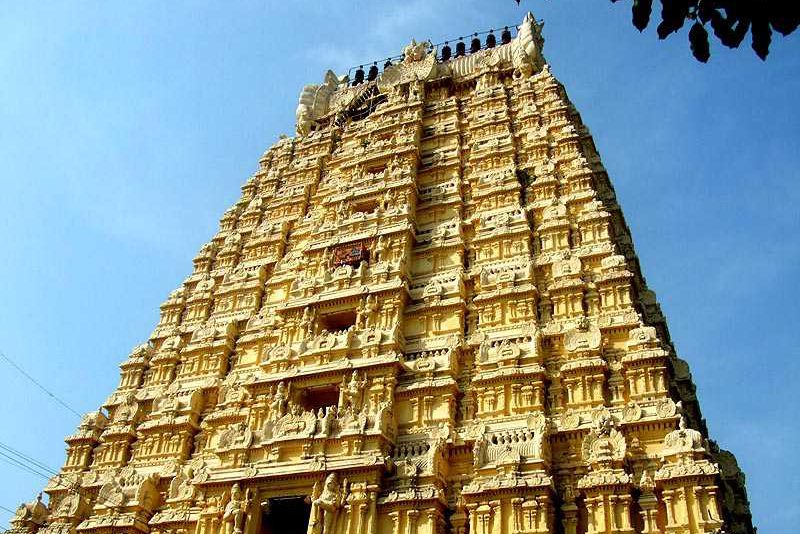
The temple, on the other hand, shows the works of almost every dynasty that ruled Kanchipuram. The 172-foot Raja Gopuram is a magnificent architectural marvel built by the Vijayanagara Empire. The Cholas contributed to the temple’s architecture.
From March to April, the temple holds an extravagant 10-day festival called “Panguni Brahmotsavam.”
Vaikunthnathar Temple
It is one of the 108 Divyadesam devoted to Vishnu as Vaikuntanathan (Lord Paramapadanathan) and his consort Lakshmi as Vaikundavalli.
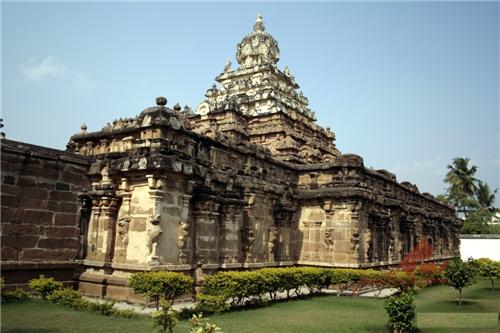
The temple, a sacred pilgrimage site for Vaishnavism, is built in the Dravidian style. The temple is thought to have been built by Pallava king Nandivarman II (720-96 CE) and later restored by Medieval Cholas and Vijayanagar rulers.
Varadaraja Perumal Temple
Vaishnavism’s holiest pilgrimage site is one of the 108 Divya Desams of the most sacred Vaishnavite shrines scattered throughout the country. The temple contains over 350 inscriptions attributed to almost all of India’s main dynasties that controlled the southern part of the country.
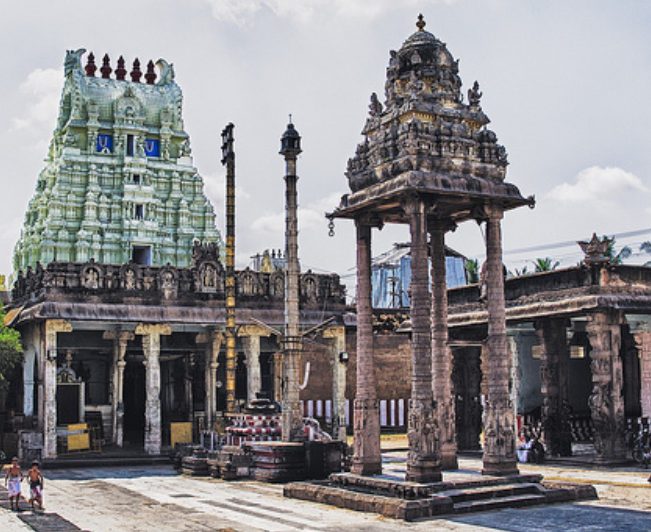
The temple is also known as Perumal Koil and is considered very sacred in Vaishnavism. Temple is also famous for its unique idol of Lord Vishnu, which is made up of Wood and kept in a Silver box.
Kanchi Kamakshi Amman Temple
The original construction of this temple is said to have been built under the Pallava dynasty, and its history is steeped in myths and legends. The Shaktas, who worship Goddess Shakti, are connected to the Kamakshi Amman Temple. The annual chariot festival, or “ther-vizha,” held during the Tamil month of Masi (between February and March), draws a large number of devotees to Kancheepuram. It is believed that people who want to get married should attend this festival.
Ulagalantha Perumal Temple
Ulagalantha Perumal temple is one of Lord Vishnu’s 108 Divya Desams. Lord Vishnu’s Vamana avatar is worshiped here. Ulagalantha Perumal temple was built in the Indo Dravidian style and features grand towers, monumental pavilions, and exquisite carvings.
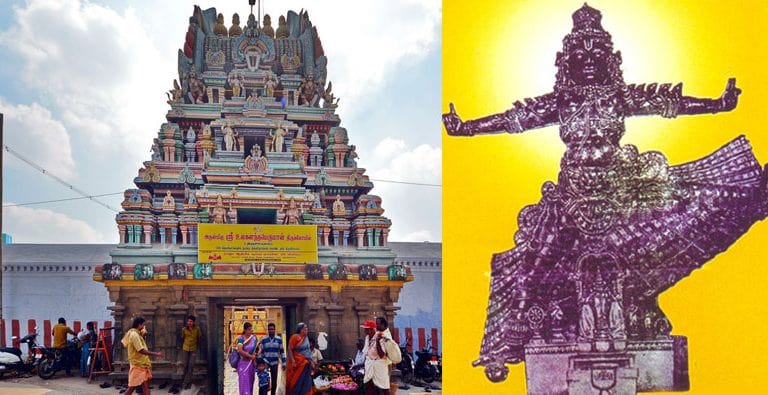
According to the inscriptions, Nandiarma III founded this temple between 846 and 869 and it was later restored by the Pallavas and Cholas. This temple is located in the Kancheepuram district and is very near to the famous Kamatchi Amman temple.
Trilokyanatha Temple
Built during the Pallava Dynasty, Trilokyanatha Temple is one of the most important Jain temples.
Trilokyanatha Temple is a Dravidian-style temple with a three-tiered gopuram. The temple has three parallel shrines, with the image of Mahavira in the center of the image of Lolanathar, the 24th Tirthankara on the Northern side, and Neminatha on the Southern side.
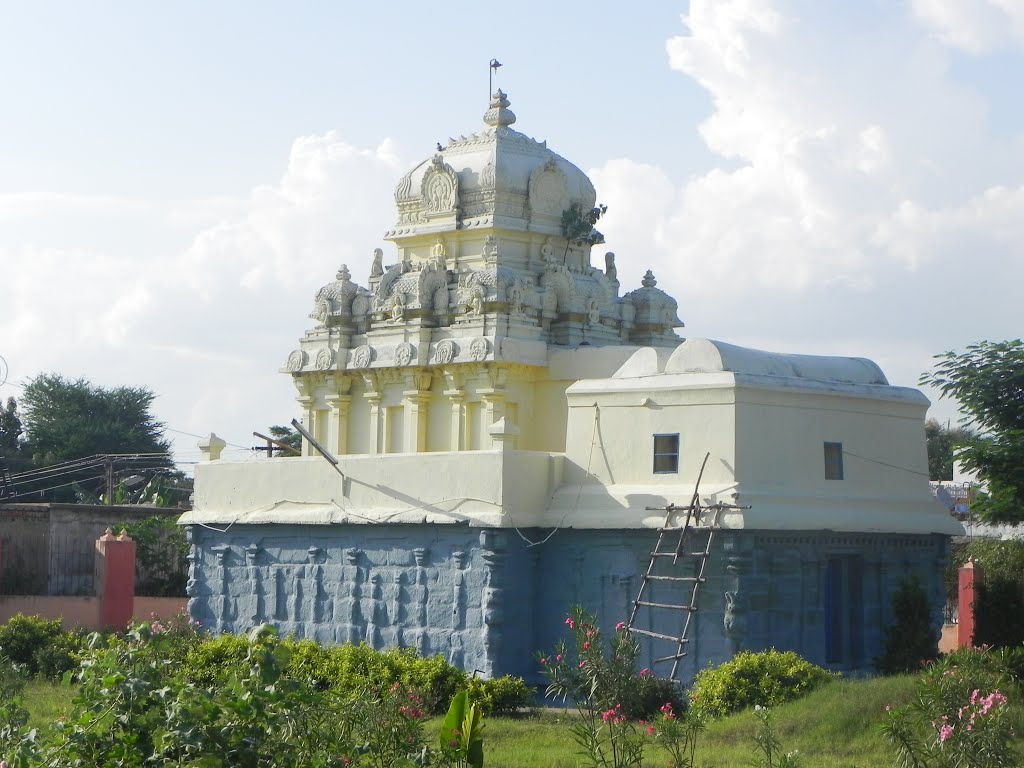
The bronze images are housed in all three sanctums, which are circular in form. The sanctum of Mahavira houses Dharmadevi and a Tirthankara on each side of him. As in other south Indian Hindu temples, there are carved pillars in the hall leading to the sanctum, and there is a flag post in between and axial to the entrance and the sanctum.
The temple has a large number of paintings on the ceilings that are captioned in Tamil Grantha script; it is believed that Jain scriptures have assimilated Krishna’s life story, and the majority of the paintings represent Krishna’s life story.
