
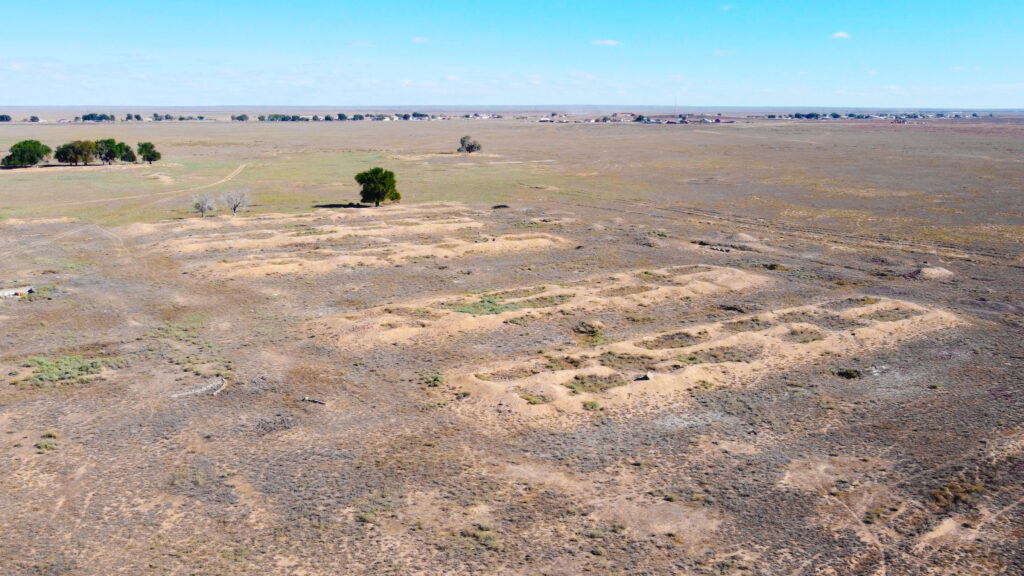
Czech researchers have carried out the first officially authorized comprehensive archaeological investigation of a former Soviet Gulag camp in a post-Soviet country. Their findings in Kazakhstan reveal the harsh realities of forced labor and imprisonment through physical evidence, while raising new questions about what happened at the site after its official closure in 1956.
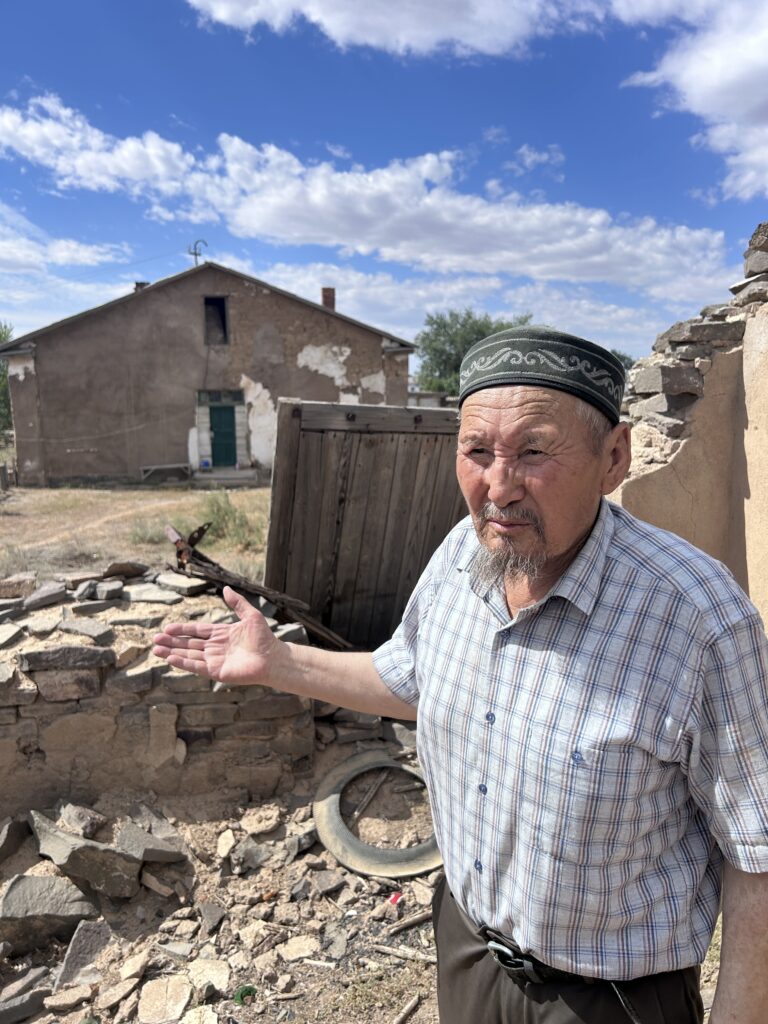
Three rows of barbed wire once surrounded the women’s section of a Soviet labor camp in Kazakhstan. Beneath its watchtowers, guards left behind spent cartridge cases, while prisoners endured forced labor inside a complex that also contained a cemetery for those who died there. Decades later, a joint Czech expedition has documented these physical traces of repression, along with evidence that raises questions about the camp’s final years.
The discoveries come from Terekty, near Zhezkazgan in central Kazakhstan, where the Czech organization Gulag.cz and archaeologists from the University of West Bohemia have undertaken a joint investigation of the former Steplag camp. The project combines the university team’s expertise in the archaeology of communist-era detention facilities with Gulag.cz’s nearly two decades of research into Soviet forced-labor camps.
Three Rows of Barbed Wire
Steplag formed part of the vast Soviet Gulag system, which imprisoned millions of people and exploited their labor across the Soviet Union. Between 1948 and 1956, more than 20,000 prisoners passed through Steplag, predominantly political detainees from Ukraine, the Baltic states and other countries, including approximately two dozen Czechoslovaks.
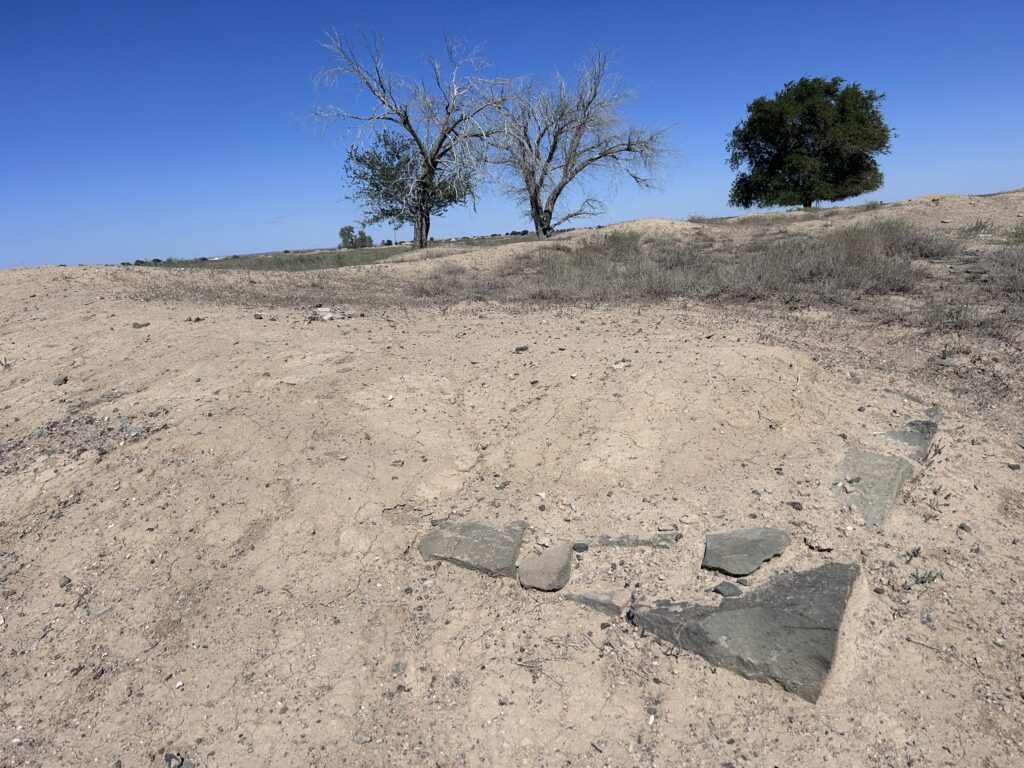
At Terekty, the research team identified separate compounds for male and female prisoners, surviving barracks, guards’ housing and the camp’s administrative headquarters. Archaeologists also located an industrial area where imprisoned men and women performed forced labor, as well as a forgotten cemetery associated with those who died in captivity.
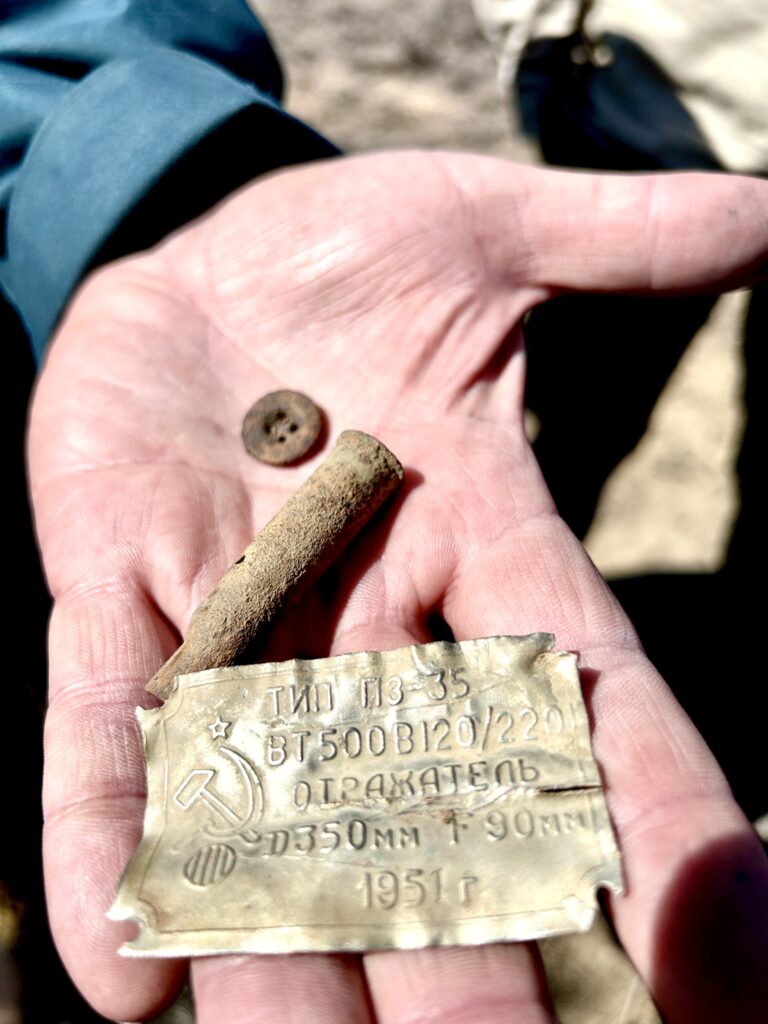
The remains of the women’s compound reveal particularly severe security arrangements. Three successive rows of barbed wire enclosed the area, while lighting installations illuminated the perimeter. Archaeologists recovered a label from a lamp used to illuminate the fence, dated 1951, providing additional chronological evidence.
Archaeologist Pavel Vařeka of the University of West Bohemia has previously investigated communist-era prison and forced-labor camps in the Jáchymov region of the Czech Republic. The Terekty expedition offers his team an opportunity to compare those facilities with the Soviet Gulag camps that influenced their organization.
The team also discovered spent cartridge cases beneath the former watchtowers. Their markings identify when and where the ammunition was manufactured, providing additional chronological evidence. Vařeka interprets the cartridge cases as evidence that guards fired their weapons, although the finds alone cannot establish the circumstances of those shootings or whether prisoners were targeted.
The Women Who Remained Behind
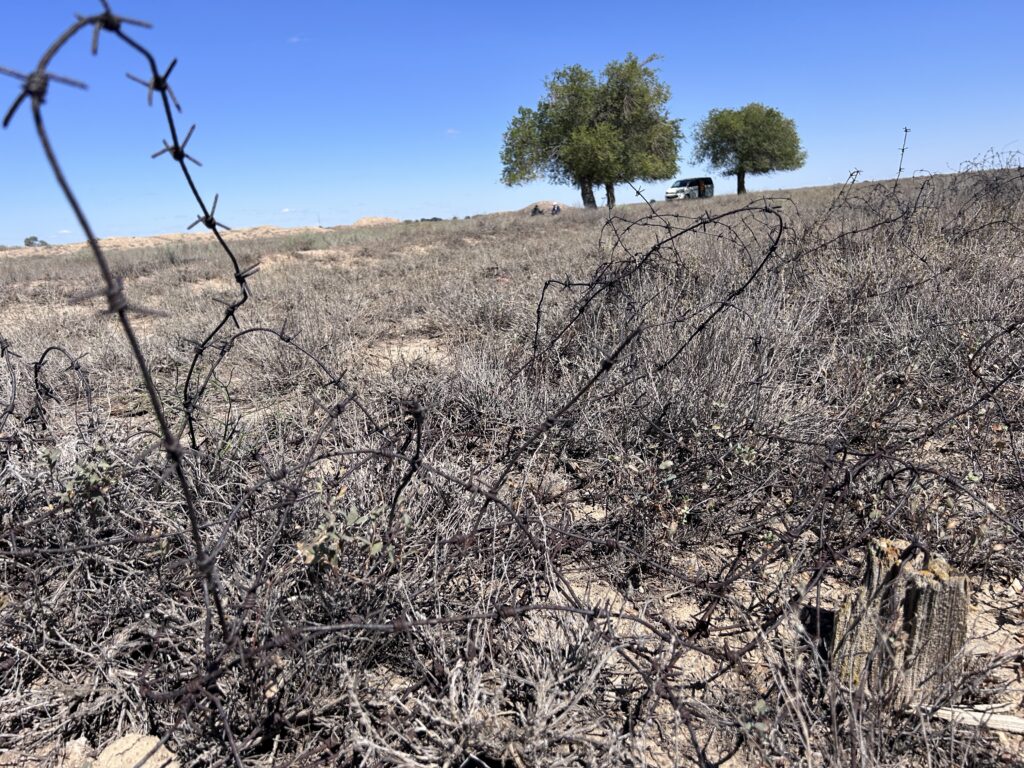
One of the investigation’s most important sources of information came through a living witness rather than an excavation. Mizambaj Bralin, a 78-year-old local resident who moved to Terekty in 1959, remembers a women’s prison camp still operating there, despite Steplag’s official dissolution three years earlier.
Bralin recalled women from the Baltic states held behind the camp’s fences. Speaking to the researchers about their treatment, he said:
“They kept those women there like animals. I cannot imagine how any man could ever shoot at a woman.”
His words give the surviving structures a human meaning that architectural plans and recovered objects cannot convey on their own. The fences, guard towers and ammunition are no longer merely features of an abandoned military-style compound; they form part of the environment in which prisoners lived under constant surveillance and coercion.
For Vařeka, the testimony proved essential to interpreting the archaeological evidence. The distribution of buildings and other surviving remains had raised questions about how the compound functioned, and Bralin helped resolve several of them. Without that encounter, Vařeka acknowledged, the team would have been left speculating about important aspects of life inside the camp.
A Camp That May Have Continued Beyond 1956
Soviet records identify 1956 as the year authorities dissolved Steplag as an administrative organization. Yet archaeologists working at Terekty recovered glass bottles dating from 1959 to 1961, indicating that people continued using the site after its official closure.
The objects alone cannot establish that prisoners remained in detention throughout those years. However, Bralin’s recollections raise the possibility that women were still held there in 1959, potentially under different administrative arrangements.
Štěpán Černoušek, chairman of Gulag.cz, is now consulting historians from all three Baltic states who hold extensive collections of testimonies from former Steplag prisoners, including people imprisoned at Terekty. So far, none of these accounts has independently confirmed that prisoners remained at the site after 1956. The possibility has not been disproved, however, and the researchers intend to continue investigating it.
This distinction is central to the investigation. By comparing dated objects, surviving buildings, historical documents and eyewitness testimony, the researchers can examine events that official administrative records may not fully describe, while distinguishing established facts from questions that remain unresolved.
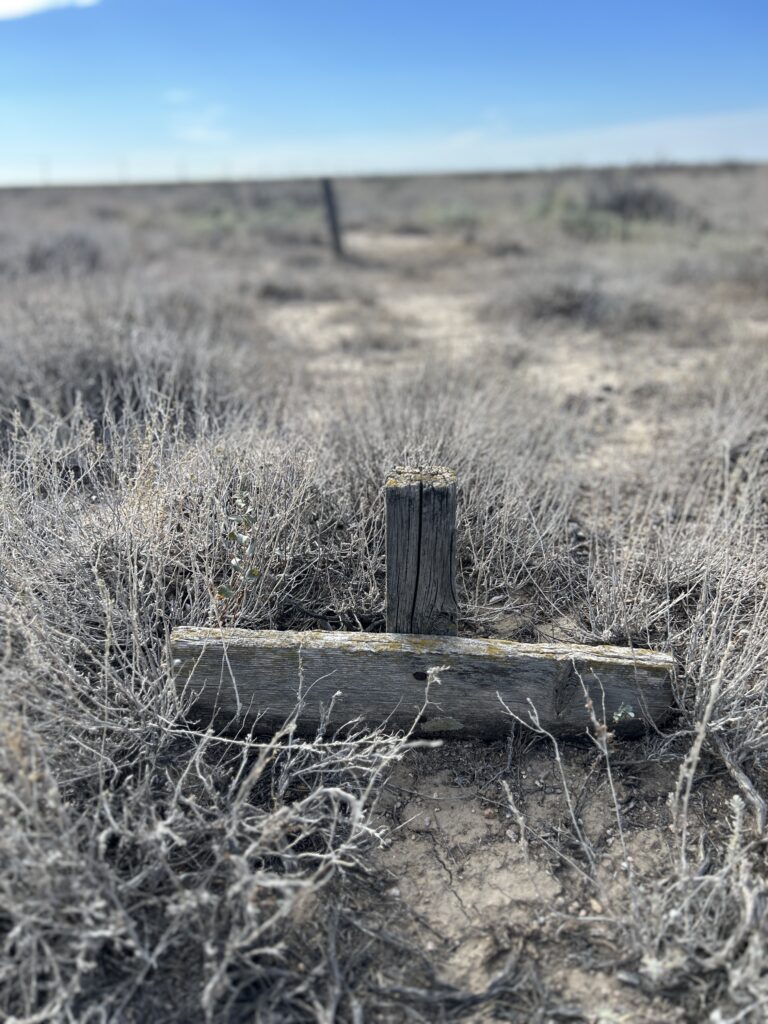
The prisoners’ cemetery at Terekty, documented during the Czech-Kazakh archaeological expedition investigating the former Steplag camp. Photo: Štěpán Černoušek / Kindly provided by Gulag.cz for publication.
Archaeology Within Living Memory
The Terekty expedition represents what the researchers describe as the first authorized comprehensive archaeological investigation of a former Gulag camp in a post-Soviet country. Kazakhstan has permitted the joint Czech team to work alongside local historians and archaeologists, including specialists from the Margulan Institute of Archaeology.
The research combines drone surveys, surface documentation, metal detection and limited excavation. These methods allow archaeologists to reconstruct the camp’s layout while preserving much of the site, whose buildings and security installations remain remarkably intact.
For Gulag.cz, the expedition builds on nearly two decades of research into the Soviet Gulag system. Since 2009, the organization has documented camps in Siberia, where standing barracks and personal belongings of prisoners have survived, and has conducted fieldwork in Kyrgyzstan and Uzbekistan. Its earlier expeditions focused primarily on documenting surviving remains rather than conducting excavations under official archaeological permits.
The University of West Bohemia team, meanwhile, brings experience from archaeological investigations of communist-era detention and forced-labor camps in the Czech Republic. For its archaeologists, Terekty represents their first investigation of a Soviet Gulag site.
This collaboration has become especially important because official archaeological investigations of Gulag camps are currently not possible in Russia, where Gulag.cz can no longer continue its earlier expeditions. Kazakhstan’s cooperation has therefore opened a new opportunity to examine the physical evidence of Soviet repression through formally authorized archaeological research.
The involvement of a living witness makes the project particularly significant. Archaeology usually explores communities whose members can no longer explain the objects and structures they left behind. At Terekty, researchers can still compare physical discoveries with the memories of someone who witnessed the camp during its final years.
The findings also demonstrate why this form of research matters beyond Kazakhstan. By combining the documentation experience of Gulag.cz with the archaeological expertise of the University of West Bohemia, the expedition offers new opportunities to investigate a history whose physical traces continue to disappear.
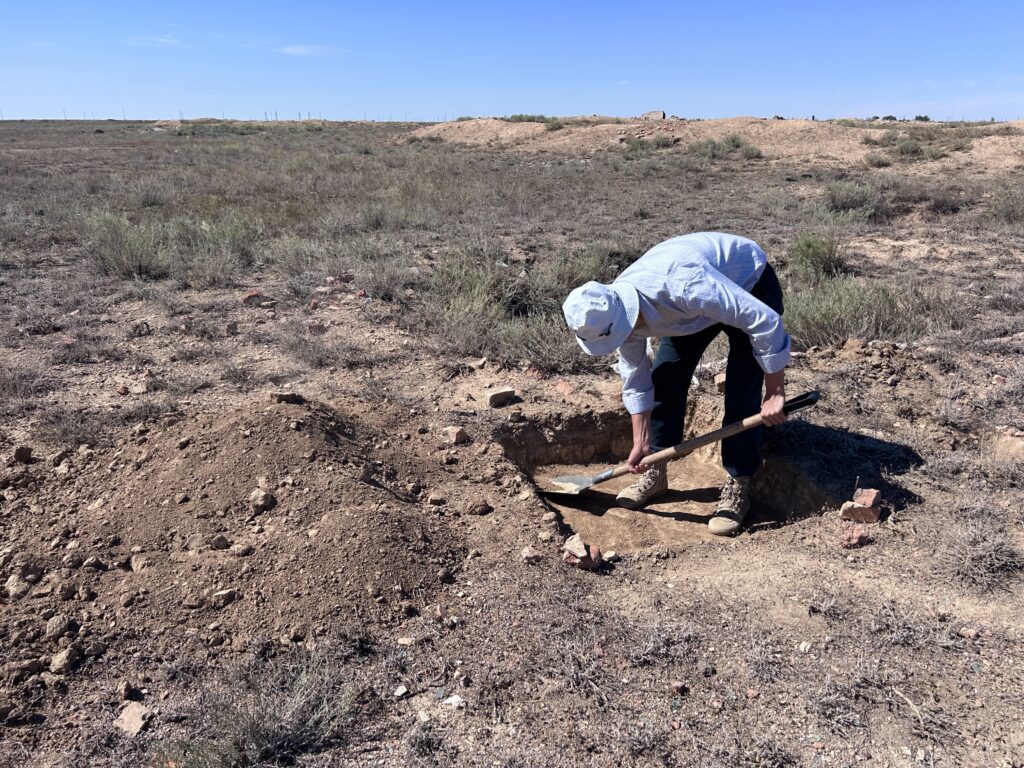
A member of the archaeological team excavates the first test pit within the territory of the former Steplag labor camp at Terekty. Photo: Štěpán Černoušek / Kindly provided by Gulag.cz for publication.
Gulag.cz intends to present the expedition’s findings through a documentary and its virtual Gulag Online museum.
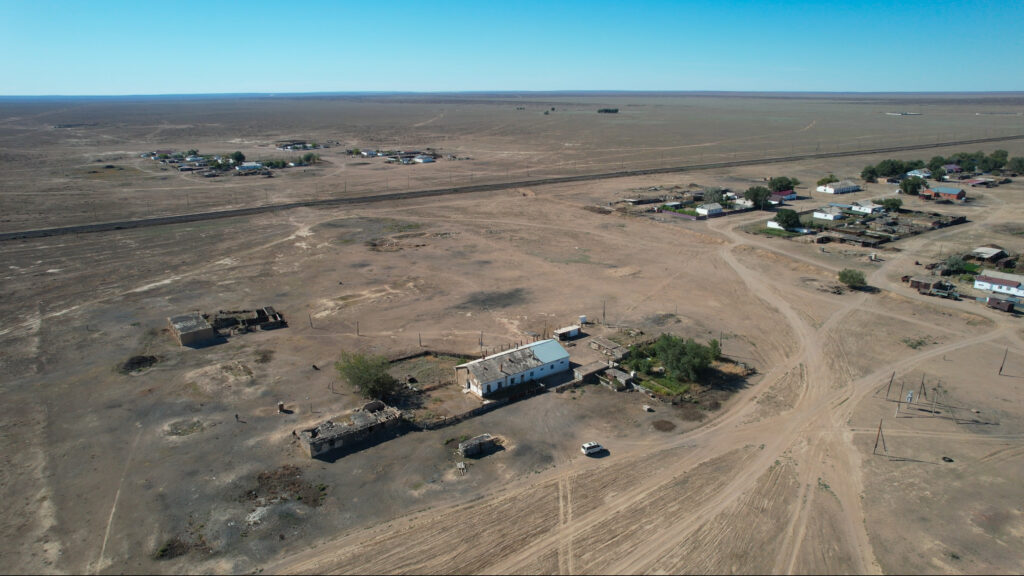
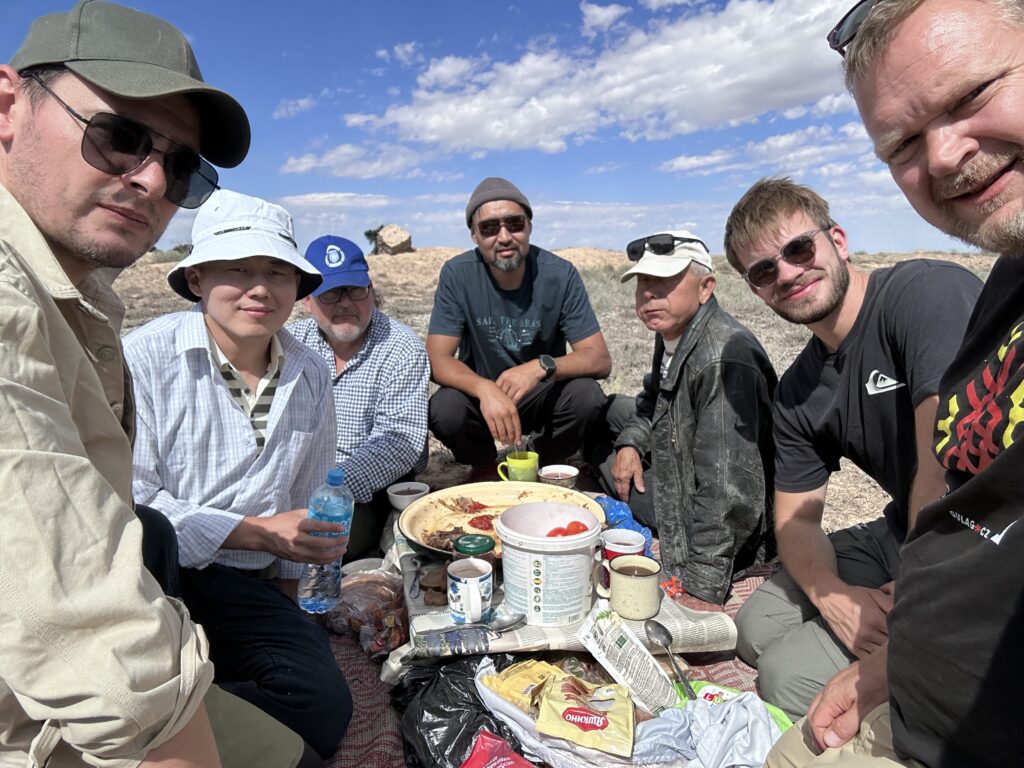
The core research team during a break at Terekty. From left: Aleksandre Misiurny (University of West Bohemia), Akzhol Dosnazarov (University of West Bohemia), Pavel Vařeka (University of West Bohemia), Sultan Iksanov (Margulan Institute of Archaeology), Turganbek Alaniyazov (historian, Zhezkazgan), Martin Sroka (Gulag.cz), and Štěpán Černoušek (Gulag.cz). Credit: Kindly provided by Gulag.cz for publication.
Acknowledgment: We would like to extend our sincere thanks to Štěpán Černoušek, Chairman of Gulag.cz, for his valuable assistance, additional information, and support in the preparation of this article.
Source: University of West Bohemia, Gulag.cz
