13 February 2026 The Future is the Product of the Past

A Chapel was Found Under the Madonna Tal-Hniena Church in Qrendi, Malta

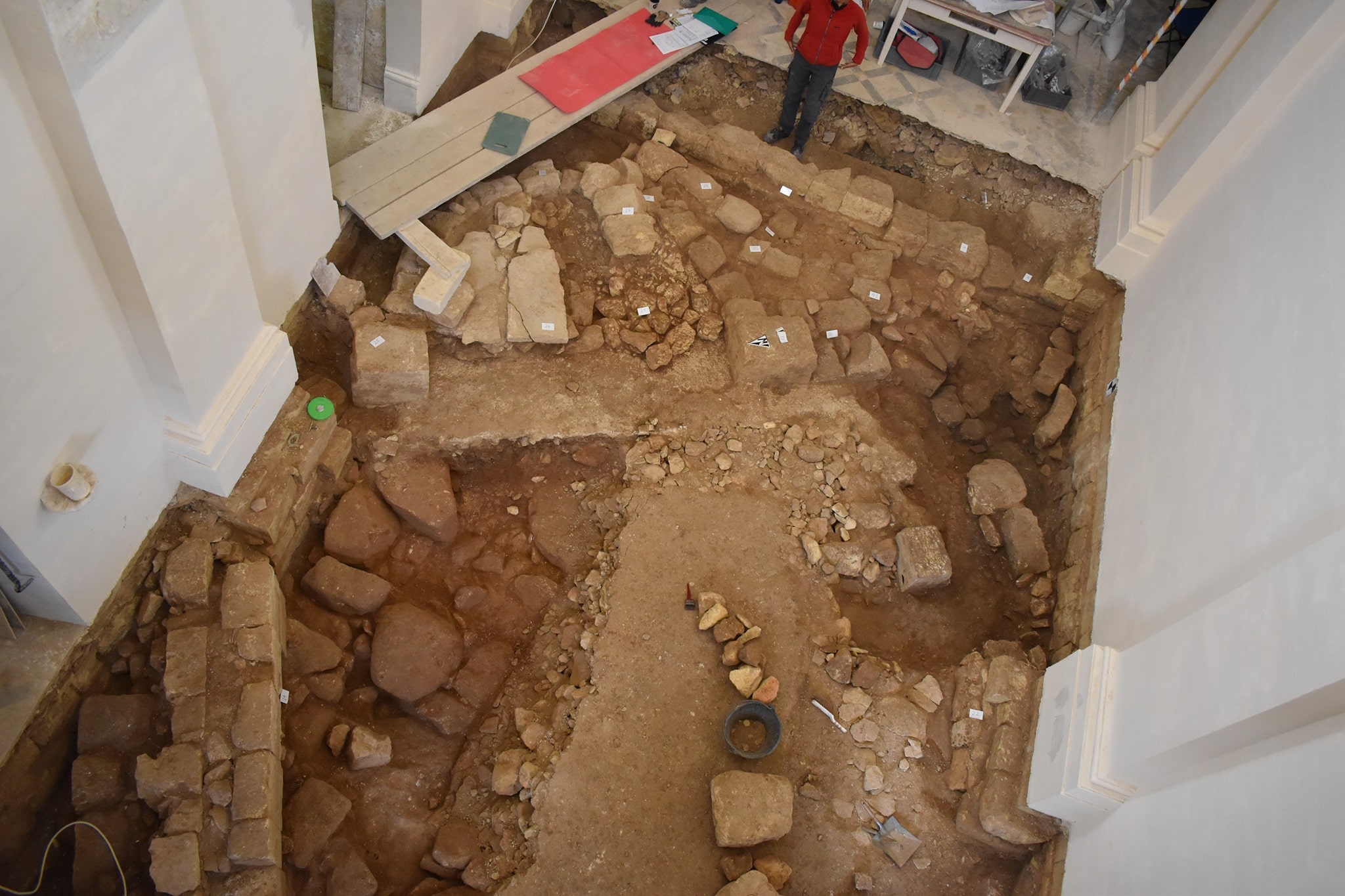
Underneath the Madonna Tal-Hniena church in the village of Qrendi in the south of Malta, the remains of an ancient chapel, possibly dating to the late medieval period, have been found.

The first phase of an archaeological excavation inside the 𝐾𝑛𝑖𝑠𝑗𝑎 𝑡𝑎𝑙-𝑀𝑎𝑑𝑜𝑛𝑛𝑎 𝑇𝑎𝑙-Ħ𝑛𝑖𝑒𝑛𝑎 in Qrendi was recently completed by the Superintendence of Cultural Heritage. The restoration work was done in collaboration with the Restoration Directorate.

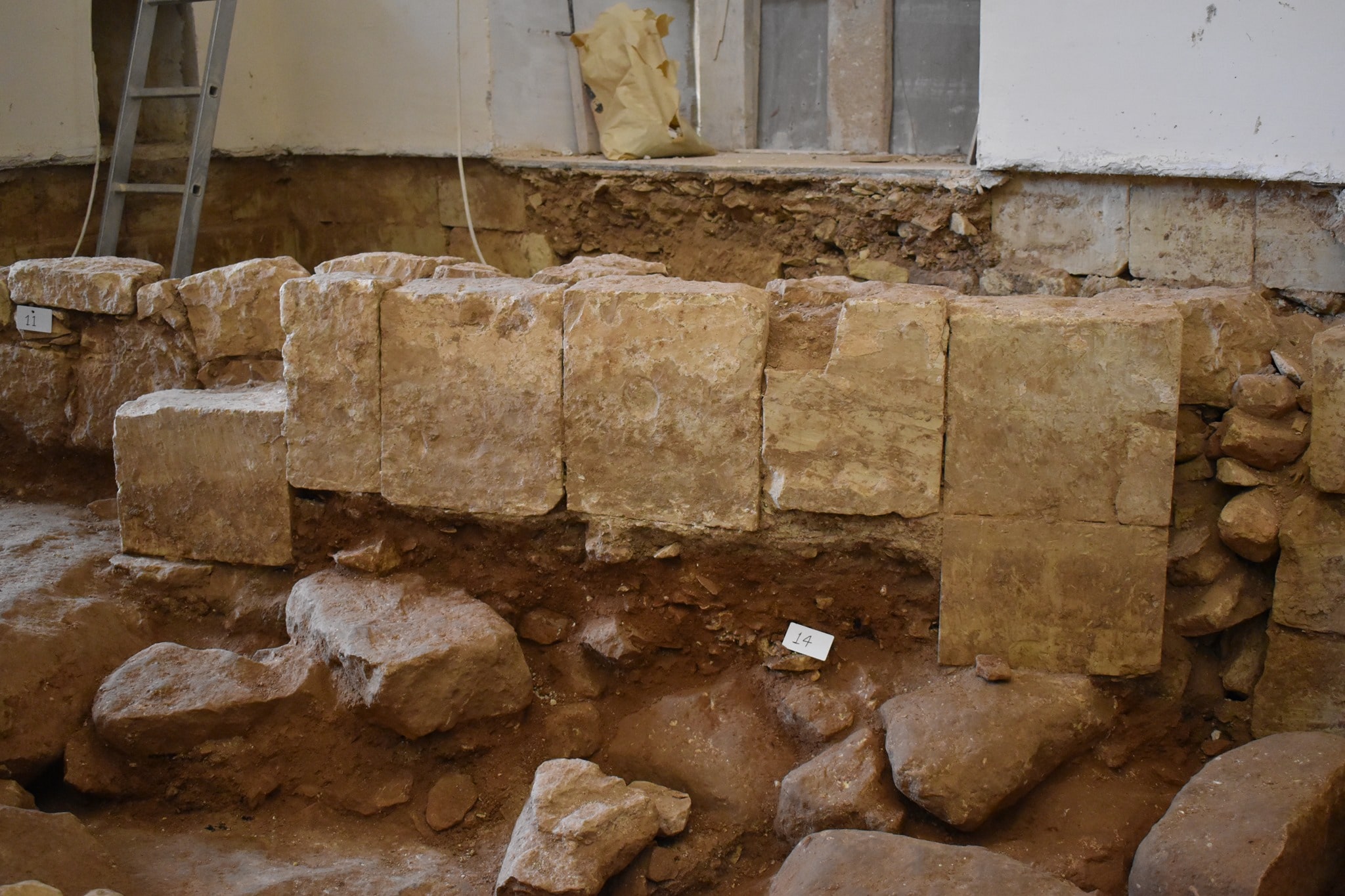
The removal of the existing floor tiles and the underlying preparation layers led to the uncovering of walls defining an older structure, which had survived within the enclosed space of the new baroque church, the Superintendence of Cultural Heritage said.
The 𝐾𝑛𝑖𝑠𝑗𝑎 𝑡𝑎𝑙-𝑀𝑎𝑑𝑜𝑛𝑛𝑎 𝑇𝑎𝑙-Ħ𝑛𝑖𝑒𝑛𝑎

According to preliminary information, the modern baroque church was constructed on top of an older and smaller chapel (pre-1500s/Late Medieval). This research also provided important data on the potential use of the area pre-dating the construction of the Late Medieval chapel, as shown by archaeological deposits under its foundations.


📣 Our WhatsApp channel is now LIVE! Stay up-to-date with the latest news and updates, just click here to follow us on WhatsApp and never miss a thing!!


In the coming months, the Superintendence will be embarking on the post-excavation phase of this investigation which will include the study of the evidence, which will aid in understanding the dating of the older chapel and the earlier use of the site before the chapel was built.
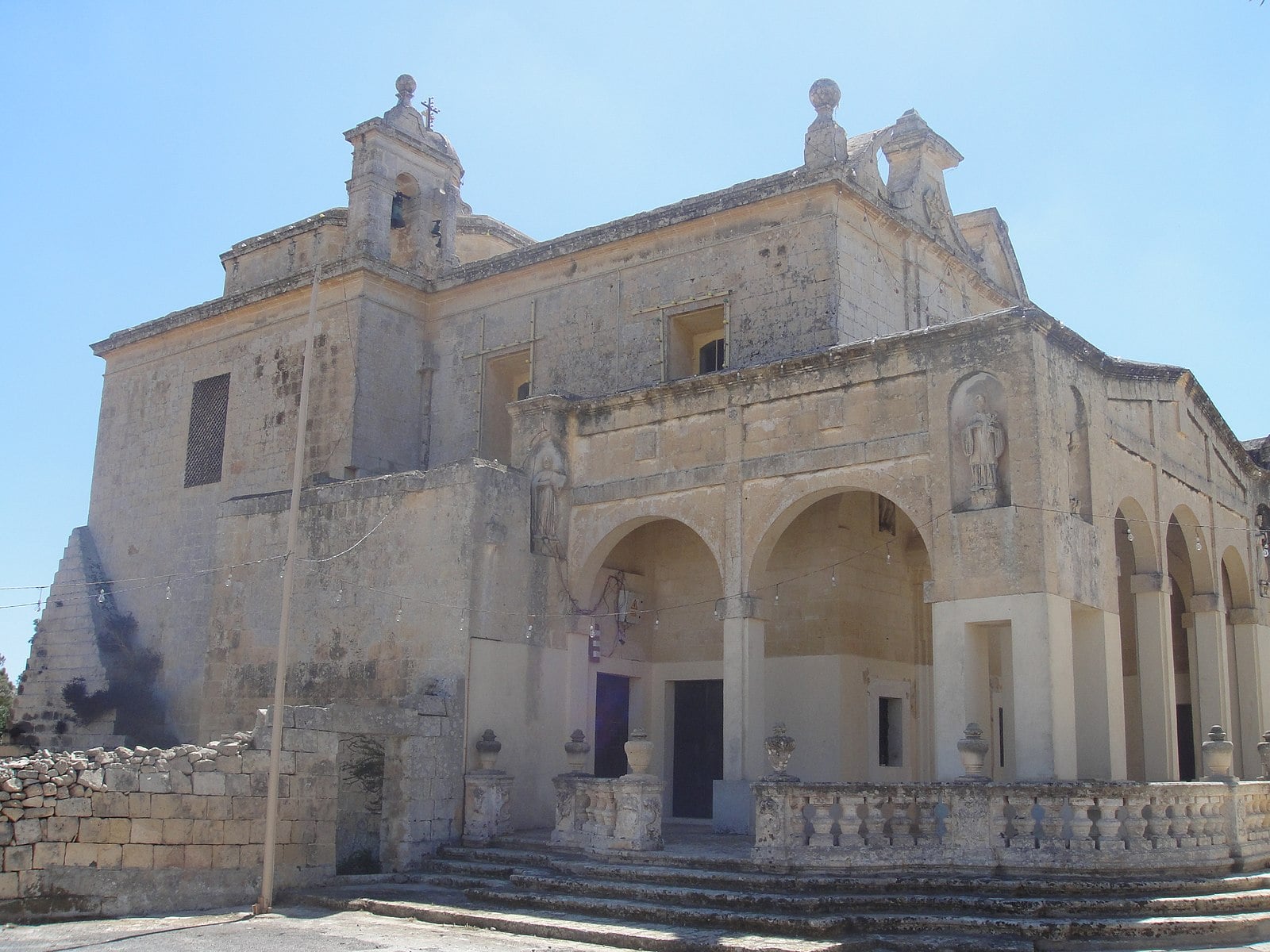
Knisja_tal-Madonna_tal-Ħniena_Qrendi
Knisja Tal-Madonna tal-Ħniena_Qrendi

The 𝐾𝑛𝑖𝑠𝑗𝑎 𝑡𝑎𝑙-𝑀𝑎𝑑𝑜𝑛𝑛𝑎 𝑇𝑎𝑙-Ħ𝑛𝑖𝑒𝑛𝑎

Our Lady of Mercy Shrine, also known as Chiesa Della Misericordia or simply Tal-Hniena, is a Roman Catholic church in the village of Qrendi, Malta.

The land on which the church stands was once part of the medieval hamlet of al Lew, which was then part of the parish of Currie. The first church was most likely built in the thirteenth century. Inquisitor Pietro Dusina visited the church in 1575 and declared it to be in poor condition. He also ordered the church to be deconsecrated and shut down. However, devotion to the Virgin of Mercy persisted in this church, as evidenced by the church’s various Ex-voto paintings.

In 1650, the church was restored. The sacristy was attached to the church in 1668. Pope Innocent XII gave indulgences to all who attended the church in 1695, on the initiative of Reverend Domenico Formosa. Every year, a pilgrimage is made from the parish of Qrendi to the church of Our Lady of Mercy on the feast of the feats, which is held on the Sunday following September 8th.

Information about The 𝐾𝑛𝑖𝑠𝑗𝑎 𝑡𝑎𝑙-𝑀𝑎𝑑𝑜𝑛𝑛𝑎 𝑇𝑎𝑙-Ħ𝑛𝑖𝑒𝑛𝑎 is taken from Wikipedia.

Source: https://www.facebook.com/SCHMalta/posts/3939433206125668

Related Articles

Korea’s 900-Year-Old Celadon Bowls Raised from the West Sea Look Strikingly New — Here’s Why

2 December 2025

2 December 2025

On South Korea’s western shoreline, where vast UNESCO-listed tidal flats stretch toward the horizon, an unusual archaeological mystery has captured...

Turkey’s second ancient lighthouse found in the Bathonea

28 July 2023

28 July 2023

The excavations in the ancient Greek city of Bathonea, located in the Küçükçekmece Lake basin in the Avcılar district of...

The first Bull Geoglyph discovered in central Asia

29 September 2021

29 September 2021

Archaeologists from the Russian Academy of Sciences’ Institute of History of Material Culture (IIMK RAS) and LLC Krasnoyarsk Geoarchaeology discovered...

One of the oldest known mosques in the world uncovered in Israel

23 June 2022

23 June 2022

A team of Israeli archaeologists has discovered what is one of the oldest known mosques in the world. Israeli archaeologists...

Saxon ‘London’ was Bigger Than Previously Believed

23 February 2024

23 February 2024

Archaeologists digging at the northern end of Trafalgar Square found evidence that Saxon London’s center was bigger and extended further...

The unknown importance of Göllü Dağ on the route of the first humans’ Transition from Africa to Europe

4 October 2021

4 October 2021

The researches conducted in Göllü Dağ and its surroundings, located within the borders of Niğde province in Central Anatolia, and...

6,500-Year-Old Hunting Kit Discovered in West Texas Cave

5 April 2025

5 April 2025

A remarkable archaeological find in the rugged terrain of West Texas is transforming our understanding of the region’s prehistoric inhabitants....

Excavations Near Stonehenge Uncover Bronze Age Barrow Cemetery

4 June 2023

4 June 2023

The Cotswold Archeology team excavating at the site of a planned housing development near Salisbury, England, has unearthed a giant...

2900-Year-Old Erzin Stele: A Key to Understanding the Hittite to Greek Mythological Transition

5 April 2025

5 April 2025

In a significant archaeological discovery, a basalt stele was unearthed in 1987 by O. Günay while plowing his field at...

1,800 Years Old Woman Sculpture in the Ancient City of Metropolis

16 June 2021

16 June 2021

On 12 June, Turkish officials announced the discovery of an 1800-year-old statue of a woman in Izmir. An 1800-year-old statue...

How Clean Were the Hittites? A Sophisticated Hygiene Culture 3,000 Years Ago, Revealed by New Research

29 January 2026

29 January 2026

For a civilisation that flourished more than 3,000 years ago, the Hittites may have been far more concerned with cleanliness...

Exceptional Intact Etruscan Rock-Cut Tomb Discovered in Italy’s San Giuliano Necropolis

30 June 2025

30 June 2025

A remarkable discovery has emerged from the heart of Etruria: an intact Etruscan rock-cut tomb, sealed for over 2,700 years,...

2,600-Year-Old Lost Temple Built of Green Tuff Stone Unearthed at Oluz Höyük, Northern Türkiye

22 September 2025

22 September 2025

Archaeologists have uncovered a 2,600-year-old temple in northern Türkiye, a monumental sanctuary built from striking greenish volcanic tuff. Discovered at...

Mass Grave of 150 Roman Legionaries Discovered in Vienna—First Direct Evidence of Ancient Combat on the Danube Limes

4 April 2025

4 April 2025

Archaeologists from the Vienna Museum have made a groundbreaking discovery on the outskirts of Vienna, unearthing the remains of approximately...

Lead sling bullet inscribed with “Julius Caesar” name found in Spain

5 January 2024

5 January 2024

A lead sling bullet inscribed with the name of Julius Caesar and the Ibero-Roman city Ipsca has been discovered in...