
8 November 2025 The Future is the Product of the Past

The Anahita Temple in western Iran is Being Restored

A restoration project has been commenced on the ancient temple of Anahita, which is located in the city of Kangavar, western Iran.

The Temple of Anahita is located in the middle of Kangavar City, Kermanshah province, on the road from Hamedan to Kermanshah.  This monument is constructed on a natural hill that rises to a maximum height of 32 meters above the surrounding terrain.

“After 20 years of silence in the Anahita Temple, a restoration project has begun on the southwestern side of this historical sanctuary,” Morteza Geravand, the director of the ancient site, announced on Tuesday.

In this part of the temple, there are four rows of 12-meter-long walls, the restoration of which is on the agenda, the official said.

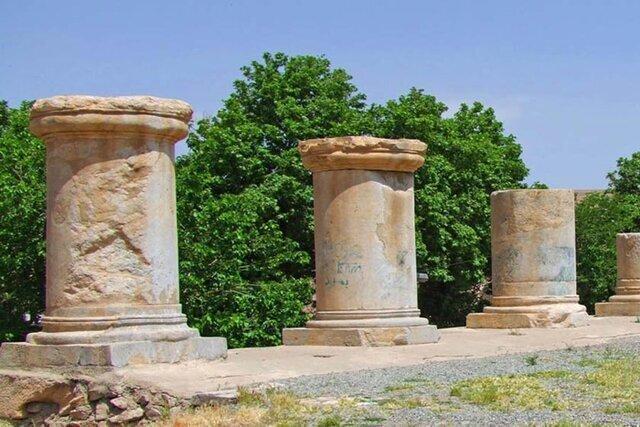
“The restoration work has started on the south side of the temple from the first-row stairs with a length of 12 meters and we have placed some of the stones and capitals in place inside these stairs,” the official explained.


📣 Our WhatsApp channel is now LIVE! Stay up-to-date with the latest news and updates, just click here to follow us on WhatsApp and never miss a thing!!


A restoration project has been commenced on the ancient temple of Anahita, which is located in the city of Kangavar, western Iran.

The Anahita Temple is the name of one of two archaeological sites in Iran popularly thought to have been attributed to the ancient deity Anahita. The larger and more widely known of the two is located at Kangavar in Kermanshah province. The other is located at Bishapur of the southern Fars province.

The architecture of this temple is similar to that of palaces and temples erected in western Iran during the Achaemenian era (550 BC to 330 BC). Large chunks of stone are chopped and fashioned into rock blocks. They are stacked on top of one another, and their shape leads them to interlock to form a mountainside wall or platform.

Anahita, which means “clean and uncontaminated,” was the goddess of water, the protector of springs and rain, and a symbol of fertility, love, and friendship in ancient Iranian mythology.
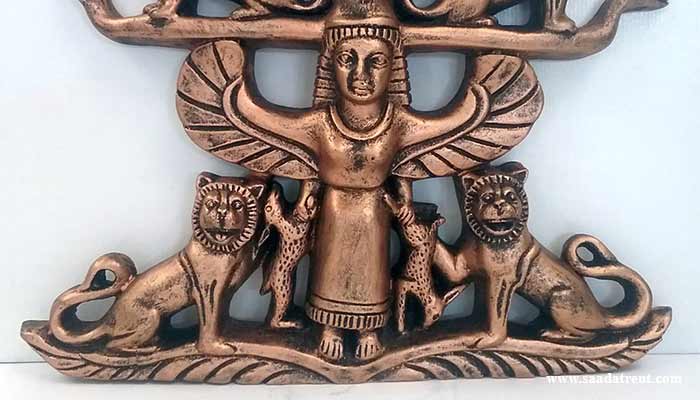
anahita-goddes
In the Iranian calendar, on the tenth day of Aban is specified as the celebration of the “Abanagan”. Abanagan is one of the Iranian celebrations in praise and prayer of the goddess Anahid or Anahita. Source

Possibly of Mesopotamian origin, her cult was made prominent by Artaxerxes II, and statues and temples were set up in her honor throughout the Persian empire.

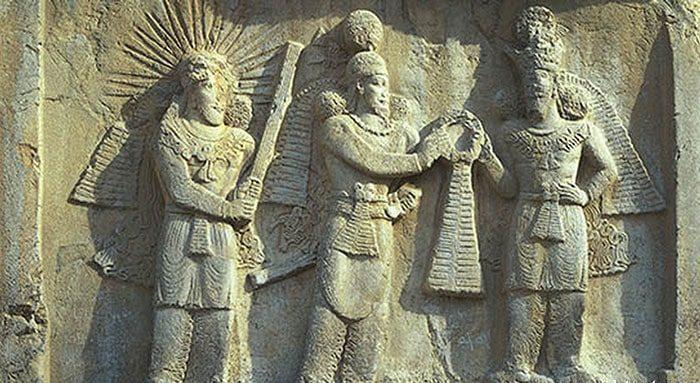
This concept has existed in Iran since before Zoroaster and has been the focus of concern in subsequent centuries. Numerous temples and statues have been built in Iran before Islam in respect of this Iranian goddess. Furthermore, in the honor of this goddess, Pol-e Dokhtar and Qal’eh Dokhtars that have been erected across Iran have taken the name “Dokhtar.”

Anahita monuments (temples and inscriptions) may still be found at Hamedan, Shush, Kazerun, Azerbaijan, Kermanshah, and Kangavar. The Temple of Anahita in Kangavar is Iran’s most renowned Anahita temple. The height of its columns to their diagonals is three to one, making it unique and incomparable among all temples in the globe. The Temple of Anahita is the second stone building in Iran after Persepolis. The architectural style of this monument is of Arsacid style.

The temple’s columns have comparable shapes and sculptures to those seen at Persepolis and the Palace of Darius in Shush. This temple was erected in honor of “Ardevisur Anahita,” the female guardian angel of waterways. It is referred to as the “Temple of Anahita.”

This monument was registered among the national monuments in 1310 (1931) with the number 31.

Source: Tehran Times

Related Articles

Türkiye’s Neolithic Settlement Çayönü Hill Discovered New Tombs from Early Bronze Age

4 September 2023

4 September 2023

Archaeologists have unearthed 5 more tombs dating to the Early Bronze Age during the recent excavations on Çayönü Hill in...

Deadly Omens Revealed from 4,000-year-old Babylonian Tablets

10 August 2024

10 August 2024

Researchers successfully deciphered 4,000-year-old cuneiform tablets discovered over a century ago in what is now Iraq.  The tablets, housed at...

An Unusual Artifact Points to Roman Britain Rituals Linked to Fertility, Painted Dog Penis Bone Found in England

9 January 2025

9 January 2025

In a Roman quarry shaft in Surrey, England, archaeologists have discovered one of the most unusual human and animal remains...

An unknown human group is revealed in a 7,200-year-old skeleton discovered in Indonesia

27 August 2021

27 August 2021

According to a study released this week, archaeologists uncovered the bones of a 7,200-year-old skeleton from a female hunter-gatherer in...

The largest embalming cache ever found in Egypt unearthed at Abusir

10 February 2022

10 February 2022

Archaeologists from the Czech Institute for Egyptian Science have discovered a cache of artifacts related to the practice of Egyptian...

Historic Discovery in Karahantepe: The First T-Shaped Pillar with a Human Face Unearthed

6 October 2025

6 October 2025

Archaeologists working under the Taş Tepeler Project, led by Turkey’s Ministry of Culture and Tourism, have made a groundbreaking discovery...

Marble inlay floors found in a Sunken Roman villa in Baia, the Las Vegas of the ancient world

9 April 2023

9 April 2023

Expansion of research activities in the Terme del Lacus area in the sunken Baia park, known as the ‘Las Vegas’...

A 1,500-Year-Old Roman Settlement Discovered in Bulgaria

21 March 2025

21 March 2025

In a remarkable turn of events, a team of archaeologists conducting preliminary excavations ahead of a transit gas pipeline project...

Unique ancient Egyptian amulet seal discovered during archeological excavations in northern Turkey

11 November 2022

11 November 2022

During archaeological excavations in the ancient city of Amastris in the Amasra district of northern Turkey’s Bartın, an enchanted amulet...

Hidden for 5,000 Years: New Rock Paintings Discovered in Finland’s Astuvansalmi Cliff

27 October 2025

27 October 2025

On the rocky shores of Lake Yövesi in Ristiina, Finland, a silent elk gazes into eternity. This iconic figure, painted...

Freshwater and marine shells used as ornaments 30,000 years ago discovered in Spain

7 June 2023

7 June 2023

In Malaga’s Cueva de Ardales, up to 13 freshwater and marine shells that were carefully transformed by humans between 25,000...

27,000-year-old Pendants made from giant sloths suggest earlier arrival of people in the Americas

16 July 2023

16 July 2023

Archaeologists discovered three pendants made from the bony material of an extinct giant sloth in a rock shelter in central...

Archaeologists Uncover Unique 6th Century Mosaic in Abandoned Byzantine Monastery

9 April 2025

9 April 2025

A recent excavation report from the Israel Antiquities Authority has revealed the discovery of a well-preserved Byzantine-period monastery and farmhouse...

Archaeologists Unearth Carolingian Silver Treasure Hoard

6 May 2021

6 May 2021

A silver treasure hoard from the 9th century AD has been discovered in Poland‘s Osa and Drwęca basin. The hoard...

Archaeologists deciphered the Sabaean inscription on a clay jar finds link between King Solomon and the Queen of Sheba

3 April 2023

3 April 2023

Archaeologists deciphered a partially preserved inscription that was found on the neck of a large jar dated back to the...