17 January 2026 The Future is the Product of the Past

A Big, Round, 4,000-Year-Old Stone Building Discovered on a Cretan Hilltop

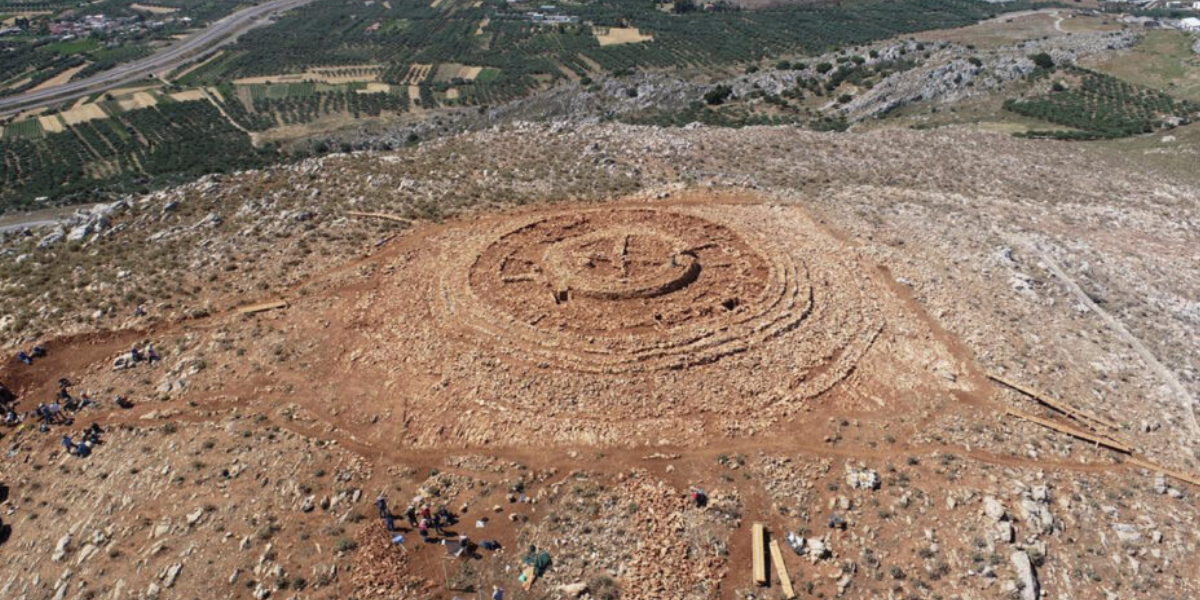
During excavations for an airport on Greece’s largest island of Crete, a large circular monument dating back 4000 years was unearthed.

A statement released by the Greek Ministry of Culture on Tuesday said the structure was a “unique and extremely interesting find”.

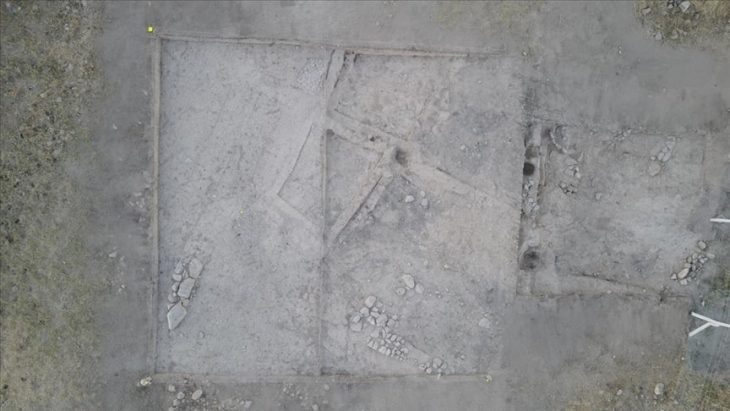
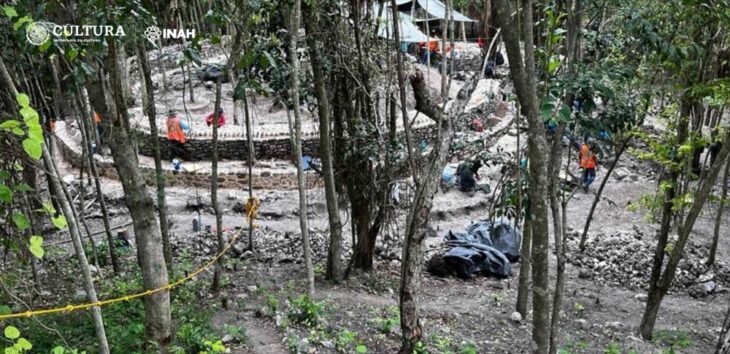
Resembling a huge car wheel from above, the ruins of the labyrinthine, 1,800-square-meter (19,000-square-foot) building came to light during a recent dig by archaeologists.

The circular monument structure dates back to the Bronze Age Minoan Civilization. It was a civilization that developed on the island of Crete during the Bronze Age and lasted from 3000 BC to 1450 BC. The Minoans were a highly advanced society in seafaring, trade, and the arts. The civilization was named after the mythological king Minos.

The ministry said the building was mainly used between 2000-1700 B.C, and was founded around the time Crete’s first palaces were being built — including at Knossos and Phaistos.


📣 Our WhatsApp channel is now LIVE! Stay up-to-date with the latest news and updates, just click here to follow us on WhatsApp and never miss a thing!!


It said some of its features were comparable with early Minoan beehive tombs that were surmounted by stepped conical roofs and burial mounds in other parts of Greece.
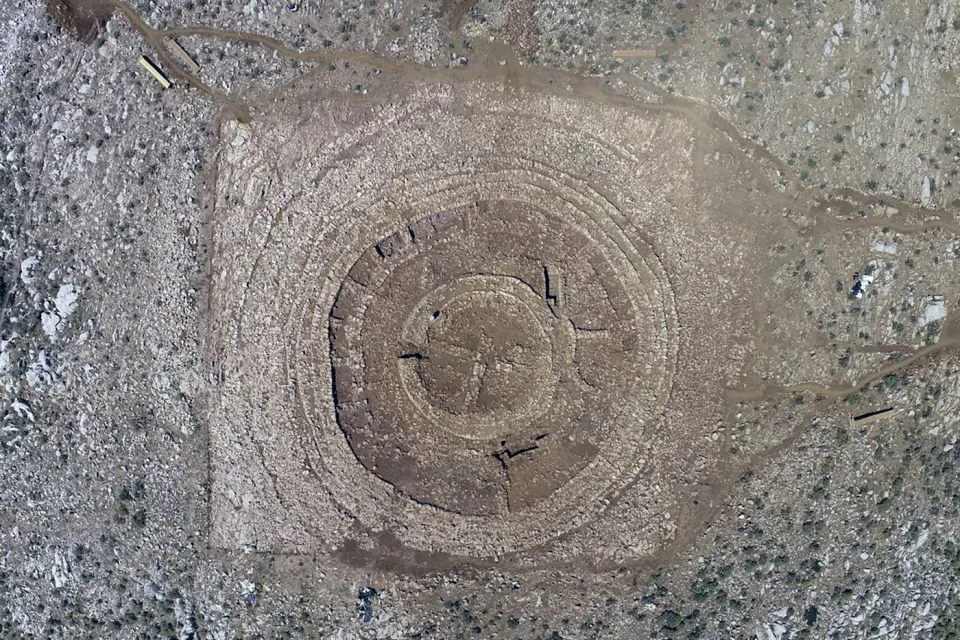
It is still unknown to archaeologists what the hilltop structure was used for. It has no known Minoan parallels and is currently being excavated. For the time being, experts surmise that it might have served a ceremonial or religious purpose. The ministry’s statement said it didn’t appear to have been a dwelling, and the finds from inside it included a large quantity of animal bones.

The ministry’s statement said, “It may have been periodically used for possibly ritual ceremonies involving consumption of food, wine, and perhaps offerings.”

The inner structure, which may have had a shallow conical roof, was divided into smaller, interconnecting spaces and surrounded by eight stepped stone walls that rose to a height of 1.7 meters (5.6 feet).

“Its size, architectural layout, and careful construction required considerable labor, specialized know-how, and a robust central administration,” the statement said, adding it was certainly some kind of communal building that stood out in the entire area.

The site was earmarked for a radar station to serve a new airport under construction near the town of Kastelli. Greece’s rich cultural heritage often results in conflicts of interest during construction projects.

However, Culture Minister Lina Mendoni, pledged that the find would be preserved while a different location would be sought for the radar station.

Greek Ministry of Culture

Cover Photo: Ministry of Culture via InTime News

Related Articles

3,000-Year-Old Pottery Workshop Discovered in Iraqi Kurdistan

26 December 2025

26 December 2025

Archaeologists working in Iraqi Kurdistan have uncovered a remarkably well-preserved 3,000-year-old pottery workshop that is reshaping what researchers know about...

Iron Age Fortification Unearthed on the Trave: A Forgotten Stronghold of the Roman Imperial Period

26 September 2025

26 September 2025

Archaeologists investigating the Stülper Huk, a headland on the River Trave located in the German federal state of Schleswig-Holstein, have...

Europe’s earliest cities had a predominantly vegetarian diet

27 December 2023

27 December 2023

The population of the Copper Age mega-sites in what is now Ukraine and Moldova had a predominantly vegetarian diet. In...

An unknown church with a special floor plan discovered in Erwitte, northwestern Germany

18 September 2023

18 September 2023

Archaeologists from the Westphalia-Lippe Regional Association (LWL) have discovered the remains of a former church from the 10th century near...

A pendant made of mammoth bone with ‘mysterious dots’ could be the oldest known example of ornate jewelry in Eurasia

26 November 2021

26 November 2021

The fragments of an ancient pendant made of mammoth ivory were unearthed in Poland, and are regarded to be the...

3,000-year-old weavings discovered in Alaska’s Alutiiq settlement

3 September 2023

3 September 2023

Archaeologists have uncovered fragments of woven grass artifacts estimated to be 3,000 years old during excavations at an ancestral sod...

Roman boat that sank in Mediterranean 1,700 years ago is giving up its archaeological, historical, and gastronomic secrets

8 March 2022

8 March 2022

The merchant vessel, probably at anchor in the Bay of Palma while en route from south-west Spain to Italy, One...

From ‘Empty Lands’ to Rich History: Discovery of the First Bronze Age Settlement in Maghreb, Dating to 2,000 BC

15 March 2025

15 March 2025

Researchers at the University of Barcelona have made a remarkable discovery: the first Bronze Age settlement in the Maghreb region...

Cuneiform Clues Reveal Körzüt as “The Sacred City of Haldi,” in Urartu Kingdom

6 August 2025

6 August 2025

Excavations in eastern Türkiye uncover a major religious center of the Urartian Kingdom—The Sacred City of Haldi, shedding new light...

Military veterans uncovered ‘richest grave this year’ on final dig at Anglo-Saxon Cemetery

19 July 2023

19 July 2023

During excavations at an Anglo-Saxon cemetery on military training lands on Salisbury Plain, military veterans have unearthed the richest tomb...

Two new fragments of the Fasti Ostienses, a kind of chronicle engraved on marble slabs, have been found in the Ostia Antica Archaeological Park

19 August 2023

19 August 2023

Two new fragments of the Fasti Ostienses have been discovered in the Ostia Antica Archaeological Park, following investigations carried out...

A Roman tomb where magical nails were used to fend off the ‘restless dead’ has been discovered in Türkiye

15 March 2023

15 March 2023

In the ancient city of Sagalassos in southwestern Türkiye, archaeologists have identified an unusual burial practice from the early Roman...

Archaeologists Discovered a Fragmentary Inscription in Cypriot Syllabary Found Dating to the Cypro-Archaic Period

1 December 2024

1 December 2024

During excavations at Palaepaphos, located within the municipal boundaries of the modern village of Kouklia-Martsello on the southwest coast of...

2.3-meter sword found in 4th-century tomb in Japan

27 January 2023

27 January 2023

The largest bronze mirror and the largest “dako” iron sword in Japan were discovered at the Tomio Maruyama burial mound...

Excavations at Sheffield Castle Reveal the First Surviving Examples of 17th-Century Civil War Abatis

9 March 2025

9 March 2025

Excavations at Sheffield Castle, part of the Castlegate regeneration project by Sheffield City Council, have revealed the first known surviving...