
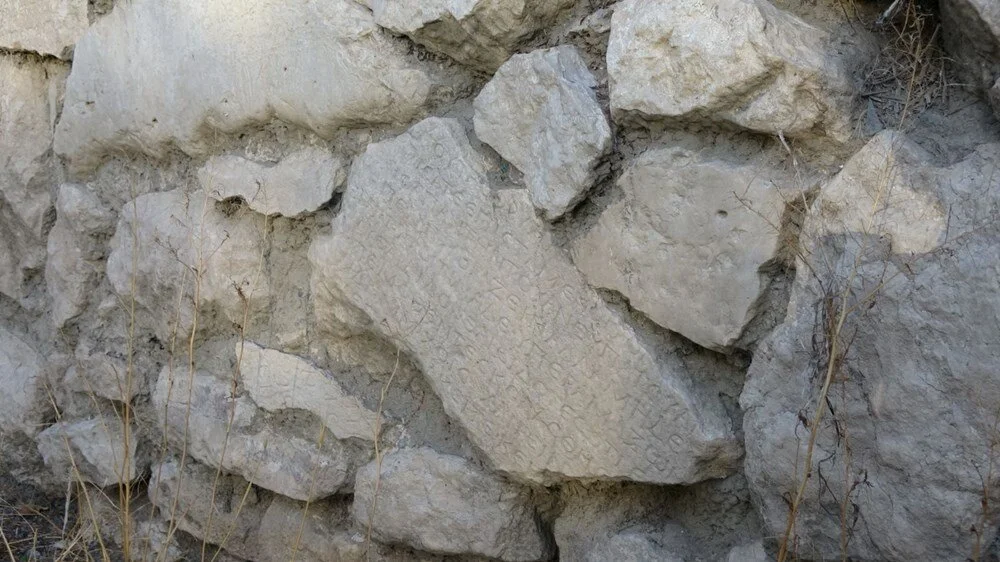
Archaeologists uncover ten inscribed stones believed to bear imperial letters written under Emperor Caracalla — hidden for nearly 1,800 years beneath a rural home in Türkiye’s Burdur province.
In an extraordinary twist of fate, a modest stone house in southwestern Türkiye has been revealed to contain one of the rarest traces of Roman history. Researchers discovered that several of its foundation stones bear inscriptions from a 1,800-year-old letter written by Roman Emperor Caracalla (AD 186–217) — hidden in plain sight for decades in the village of Yarışlı, near the ancient city of Takina.
The house, now abandoned, was built in the 1950s by villagers who unknowingly used stones taken from the ruins of Takina Ancient City in Burdur’s Yeşilova district. Transported by horse-drawn carts, these ancient blocks were repurposed for home construction — a common practice at the time, long before the area’s archaeological significance was recognized.
A Letter from the Emperor Beneath the Walls
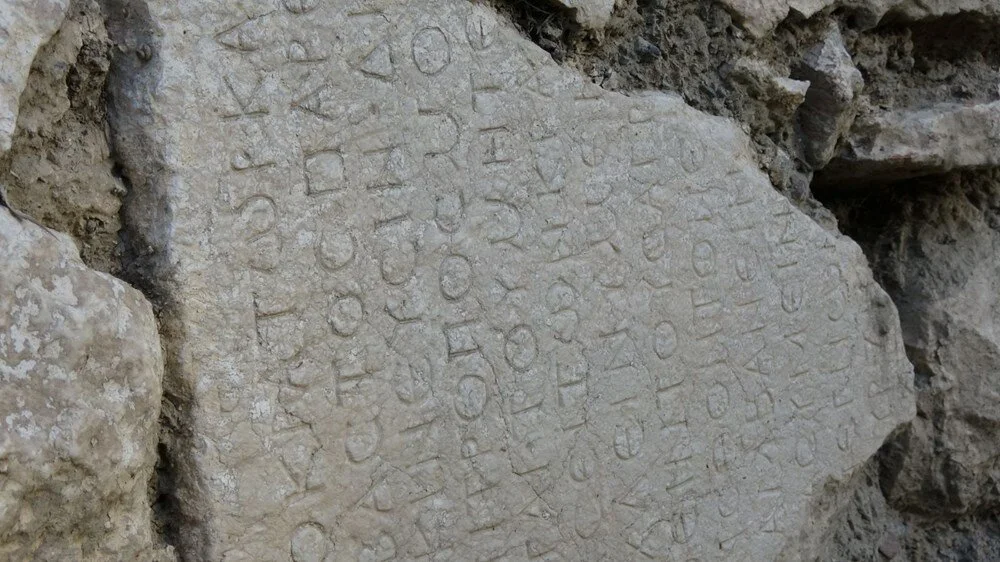
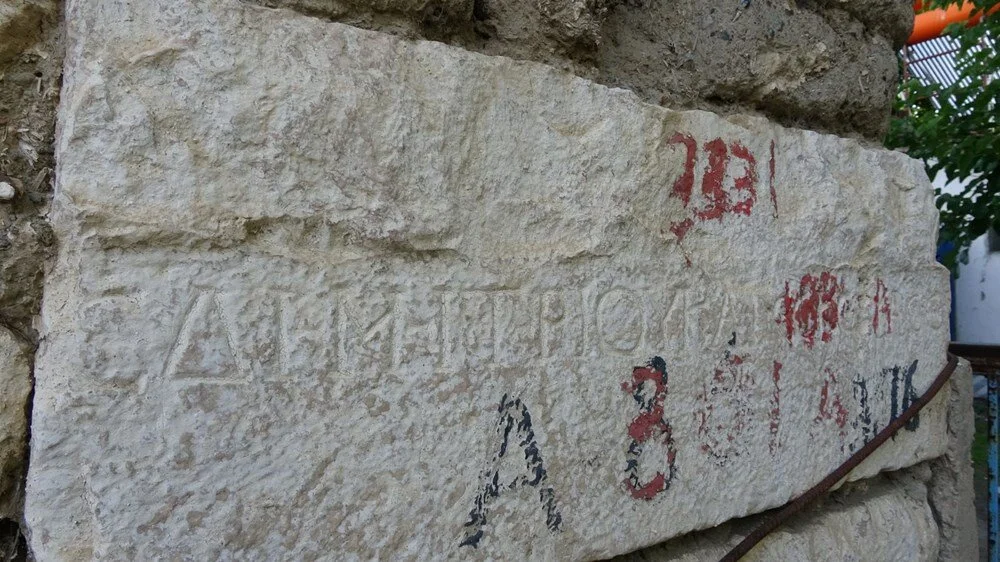
In 1970, archaeologists working in the region made a stunning discovery: ten stones in the house’s walls were inscribed with Latin text belonging to an imperial decree or letter issued by Emperor Caracalla, one of Rome’s most powerful and controversial rulers. Specialists from the Burdur Museum documented the stones, identifying them as fragments of an official correspondence dating back to the early 3rd century AD.
For local resident Ferhat Ağıl, whose father-in-law built the home, the revelation was astonishing.
“They told us these stones came from the Roman period,” Ağıl recalled. “Later, the museum confirmed it was a letter written by Caracalla himself. I’ve never seen stones like these anywhere else.”
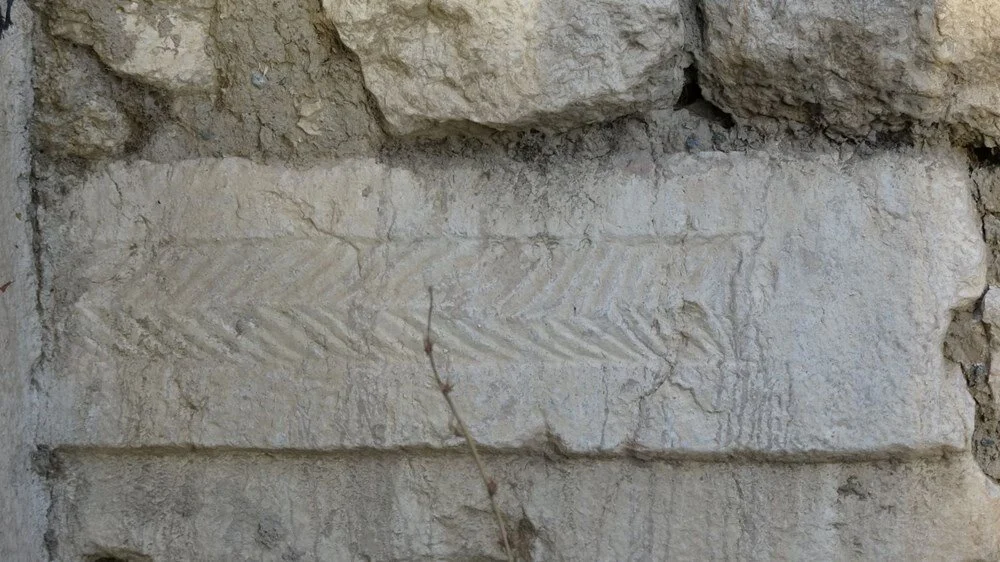
Following the discovery, the Burdur Museum issued an official protection order, registering the stones as cultural heritage artifacts. The family received a letter instructing them not to alter or move the materials until they could be safely removed for preservation. Although the building has since fallen into disrepair, the inscribed stones remain remarkably intact — enduring as a bridge between ancient Rome and modern Anatolia.
Takina Ancient City: The Hidden Heart of Roman Pisidia
Located near Lake Salda, Takina Ancient City was once a thriving settlement during the Hellenistic and Roman eras. The city played a key role in the region of Pisidia, known for its temples, administrative buildings, and necropolises. Archaeological findings suggest that Takina flourished as a local hub under Roman governance, featuring public inscriptions, honorific monuments, and temples dedicated to various deities.
Experts believe the stones used in the Yarışlı house may have originally belonged to one such public structure — possibly a monument bearing a decree from Emperor Caracalla. Inscriptions like these were often carved into marble slabs and placed in public spaces to display the emperor’s messages, legal decisions, or dedications.
Who Was Emperor Caracalla?
Born Marcus Aurelius Severus Antoninus, Caracalla ruled the Roman Empire from AD 198 until his assassination in 217. His reign was marked by ambition, brutality, and reform. He is best remembered for issuing the Edict of Caracalla (Constitutio Antoniniana), which granted Roman citizenship to nearly all free inhabitants of the Empire — a landmark decision that reshaped the social and legal foundations of Rome.
Caracalla was also a prolific builder, commissioning grand structures such as the Baths of Caracalla in Rome — one of the largest and most luxurious public bath complexes ever constructed. Despite his achievements, his legacy is clouded by his ruthless actions, including the massacre at Alexandria and the murder of his own brother, Geta. Yet, discoveries like the Yarışlı letter offer a more administrative glimpse into his rule, emphasizing the reach of imperial communication even in distant provinces.
An Accidental Time Capsule
The story of the Yarışlı house stands as a vivid example of how history can survive in the most unexpected ways. For decades, villagers walked past the inscriptions without realizing their global importance. “The writing faces outward, toward the road,” Ağıl noted. “At first, nobody thought it was anything special — just old stones. Only later did experts realize their true meaning.”
Today, the once-inhabited home has become a silent monument — its stones carrying words from an emperor who ruled nearly two millennia ago. Though nature has begun reclaiming the structure, it remains a powerful testament to Türkiye’s layered history, where ancient empires and modern life coexist in harmony.
Preservation and Future Research
The Burdur Museum continues to monitor the site, ensuring the stones remain protected until they can be relocated and studied in detail. Archaeologists hope that future excavations in Takina will uncover additional inscriptions or artifacts linked to Caracalla’s administration, shedding light on the governance and communication networks of the Roman provinces.
As it stands, this modest rural home has transformed into an accidental museum — preserving not only the words of an emperor but also the enduring connection between Türkiye’s present and its ancient Roman past.
Cover Image Credit: İHA
