
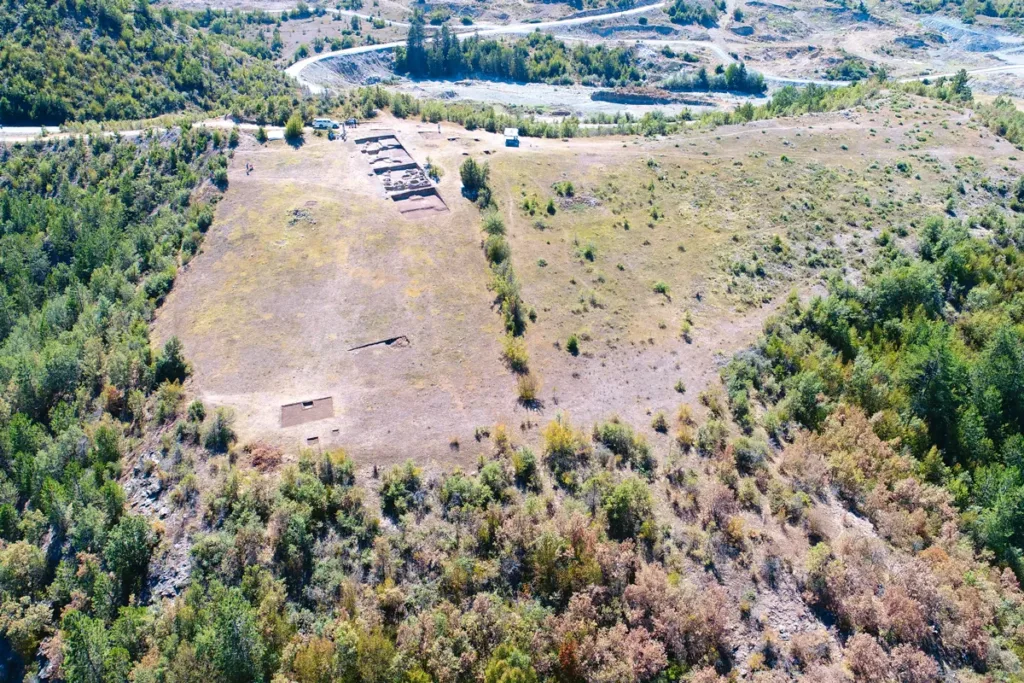
Kahintepe, a prehistoric archaeological site in Kastamonu province in northern Türkiye, faces the risk of disappearing beneath dam waters. Before its discovery, no settlement or place of worship dating to the Pre-Pottery Neolithic period had been identified in Türkiye’s Black Sea region. This unprecedented discovery opened a new chapter in the archaeological history of northern Anatolia, offering valuable insights into the beliefs, artistic traditions, and cultural connections of its earliest communities.
With animal sculptures, unusual eye symbols, stone architectural elements, and ritual objects reminiscent of discoveries at Göbeklitepe, Kahintepe has become known as the “Göbeklitepe of the Black Sea.” Yet much of its archaeological potential remains unexplored, and its future is uncertain.
A renewed appeal for the site’s protection, reported by Kastamonu Gündem on November 24, 2026, has brought these concerns back into public attention. Hikmet Haberal of Kastamonu University called for archaeological excavations to resume and for the development of projects that could prevent the prehistoric site from being submerged.
A Discovery That Rewrote the Prehistory of the Black Sea Region
Approximately four kilometres from the town of Araç, Kahintepe occupies a rocky hill overlooking the surrounding plain and the Araç River valley. The archaeological site extends across an area measuring approximately 150 by 80 metres, encompassing agricultural fields and woodland.
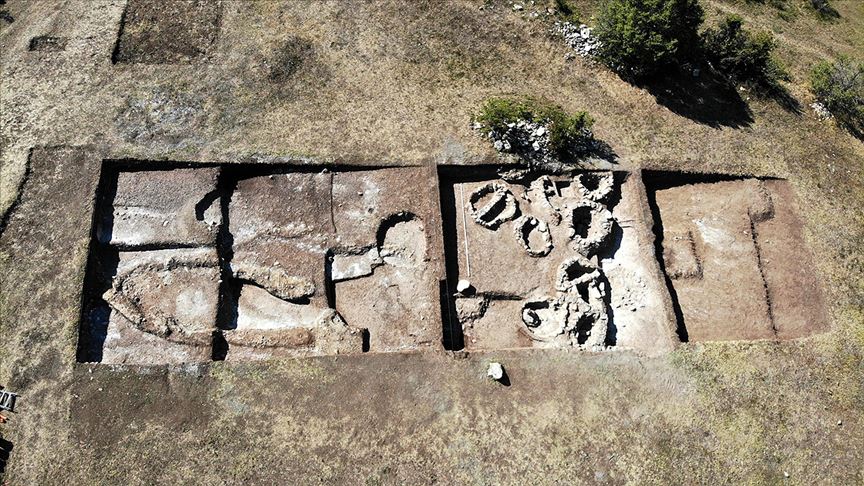
Excavations began in 2018 under the direction of Kastamonu Museum, with archaeologist Dr Nurperi Ayengin of Düzce University leading the scientific research. According to the official excavation page of Düzce University’s Department of Archaeology, the investigations formed part of a rescue archaeology project associated with the Filyos Dam development.
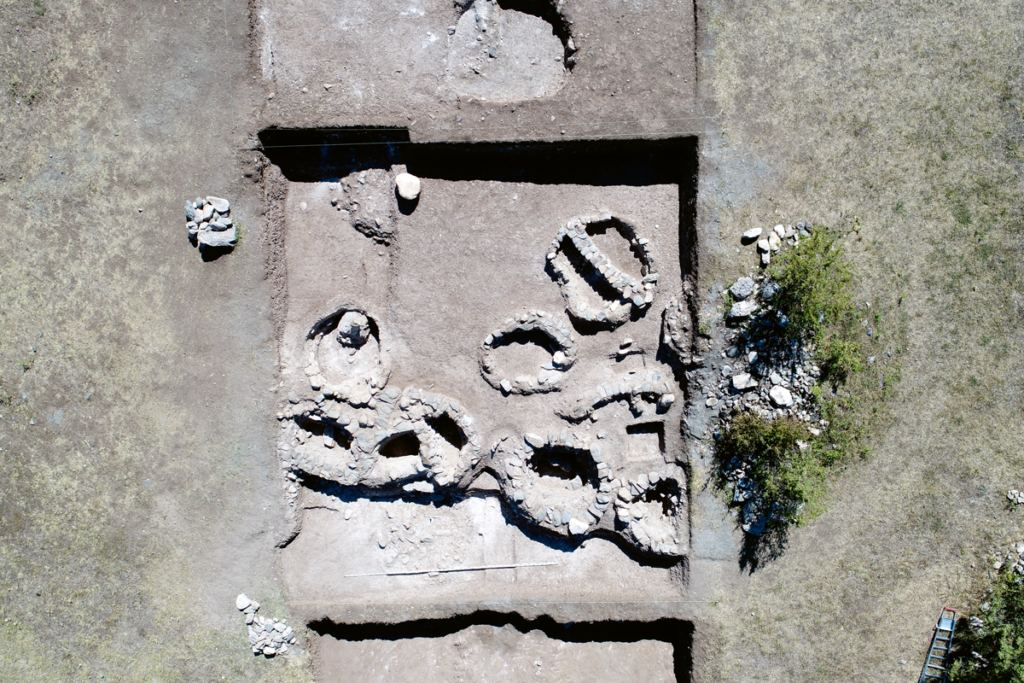
Archaeologists identified two principal phases of occupation. The earlier phase belongs to the Pre-Pottery Neolithic, while the later one dates to the end of the Early Bronze Age. Offering pits from the latter period disturbed portions of the underlying prehistoric deposits, complicating efforts to understand the site’s earliest history.
Despite these difficulties, the discoveries have challenged previous assumptions about the geographical distribution of early Neolithic communities in Anatolia. In an official statement published by Düzce University, Ayengin highlighted Kahintepe’s significance as the first known Pre-Pottery Neolithic worship site in the region and its importance for understanding world prehistory.
Ancient Animal Sculptures and Unusual Eye Symbols
Among the most fascinating discoveries at Kahintepe is a collection of stone objects that sheds light on the symbolic world of prehistoric communities. The finds suggest that animals played an important role in the lives and beliefs of the people who gathered on the hill thousands of years ago.
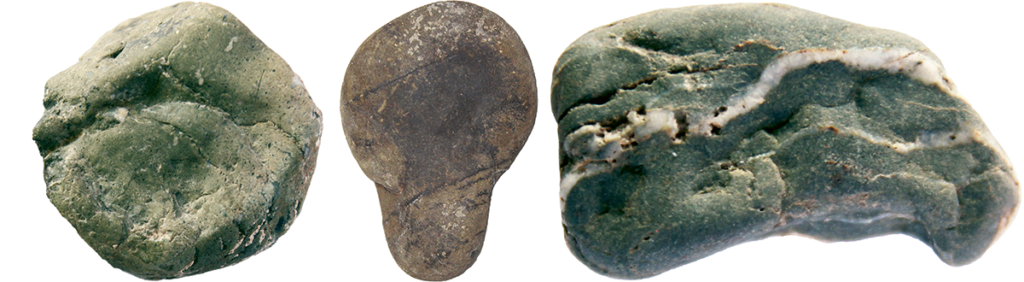
Archaeologists identified representations of bears, bulls, wild boars, gazelles, snakes and numerous bird species, including eagles, hawks, vultures, ducks and sparrows. Prehistoric craftspeople used a variety of raw materials, including serpentine, basalt, marble, flint and radiolarite, to produce these objects.
Some artefacts also feature decorations in red ochre and black pigment, preserving traces of prehistoric artistic expression.
Perhaps the most unusual discoveries are eye-shaped objects carved from serpentine. Similar eye motifs appear on sculptures combining different anatomical features. In an article originally written for Atlas magazine in November 2020, Ayengin noted that researchers had not encountered this particular form of symbolism at other contemporary archaeological sites.
These discoveries make Kahintepe particularly valuable for understanding the diversity of early Neolithic symbolic traditions and the ways prehistoric communities expressed their relationship with the natural world.
What Connects Kahintepe and Göbeklitepe?
The similarities between Kahintepe and the early Neolithic sites of southeastern Anatolia extend beyond animal imagery. Researchers also documented stone uprights intended for architectural use, stylised T-shaped objects, and a carefully carved representation of a bull’s horn resembling motifs found on the pillars of Göbeklitepe.
Bird imagery provides another interesting connection. At Körtiktepe, decorated stone objects bearing bird representations accompanied the dead, while Nevali Çori yielded limestone sculptures resembling vultures. Comparable animal imagery also appears throughout the monumental architecture of Göbeklitepe.
Kahintepe introduces a northern dimension to these archaeological discoveries, raising questions about how ideas, technologies and symbolic traditions circulated among geographically distant prehistoric communities.
Excavations also revealed a rounded structure associated with stoneworking activities. In a 2019 interview with Anadolu Agency, Ayengin interpreted this structure as a prehistoric stone workshop, highlighting the site’s importance for understanding the production of Neolithic artefacts.
However, similarities between these archaeological sites do not necessarily demonstrate direct contact. The precise chronology of Kahintepe also requires further investigation. Ayengin reported in 2020 that researchers had yet to recover suitable samples for radiocarbon dating from the Neolithic layer. The site’s chronological attribution therefore relies largely on archaeological evidence, particularly its stone tools and material culture.
A Prehistoric Gathering Place in Northern Anatolia
Kahintepe’s strategic position overlooking a river valley may help explain why prehistoric communities selected the hill. Its location potentially offered access to natural resources and routes connecting different parts of Anatolia.
Rather than interpreting Kahintepe exclusively as a permanent settlement, researchers have explored the possibility that it served as a gathering place where different communities periodically came together.
Stone working, the exchange of knowledge, and shared ritual practices may have formed part of these gatherings. The diversity of stone tools, some displaying similarities to technological traditions in the Near East, the Caucasus and Europe, further raises questions about prehistoric mobility and cultural interaction.
Understanding these connections could significantly expand knowledge of the Neolithic transition beyond the better-known archaeological centres of southeastern Anatolia. Yet fundamental questions about the people who used Kahintepe, their origins, the duration of their activities and the meaning of their symbolic objects remain unanswered.
Further excavations could provide evidence that is currently missing from the archaeological record of northern Anatolia.
Kahintepe Must Not Share the Fate of Nevali Çori
Anatolia has experienced a comparable loss before. Nevali Çori, a Pre-Pottery Neolithic settlement in Şanlıurfa province, played a pioneering role in understanding prehistoric ritual architecture. Its T-shaped pillars, stone sculptures, and ceremonial building provided important evidence of the sophisticated cultural traditions that developed during the Neolithic period.
Despite years of rescue excavations and efforts to relocate architectural elements to a museum, Nevali Çori disappeared beneath the waters of the Atatürk Dam reservoir in the early 1990s. The threat facing Kahintepe today serves as a reminder of what happened to that remarkable prehistoric settlement.
Preserving an archaeological site involves far more than recovering portable artefacts and transferring them to museums. The spatial relationships between objects, architectural remains, archaeological deposits and the surrounding landscape provide essential scientific information. Losing this context can also deprive future generations of discoveries that emerging archaeological technologies might otherwise make possible.
The economic and social benefits of infrastructure development must be considered alongside the irreversible consequences of losing archaeological heritage. In Kahintepe’s case, renewed excavations and an assessment of engineering alternatives that could preserve the site in its original setting deserve serious consideration.
Engineering projects can be redesigned, and alternative technical solutions can be explored. An archaeological site that has survived for thousands of years, however, cannot be recreated once its original context is lost.
Kahintepe, the “Göbeklitepe of the Black Sea,” must not share the fate of Nevali Çori. Its preservation is not solely a matter for Türkiye; it concerns the shared cultural heritage of humanity.
