
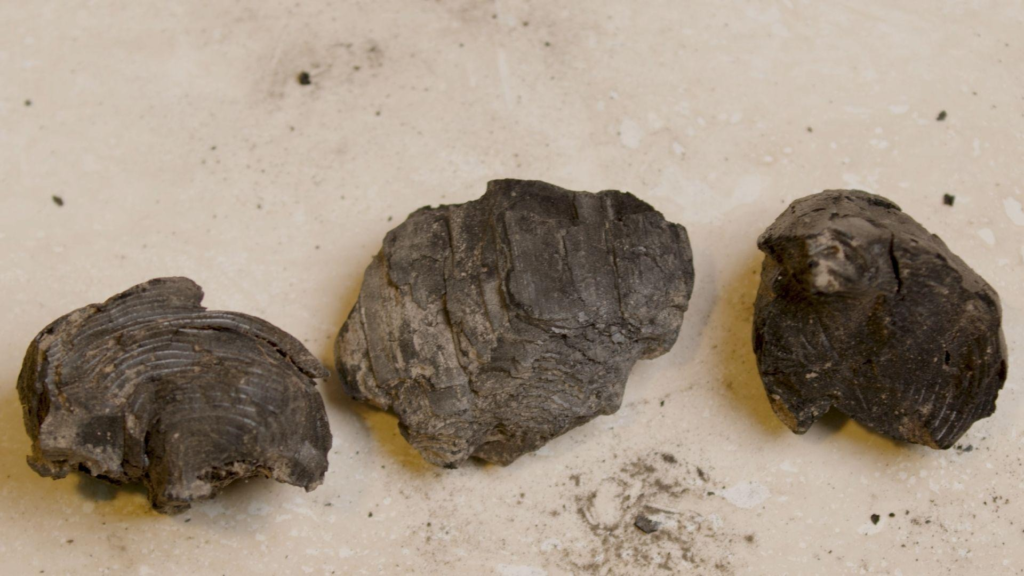
Researchers investigating the Durupınar Formation, a site in eastern Türkiye long associated with claims about Noah’s Ark, have announced the first radiocarbon dating results from samples collected there. Professor Cenker Atilla of Sivas Cumhuriyet University said laboratory analyses conducted in the United States dated wood samples to approximately 4,300 years ago, between 2400 and 2200 BC. The research team is now awaiting additional results from laboratories in Switzerland and Türkiye to assess the findings.
Located in the Doğubayazıt district of Ağrı Province, the Durupınar Formation has attracted attention for decades because of its distinctive boat-shaped appearance and longstanding associations with claims about Noah’s Ark. The latest investigation brought together approximately 20 researchers from five countries, combining geological, geophysical, and archaeological approaches to examine the formation and materials recovered from the area.
First Radiocarbon Dating Results Announced
Fieldwork at the formation, near the village of Üzengili, took place between June 28 and September 30, 2026. During the investigation, researchers collected samples described as wood and carbonized material and submitted them for laboratory testing in the United States, Switzerland, and Türkiye.
Speaking on November 22, Atilla confirmed that the team had received its first results from the American laboratory. According to his statement, the analyzed samples yielded dates between 2400 and 2200 BC, placing them in the third millennium BC.
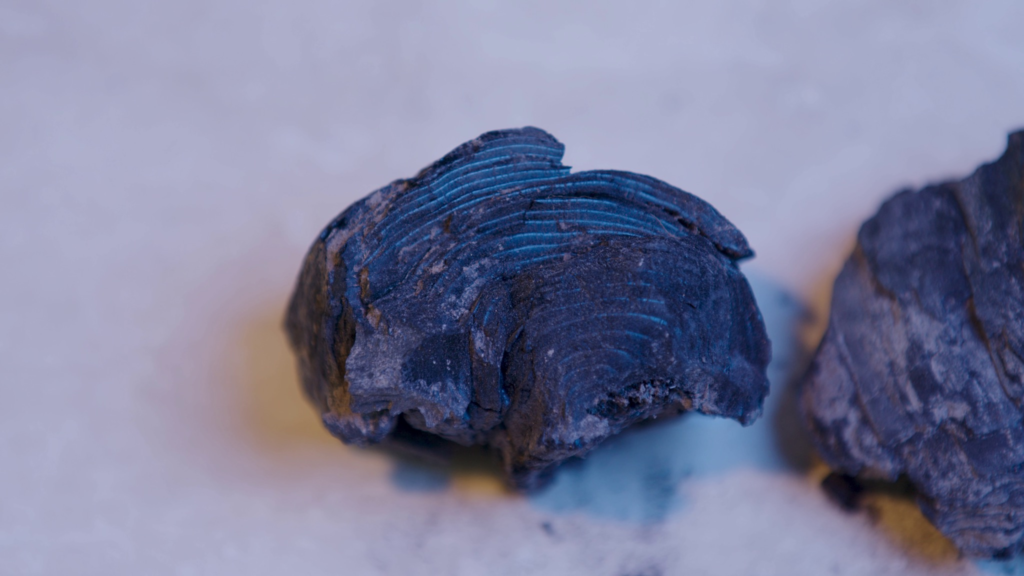
Andrew Jones, deputy leader of the research team, also reported that two wood samples produced results indicating an age of approximately 4,300 years. He noted that the estimated dates correspond to some proposed chronologies of the biblical flood, while acknowledging that the dating results alone do not establish that the Durupınar Formation represents Noah’s Ark.
Additional Laboratory Analyses Underway
The researchers intend to compare the American results with independent analyses being conducted in Switzerland and at laboratories associated with TÜBİTAK, Türkiye’s Scientific and Technological Research Council.
Radiocarbon dating measures the remaining carbon-14 in organic material to estimate its age. However, determining when a piece of wood originated does not establish how it was used, whether humans modified it, or how it reached its eventual location.
These questions require additional investigation into the samples’ physical characteristics and the geological deposits from which they were recovered. Such evidence will be essential for understanding their relationship to the surrounding formation.
Earlier geological studies concluded that the boat-shaped Durupınar Formation developed through natural processes. The newly announced dating results do not, by themselves, overturn those conclusions or establish a connection between the samples and an ancient vessel.
Further Results Expected from the Investigation
The 2026 research project aims to examine the geological structure of the Durupınar Formation and investigate materials recovered from the surrounding area through several scientific methods.
Although the first radiocarbon results provide preliminary chronological information about the reported wood samples, the team has not yet published a detailed scientific report containing the complete laboratory measurements, calibration data, and archaeological context of the specimens.
Atilla and his colleagues expect further laboratory findings to help clarify the samples’ age and characteristics. A fuller scientific assessment will be possible once the additional analyses and supporting documentation become available.
İhlas News Agency (İHA) – Original Turkish Report
