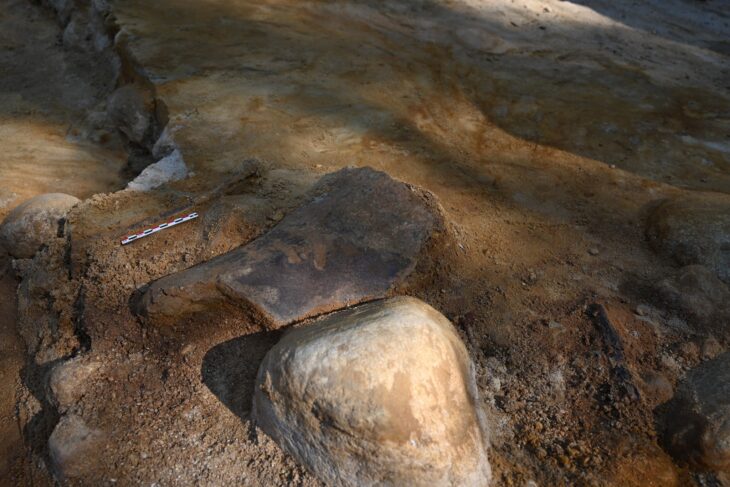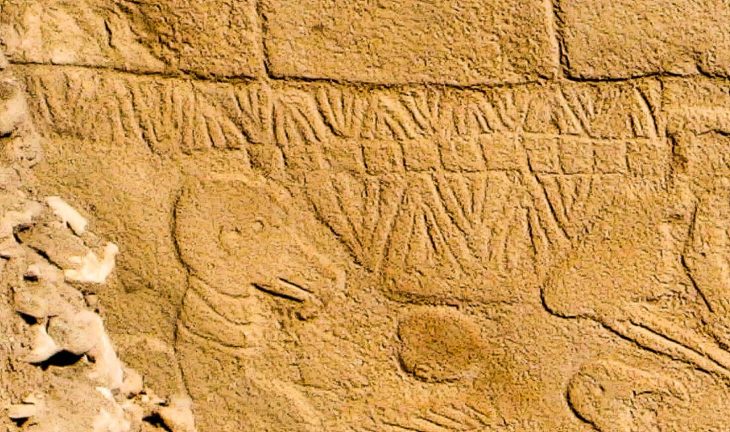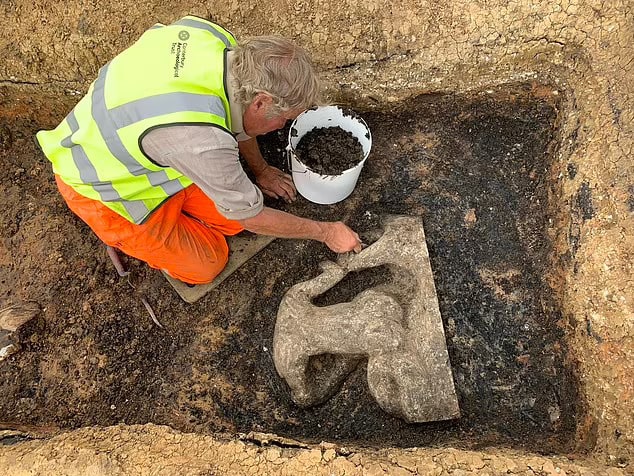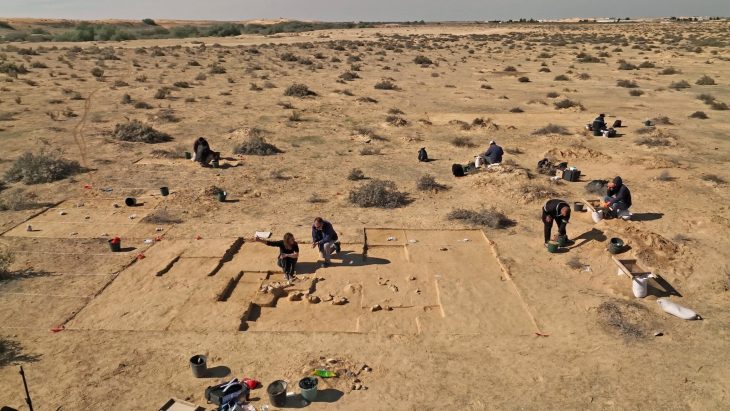
A groundbreaking archaeological discovery is shedding new light on the ancient city of Pelusium, once a vital gateway between Egypt and the eastern Mediterranean world. After six years of excavation at Tell el-Farma, an Egyptian archaeological mission has uncovered the remains of a rare circular temple dedicated to the local deity Pelusius, a little-known god whose identity appears closely tied to the natural forces of the Nile.
The discovery, officially announced by Egypt’s Ministry of Tourism and Antiquities, is being described as a major scientific breakthrough. Researchers say it significantly reshapes current understanding of the city’s religious landscape and highlights the diversity of belief systems that existed outside the well-known pantheon of major Egyptian gods.
For decades, Pelusium has been recognized primarily for its military and commercial importance. However, this new find suggests that the city was also a center of unique and locally rooted religious practices, offering a more complex picture of life on Egypt’s eastern frontier.
A Temple Built Around Water
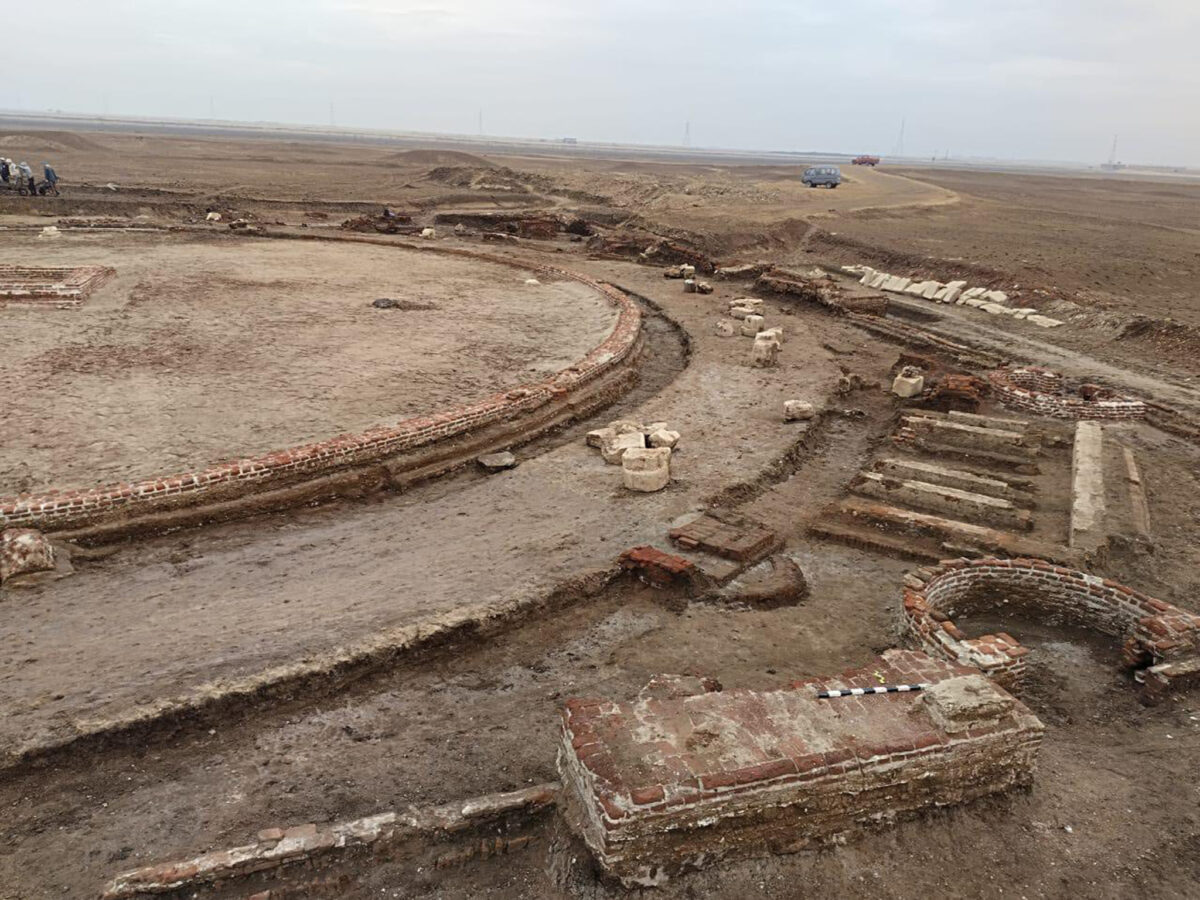
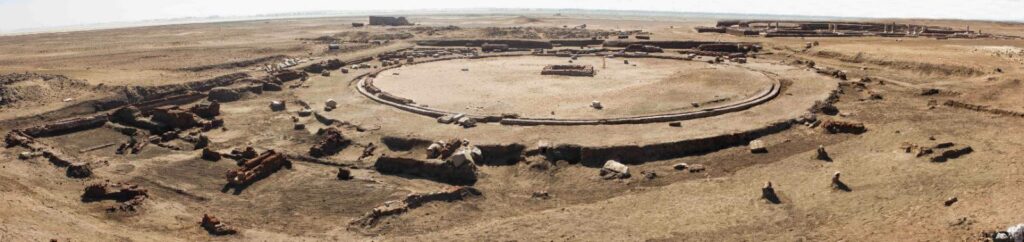
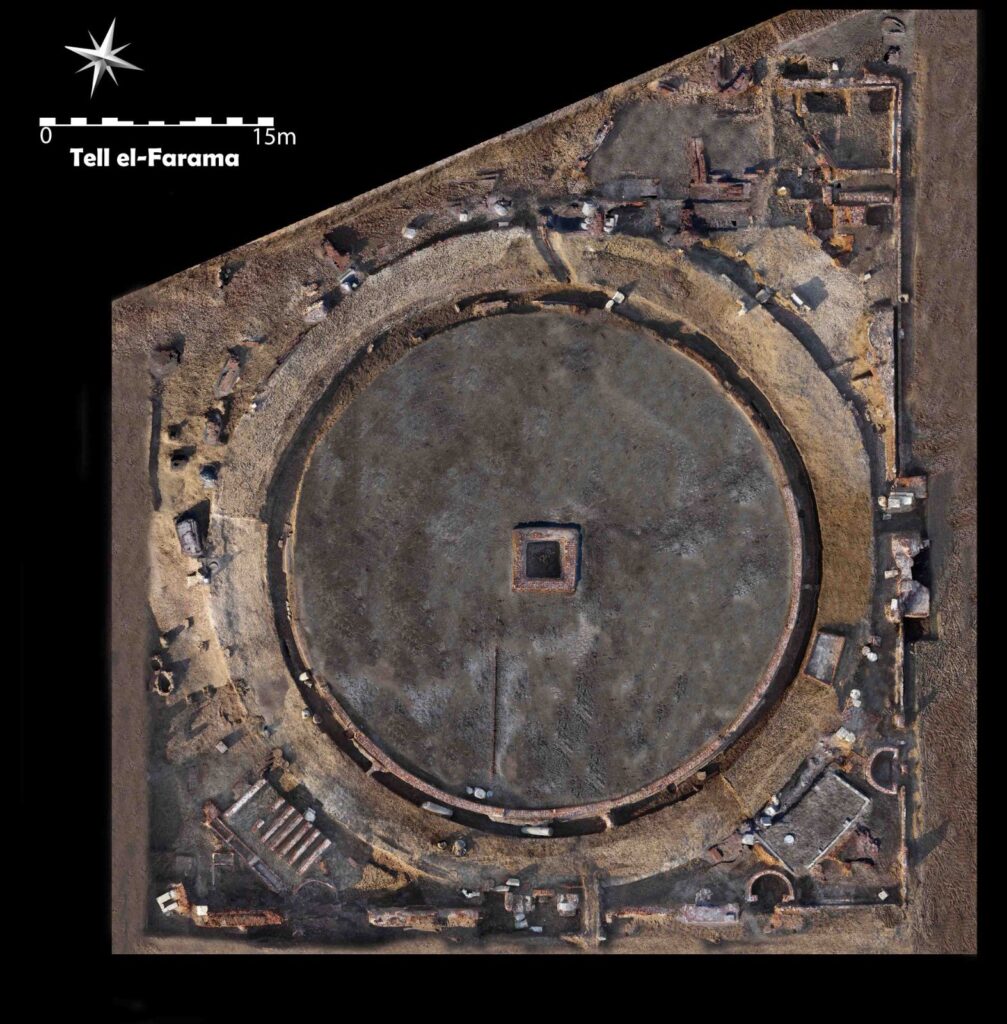
At the center of the newly uncovered structure lies a vast circular basin measuring approximately 35 meters in diameter, making it one of the most unusual temple layouts discovered in Egypt. Unlike traditional temples, which typically follow rigid axial plans aligned with processional pathways, this structure is organized around a large open water feature.
The basin was connected to a branch of the Nile, allowing it to be regularly filled with silt-rich water. This connection would have required careful hydraulic planning and suggests that water was not simply decorative, but essential to the temple’s function. The presence of Nile silt within the basin reinforces the idea that the rituals performed here were closely linked to natural cycles.
📣 Our WhatsApp channel is now LIVE! Stay up-to-date with the latest news and updates, just click here to follow us on WhatsApp and never miss a thing!!
Scholars believe that the deity Pelusius derives its name from the Greek word “pelos,” meaning “mud” or “clay.” This linguistic connection directly ties the god to the fertile sediment deposited by the Nile, which was fundamental to agriculture and survival in ancient Egypt. As such, the temple may have symbolized themes of fertility, renewal, and the cyclical regeneration of life.
Engineering and Ritual Design
Surrounding the central basin is a sophisticated system of channels and cisterns designed to regulate the flow and drainage of water. These features demonstrate a high level of engineering knowledge and suggest that the temple was carefully designed to support controlled water-based activities.
The integration of hydraulic systems into a religious structure indicates that water played a central role in ritual practices. Archaeologists believe that ceremonies conducted at the site may have involved the filling and draining of the basin, possibly symbolizing purification, rebirth, or seasonal renewal connected to the Nile’s annual flooding cycle.
At the heart of the basin stands a square platform, likely used to support a large cult statue of the deity. The positioning of this platform within the water feature suggests that the god may have been symbolically associated with emerging from or presiding over the life-giving waters. Multiple entrance points from the east, south, and west provided controlled access to the sacred space, while the heavily damaged northern section hints at the structure’s long exposure to environmental and human impact.
A Fusion of Civilizations
One of the most remarkable aspects of the temple is its architectural style, which reflects a blending of multiple cultural traditions. The structure incorporates elements of ancient Egyptian religious architecture alongside influences from Hellenistic and Roman design, creating a unique hybrid form.
This fusion is not unexpected given Pelusium’s geographical position at the crossroads of Egypt and the broader Mediterranean world. As a frontier city, it was exposed to waves of cultural interaction, trade, and political change. The temple’s design appears to embody this interaction, merging local traditions with external influences in a single sacred space.
Archaeological evidence indicates that the site remained in use from the 2nd century BCE until the 6th century CE, spanning nearly 800 years. This long period of use suggests that the temple retained its importance even as political powers shifted from the Ptolemaic Kingdom to Roman rule and later periods, reflecting a remarkable continuity of religious practice.
From Civic Building to Sacred Space
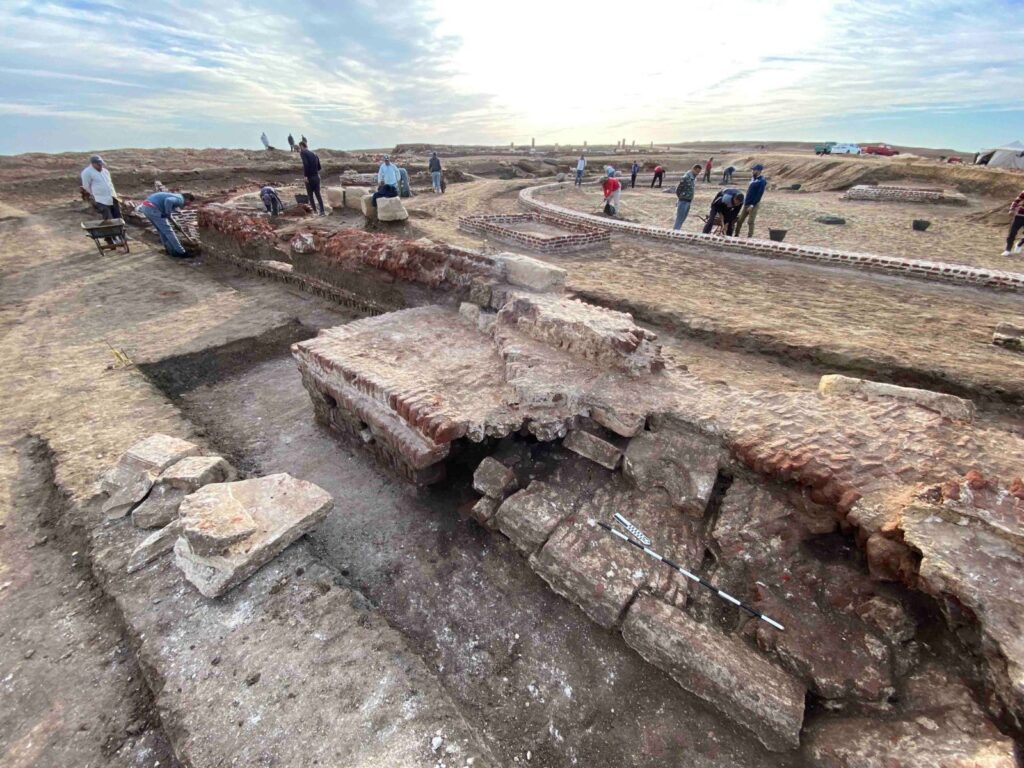
When excavations first began in 2019, archaeologists uncovered only a small portion of the circular structure, constructed primarily from red brick. Based on its shape and location, it was initially interpreted as a civic building, possibly a council chamber or administrative space.
However, as excavation work progressed over several seasons, more of the structure was revealed, exposing its full circular layout and complex internal features. The discovery of water channels, basins, and ritual elements began to challenge the original interpretation.
Further analysis, including comparisons with similar architectural forms from the Hellenistic and Roman worlds, led researchers to reconsider the building’s function. Consultations with international experts ultimately confirmed that the structure was not civic in nature, but rather a sacred complex designed for religious ceremonies centered around water.
Pelusium: Gateway of Empires
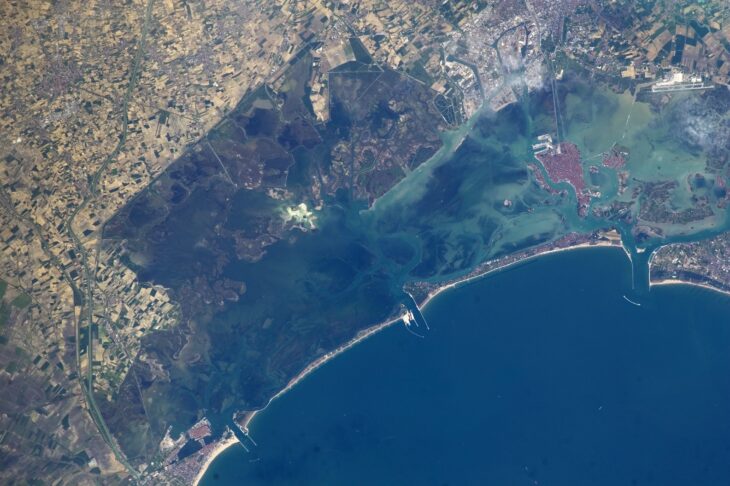
Historically, Pelusium occupied a strategic position on Egypt’s eastern frontier, near the Mediterranean coast and the Nile Delta. Its location made it both a defensive stronghold and a key point of connection between Egypt and neighboring regions.
For centuries, the city served as Egypt’s first line of defense against invasions from the east. It witnessed numerous military campaigns and sieges, playing a critical role in protecting the country from external threats. Its fortifications and strategic location made it one of the most important military centers in ancient Egypt.
At the same time, Pelusium functioned as a major trade hub, facilitating the movement of goods and ideas between Egypt and the wider Mediterranean world. Commodities such as flax and beer were exported from the city, while cultural influences flowed in, contributing to its diverse and dynamic character.
A Window into the Ancient World
The newly discovered temple offers a rare opportunity to better understand how religion functioned in a frontier city like Pelusium. Unlike major religious centers in Egypt, where worship was dominated by well-known deities, Pelusium appears to have developed its own local traditions shaped by geography, trade, and cultural exchange.
The temple’s unusual focus on water, combined with its circular design, suggests that rituals performed here may have been closely tied to natural cycles such as the Nile’s flooding and agricultural renewal. This points to a more localized and practical form of belief, where religious practices were directly connected to the environment and daily life.
As excavations continue, archaeologists expect to uncover further details that could clarify the role of this sanctuary and the nature of the deity Pelusius. Even in its current state, however, the site provides valuable evidence of how diverse and adaptable religious life could be in the ancient world—especially in regions where different cultures met and interacted.
Egypt’s Ministry of Tourism and Antiquities
Cover Image Credit: Egypt’s Ministry of Tourism and Antiquities via Facebook