A groundbreaking archaeological discovery in southern Russia is stirring excitement across the global academic community, as researchers believe they may have uncovered the long-lost medieval city of Magas — once the capital of the powerful Alanian state.
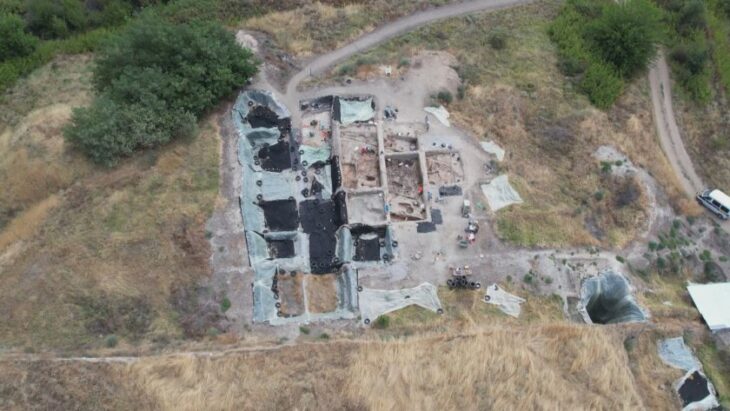
The discovery was made in the Chechen Republic, part of the North Caucasus, during extensive excavations at the Mayrtup burial ground. What initially began as a rescue archaeology project tied to infrastructure development has evolved into what experts are calling one of the most significant historical finds in the region in decades.
A Monumental Find
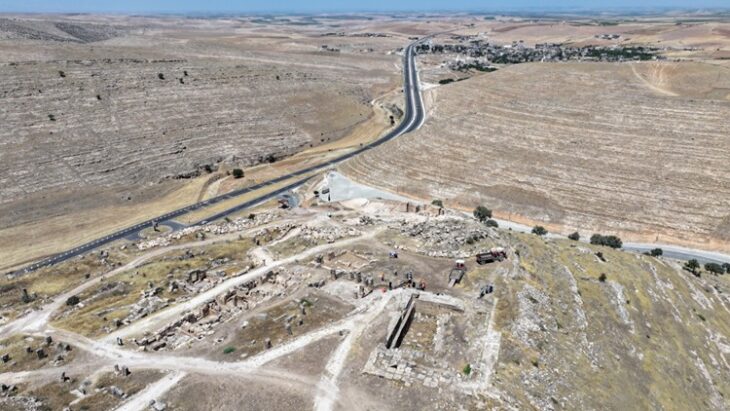
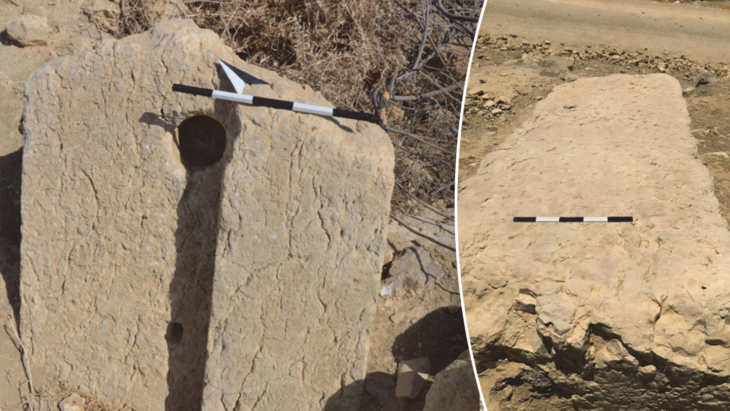
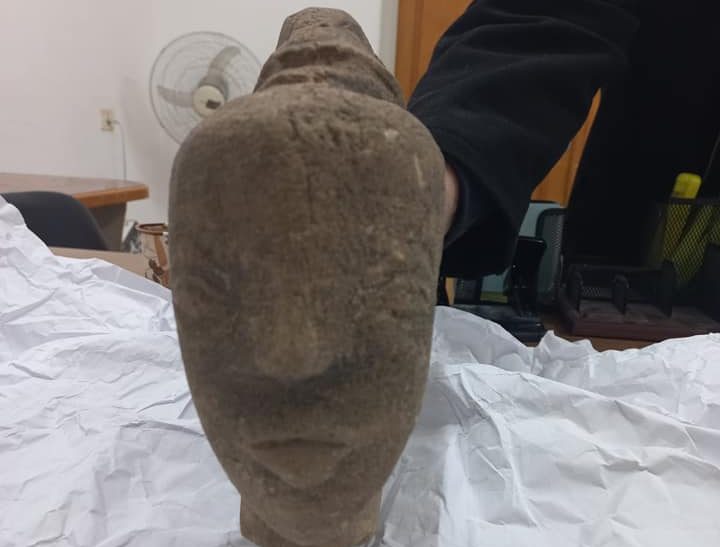
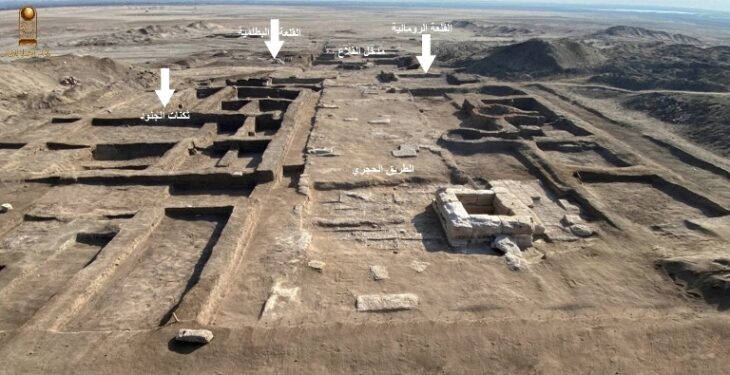
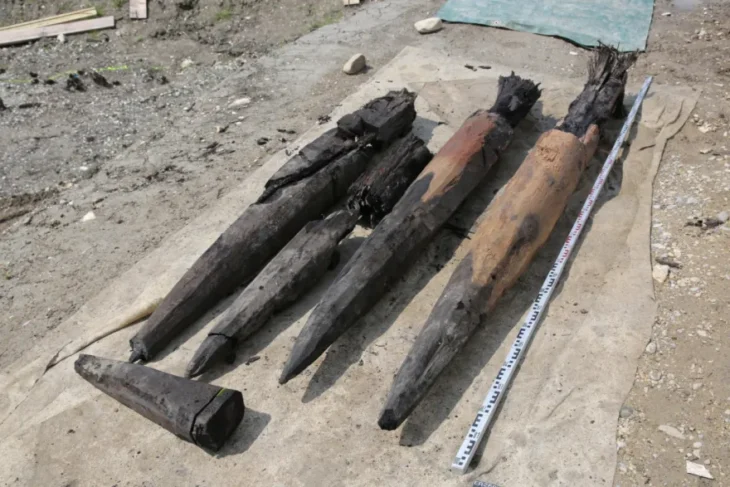
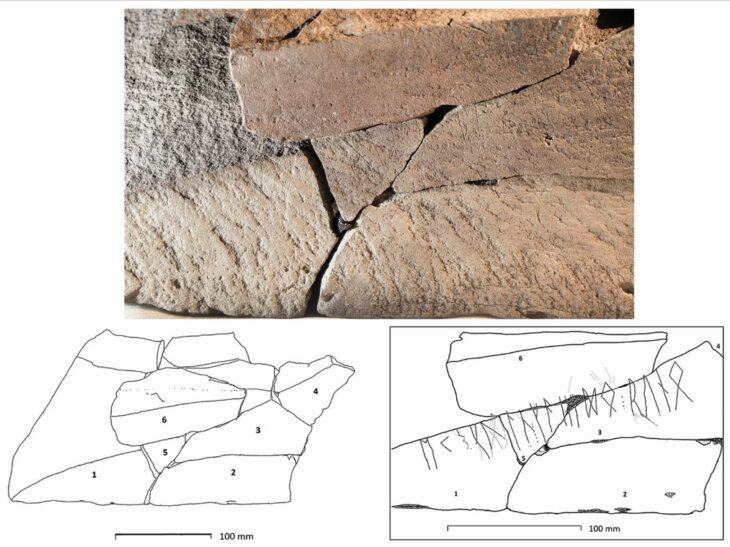
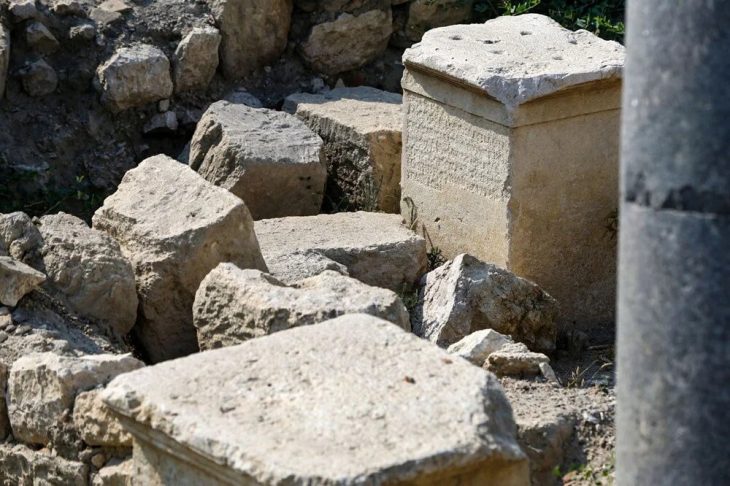
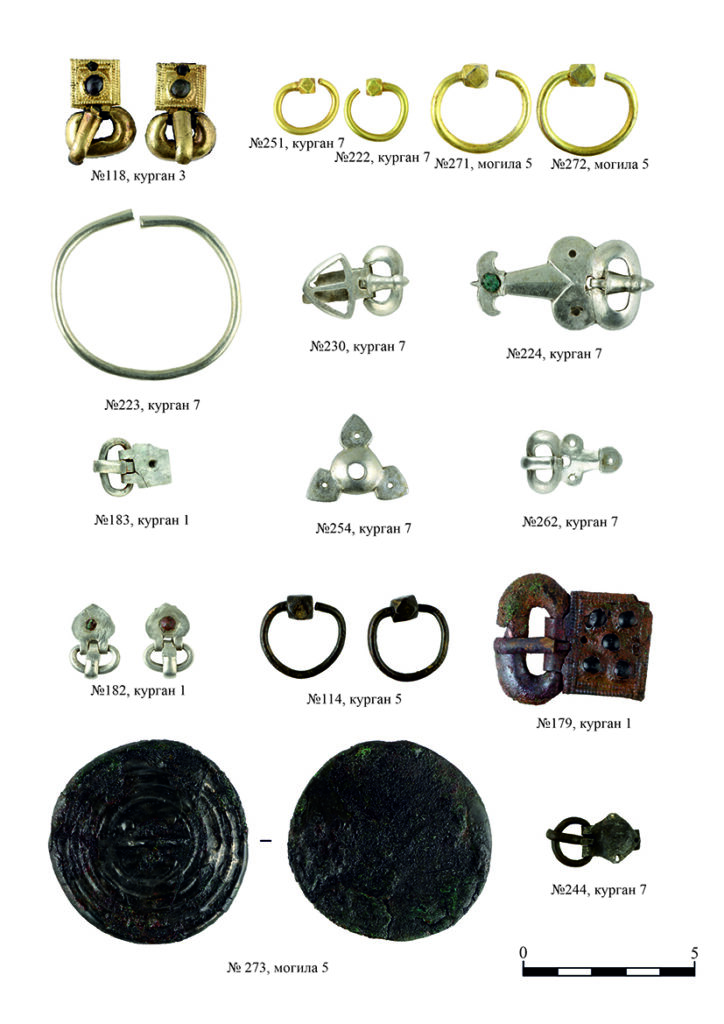
According to Russian archaeologists, the site spans approximately 350 hectares, making it the largest known medieval settlement ever identified in the North Caucasus. The sheer scale of the complex, combined with a wealth of artifacts—including coins and burial structures—suggests that this was not merely a settlement, but a major fortified urban center.
Researchers from the Russian Academy of Sciences, led by expedition head Vladimir Malashev, have pointed out that the characteristics of the site closely align with historical descriptions of Magas. These include its size, strategic location, and evidence of economic and political significance.
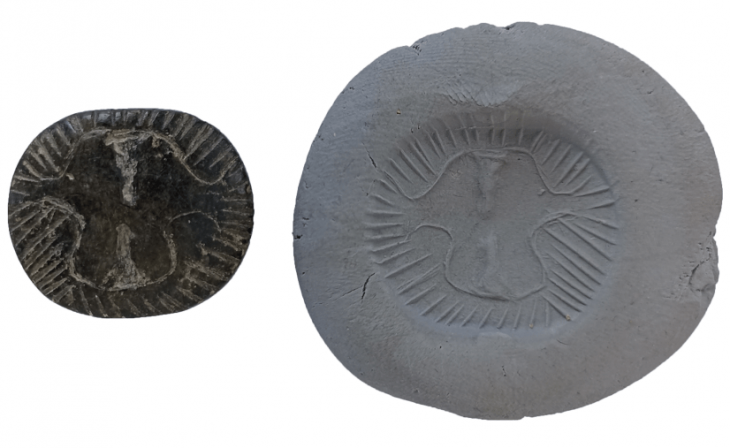
The presence of coinage is particularly telling, indicating a developed economy and possible trade connections beyond the immediate region. Such findings reinforce the theory that the settlement held a central role in medieval Alanian society.
📣 Our WhatsApp channel is now LIVE! Stay up-to-date with the latest news and updates, just click here to follow us on WhatsApp and never miss a thing!!
Tracing the City of Magas
Historical references to Magas date back to the 9th–11th centuries, primarily through the writings of Arab chroniclers such as Ibn Rustah and Al-Bakri. These sources describe Magas as the capital of Alania, a powerful kingdom that dominated parts of the Caucasus during the early medieval period.
The texts note that Magas was located roughly a three-day journey from the kingdom of Sarir, believed to have been situated in what is now Dagestan. Intriguingly, the geographical position of the newly discovered site corresponds closely with these accounts.
If confirmed, this would solve a long-standing historical mystery. For centuries, historians and archaeologists have debated the exact location of Magas, proposing various sites across the region. However, none have provided as compelling a combination of archaeological and textual evidence as the Mayrtup complex.
Layers of Civilization
Beyond its potential identification as Magas, the site offers a remarkable window into the evolution of human settlement in the region. Archaeologists report that the area contains cultural layers spanning from the Chalcolithic (Copper Age) through to the late medieval period.
This means the site was inhabited continuously for thousands of years, reflecting shifting civilizations, technologies, and social structures. According to researchers, such continuity is rare and provides an invaluable opportunity to study long-term historical development in the Caucasus.
The excavations were originally conducted as part of preparatory work for the Novogrozny–Serzhen-Yurt gas pipeline. These types of “rescue excavations” often yield important findings, but few have produced results of this magnitude.
Alans
The Alans were a nomadic and later semi-settled Iranian-speaking people who rose to prominence between the 1st millennium BCE and the medieval period. Known for their skilled cavalry, trade networks, and strategic presence across the Eurasian steppe and the Caucasus, they played a key role in connecting different regions culturally and economically. At their height, the Alans established a powerful political entity in the North Caucasus, with Magas believed to have served as their political and administrative center. Their legacy is considered important for understanding the early medieval history of Eurasia and the development of societies in the Caucasus region.
Rewriting the History of the Caucasus
The implications of this discovery extend far beyond regional history. The Alanian civilization played a crucial role in connecting Europe and Asia through trade, culture, and migration. Identifying its capital could significantly deepen our understanding of medieval geopolitics and cultural exchange across Eurasia.
Moreover, the find could reshape the historical narrative of Chechnya and the wider Caucasus, filling gaps in a period where written records are limited. Researchers emphasize that continued excavations will be essential to confirm whether the site is indeed Magas.
Modern Magas: A Name Reborn
Interestingly, the name Magas lives on today in Magas, the modern capital of the Republic of Ingushetia. Established in the 1990s, the city was deliberately named after the legendary medieval capital, reflecting a desire to reconnect with the region’s ancient heritage.
While the modern city is relatively small and newly built, the historical Magas—if this discovery proves accurate—would represent a vastly older and more influential urban center.
What Comes Next
Archaeologists plan to continue their work at the site, using advanced dating techniques and further excavation to test their hypothesis. If confirmed, the discovery could become one of the most important archaeological breakthroughs in Russia in recent years.
For now, the “lost city” of Magas remains a tantalizing possibility—but one that is closer than ever to becoming historical fact.
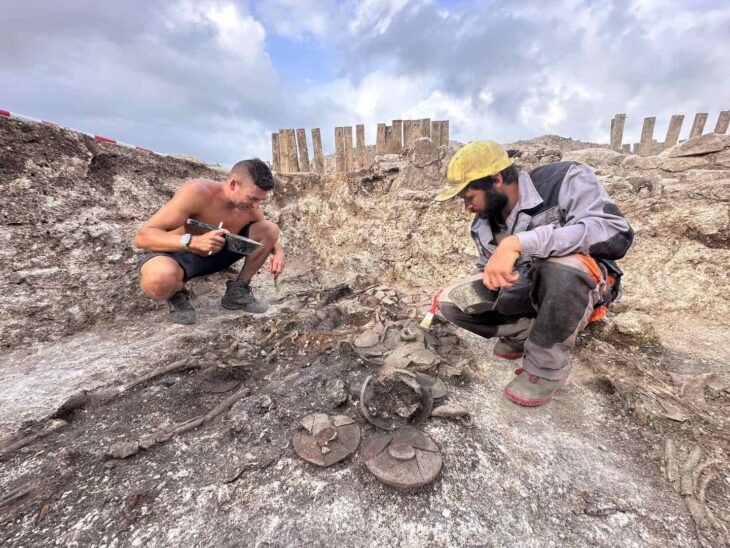
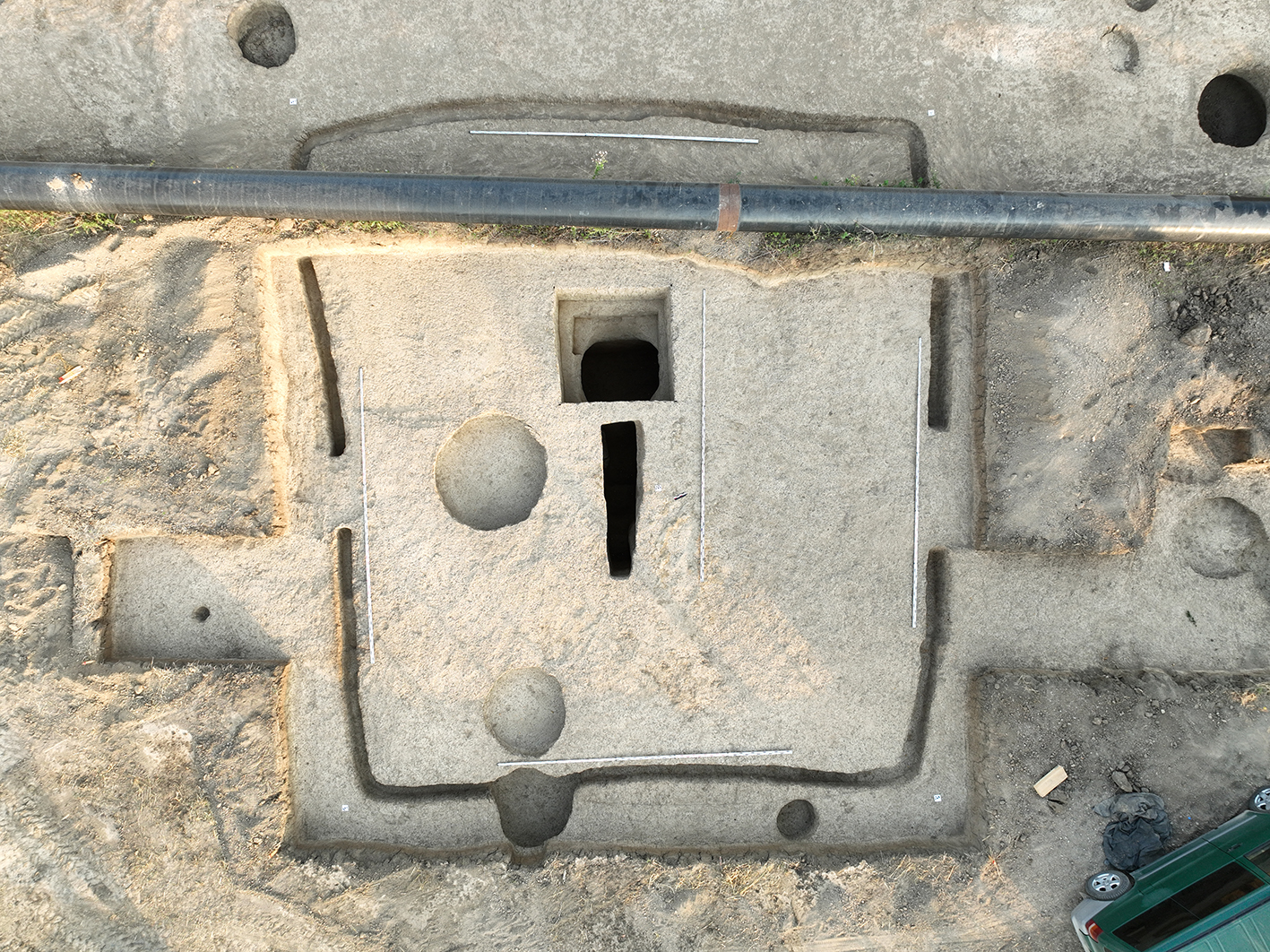
Cover Image Credit: Kurgan 3 (6th century AD), within which domestic pits from a 10th–13th century settlement are recorded at Mayrtup. Credit: Institute of Archaeology of the Russian Academy of Sciences (RAS)