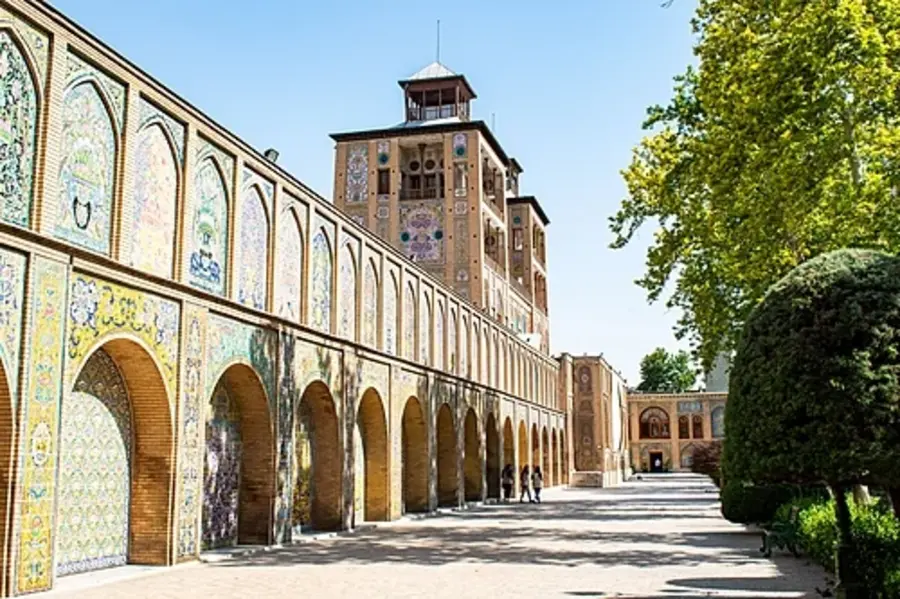
In a recent announcement, Iran’s cultural heritage minister, Reza Salehi-Amiri, revealed that the UNESCO-listed Golestan Palace in Tehran has sustained significant damage due to air strikes attributed to US-Israeli forces.
This incident raises concerns about the physical integrity of the historical site and highlights the broader implications for cultural heritage preservation. The Iranian government plans to submit a formal report to UNESCO, emphasizing the importance of protecting cultural heritage worldwide.
The Golestan Palace: A Historical Overview
The Golestan Palace, a masterpiece of Qajar era architecture, is one of the oldest and most important historical monuments in Tehran. Constructed during the 16th century, the palace complex reflects the fusion of Persian tradition and Western influences that marked the Qajar dynasty. Its exquisite gardens, intricate tile work, and stunning mirror halls have earned it a place on UNESCO’s World Heritage List since 2013.
The palace served as the royal residence for many Iranian monarchs and has played a significant role in the country’s history. It witnessed numerous political events, including the signing of treaties and the establishment of the first Iranian parliament in the early 20th century. The Golestan Palace is not just an architectural wonder; it is a symbol of Iran’s rich cultural heritage and history.
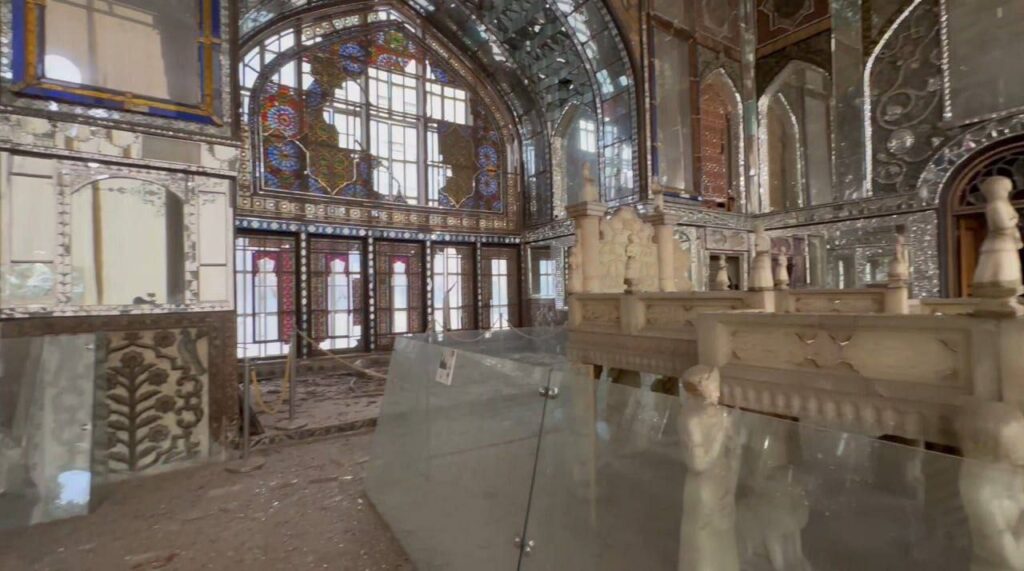
Recent Strikes and Their Impact
The air strikes that reportedly damaged the Golestan Palace have been met with widespread condemnation. Minister Salehi-Amiri stated that this attack was not merely on a physical structure but an assault on Iran’s cultural and national identity. The damage inflicted upon the palace raises critical concerns about the protection of cultural heritage sites in conflict zones.
📣 Our WhatsApp channel is now LIVE! Stay up-to-date with the latest news and updates, just click here to follow us on WhatsApp and never miss a thing!!
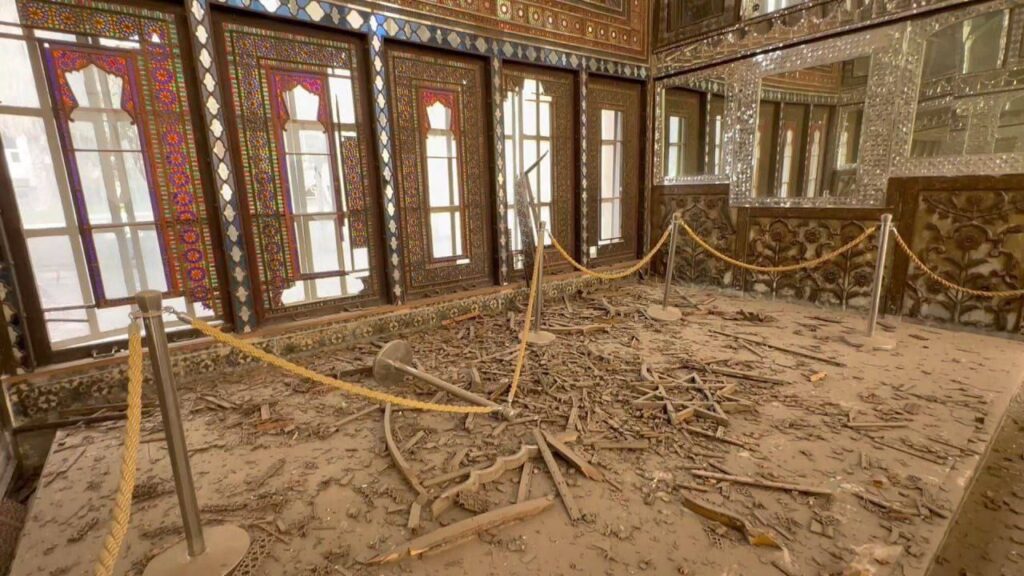
The strikes have reportedly affected several parts of the palace, including its gardens and some of the intricate decorative elements that adorn the buildings. As UNESCO emphasizes the need for the protection of cultural heritage during armed conflicts, this incident serves as a stark reminder of the vulnerabilities faced by such sites around the world.
Iran’s Response and International Implications
In response to the damage, Iran has vowed to take action through international channels. The formal report to UNESCO will outline the extent of the damage and call for immediate attention to prevent further assaults on cultural heritage sites. Iran’s government has expressed hope that the international community will recognize the importance of preserving such sites, not only for Iran but for humanity as a whole.
The situation is delicate, as it intertwines cultural preservation with geopolitical tensions. Iran’s call to action may lead to increased scrutiny of military operations in the region and their collateral damage to historical sites.
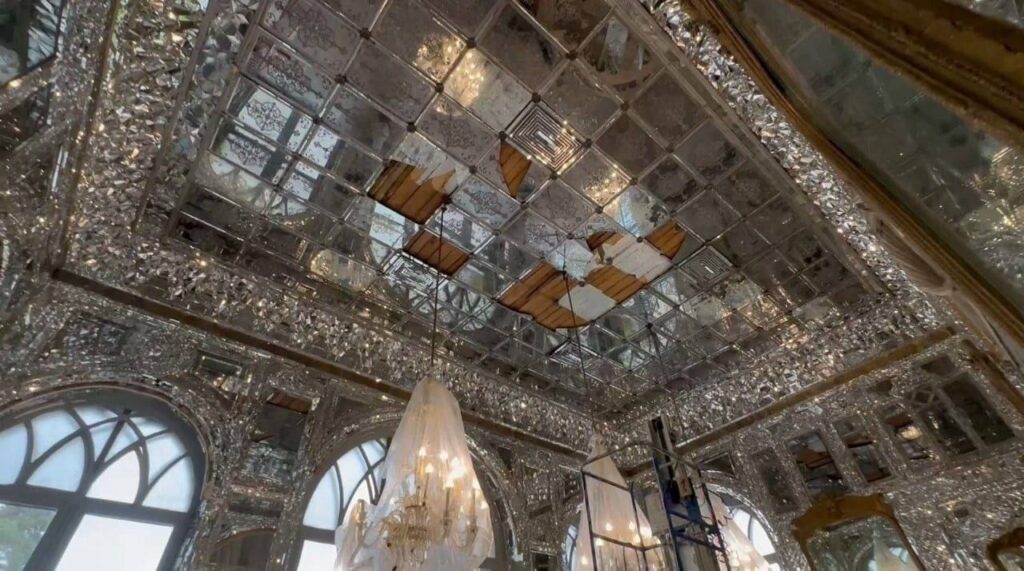
The Importance of Cultural Heritage
Cultural heritage is a vital aspect of national identity and collective memory. The Golestan Palace, with its stunning architecture and historical significance, embodies the essence of Iran’s past. The loss or damage to such sites can have lasting effects on cultural identity and heritage.
UNESCO defines cultural heritage as the legacy of physical artifacts and intangible attributes of a group or society that are inherited from past generations. The destruction of these assets diminishes not only the cultural narrative of a nation but also the shared history of humanity. Recognizing this, it becomes imperative to advocate for the protection of cultural heritage during conflicts.
The Urgency of Protecting Cultural Heritage
The damage inflicted on the Golestan Palace serves as a poignant reminder of the fragility of cultural heritage in times of conflict. As Iran prepares to submit its report to UNESCO, it is essential for the international community to rally together in support of cultural preservation. The Golestan Palace is not just a relic of the past; it represents the spirit and identity of the Iranian people. Protecting such heritage is crucial for future generations, ensuring that they can connect with their history and culture.
As discussions continue surrounding the implications of these strikes, the hope remains that global awareness will lead to stronger protections for cultural sites worldwide. The Golestan Palace must be preserved, not only for Iran but for the collective heritage of humanity.
Cover Image Credit: Public Domain