A remarkable archaeological discovery in southern Germany is shedding new light on early Celtic society. Archaeologists investigating a massive burial mound near the town of Riedlingen have uncovered exceptionally preserved wooden objects and rare artistic artifacts inside a 2,610-year-old burial chamber. The findings offer valuable clues about the life, status, and burial traditions of a young elite individual from the early Celtic world.
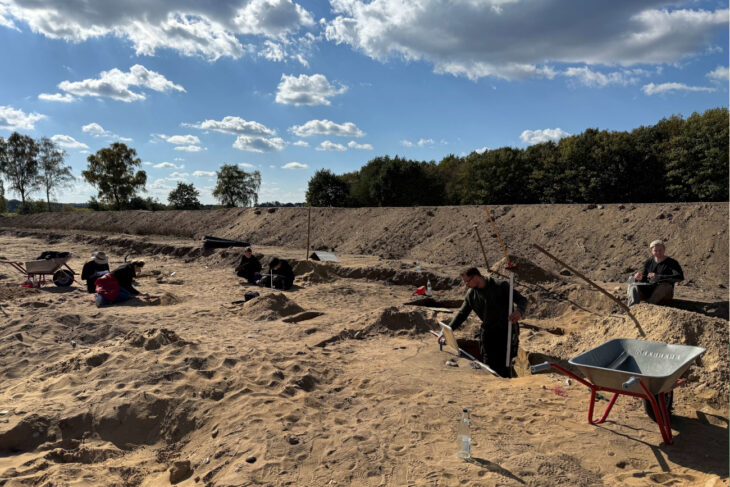
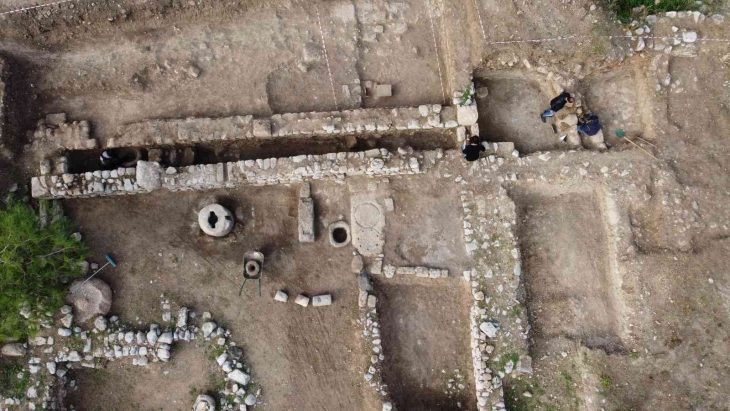
The burial mound has been under investigation since 2023 by researchers from the Landesamt für Denkmalpflege Baden‑Württemberg. The excavation project is led by state archaeologist Dirk Krausse and researcher Roberto Tarpini. Their interdisciplinary team discovered the burial chamber at the center of the monumental mound in 2024.
A 2,610-Year-Old Celtic Burial
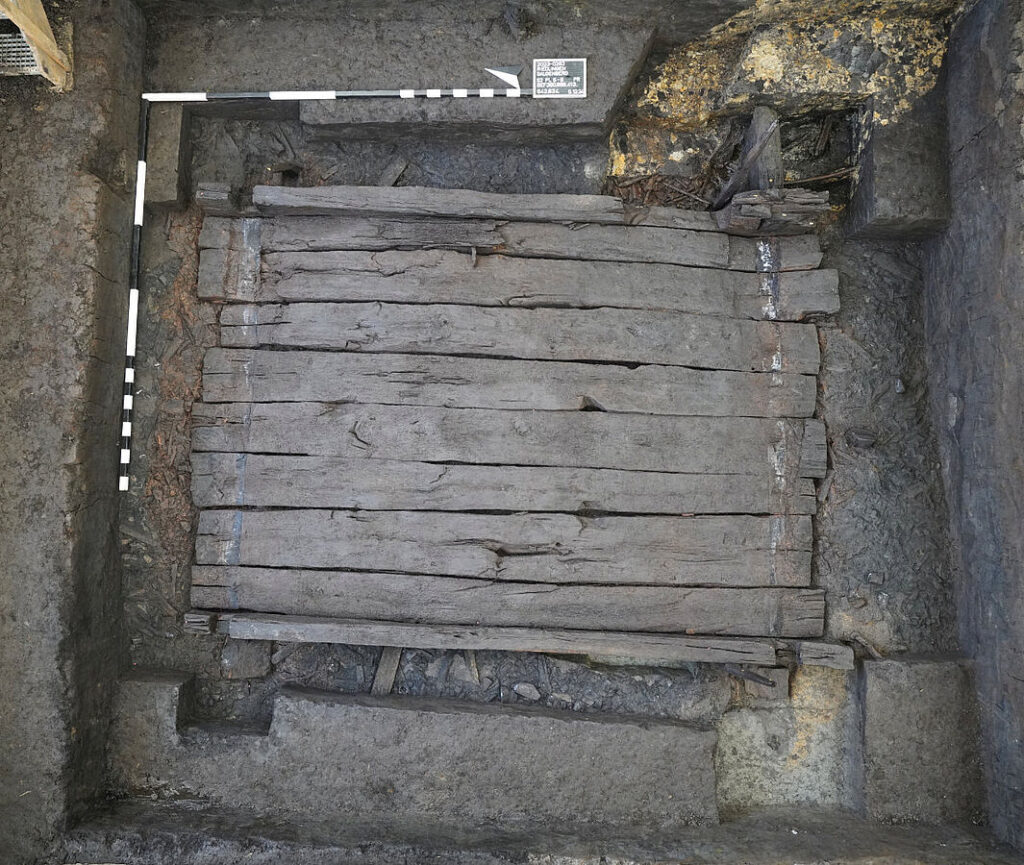
The tomb was constructed from oak timbers and preserved in extraordinary condition due to groundwater saturation. Using the scientific method of Dendrochronology, researchers were able to date the wooden structure precisely to 584 BCE. This places the burial during the peak of early Celtic culture in the region.
The burial mound itself is impressive in scale. Measuring about 65 meters in diameter and originally at least six meters high, it ranks among the largest ancient tumuli in southwestern Germany. Inside, the burial chamber measures roughly three by four meters with an interior height of about one meter.
Although the tomb had been looted in antiquity, archaeologists have now discovered that the robbery ironically preserved some of the most valuable archaeological evidence.
📣 Our WhatsApp channel is now LIVE! Stay up-to-date with the latest news and updates, just click here to follow us on WhatsApp and never miss a thing!!
Ancient Grave Robbers Left Behind Hidden Treasures
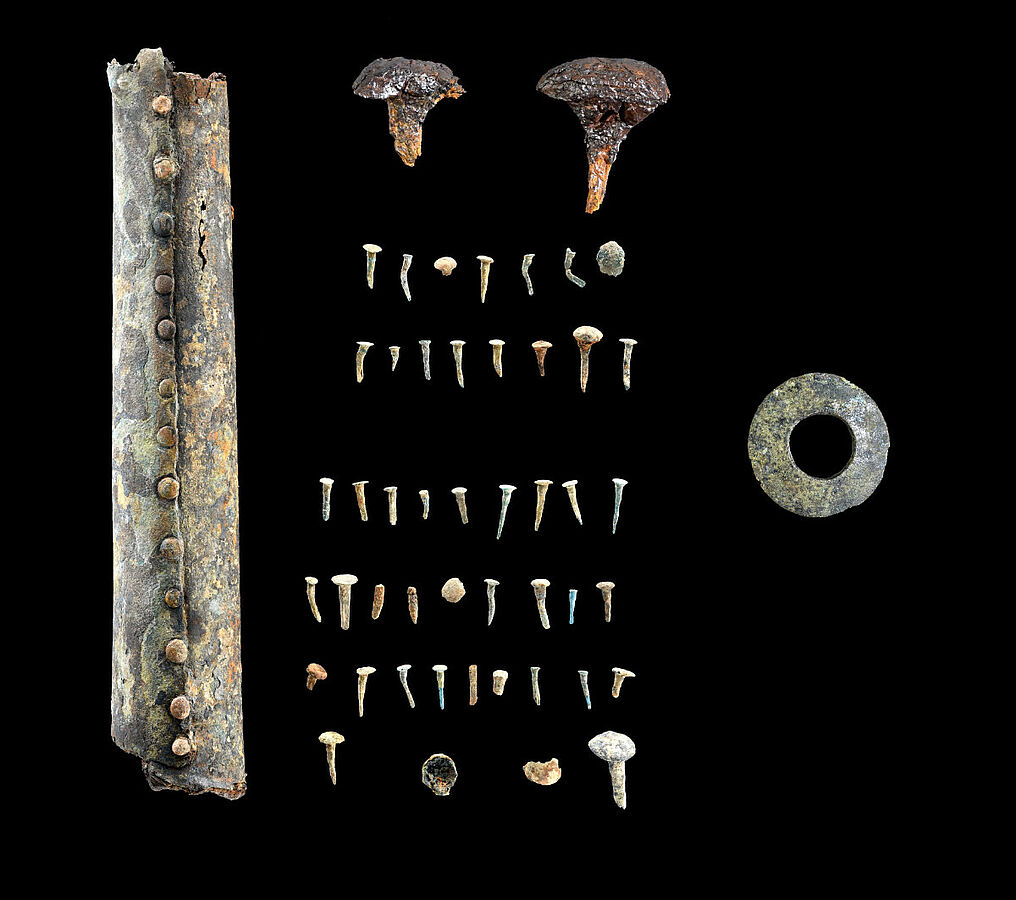
Evidence shows that grave robbers broke into the chamber centuries after the burial. Their main target was precious metal objects such as jewelry and decorated metal fittings. However, they largely ignored items made of organic materials including wood, textiles, and fur.
According to archaeologists, this oversight turned out to be a fortunate accident for modern research. Because groundwater created oxygen-poor conditions inside the mound, many organic artifacts survived in remarkable condition—objects that would normally decay completely in soil.
“The preservation conditions were extraordinary,” explained Krausse. “Without the groundwater, these wooden objects would have disappeared without a trace.”
A Tunnel Full of Surprising Discoveries
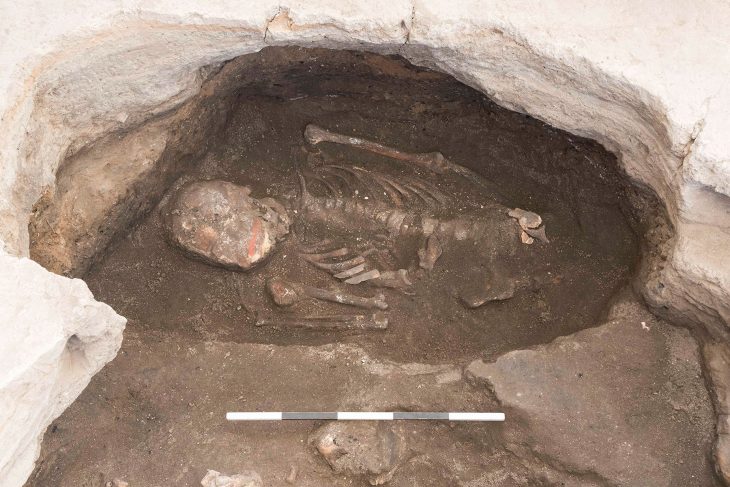
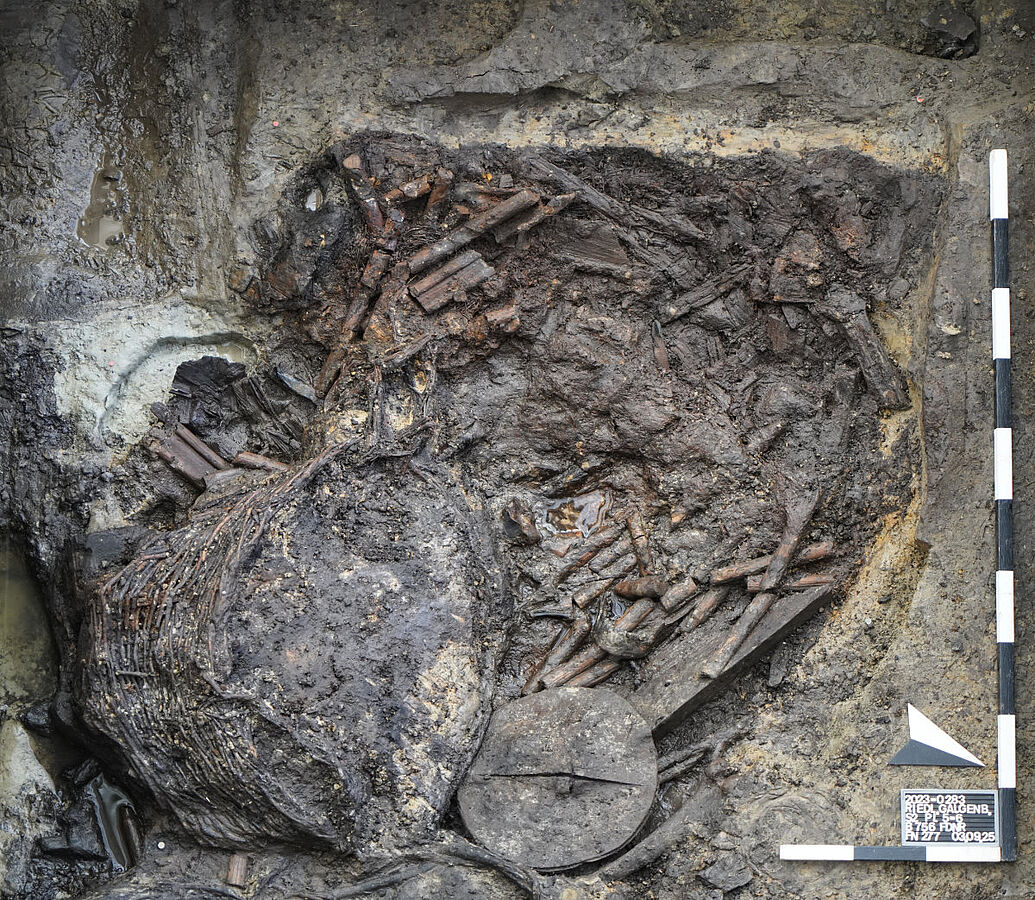
In 2025, excavations focused on a tunnel dug by the ancient grave robbers. At the bottom of this shaft, archaeologists found scattered skeletal remains of a young man estimated to be between 17 and 19 years old.
Alongside the bones were numerous grave goods that had originally been placed in the burial chamber. These included wooden objects, fragments of metal, textiles, animal fur, and other organic materials that had likely been thrown into the shaft after the looters removed valuable metals.
Researchers believe the body may have been dragged out of the chamber wrapped in a fur. Several toe bones belonging to a brown bear suggest that the fur may have been a bearskin.
Rare Wooden Artifacts and Furniture
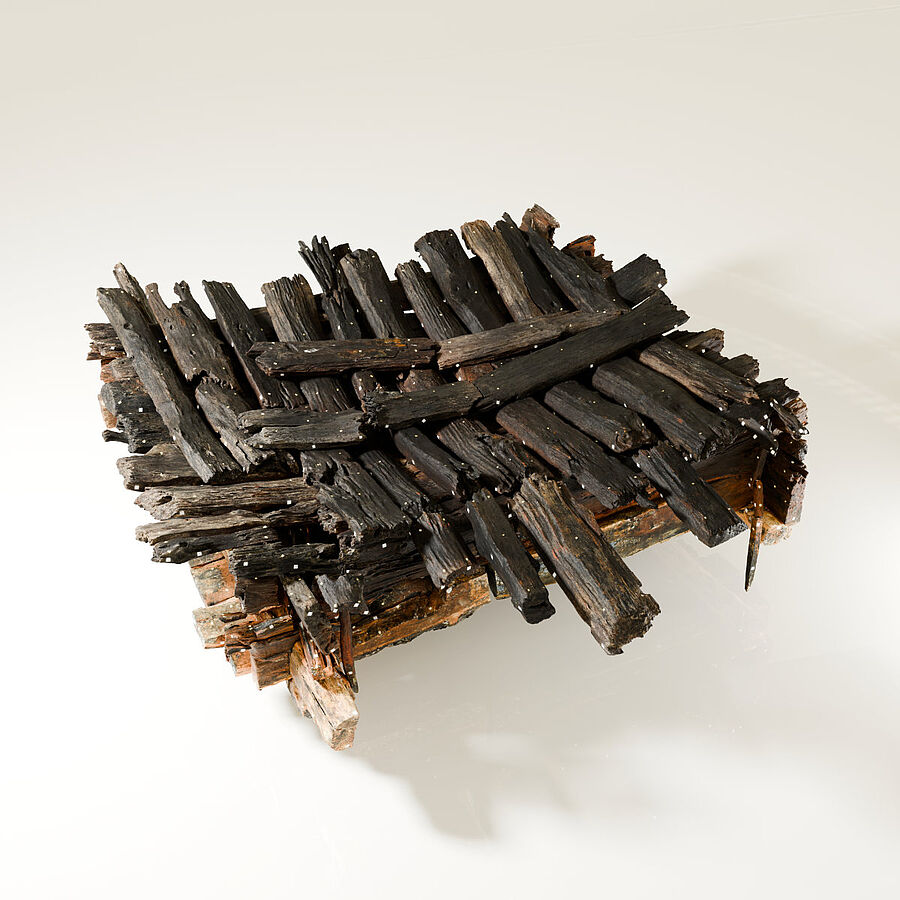
The most striking discoveries are the remains of high-quality wooden objects, some of which are astonishingly well preserved. These artifacts provide rare insight into early Celtic craftsmanship and burial traditions.
Among the finds are fragments of furniture such as a stool or small table, parts of a wagon, a round wooden lid, and numerous small pieces decorated with intricate geometric patterns. Several broken components—including rod-like elements, carved headpieces, and profiled side panels—may once have formed an elaborate seat, couch, or possibly a narrow wagon body.
These items reveal that the burial chamber was once richly furnished, suggesting the deceased belonged to the social elite of early Celtic society.
Evidence of the Ancient Robbery
Archaeologists also uncovered objects left behind by the grave robbers themselves. A birchwood torch and a small resinous wood splinter were likely used as light sources in the dark interior of the mound.
Two large wicker baskets were also found discarded in the tunnel. Radiocarbon dating indicates the robbery took place during the Celtic period, at least 200 years after the original burial.
A Unique Piece of Early Celtic Art
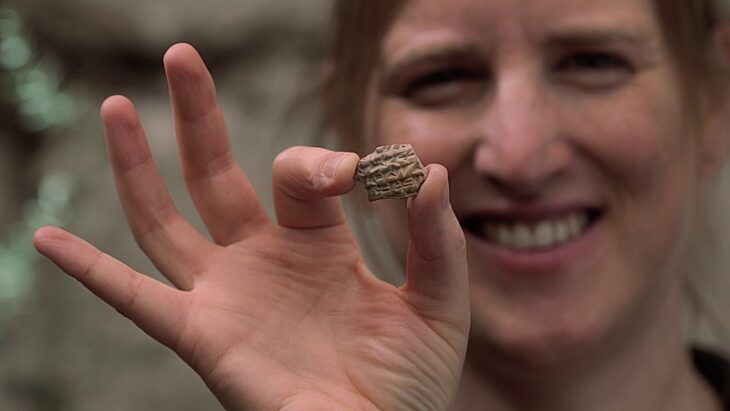
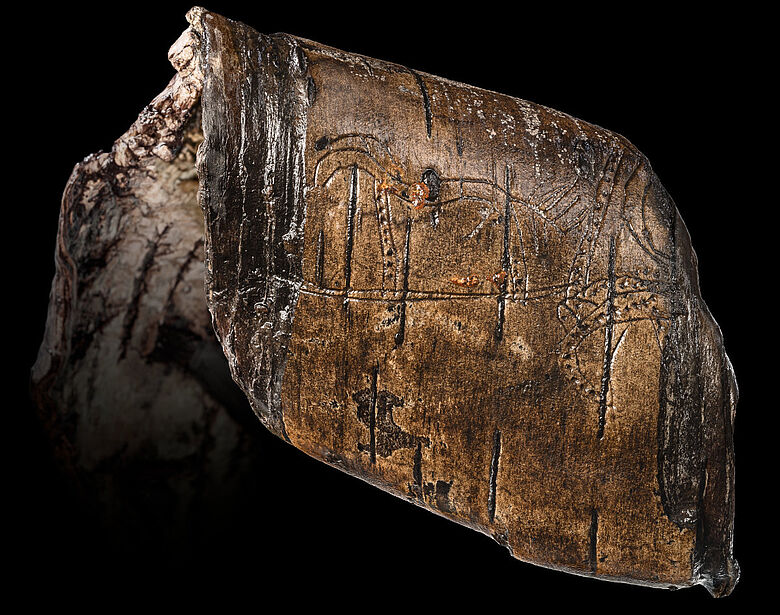
One of the most culturally significant discoveries is a seemingly modest strip of birch bark that once formed part of a vessel. The object is decorated with carved and dotted motifs, including what appears to be a stylized horse.
Such figurative imagery is extremely rare in early Celtic art of the 7th and early 6th centuries BCE. Previously known examples typically appeared only on metal or ceramic objects.
The newly discovered artifact demonstrates for the first time that similar artistic motifs may also have been widely used on organic materials such as wood or birch bark—materials that rarely survive archaeologically.
Insights Into an Elite Celtic Society
Taken together, the artifacts indicate that the tomb originally contained an exceptionally rich collection of grave goods. According to the researchers, this strongly suggests that the young man buried in the chamber was a member of the Celtic aristocracy.
The burial also coincides with the flourishing period of the nearby settlement of Heuneburg, considered one of the most important political and economic centers of early Celtic Europe and often described as the oldest city north of the Alps.
Located just seven kilometers from Riedlingen, Heuneburg likely played a key role in regional power networks during the Iron Age.
Luck in Misfortune
Ironically, the actions of the ancient grave robbers helped preserve this remarkable archaeological record. After the robbery tunnel was refilled, it quickly created an airtight and moisture-rich environment that protected the discarded artifacts from oxygen and decay.
Researchers describe the situation as “luck in misfortune,” as the robbery ultimately allowed rare organic materials to survive for more than two millennia.
A comprehensive research report detailing the extraordinary discoveries from the Riedlingen burial mound will be published in the March 2026 issue of the archaeology journal Archäologie in Deutschland.
Regierungspräsidium Stuttgart – Landesamt für Denkmalpflege Baden-Württemberg
Cover Image Credit: State Office for Monument Preservation (LAD) at the Regierungspräsidium Stuttgart / Jörn Heimann.