
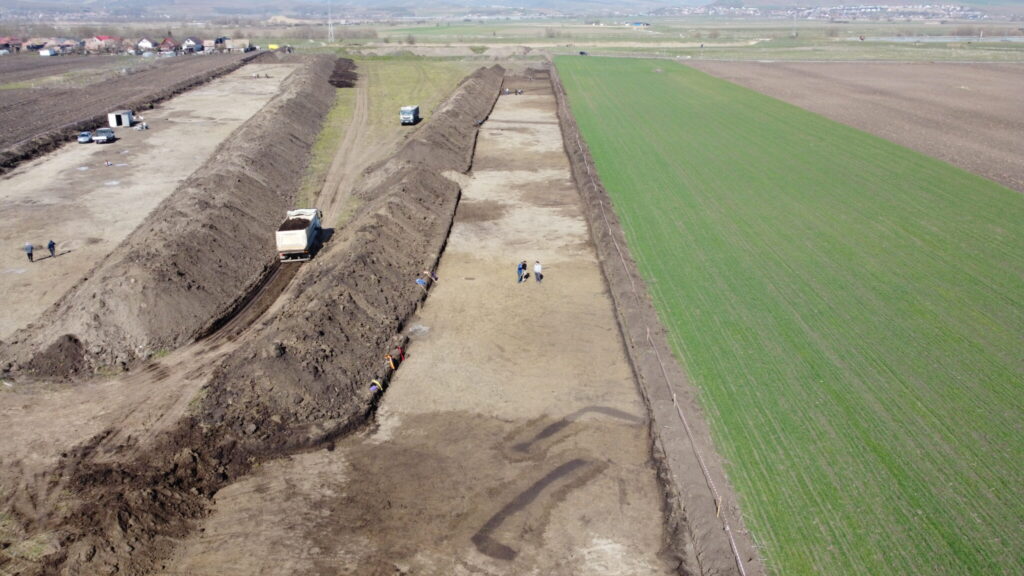
A significant archaeological discovery in Cristești, Mureș County, in central Romania, is offering fresh insight into life—and death—in the Roman province of Dacia during the 2nd–3rd centuries AD. Preventive excavations conducted across a five-hectare site have uncovered a previously unknown Roman cemetery, marking an important milestone in understanding the region’s historical landscape.
A Long-Known Site Reveals New Secrets
The Cristești site has been recognized for years in archaeological literature due to earlier findings that confirmed the existence of a well-developed Roman settlement. However, until now, the location of its burial grounds remained unknown. The current excavation campaign, launched in mid-February as part of an investment project, has finally brought this missing piece to light.
Archaeologists have identified approximately 30 graves so far, with ten fully investigated. Early analysis provides valuable information about the community that once lived here under the rule of the Roman Empire.
Burial Practices and Grave Goods
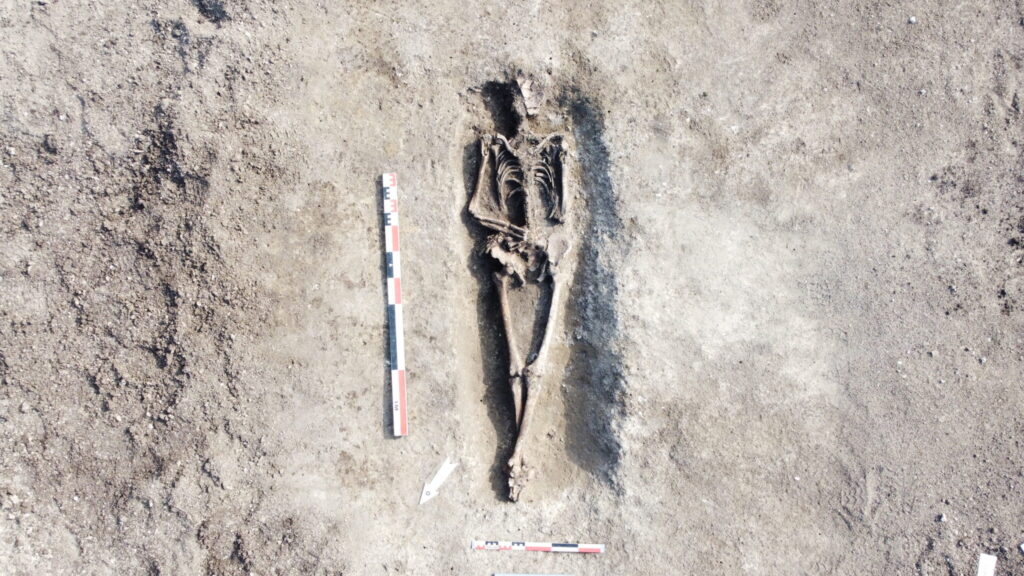
The graves reveal a mix of burial customs typical of Roman provincial life. Most are inhumation burials, while two cremation graves—where the remains were burned and placed in vessels—highlight the diversity of funerary rites practiced in the region.
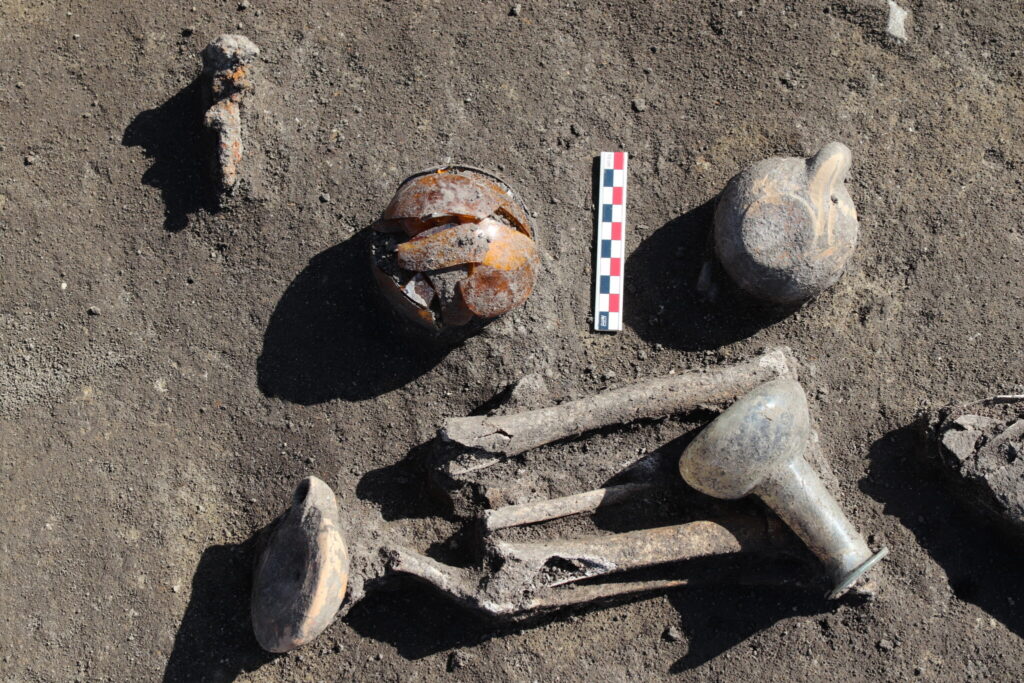
Preliminary findings indicate that two graves belong to adults and seven to children. Several burials contained relatively rich grave goods for a middle-status population, including ceramic vessels, glass items, coins, jewelry, and oil lamps. These artifacts not only reflect daily life but also suggest beliefs about the afterlife and social identity.
One coin discovery is particularly valuable for dating the cemetery. It bears the image of Faustina the Elder, wife of Antoninus Pius, and was minted around 141 AD. This aligns perfectly with the peak development period of Roman Dacia.
A Tragic Discovery: Mass Grave of Children
Among the most striking discoveries is a communal pit containing the remains of approximately 20 children. Archaeologists believe this may point to a sudden mortality event, such as an epidemic, possibly occurring during the early phase of the settlement.
Such findings are not unprecedented in Roman archaeology, as similar cases have been documented across the empire. However, the scale and concentration of child burials make this discovery particularly poignant and significant for understanding health conditions and demographic challenges in ancient communities.
Connection to a Roman Cavalry Unit
The cemetery’s dating coincides with the presence of a major Roman military unit stationed in the area: the Ala I Gallorum et Bosporanorum milliaria. This elite cavalry formation, consisting of roughly 1,000 soldiers, played a key role in maintaining Roman control and stability in the province.
Originally composed of recruits from Gaul and the Bosporan Kingdom, this unit exemplifies the multicultural nature of the Roman army. Auxiliary units like this were often stationed in frontier provinces such as Dacia, where they contributed not only to defense but also to economic and social development.
The presence of such a unit likely influenced the growth of the nearby civilian settlement, including craft production. Archaeological evidence suggests that Cristești was once an important pottery center, supplying goods to both military and civilian populations.
Roman Burial Traditions Confirmed
The cemetery’s location also aligns with known Roman customs. In the Roman world, burial grounds were typically situated outside settlements, often along major roads. This practice is now confirmed at Cristești, helping archaeologists better understand the spatial organization of the ancient site.
Ongoing Research and Future Insights
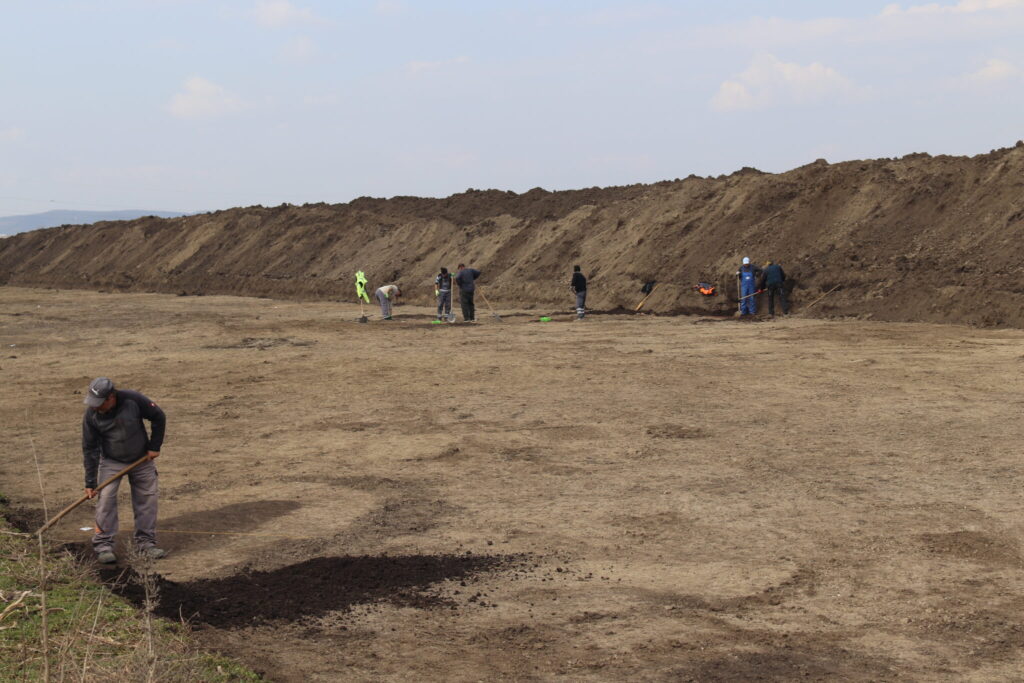
Excavations are still underway, and researchers expect that continued work will provide a clearer picture of the cemetery’s structure and the community it served. All osteological remains and artifacts are being carefully collected, restored, and analyzed at the Mureș County Museum.
Future studies will focus on determining the age, health, and living conditions of the population. These analyses could reveal patterns of disease, nutrition, and social organization, offering a more comprehensive understanding of life in Roman Dacia.
A Key Discovery for Romanian Archaeology
The discovery of the Roman cemetery at Cristești represents a major step forward in reconstructing the complex history of the region. By connecting funerary evidence with known settlement and military activity, archaeologists are gradually piecing together a vivid picture of life on the Roman frontier.
As research continues, this site promises to become one of the most important reference points for the study of Roman-era communities in Eastern Europe, shedding light on how local populations lived, worked, and coped with the challenges of their time.
Cover Image Credit: Muzeul Județean Mureș
