
A newly discovered 2,000-year-old hillfort in Estonia is rewriting history with its one-of-a-kind rampart system. Archaeologists reveal a short-lived settlement shaped by conflict, migration, and ancient legends.
A remarkable archaeological discovery in southern Estonia is reshaping what historians know about early settlements in the Baltic region. Near the small municipality of Kambja, researchers have identified the remains of a previously unknown hillfort at Köstrimägi—now officially recognized as a protected cultural monument.
The site, located in Tartu County, is already being described as one of the most unusual archaeological finds in the country. Experts believe the hillfort dates back nearly 2,000 years, offering a rare glimpse into a turbulent and poorly understood period of regional history.
A Discovery Decades in the Making
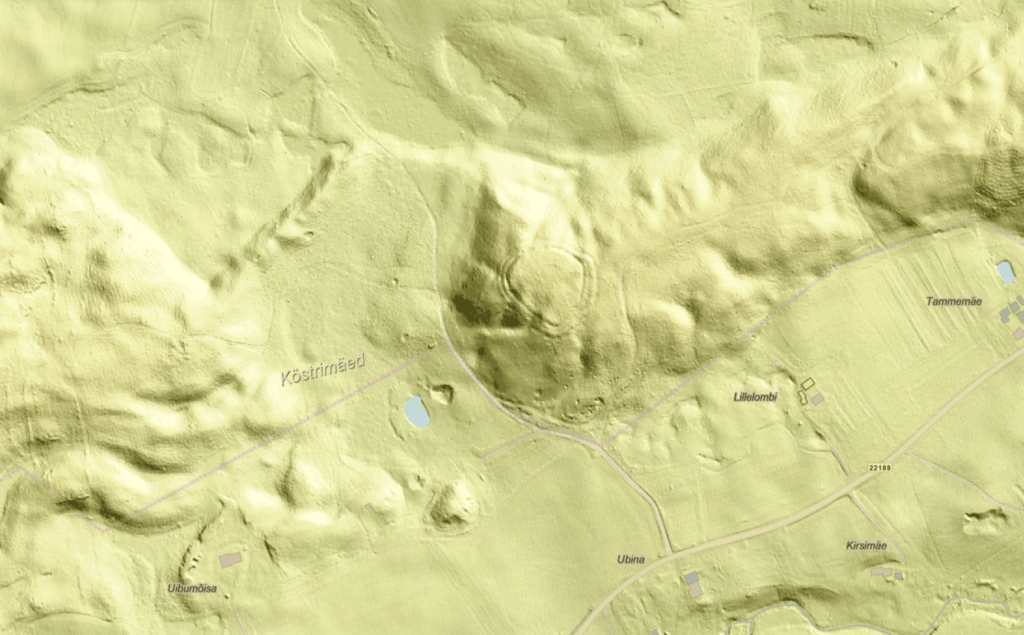
Although local legends and archival references hinted at the existence of a fortified site, it wasn’t until recent technological advances that its true nature was confirmed. Archaeologists from the University of Tartu identified the structure using high-resolution terrain mapping tools, which revealed concentric ramparts and ditches hidden beneath dense vegetation.
According to Professor Heiki Valk, traces of the hillfort had been noted as far back as the 19th century, when early researchers collected oral histories about unusual landforms in the area. However, only modern digital mapping allowed scientists to verify these claims with precision.
A Rare and Puzzling Structure
What makes the Köstrimägi hillfort truly unique is its architecture. Covering approximately 4,800 square meters, the site is significantly larger than most early hillforts in southern Estonia. Even more intriguing is its system of multiple concentric ramparts and shallow ditches—features rarely seen in the region.
“These layered defensive structures are highly unusual for Estonian hillforts,” Valk explained. “They suggest either external influence or a purpose beyond simple defense.”
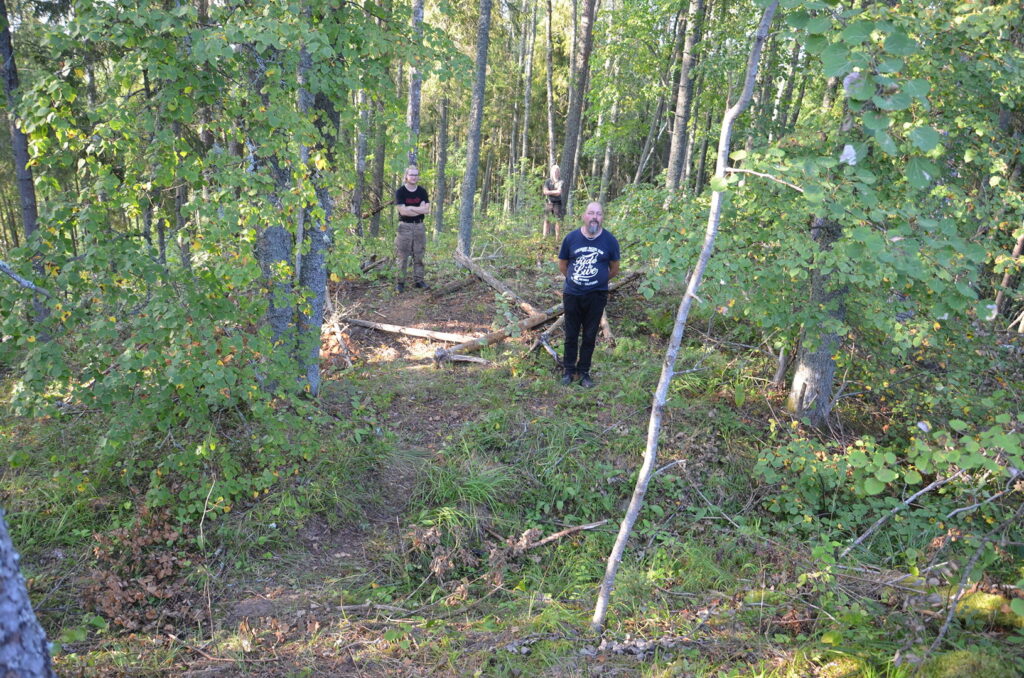
Unlike typical fortifications, the ramparts at Köstrimägi are surprisingly low, with only about 60 centimeters separating the ditch from the embankment today. Researchers believe that even in their original form, they may not have exceeded a meter in height—raising questions about their effectiveness as defensive barriers.
Short-Lived Settlement Revealed by Science
Excavations conducted in 2024 uncovered only a handful of artifacts, including tiny pottery fragments, charcoal, and traces of burnt wood. Despite the limited finds, these materials proved crucial for dating the site.
Radiocarbon analysis placed the hillfort’s use between 41 BC and AD 9, indicating an extremely brief occupation period. Scientists estimate that the settlement may have existed for only a few decades—or even less.
“The evidence points to a very short-lived settlement, possibly lasting just ten years,” Valk told Novaator, adding that this fleeting existence deepens the mystery surrounding the site and its inhabitants.
Signs of Conflict and Destruction
One of the most striking discoveries is evidence that the hillfort was destroyed by fire. Burn marks and charcoal deposits suggest a violent end, possibly linked to conflict or social unrest.
Researchers speculate that the settlement may have been established by a group unfamiliar to the region—potentially migrants from the south. Similar low, concentric rampart structures have been found in neighboring Latvia, lending weight to the theory of outside influence.
“The construction style is not typical for this area,” Valk said. “It raises the possibility that the builders were outsiders who did not remain long, perhaps due to tensions with local communities”.
Cultural Monument Status Secures Protection
Recognizing its historical significance, Estonia’s Heritage Board has granted the Köstrimägi site official cultural monument status. This designation ensures that the area will be preserved for future research and protected from commercial development.
The decision is particularly important given the site’s location in a scenic forest area popular for hiking and foraging. Without protection, it could have faced potential damage from construction or resource extraction.
Heritage expert Liivi Varul emphasized the broader importance of safeguarding such sites. “Estonia has a long history of human activity spanning around 10,000 years. These traces are everywhere, but they must be recognized and preserved,” she said.
A Window Into Ancient Movements
Beyond its physical features, the Köstrimägi hillfort offers valuable insights into ancient migration and interaction patterns. Its unusual design and brief occupation suggest a period of movement, experimentation, and possibly conflict between different cultural groups.
While many questions remain unanswered—such as who built the hillfort and why—it is clear that the site holds significant research potential. Archaeologists believe that further non-invasive studies could reveal hidden structures beneath the surface, shedding more light on daily life at the site.
For now, Köstrimägi stands as a rare and enigmatic monument to Estonia’s distant past—a reminder that even well-studied landscapes can still hold surprising secrets waiting to be uncovered.
Cover Image Credit: Land and Spatial Development Board 2026
