
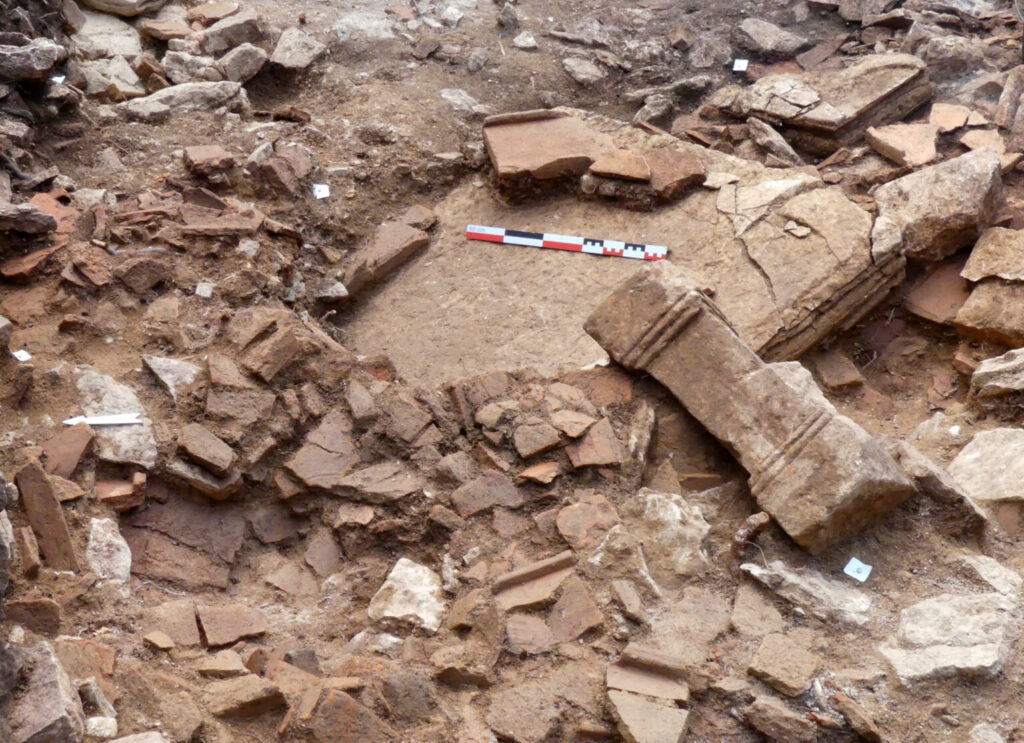
A remarkable archaeological discovery in eastern France is shedding new light on religious life in the Roman provinces. Excavations at the ancient sanctuary of Mancey, located in the Saône-et-Loire department of Burgundy near the town of Tournus, have revealed an extensive Gallo-Roman ritual complex that remained active for nearly five centuries.
The site, perched on a prominent hilltop overlooking the surrounding countryside, once hosted two temples, ritual banquets, votive deposits, and sacred gatherings that may have been reserved for members of a local elite. The discoveries made during the 2025 excavation campaign provide unprecedented insights into the evolution of religious practices in the region from the end of the Iron Age until the late Roman period.
A Hilltop Sanctuary Hidden in the Forest
The sanctuary of Mancey occupies a strategic natural elevation that dominates a large portion of the Tournugeois landscape. Its commanding position suggests it was deliberately chosen for both symbolic and practical reasons, allowing the sacred site to be visible from afar.
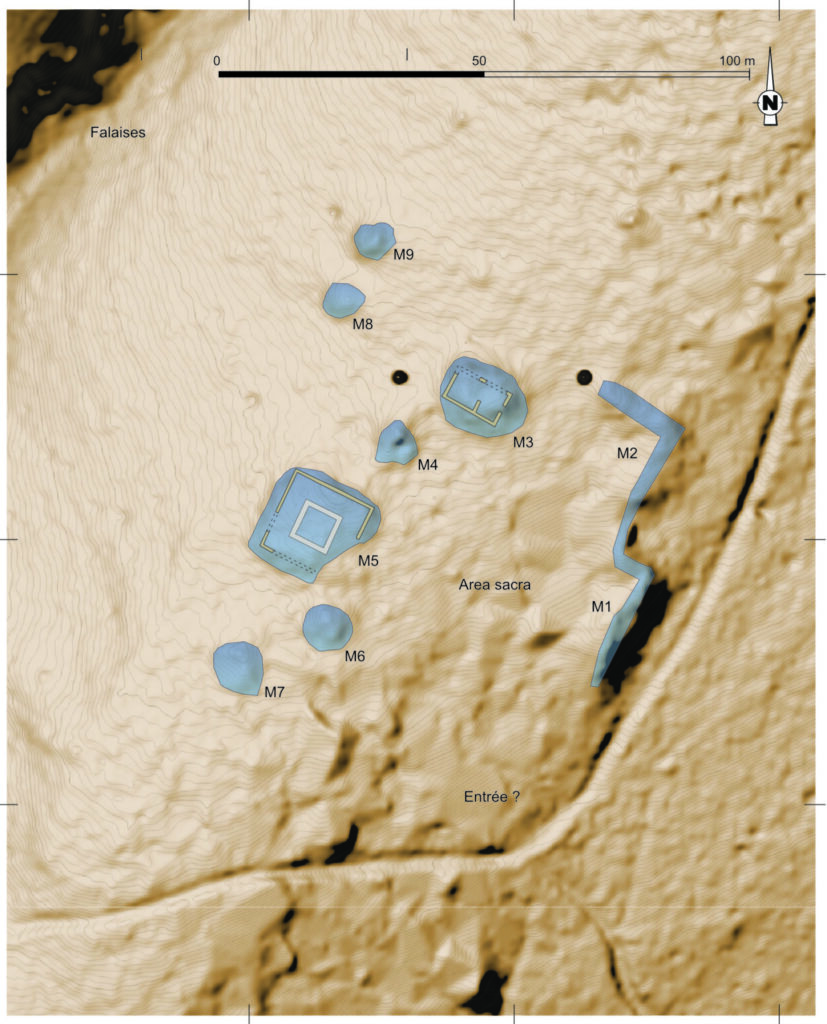
Although the location had long remained hidden beneath dense woodland, advanced LiDAR surveys carried out in 2020 revealed a series of mysterious stone mounds scattered across the forest floor. Archaeologists quickly realized that these formations were not natural features but the collapsed remains of ancient structures.
Further investigation identified six large stone mounds and a long linear mound that likely marks the boundary wall of the sacred enclosure. The pattern of structures, combined with the abundance of artifacts found at the surface, indicated that the site was not a rural settlement but rather a significant religious complex.
Excavations now suggest that the sanctuary covered roughly one hectare and included circulation paths, gathering spaces, and areas dedicated to food preparation and ritual activities.

Excavation Campaign Reveals Thousands of Artifacts
The 2025 archaeological campaign lasted six weeks and involved a team of thirty-five volunteers—mostly archaeology students—working alongside five professional archaeologists. Over the course of the excavation season, the team recorded thousands of new artifacts, adding to a collection that now totals around 20,000 objects recovered since 2023.
One of the most innovative aspects of the research is the methodology used to document the site. Every artifact is precisely geolocated using surveying equipment, a technique more commonly applied to prehistoric sites. This approach allows archaeologists to reconstruct the spatial distribution of objects with exceptional precision and better understand how rituals were performed within the sanctuary.
Additional studies, including metal-detector surveys and soil chemistry analyses, have revealed extensive zones of circulation marked by large numbers of Roman shoe nails. These findings suggest that the sanctuary was visited frequently and attracted large gatherings of worshippers.
Temple M3: Ritual Banquets and Elite Worship
One of the two main buildings uncovered at the site is known as monument M3, a rectangular temple consisting of a sacred hall preceded by a vestibule. The structure measures approximately 11.6 by 7 meters and is remarkably well preserved, with walls still standing up to 1.5 meters high.
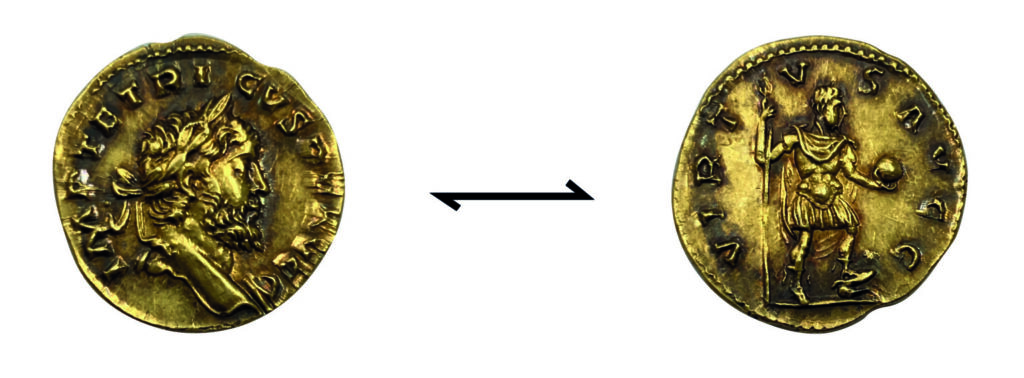
Archaeologists have identified four main phases in the building’s history. The earliest phase dates to the late third century AD, when the temple’s first clay floor was installed. During the 2025 excavations, researchers discovered a foundation deposit beneath this floor containing seventeen coins from the late Roman period, including a gold coin issued by the emperor Tetricus I.
Around AD 325 the temple underwent major renovations. The floor was raised, a vestibule was added, and interior benches were constructed along the walls, including a raised platform interpreted as a cult podium.
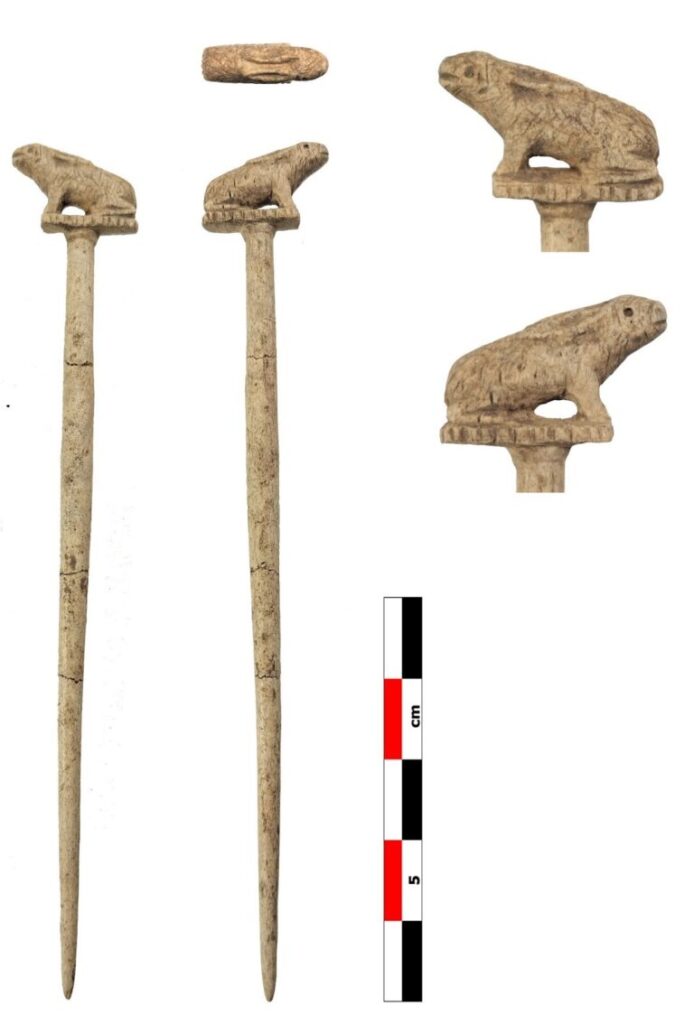
It was on this floor that archaeologists uncovered one of the most intriguing discoveries at the site: an extraordinarily rich layer containing nearly 10,000 remains linked to ritual banquets. Animal bones from suckling pigs, chickens, small birds, and fish were found alongside fragments of ceramic and glass cups, burned coins, jewelry, beads, and numerous pins made from metal and bone.
The assemblage suggests that worshippers gathered in the temple for ceremonial meals and offerings. The quality of the objects indicates that participants likely belonged to a high-status group, hinting that the sanctuary may have served as an exclusive cult space for the region’s elite.
A Painted Depiction of a Rare Celtic God
The final phase of the temple’s history ended dramatically in the late fourth century. After the building was dismantled and looted, ritual activity continued among its ruins.
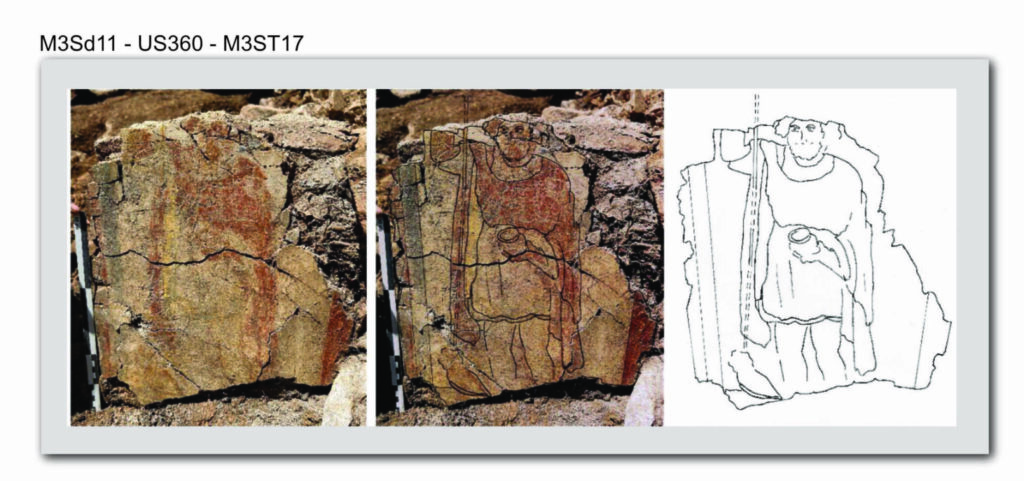
One of the most striking discoveries from this phase is a painted altar block depicting the Celtic god Sucellus, a deity associated with agriculture, forests, and prosperity. If confirmed, this painted representation would be the only known example of its kind.
Archaeologists also found evidence that people continued to gather in the ruined temple for ritual feasts. A hearth was built among the debris, surrounded by animal bones, coins, and fragments of drinking vessels—suggesting a final ceremonial meal held within the remains of the sacred building.
Nearby, a pit contained an extraordinary closing deposit of about one hundred coins, a cult lamp, and ten terracotta figurines of mother goddesses produced in the workshops of Autun. These figurines were originally made by the artisan Pistillus roughly a century earlier.

Temple M5: A Monumental Fanum
The second major structure uncovered at Mancey, designated M5, is a classic Gallo-Roman temple known as a fanum. The square building measures about 15.6 meters on each side and features a central sacred chamber, or cella, surrounded by a gallery.
Interestingly, the architecture of the temple differs from typical examples. In this case, the outer gallery walls appear to have been taller than those of the cella, reversing the usual visual hierarchy of such structures.
Excavations inside the gallery uncovered thousands of fragments of painted wall plaster, indicating that the temple was once richly decorated. Archaeologists also discovered around 400 fragments of limestone statues near the entrance, representing at least three sculptures that were deliberately smashed after the temple was abandoned.
Fragments of marble inscriptions found inside the building suggest that the sanctuary may have been constructed or maintained by a collective civic authority, pointing to its possible public status.
A Sacred Site Used for Five Centuries
Evidence from the excavations suggests that the sanctuary’s origins may date back even earlier than the Roman period. Ceramic fragments from the late Iron Age indicate that the site was already being visited during the La Tène cultural horizon.
From that time onward, the sanctuary appears to have remained active for nearly 500 years. Even after the temples collapsed in the late fourth century, worshippers continued to leave coins and offerings among the ruins.
The discoveries at Mancey are providing archaeologists with a rare window into the long-term evolution of ritual landscapes in Roman Gaul. Thanks to meticulous excavation methods and the exceptional preservation of the site, researchers are now able to reconstruct not only the architecture of the sanctuary but also the gestures, ceremonies, and communal experiences that once animated this sacred hilltop.
Grégory Compagnon (March 12, 2026). The Ancient Sanctuary of Mancey: Results of the 2025 Excavation Campaign. Le Fil d’ArAr. Accessed March 15, 2026, at https://doi.org/10.58079/15v3y
Cover Image Credit: One of the statue pedestals and the large stone table being excavated within the Phase 4 layers of Temple M3 at the Mancey sanctuary. Grégory Compagnon (2026), Le Fil d’ArAr
