
Archaeologists working along a Czech railway corridor have uncovered a rare Bronze Age hoard that experts believe was not stockpiled for later use — but deliberately broken and sunk into a marsh as an offering to the gods.
The discovery was made near the town of Kojetín in central Moravia, where a team from the Archaeological Center Olomouc has been monitoring construction along the modernized Brno–Přerov railway line. What they found beneath the soil is now rewriting a small but fascinating chapter of the region’s prehistoric story.
A Hoard With a Hidden Message
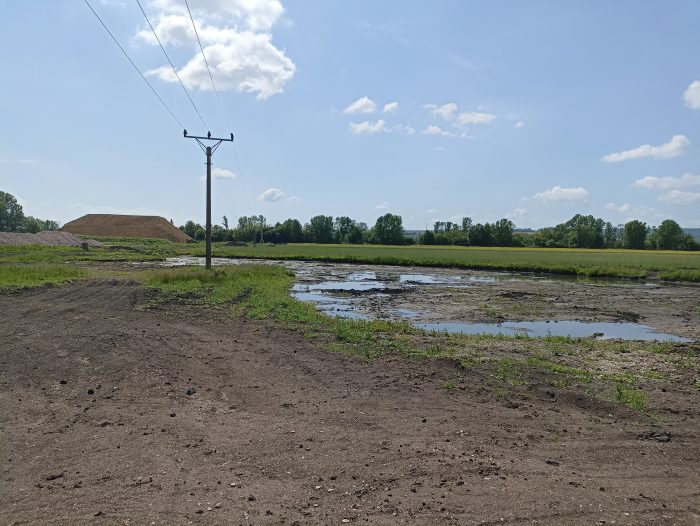
The find belongs to the Urnfield culture, a Bronze Age society that flourished across Central Europe roughly 3,000 years ago and is best known for cremating its dead and burying their ashes in urns. But this particular collection of objects wasn’t buried with the dead — it was hidden in what was once a soggy wetland beside a river.
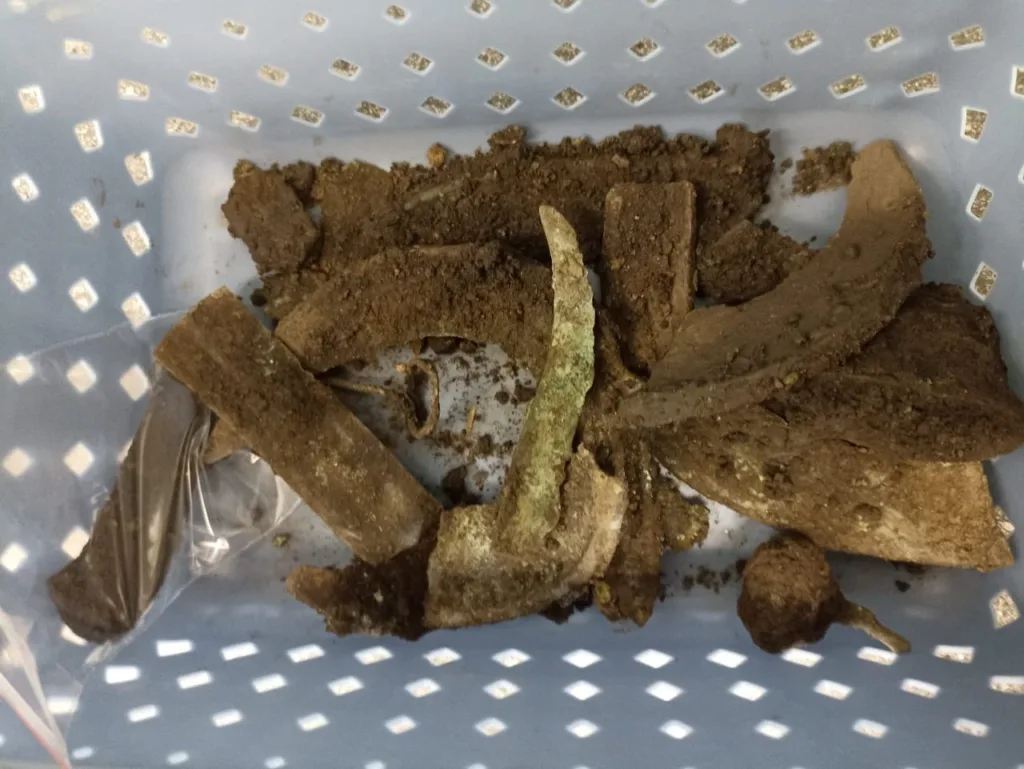
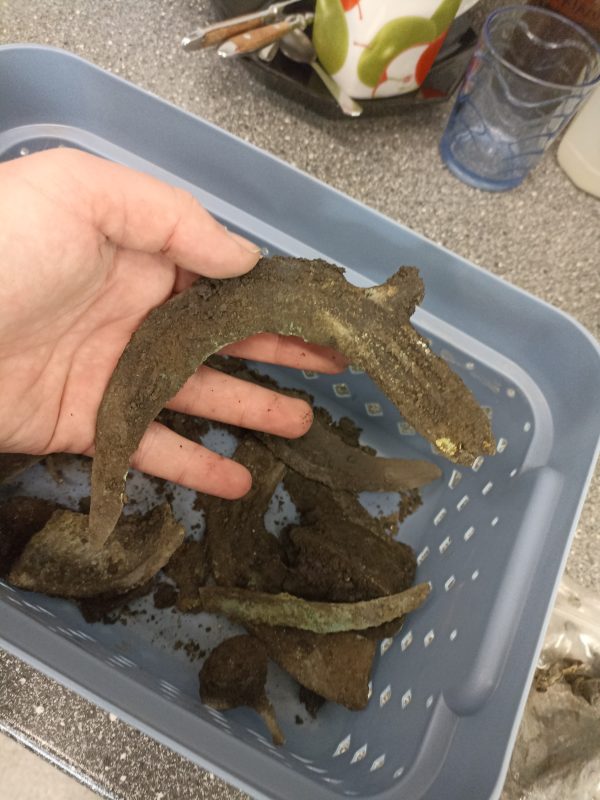
The hoard itself reads like a fragmented time capsule of daily Bronze Age life: eight bent and battered sickles, one intact sickle, a broken sword blade, scattered pieces of ornaments, two unfinished metal objects, and three raw bronze ingots. Rather than a tidy stockpile of shiny new tools, it’s a jumble of well-worn, broken equipment — and that’s exactly what makes it so intriguing.
Why Scientists Think It Was a Sacrifice, Not Savings
For decades, buried bronze hoards were often assumed to be a kind of ancient savings account — metal stashed away by smiths or traders intending to melt it down and reuse it later. But the Kojetín find doesn’t fit that pattern.
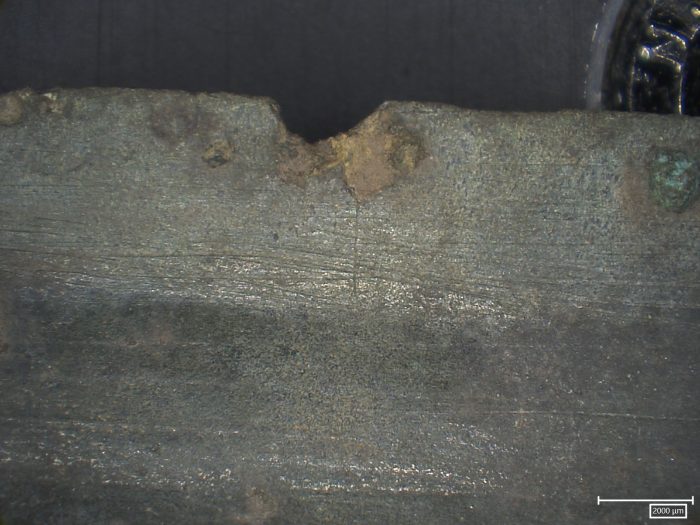
A specialized method called use-wear analysis, which examines microscopic traces left on an object’s surface, revealed that most of the tools had been in regular use right up until they were buried. More tellingly, several pieces showed clear signs of deliberate destruction just before they went into the ground. The sword had been snapped in one forceful blow — likely from a chisel or axe — and multiple sickles had been intentionally bent out of shape.
“We recorded traces of both everyday use and intentional damage on the artifacts. These marks weren’t the result of normal work — they’re linked specifically to how the objects were deposited,” explained use-wear specialist Michael Kamarád.
Combined with the location — a wetland rather than dry, easily retrievable ground — the evidence points away from a hidden stash and toward something far more symbolic: a ritual offering, quite possibly made to appease water spirits or mark a significant event.
Detectorists Followed the Clues
The hoard wasn’t stumbled upon by accident. Archaeologists already knew the area held major potential, since it lies immediately next to an extensive prehistoric settlement excavated during an earlier rescue dig that ran from September through December 2025. That knowledge shaped their strategy for the follow-up monitoring project, which is scheduled to continue through 2029.
“We knew we were following on from an extensive prehistoric settlement, so during the archaeological monitoring we also used metal detector surveying. That’s precisely how we managed to find the bronze hoard,” said Vít Záhorák, who leads the ongoing archaeological oversight.
The bronze cache surfaced at the end of May, in ground that had only recently been submerged — a detail that further supports the theory that the marshy setting was chosen on purpose rather than incidentally.
Not the Site’s First Buried Secret
Remarkably, this isn’t the only cache of metal objects to emerge from the site. During the earlier rescue excavation, archaeologists also found an early medieval iron hoard tucked inside what appears to have been a craftsman’s workshop. Unlike the bronze hoard, that iron collection is believed to be tied to practical, everyday activity rather than ritual — a working stash rather than a spiritual offering.
That contrast matters. It shows that people returned to this same patch of land across vastly different eras, each time leaving behind buried metal for very different reasons — one purely functional, the other loaded with symbolic meaning.
What Comes Next for the Find
Underwater and wetland bronze deposits are a recognized phenomenon from the Bronze Age across Europe, and archaeologists frequently link them to ceremonial practices. Whether the Kojetín hoard fits that broader pattern will become clearer as further analysis continues.
For now, the bronze objects are undergoing conservation and detailed documentation. Researchers hope the results will sharpen our understanding of exactly why these tools were broken, buried, and left behind — and what daily life looked like for the Bronze Age communities who once called central Moravia home.
