
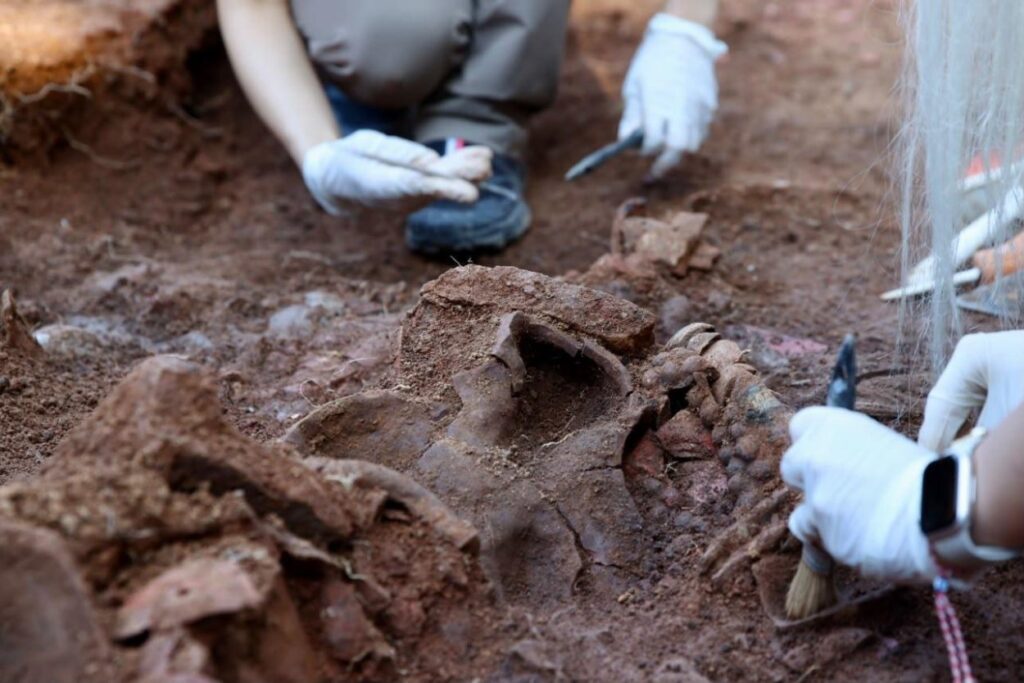
Archaeologists excavating a 2,300-year-old castle atop a hill in northern Turkey have uncovered new cult sites associated with Dionysus, the god of wine, fertility, and festivity. The latest discoveries at Kurul Castle are adding to the collection of remarkable religious statues and ceremonial objects found in this region, which was once under the control of the Kingdom of Pontus.
The latest findings come from the 2026 excavation season at Kurul Castle in Ordu, where archaeologists have worked since 2010. Professor Süleyman Yücel Şenyurt of Ankara Hacı Bayram Veli University leads the excavations, which have already revealed a marble statue of the mother goddess Cybele, figures of Dionysus and Pan, and unusual animal-shaped vessels.
An October 12 announcement by Ordu Metropolitan Municipality states that this year’s excavations have identified additional areas associated with the worship of Dionysus along with further archaeological finds. Although Şenyurt emphasized that the latest objects have great importance for understanding religious practices at the site, the team has yet to release detailed descriptions of them.
New Evidence of Dionysus Worship
Kurul Castle stands on a rocky hill in the Bayadı neighborhood, approximately 13 kilometers from central Ordu. Its commanding position made it an important defensive location, but discoveries over the past 16 years suggest that religious ceremonies also occupied a significant place in the lives of its inhabitants.
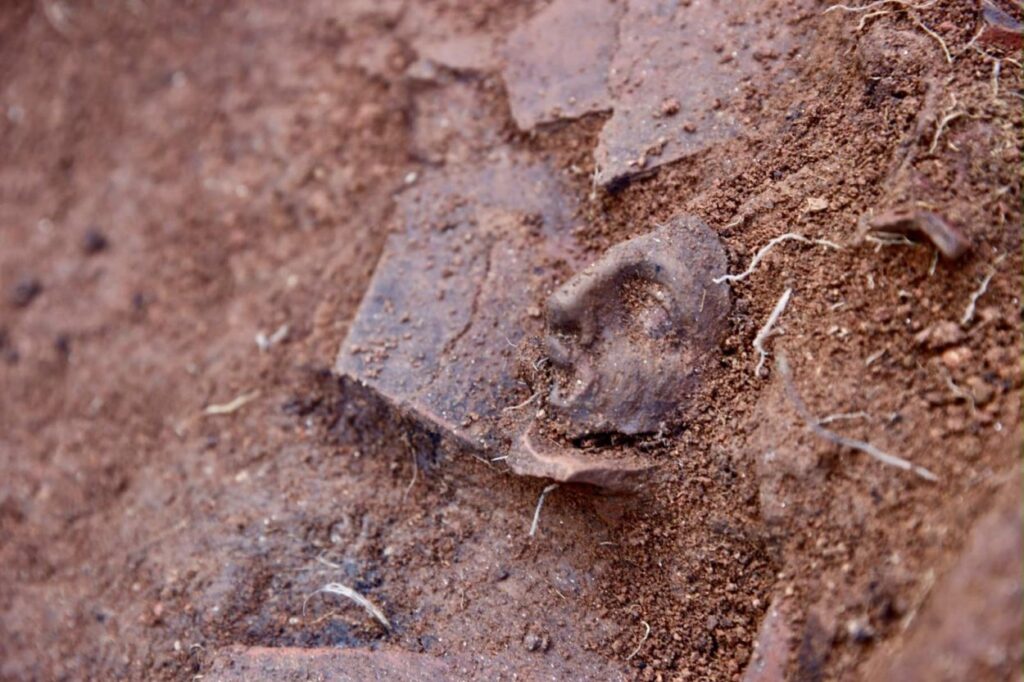
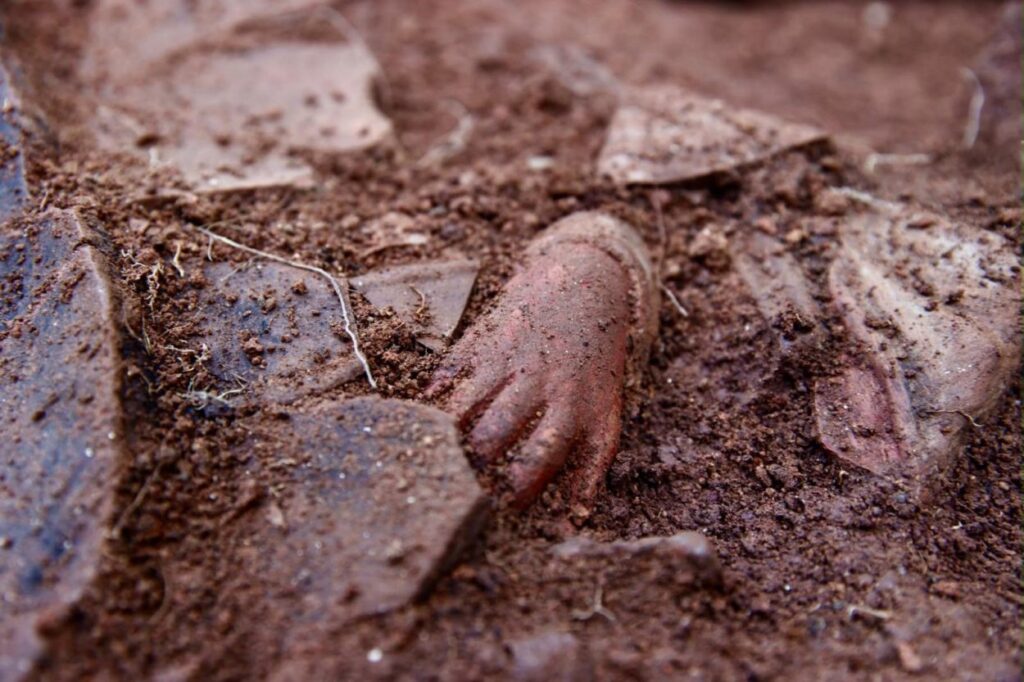
Among the most remarkable finds are an in situ marble statue of the mother goddess Cybele, terracotta figures representing Dionysus as a child and Pan, the goat-legged deity associated with shepherds, wilderness, and music. Archaeologists also discovered goat-shaped composite vessels, which they have linked to ceremonial activities involving these deities.
The association with Dionysus is particularly significant, as Mithridates VI, the Pontic king believed to have established the fortress, identified himself with the god and adopted the name Dionysus. In Greek mythology, Dionysus was closely connected with wine, vegetation, fertility, and ecstatic religious celebrations. Pan belonged to the same mythological world, and his imagery frequently appeared in Dionysian settings.
Earlier excavations also revealed representations of Dionysus with horns, including a sculpted head discovered near the fortress’s northern terrace entrance. Such objects suggest that his worship had a visible presence within the settlement.
Şenyurt said the latest season had brought archaeologists into more specialized areas associated with the Dionysus cult. The discoveries may eventually help establish where ceremonies took place and how religious spaces were organized within the fortified settlement.
The Marble Goddess Who Guarded the Fortress
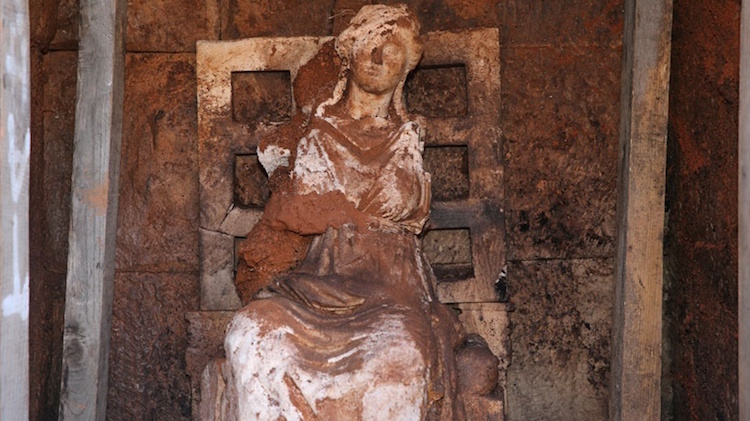
The site’s most celebrated discovery came in 2016, when archaeologists uncovered a marble statue of Cybele seated on a throne near the main entrance.
Standing approximately 110 centimeters tall and weighing around 200 kilograms, the sculpture survived in its original position, an unusual circumstance for a Hellenistic religious statue. Excavators found evidence that a wooden structure had collapsed over it, helping protect the sculpture for more than two millennia.
The Great Mother Goddess Cybele held an important place in the religious traditions of Asia Minor. Archaeologists also recovered coins and arrowheads around the sculpture, some of which may have been religious offerings. Her position near the entrance suggests that the statue may have served a protective function for the fortress and its inhabitants.
Subsequent excavations uncovered smaller Cybele figures, additional representations of Dionysus, and objects associated with other deities, including Apollo and Hermes. Together, the discoveries suggest that the inhabitants of Kurul maintained religious traditions involving several divine figures rather than a single cult.
A Fortress from the Kingdom of Pontus
The settlement’s history is closely tied to Mithridates VI Eupator, who ruled the Kingdom of Pontus from approximately 120 to 63 BCE.
Mithridates became one of Rome’s most formidable opponents, fighting a series of conflicts known as the Mithridatic Wars. His kingdom controlled substantial territories around the southern Black Sea and fought three major wars against Rome as Mithridates attempted to defend and expand his influence.
Kurul Castle formed part of this Hellenistic political landscape. Its position above the surrounding valleys provided strategic advantages, while its substantial architecture suggests that the site served more purposes than military observation alone.
Excavations have identified fortification walls and architectural remains that stand beside the settlement. These excavations also uncovered installations linked to the occupation of that same place. Finds such as bronze keys, pottery, oil lamps, jewelry, coins, arrowheads, spearheads, axes, and stone projectiles provide evidence of daily life alongside military preparations.
Kurul is distinguished from a purely military outpost by its combination of defensive architecture and religious objects. Its inhabitants apparently maintained domestic, administrative, and ceremonial activities within a single fortified complex, although archaeologists are still reconstructing how individual buildings and spaces functioned.
Much of Kurul Castle Remains to Be Explored
During a recent visit, Ordu Metropolitan Mayor Mehmet Hilmi Güler said that approximately 40 percent of the excavation work had been completed.
For Şenyurt, the excavations also highlight the archaeological potential of the eastern Black Sea region, where dense vegetation and mountainous terrain have concealed much of the ancient landscape. Kurul was the region’s first scientific archaeological excavation site, and its findings have already provided an important reference point for investigating other ancient settlements.
