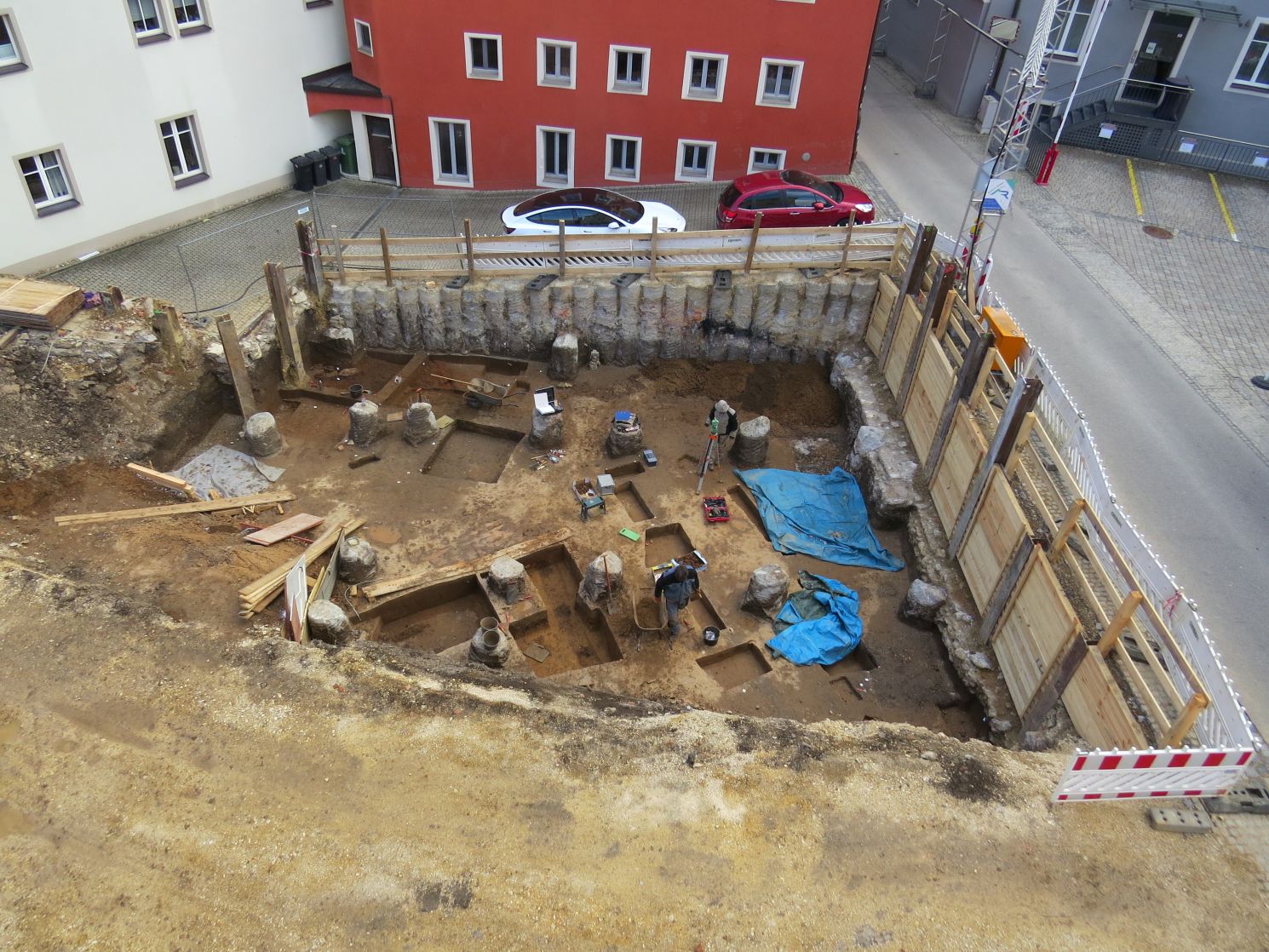
An extraordinary archaeological discovery in the historic heart of Regensburg, a UNESCO World Heritage city in southeastern Germany, has reshaped our understanding of Roman life in Bavaria. During routine excavations in the city’s Old Town, archaeologists uncovered the remains of a Roman-era Mithras sanctuary, known as a Mithraeum—the oldest such site ever identified in Bavaria.
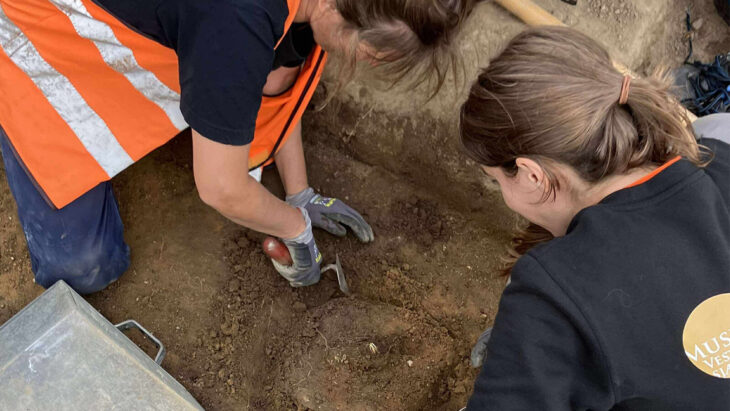
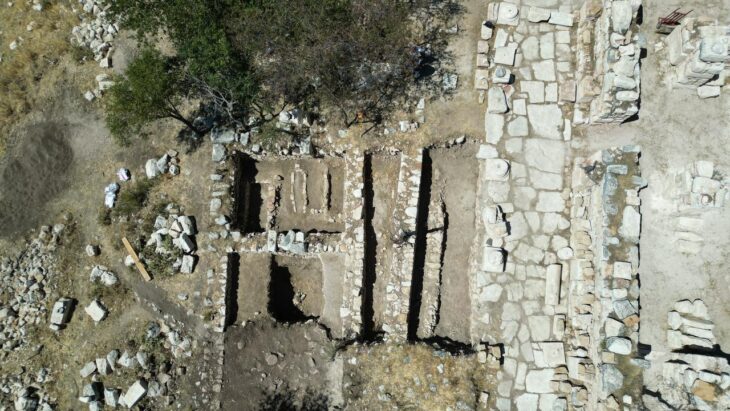
The discovery was made at Stahlzwingerweg 6, where a construction project led by SDI GmbH & Co. KG involved the development of three new residential buildings. As required for projects in Regensburg’s archaeologically sensitive Old Town, a preliminary excavation was conducted by ArchaeoTeam GmbH, under the direction of archaeologist Sabine Watzlawik. What began as a standard investigation soon turned into one of the most significant Roman finds in the region in over a decade.
From Routine Excavation to Rare Discovery
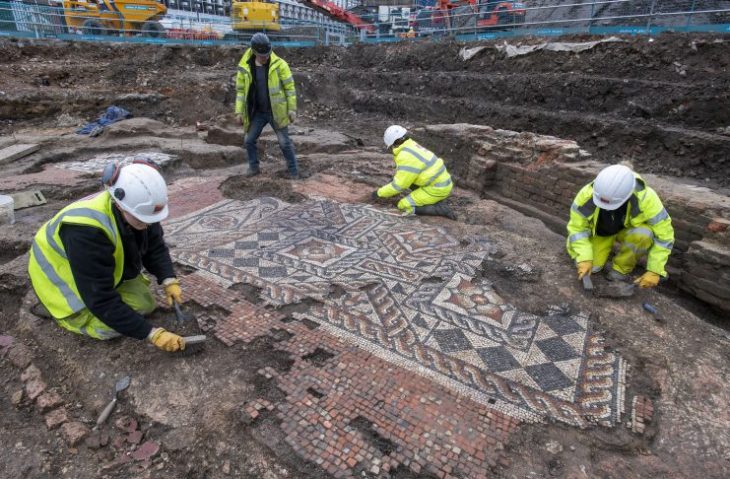
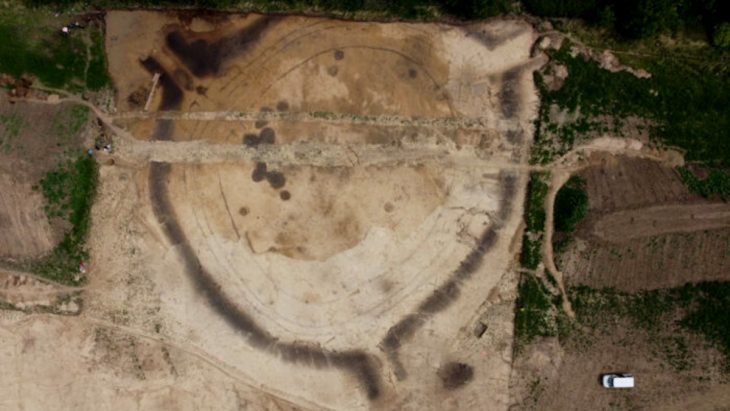
Initially, the excavation revealed what experts expected: traces of prehistoric settlements, Roman occupation layers, and medieval remains. However, the interpretation of several large structural features proved challenging. Due to the confined construction site, excavations had to be carried out in multiple phases between spring and autumn 2023, making it difficult to immediately understand the site’s full significance.
It was only after all findings were brought together and carefully analyzed by archaeologist Dr. Stefan Reuter that the true importance of the site became clear. The evidence pointed to a wooden Roman temple dedicated to the god Mithras, a deity whose cult was widespread among Roman soldiers but whose sanctuaries are relatively rare north of the Alps.
Evidence of a Mithras Cult Site
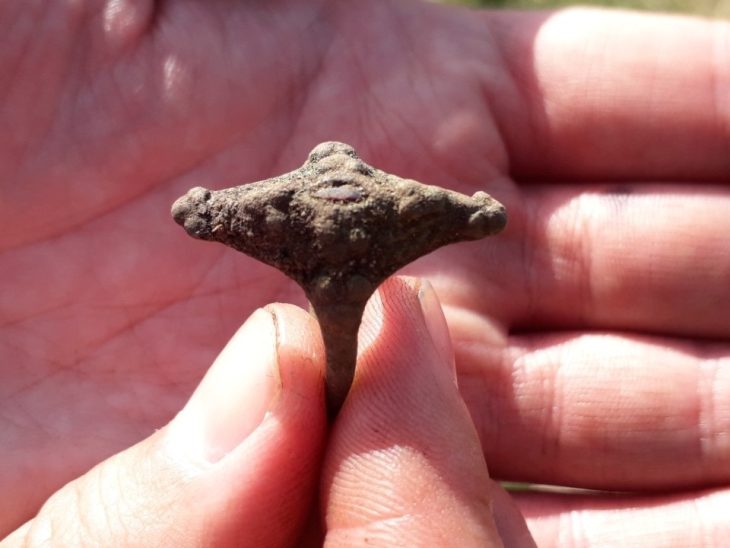
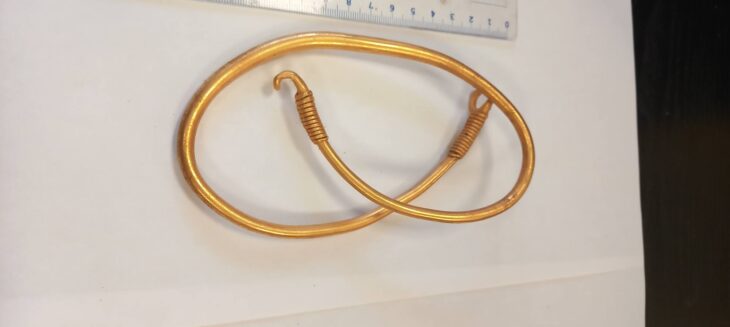
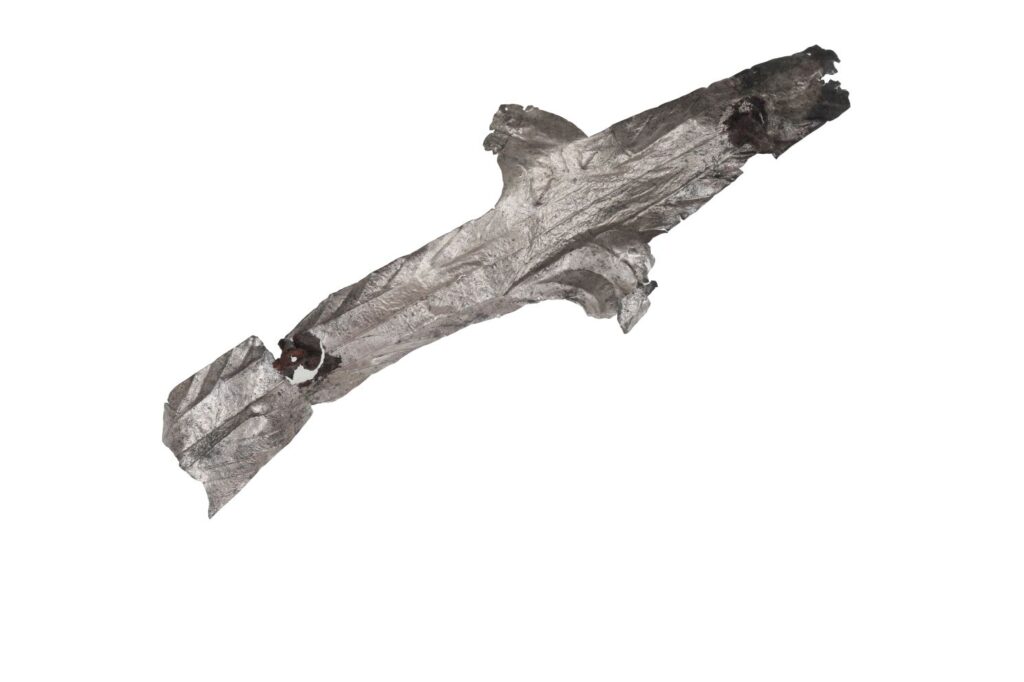
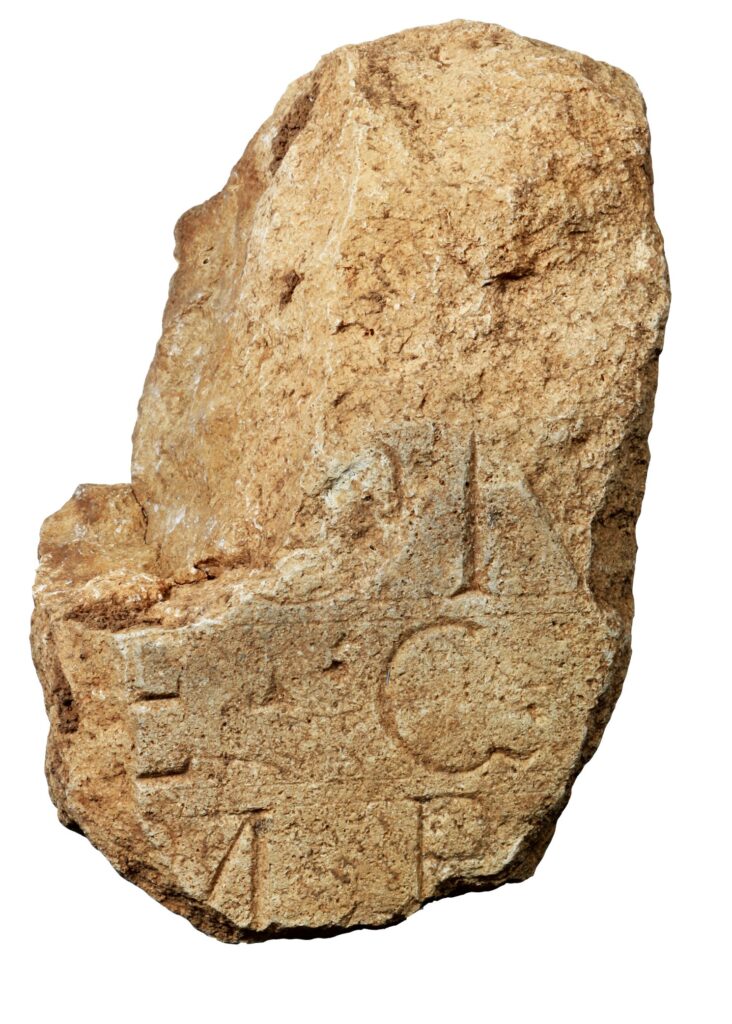
Although the original wooden structure had largely decayed over time, a combination of indirect clues confirmed the presence of a Mithraeum. Among the most important finds was a votive stone, whose inscription has not survived but is typical of Mithras worship. Archaeologists also uncovered fragments of votive metal plates, fittings from what was likely a shrine, and a variety of ritual objects.
📣 Our WhatsApp channel is now LIVE! Stay up-to-date with the latest news and updates, just click here to follow us on WhatsApp and never miss a thing!!
Coin finds played a crucial role in dating the sanctuary. The artifacts place the Mithraeum between 80 and 171 AD, during the period of the Roman cohort fort at Kumpfmühl and the associated Danube settlement—well before the later establishment of the legionary camp that would shape Regensburg’s Roman identity.
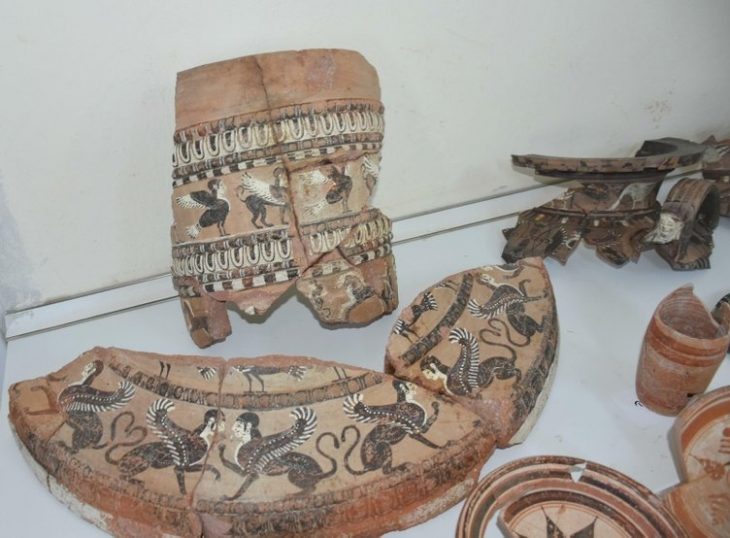
Additional objects directly associated with Mithras worship included ceramic shards decorated with snake motifs, incense cups, jugs, and drinking vessels. These items are significant because ritual banquets were a central part of Mithras cult practices, reflecting the god’s strong association with communal feasting and initiation rituals.
Why This Find Is Unique
According to Maximilian Ontrup, M.A., an expert in Roman provincial archaeology at the Museums of the City of Regensburg, the discovery is exceptional in two ways.
“First, this is the only Roman sanctuary ever identified within Regensburg’s Old Town,” Ontrup explains. “Second, on a broader scale, it is the earliest Mithras sanctuary among the nine known sites in Bavaria.”
Most Mithraea date to the late 2nd and 3rd centuries AD, when the cult reached its peak across the Roman Empire. The Regensburg site predates this period, offering rare insight into the early spread of Mithras worship in the region. The cult eventually declined in the 4th and early 5th centuries as Christianity became dominant.
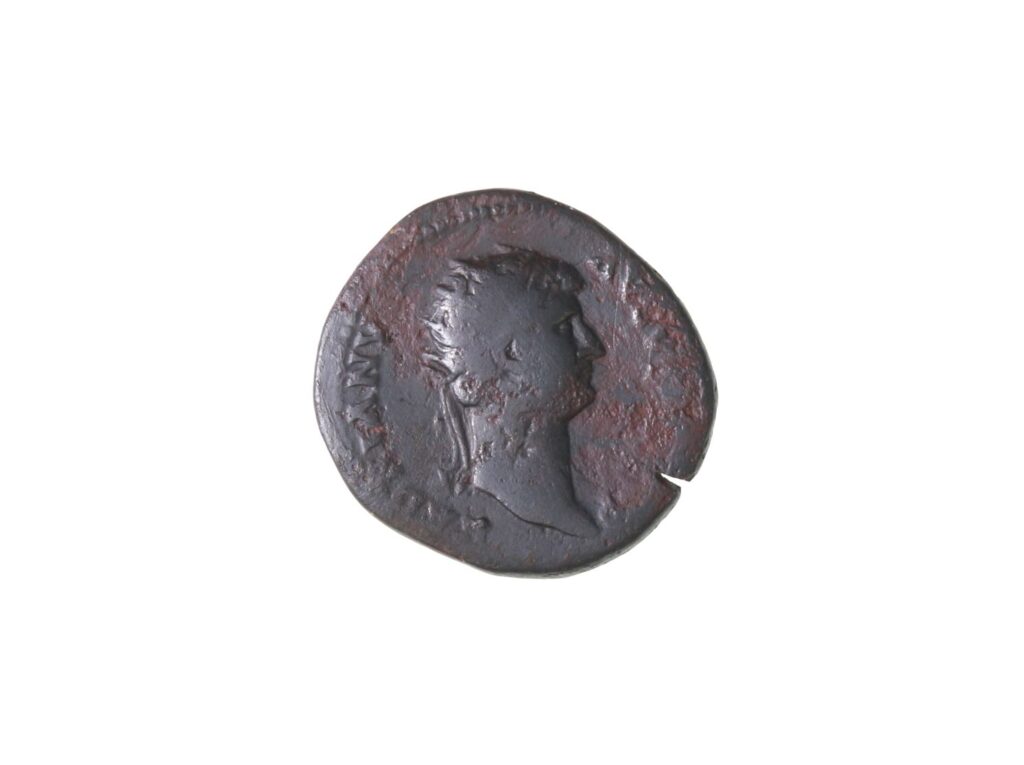
Coin depicting Emperor Hadrian (reign 117–138 AD). Together with other coin finds, it allows the dating of the sanctuary. Credit: Museums of the City of Regensburg
A Major Contribution to Roman History
Archaeologists consider the discovery one of the most important contributions to the study of Roman Regensburg in the last ten years. The Mithraeum provides new information about the structure, religious life, and social dynamics of the Roman Danube settlement, which remains less thoroughly researched than other Roman centers.
Beyond the city itself, the find has broader significance for European archaeology. The artifacts and layout of the sanctuary offer valuable new evidence about Mithras cult rituals, helping scholars better understand a religion that was famously secretive and practiced mainly in closed communities.
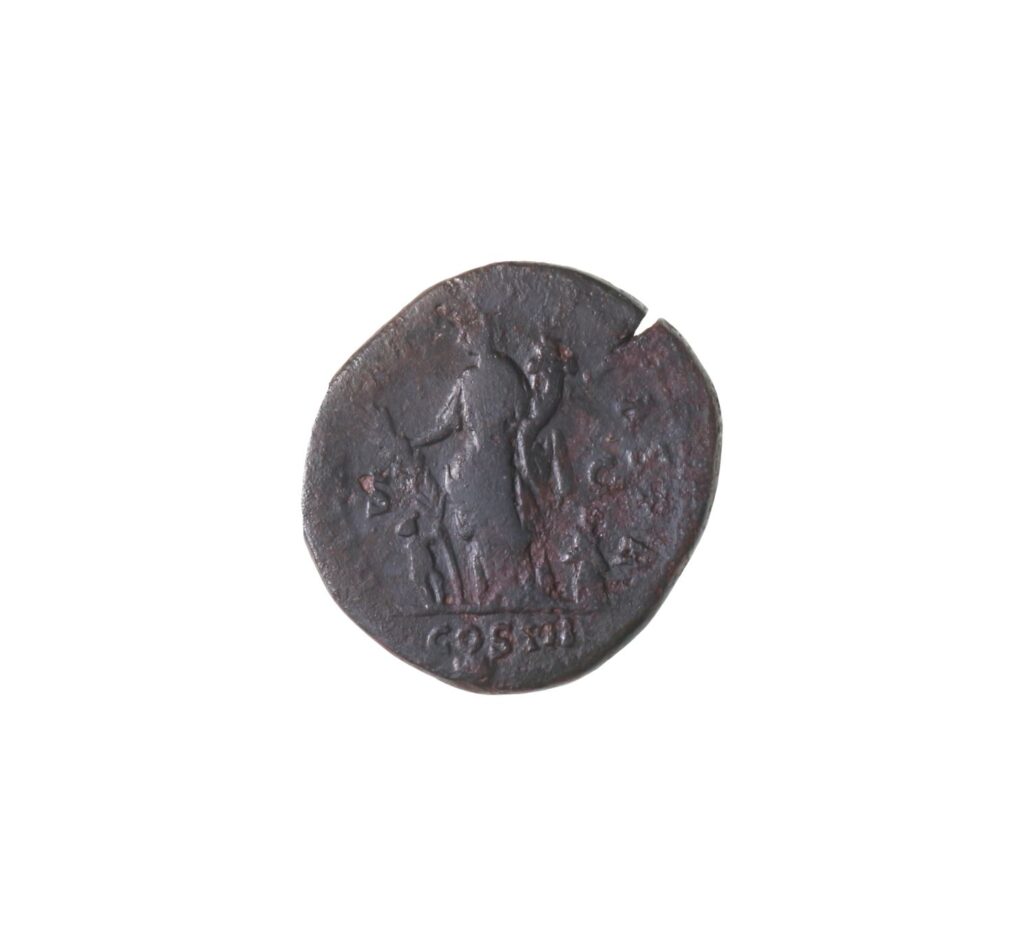
Coin depicting Emperor Hadrian (reign 117–138 AD). Together with other coin finds, it allows the dating of the sanctuary. Credit: Museums of the City of Regensburg
Future Research and Museum Exhibition
Given the outstanding importance of the find, the City of Regensburg and the Bavarian State Office for the Preservation of Monuments have jointly funded an ongoing research project to further analyze the site and its artifacts.
The recovered objects will be formally donated by SDI GmbH & Co. KG to the Museums of the City of Regensburg, where they will become part of a new museum concept currently under development.
Museum Director Dr. Sebastian Karnatz welcomes the challenge: “At first glance, some of these objects may seem unspectacular. But by placing them in their proper context and visualizing their story, we can make them speak. The Mithras finds will add an entirely new dimension to our understanding of Roman Regensburg.”
As research continues, the ancient Mithras sanctuary beneath Regensburg’s Old Town promises to illuminate a long-hidden chapter of Roman religious life—one that has now emerged from the shadows after nearly two thousand years.
Cover Image Credit: ArchaeoTeam Resenburg