
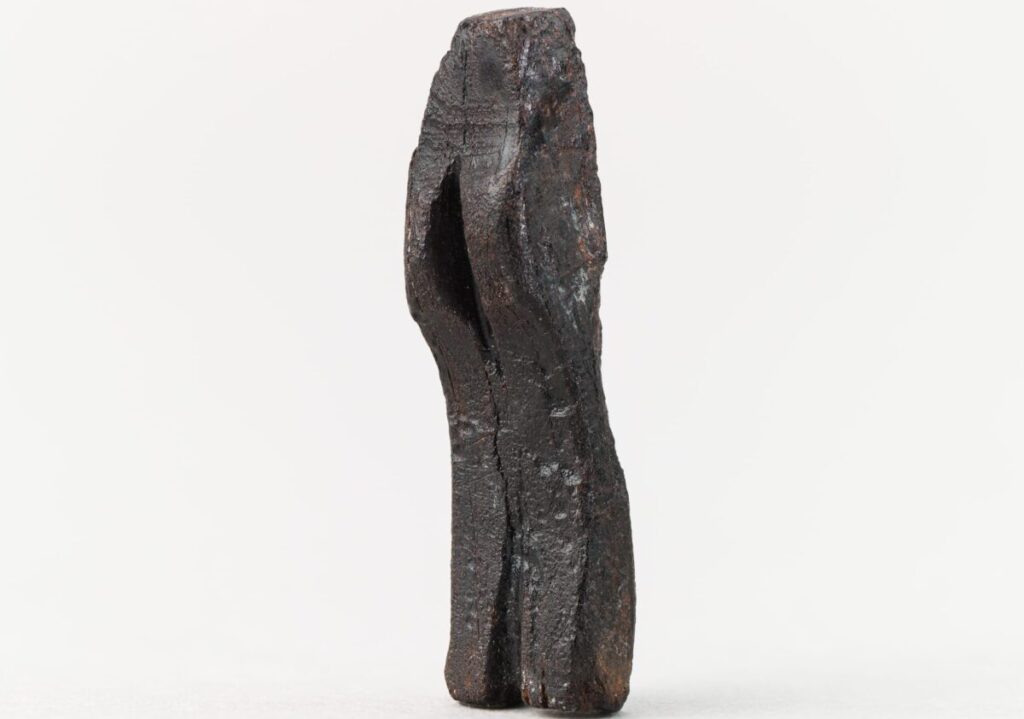
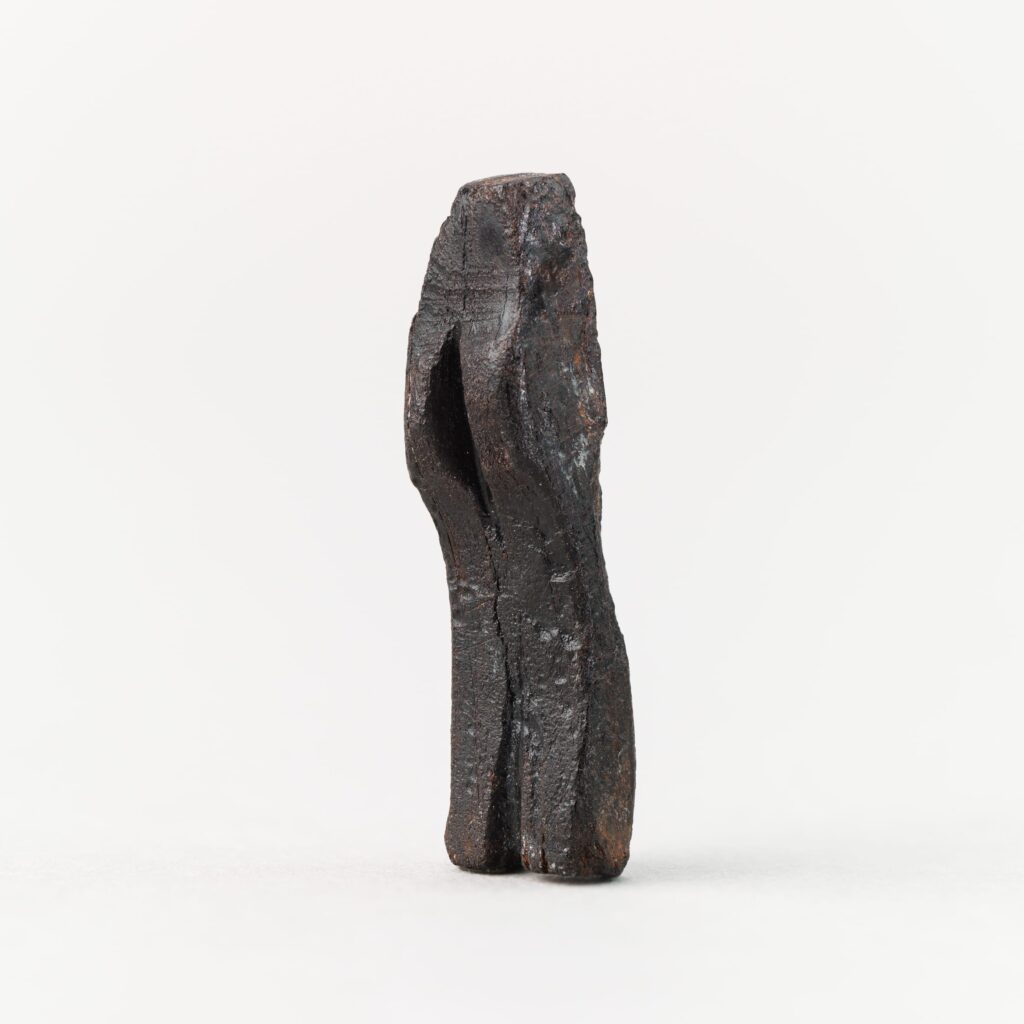
A tiny prehistoric object—just 2.8 centimetres tall—is now at the centre of a significant cultural decision in Switzerland. A 15,000-year-old female figurine from the Ice Age has been officially returned to the canton of Schaffhausen, marking a rare case of voluntary repatriation between Swiss institutions and highlighting the enduring value of regional archaeological heritage.
The statuette, carved from jet (fossilized wood, also known as gagat or black lignite), had been housed for decades at the Museum of Cultures in Basel. Now, following a formal request submitted in 2025, the Basel-Stadt government has approved its transfer back to the region where it was originally discovered.
A Small Artifact with Regional Significance
At first glance, the figurine may seem modest. Yet for archaeologists, its importance is anything but small.
The object was found near Schweizersbild, a well-known prehistoric site on the outskirts of Schaffhausen. This location has long been associated with Late Upper Paleolithic hunter-gatherer communities, particularly reindeer hunters who occupied the region during the closing phases of the last Ice Age.
Local authorities in Schaffhausen emphasized that both the artifact and its original context are crucial for understanding the region’s deep past. Their argument ultimately convinced Basel’s authorities, who described the transfer as a scientifically justified and ethically appropriate decision.
The move also reflects a broader shift in European museum practice, where institutions increasingly prioritize contextual integrity and regional ownership of archaeological finds.
Discovered Decades After the Original Excavations
The story of the figurine stretches back more than a century.
The Schweizersbild site was first identified in 1891 by Swiss archaeologist Jakob Nüesch, who led excavations that revealed a rich Ice Age settlement. These early digs produced hundreds of artifacts, many of which were later acquired by Basel museums.
However, the figurine itself was not found during those initial excavations.
Instead, it emerged much later, in 1954, when amateur researcher Willi Mamber revisited the site. While examining spoil heaps left behind by 19th-century excavations, he discovered the small, stylized female figure. Recognizing its significance, he eventually donated it in 1975 to the Museum of Cultures Basel, expressing gratitude for the academic guidance he had received from researchers there.
Ice Age Symbolism and the Tradition of Female Figurines
Although small in size, the figurine belongs to a much larger tradition.
Across Europe, archaeologists have uncovered similar Ice Age female representations, often referred to as “Venus figurines.” These objects—dating between roughly 40,000 and 10,000 years ago—are widely interpreted as symbolic artifacts linked to fertility, identity, or social expression.
While the Schweizersbild figurine is more stylized than famous examples like the Venus of Willendorf, its material and craftsmanship make it particularly distinctive. The use of jet, a rare and workable organic material, suggests deliberate selection and possibly long-distance resource procurement.
Its presence at a hunter-gatherer site in northern Switzerland also adds to ongoing discussions about mobility, symbolic behavior, and artistic expression during the Late Paleolithic.
From Paris Exhibition to Local Heritage
Over the decades, the figurine gained international recognition.
It was displayed in major exhibitions, including the renowned “Arts et Préhistoire” exhibition at the Musée de l’Homme in Paris, where it contributed to broader narratives about early human creativity.
More recently, since October 2025, the object has been on loan to the Museum zu Allerheiligen in Schaffhausen, where it is featured in the exhibition “Ice Age – Life 17,000 Years Ago.”
With the official transfer of ownership now complete, the museum will take full responsibility for preserving and presenting the artifact as part of the region’s cultural heritage.
A Growing Trend in Archaeological Repatriation
Although this case involves two Swiss cantons rather than international actors, it reflects a wider movement in archaeology and museology.
Institutions across Europe are increasingly reassessing where artifacts belong—not only legally, but also historically and culturally. Returning objects to their place of origin can strengthen local identity, improve interpretation, and reconnect communities with their ancient past.
In this sense, the Schaffhausen figurine is more than an Ice Age artifact. It is also a reminder that the meaning of archaeological objects extends beyond museums—into the landscapes and histories that first gave them life.
Cover Image Credit: Kanton Basel-Stadt
