
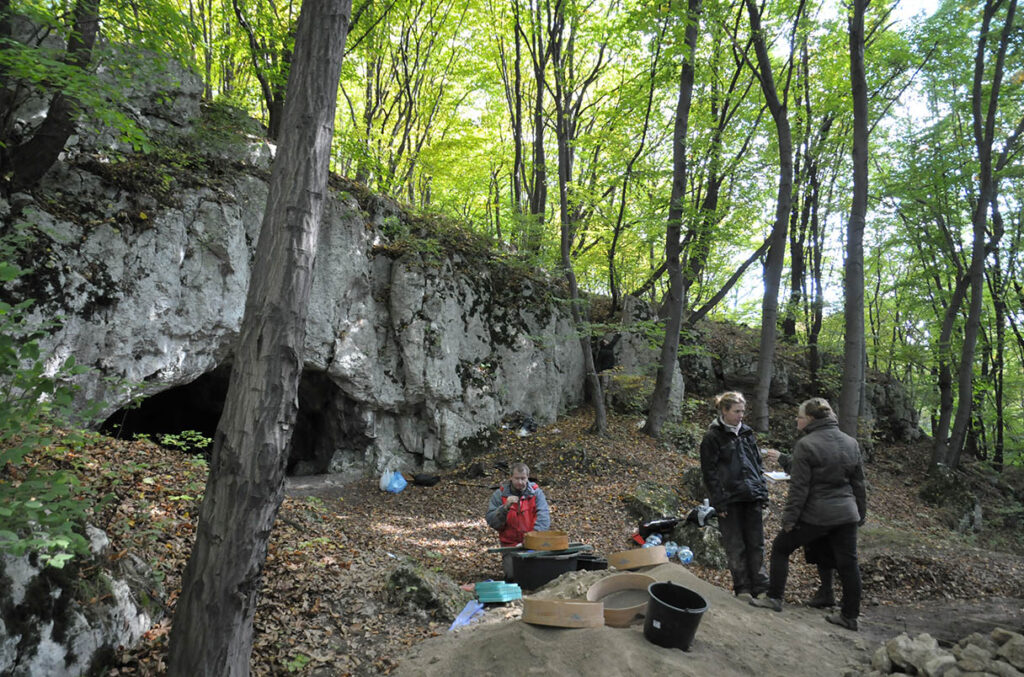
New scientific research has uncovered compelling evidence that prehistoric humans practiced cannibalism—including the consumption of human brains—around 18,000 years ago in what is now southern Poland. The discovery, made at Maszycka Cave near Kraków, provides one of the clearest cases of Paleolithic cannibalism in Europe and offers new insight into the complex and sometimes violent lives of Magdalenian hunter-gatherers.
Published in Scientific Reports, the study uses advanced 3D microscopic analysis to confirm that the cut marks and fractures found on human bones were made by stone tools shortly after death. The findings strongly suggest deliberate processing of bodies for food rather than ritual burial practices.
Clear Signs of Human Processing
Archaeologists examined hundreds of bone fragments originally excavated in the late 19th century and again in the 1960s. These remains had been stored for decades at the Archaeological Museum of Kraków. When researchers revisited the collection using modern techniques, they identified additional human bone fragments previously misclassified as animal remains.
Radiocarbon dating shows the bones are approximately 18,000 years old, placing them within the Magdalenian period—a culture known for sophisticated tools, elaborate artwork, and wide territorial expansion following the retreat of Ice Age glaciers.
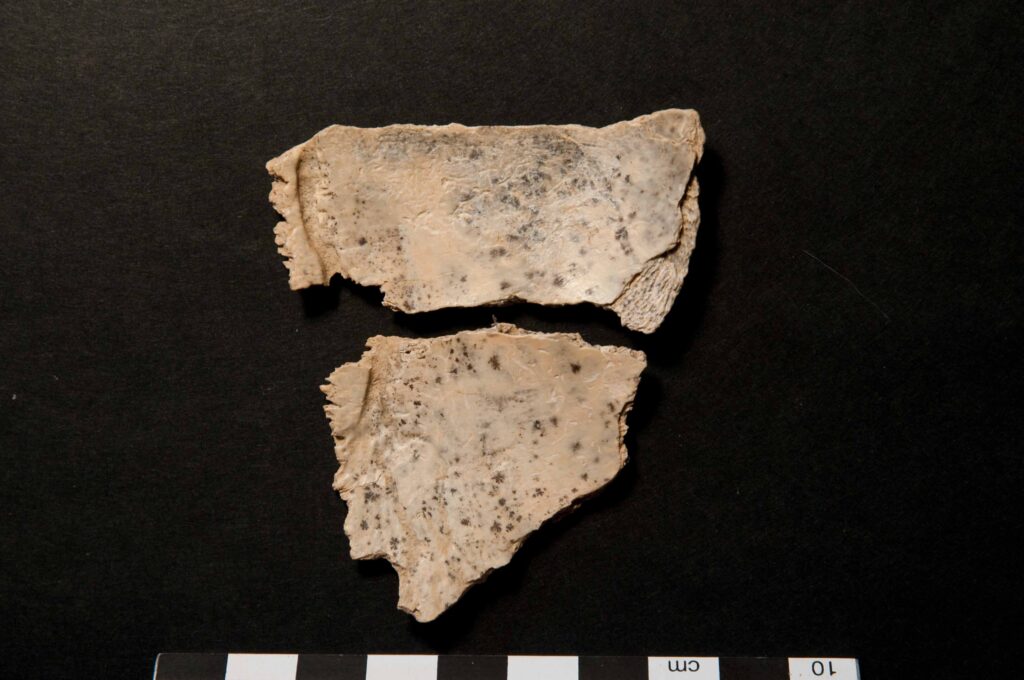
A striking 68% of the human bones bore cut marks and fractures consistent with butchering. Skulls displayed deep incisions associated with the removal of scalp and facial tissues. Many were intentionally broken in ways that indicate access to the brain, one of the most nutrient-rich organs in the human body.
Long bones such as femurs and humeri were systematically smashed to extract marrow, a calorie-dense source of fat essential for survival in cold environments. The pattern of breakage mirrored that seen on animal bones found in the same layer of the cave.
According to lead author Francesc Marginedas of IPHES-CERCA, the distribution and nature of the marks leave little doubt that the bodies were processed for consumption. The evidence rules out natural damage, scavenger activity, or simple funerary preparation.
Cannibalism Not Ritual, but Violence?
Cannibalism in prehistoric societies can take multiple forms. In some cultures, so-called “funerary cannibalism” was practiced as a sign of respect, where relatives consumed parts of the deceased to honor them or absorb their spirit. However, the findings at Maszycka Cave do not support such an interpretation.
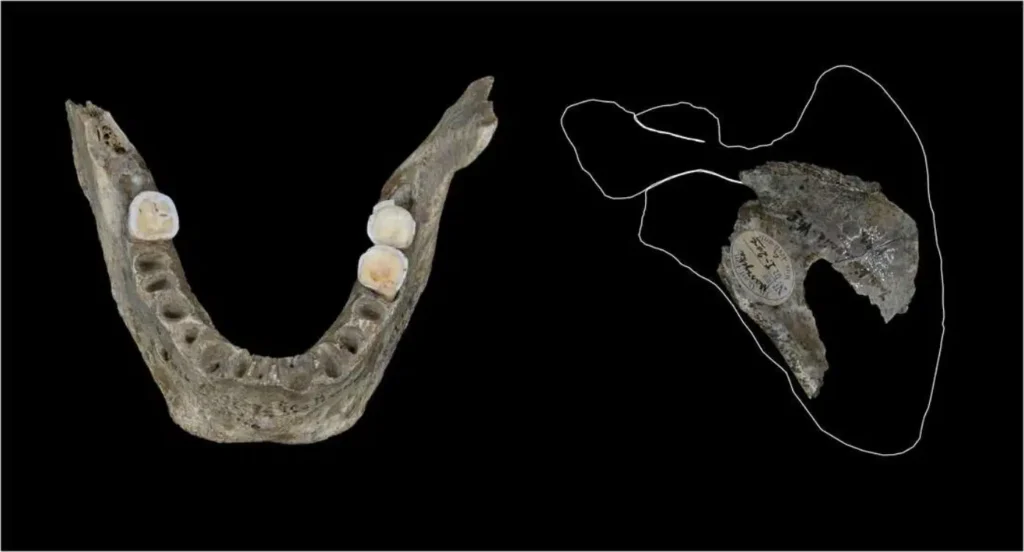
Unlike other Magdalenian sites—such as Gough’s Cave in the United Kingdom, where skulls were modified into ritual “skull cups”—the remains at Maszycka Cave show no signs of ceremonial treatment. The skull fragments were discarded alongside broken animal bones, and no objects were crafted from them.
Dr. Palmira Saladié, co-author of the study, explains that the bones were treated no differently from animal carcasses. The methodical extraction of flesh, brain tissue, and marrow suggests that maximizing nutritional gain was the primary objective.
This has led researchers to propose that the site represents a case of “war cannibalism”—the consumption of enemies following violent conflict. In this interpretation, cannibalism may have functioned as both sustenance and symbolic domination.
A Broader Pattern Across Europe
Maszycka Cave is now one of at least five European sites showing clear evidence of cannibalism during the Magdalenian period. This growing body of evidence suggests that the practice was not an isolated incident but may have been more widespread among Late Upper Paleolithic populations.
The Magdalenian people are famous for their artistic achievements, including the cave paintings at Lascaux Cave and Altamira Cave. As the massive ice sheets of the Last Glacial Maximum began to retreat around 19,000 years ago, these highly mobile hunter-gatherers expanded from refuges in France and Spain into newly habitable regions of central Europe.
With warming temperatures came new ecological opportunities—but also potential competition. Expanding populations may have clashed over access to territory, hunting grounds, and resources.
Researchers note that all the human remains at Maszycka Cave appear to have been deposited at roughly the same time, suggesting a single violent episode rather than multiple burials over generations. The thorough butchering of the bones obscures any direct evidence of trauma, making it difficult to determine exactly how the individuals died. However, the consistency of processing points toward a coordinated event.
Hunger or Conflict?
One key question is whether cannibalism at Maszycka Cave was driven by starvation or aggression. The archaeological context suggests that food scarcity was unlikely to be the primary cause. Animal remains found at the site—including antelope—indicate that game was available in the region during the postglacial warming period.
Instead, researchers argue that social tensions may have played a larger role. As groups migrated into newly accessible territories, conflicts could have intensified. Consuming enemies might have served as an act of humiliation, revenge, or psychological warfare.
Recent genetic studies indicate that the individuals at Maszycka shared ancestry with Magdalenian populations farther west. This complicates the narrative of invading outsiders versus local inhabitants. It raises the possibility that violence occurred between closely related groups competing in unfamiliar territory.
Modern Technology Solves an Ice Age Mystery
Although Maszycka Cave has been known to archaeologists for over a century, only modern analytical methods have allowed scientists to confirm cannibalism with confidence. High-resolution 3D microscopy made it possible to distinguish tool-inflicted cut marks from natural cracks or animal gnawing.
The study demonstrates how advances in archaeological science can shed new light on long-standing collections. Bones stored in museum archives for decades can still yield groundbreaking discoveries when examined with contemporary technology.
Ultimately, the findings from Maszycka Cave reveal a more complex portrait of Ice Age Europe. The same culture that produced breathtaking cave art and finely crafted bone tools may also have engaged in extreme acts of violence.
The evidence of human brain and marrow consumption 18,000 years ago underscores the harsh realities faced by prehistoric communities navigating environmental change, territorial expansion, and social conflict. As researchers continue to analyze other Magdalenian sites, the story of Europe’s early inhabitants may become even more nuanced—revealing both their creativity and their capacity for brutality.
Marginedas, F., Saladié, P., Połtowicz-Bobak, M. et al. New insights of cultural cannibalism amongst Magdalenian groups at Maszycka Cave, Poland. Sci Rep 15, 2351 (2025). https://doi.org/10.1038/s41598-025-86093-w
Cover Image Credit: Dariusz Bobak, Scientific Reports
