
15 February 2026 The Future is the Product of the Past

Gruesome Evidence of Prehistoric Cannibalism: Child Decapitated 850,000 Years Ago at Atapuerca

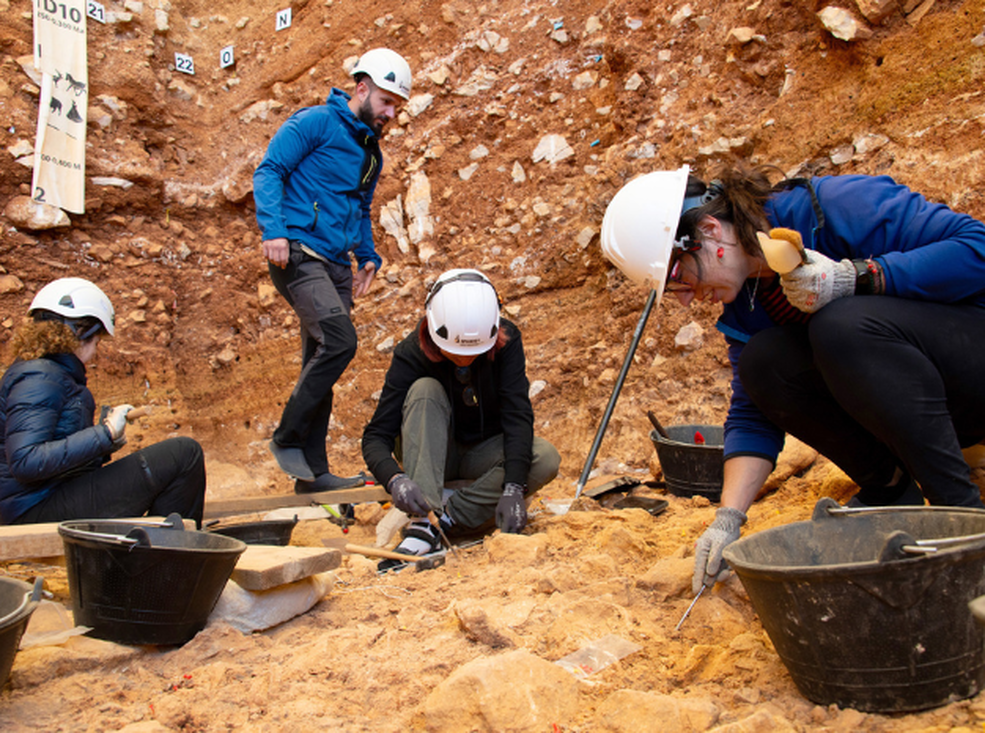
In a chilling archaeological discovery, researchers have uncovered direct evidence that a child was decapitated and cannibalized approximately 850,000 years ago by members of the now-extinct early human species, Homo antecessor. The find, unearthed at the Gran Dolina site in Spain’s Sierra de Atapuerca, adds a new layer to our understanding of prehistoric human behavior — particularly in relation to violence, survival, and social norms.

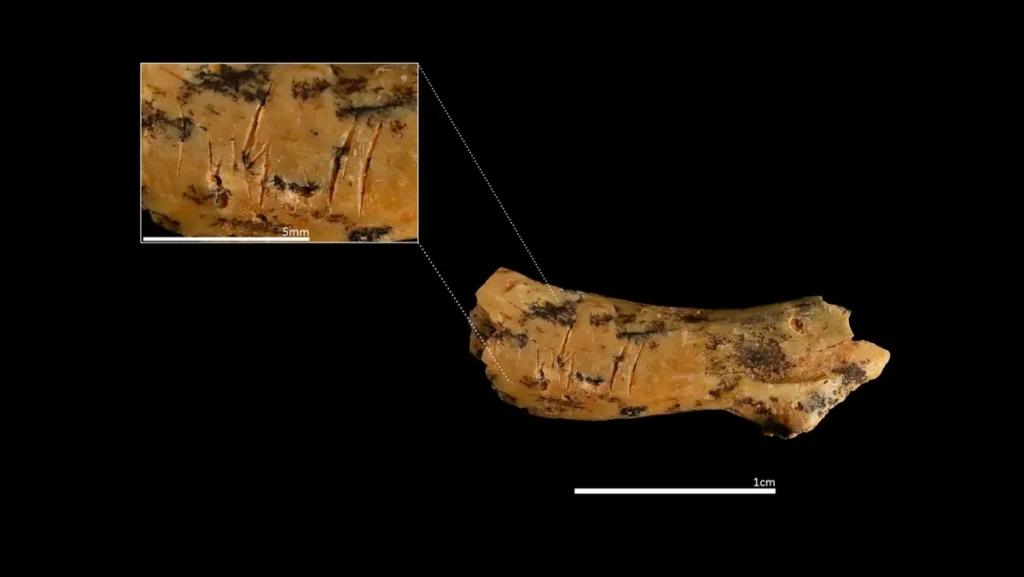
The evidence centers around a small human cervical vertebra belonging to a child estimated to be between two and four years old. According to the research team from IPHES-CERCA, the bone showed unmistakable cut marks at precise anatomical locations, indicating intentional decapitation. The incisions align with methods used for disarticulating the head — similar to how early humans processed animal prey for consumption.

“This case is particularly striking, not only because of the child’s age, but also due to the precision of the cut marks,” said Dr. Palmira Saladié, a specialist in taphonomy and prehistoric cannibalism and co-director of the Gran Dolina excavation. “The vertebra presents clear incisions at key anatomical points for disarticulating the head. It is direct evidence that the child was processed like any other prey.”

This vertebra is one of ten newly uncovered human remains at archaeological level TD6, all attributed to Homo antecessor, a species that lived in Western Europe between 1.2 million and 800,000 years ago. Several bones from the site exhibit telltale signs of defleshing and intentional fracturing — indicators that they were processed for food, just like the remains of animals found at the same level.

Although disturbing, this discovery is not entirely unprecedented. Nearly three decades ago, the same level at Gran Dolina yielded the world’s first documented case of prehistoric human cannibalism. What makes this recent find significant is the consistency it reveals: a pattern of repeated behavior rather than an isolated act. “The treatment of the dead was not exceptional, but repeated,” Saladié explained.


📣 Our WhatsApp channel is now LIVE! Stay up-to-date with the latest news and updates, just click here to follow us on WhatsApp and never miss a thing!!


The child's vertebra has clear-cut marks associated with cannibalism.
Credit: Maria D. Guillen/IPHES-CERCA
The child’s vertebra has clear-cut marks associated with cannibalism. Credit: Maria D. Guillen/IPHES-CERCA

The researchers believe cannibalism among Homo antecessor may have served multiple purposes beyond mere sustenance. The exploitation of human flesh could have functioned as a form of territorial control or dominance, particularly in an environment characterized by intense interspecies competition. This theory gains traction from additional discoveries made during the same excavation season — most notably a hyena latrine containing over 1,300 coprolites (fossilized dung), located just above the layer containing human remains.

The stratigraphic overlap between human bones and hyena excrement helps scientists reconstruct the dynamics of cave occupation during the Lower Paleolithic. It paints a picture of a harsh, competitive landscape where carnivores and humans alternated control of the space, likely scavenging or driving each other out in cycles of survival.

Beyond the implications for understanding cannibalism, this discovery provides valuable insight into the life — and death — of early humans in prehistoric Europe. The presence of juvenile remains raises questions about vulnerability, social structures, and the decision-making processes within early human groups.

“Every year we uncover new evidence that forces us to rethink how they lived, how they died, and how the dead were treated nearly a million years ago,” Saladié concluded.

The findings from Gran Dolina underscore how much remains to be learned from ancient remains buried deep in prehistoric sediments. As excavations continue, scientists hope to further unravel the complex, and at times unsettling, realities of early human behavior.

IPHES

Cover Image Credit: Maria D. Guillen/IPHES-CERCA

Related Articles

Ancient quarry discovered near Tas-Silġ archaeological complex in Malta

28 May 2023

28 May 2023

The Malta Superintendence of Cultural Heritage announced on Friday that trenching works by the Water Services Corporation had uncovered an...

Earliest Modern Human Genome Identified

7 April 2021

7 April 2021

The fossilized skull of a woman in the Czech Republic provided the oldest modern human genome to date, which has...

Venice of the Pacific: The mysterious Micronesian ruins of Nan Madol

12 July 2022

12 July 2022

Sometimes art and architecture challenge our perceptions of what was formerly thought to be feasible and what our forefathers were...

Sidamara, the largest sarcophagus of the Ancient World, got Eros relief 140 years later

1 July 2022

1 July 2022

The Sidamara Sarcophagus, which is considered to be one of the largest sarcophagi of the ancient world and weighs many...

A Stunning Taş Tepeler Discovery: 12,000-Year-Old Human Faces Emerge from Sefertepe

26 November 2025

26 November 2025

A stunning discovery at Sefertepe reveals 12,000-year-old carved human faces and a rare double-sided serpentinite bead, offering new insight into...

Ancient DNA Reveals Living Descendants of China’s Mysterious Hanging Coffin Builders

27 November 2025

27 November 2025

A groundbreaking genomic study uncovers the true origins of China’s mysterious hanging coffins and reveals that the modern Bo people...

The earliest known depiction of biblical heroines Jael and Deborah was discovered at a Jewish synagogue in Israel

8 August 2022

8 August 2022

The earliest known depiction of biblical heroines Jael and Deborah was discovered at a Jewish synagogue at Huqoq in Israel,...

New Discovery Challenges Origins of Iconic Sutton Hoo Helmet: It Could Radically Alter Our Understanding of 7th Century Northern European Power Dynamics

28 March 2025

28 March 2025

A recent find on the Danish island of Tåsinge has sparked a significant reevaluation of the origins of the renowned...

Excavations at Körzüt Castle unearth 2 cuneiform inscriptions and a new Urartian Susi temple

25 October 2023

25 October 2023

During the rescue excavations carried out at the Körzüt Castle in the Muradiye district of Van province in eastern Turkey,...

Possible Location of Medieval Knight Zbylut’s Manor Identified Alongside Discovery of Unknown Burial Crypts

26 April 2025

26 April 2025

In a remarkable archaeological find, researchers have uncovered previously unknown burial crypts within the Gothic Church of St. James the...

Pendants and beads reveal nine European Cultures living across the continent 30,000 years ago

1 February 2024

1 February 2024

In a new study, researchers have constructed a continent-wide database of personal ornaments worn by Europeans 34,000-24,000 years ago, a...

A Newly Found 12,000-year-old Burial in Türkiye May Belong to a Female ‘Shaman’

28 July 2024

28 July 2024

A recently published study suggests that a woman buried in the upper reaches of the Tigris River in south-eastern Türkiye...

Hungarian Archaeology Student Discovers Rare Bronze Figurines at Roman-Era Brigetio Site

31 July 2025

31 July 2025

A remarkable archaeological discovery emerged this July at the ancient Roman site of Brigetio in Komárom, Hungary. First-year archaeology student...

Petalodus shark teeth found for the first time in China

29 August 2021

29 August 2021

A 290 million-year-old fossil of a shark with petal-shaped teeth has been discovered in China. Seven well-preserved Petalodus teeth were...

Medieval Rye: From Humble Weed to Powerful Staple – New Study Reveals Surprising Farming Secrets

27 May 2025

27 May 2025

Discover how medieval rye cultivation was far more advanced than previously believed. New research reveals intensive farming and fertilizing techniques...